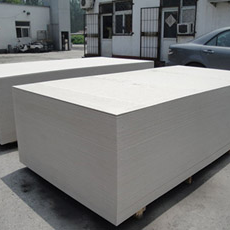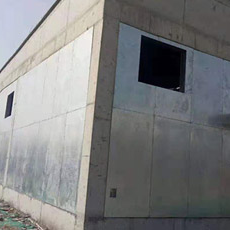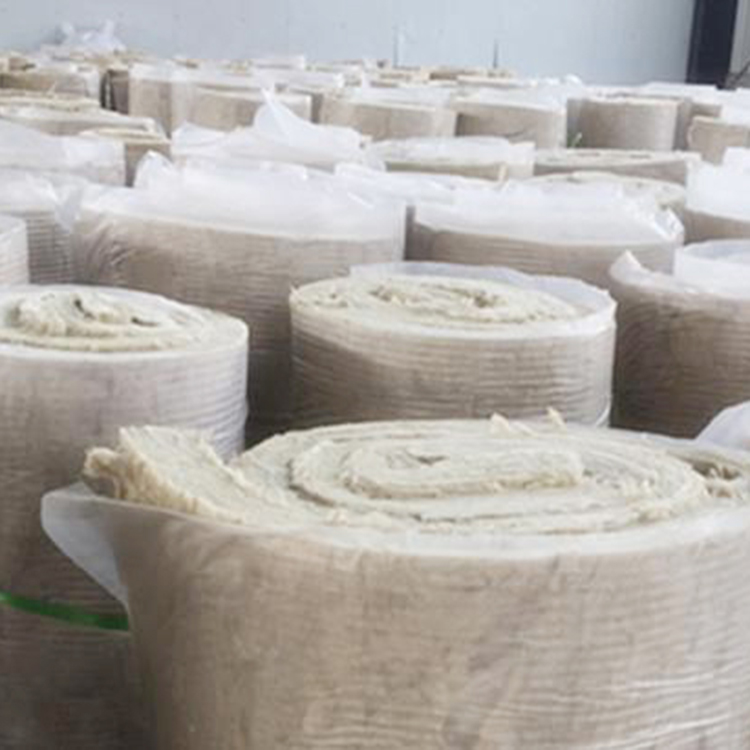


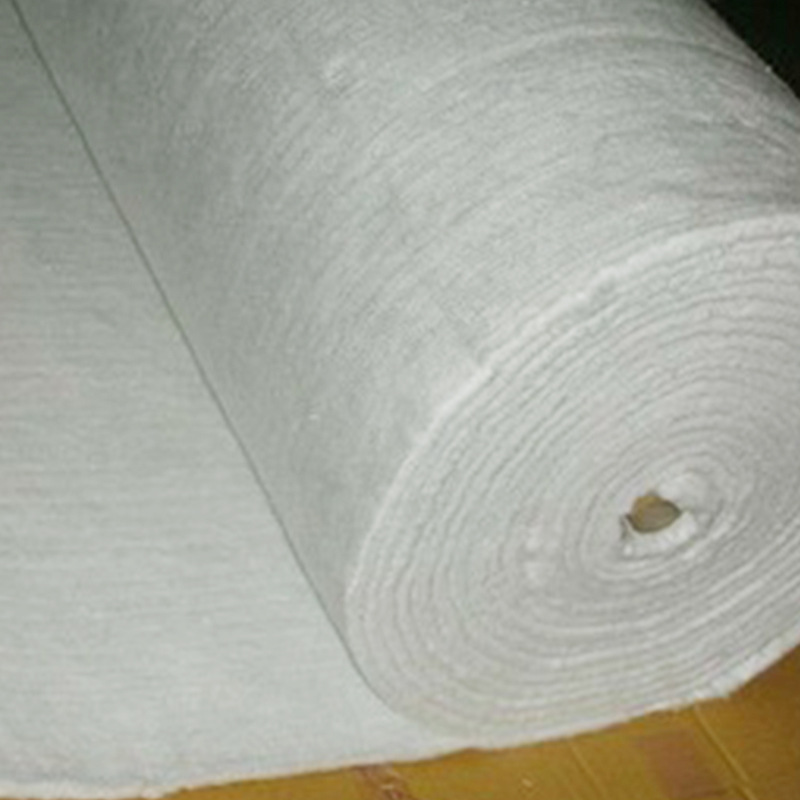
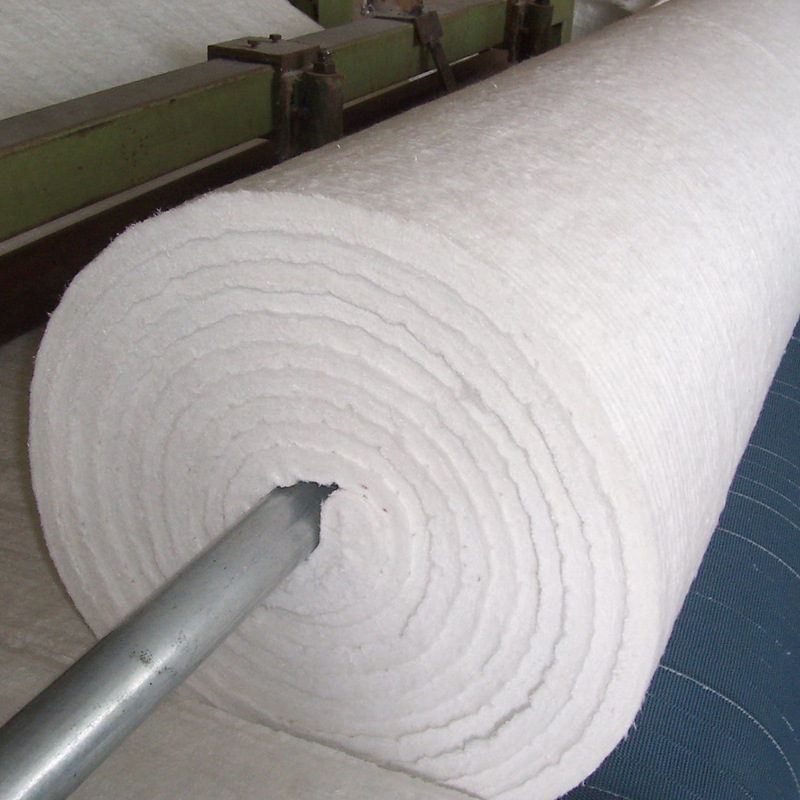





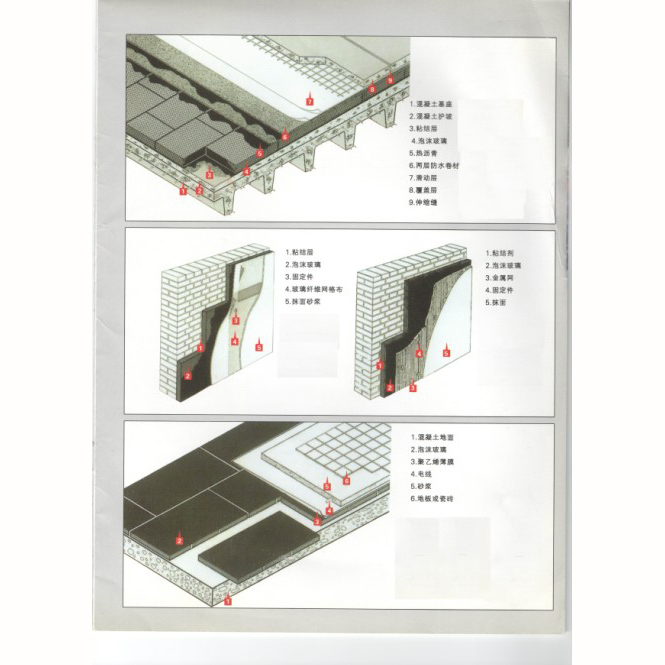
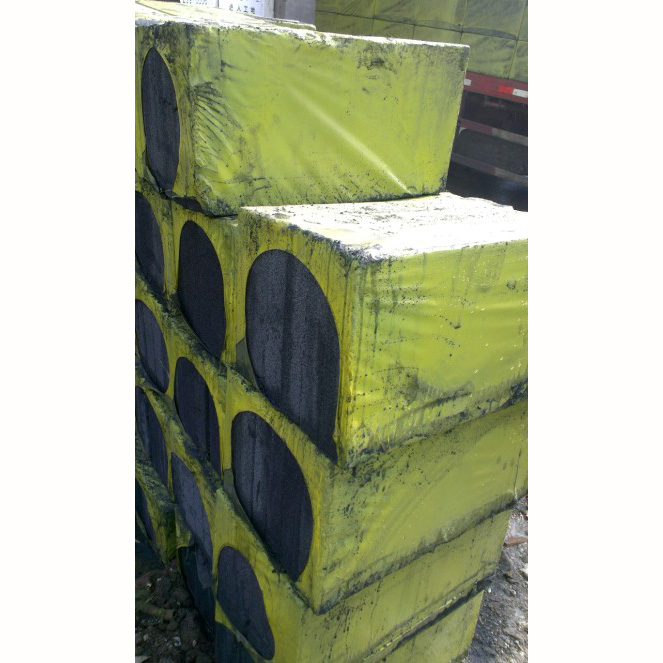
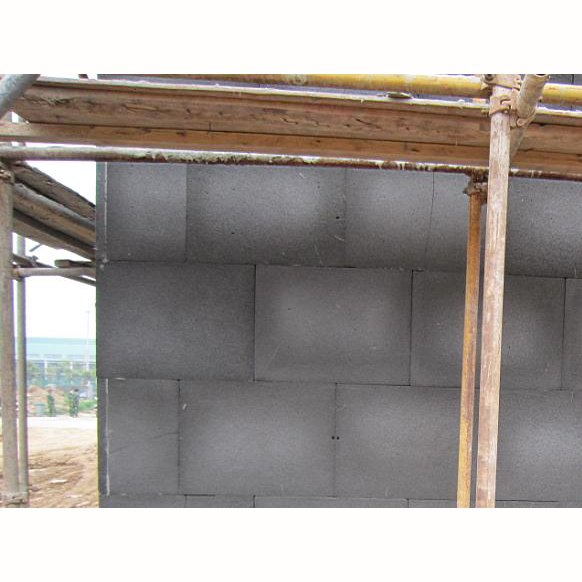
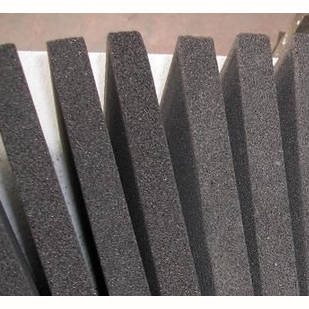
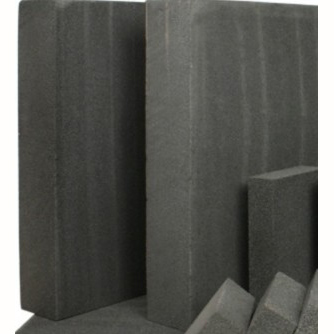
Foam glass is widely used for thermal insulation in the exterior walls and roofs of residential buildings. Due to its lightweight, fire-resistant, waterproof, non-polluting, non-combustible, and long lifespan (matching the building's lifespan), foam glass has become the ideal wall and roof insulation material for residential construction, especially as the demand for environmental protection in our living spaces continues to grow.
Foam glass serves as both a thermal insulation and a thermal preservation material, capable of adapting to a wide temperature range from extreme cold to high temperatures. Its significant value lies not only in its longevity without deterioration but also in its inherent fireproof and shockproof properties. When used in environments such as low-temperature deep-freezing, underground projects, flammable and explosive areas, humid conditions, and harsh chemical erosion, it is not only safe and reliable but also durable, earning it the title of "a non-replacement thermal insulation material." Therefore, it is widely used in the oil and chemical industries, underground construction, shipbuilding, and for insulation, thermal preservation, and corrosion protection in flue linings.