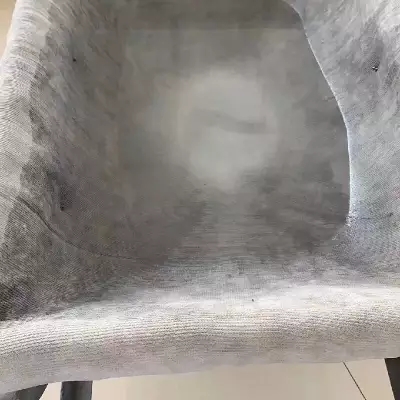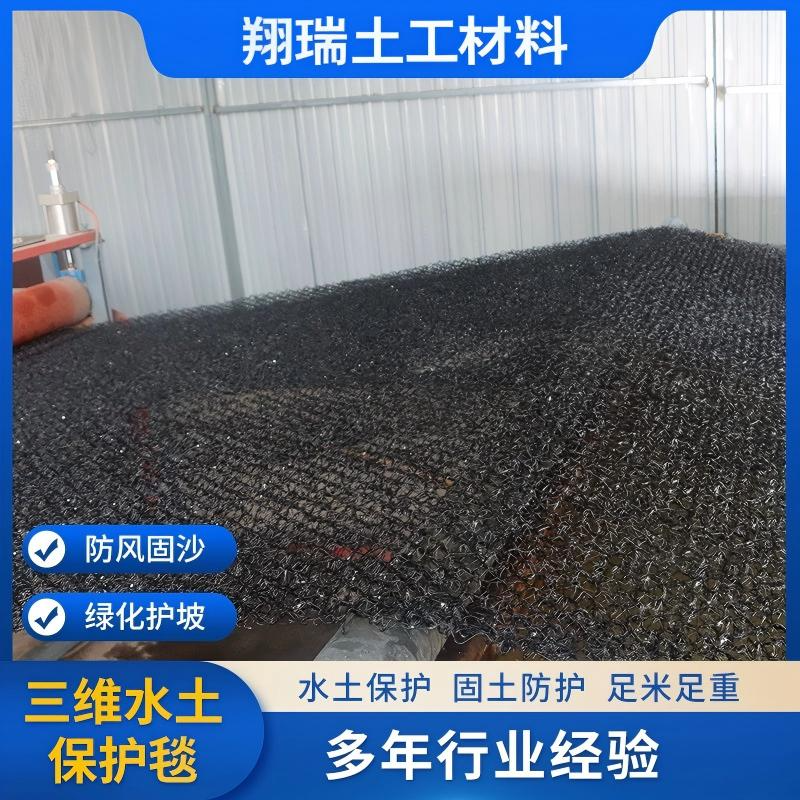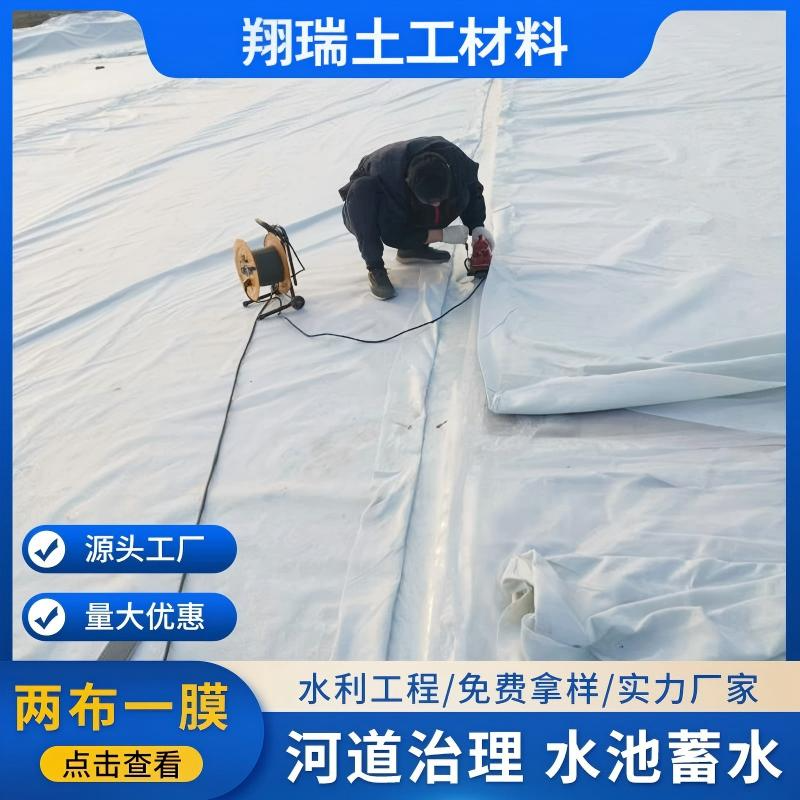

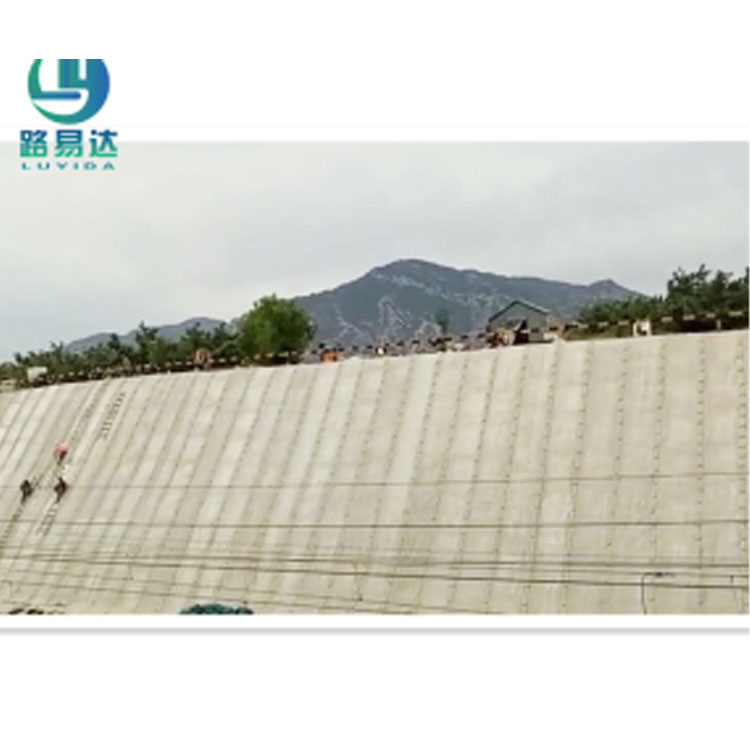


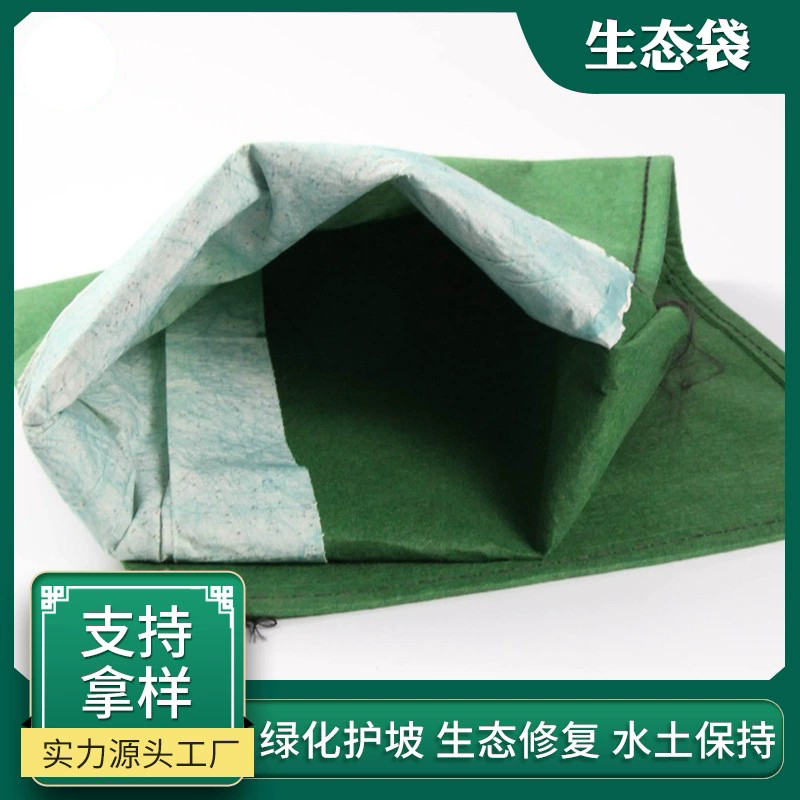





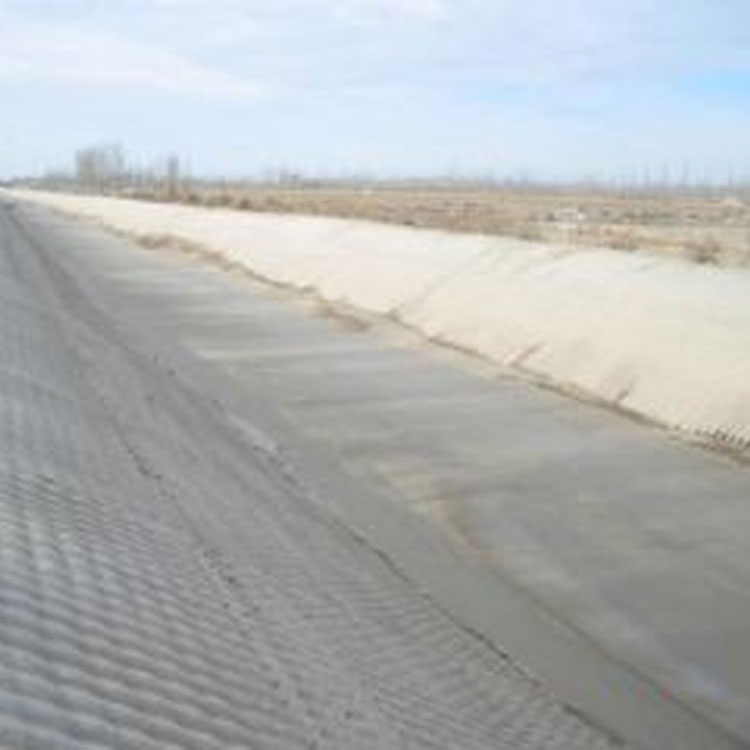
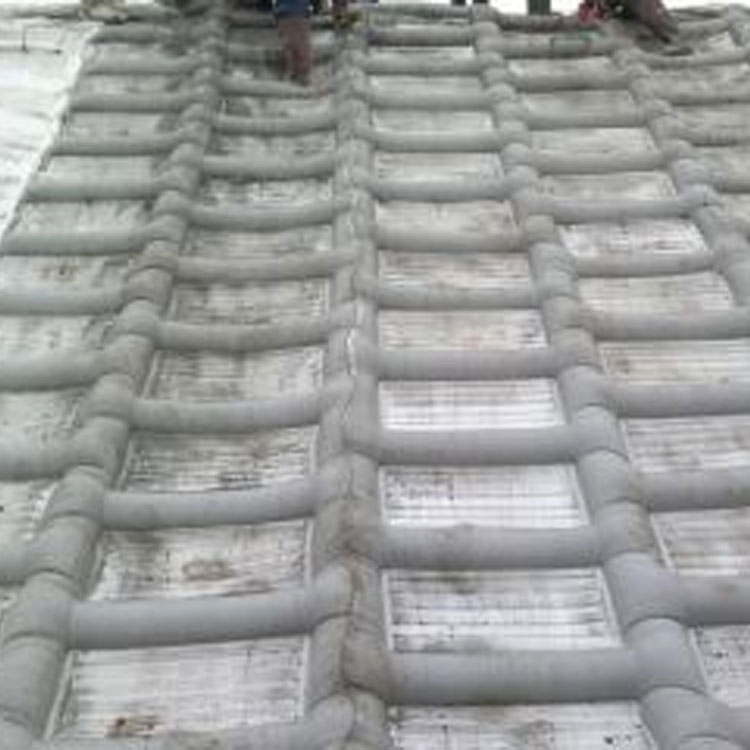
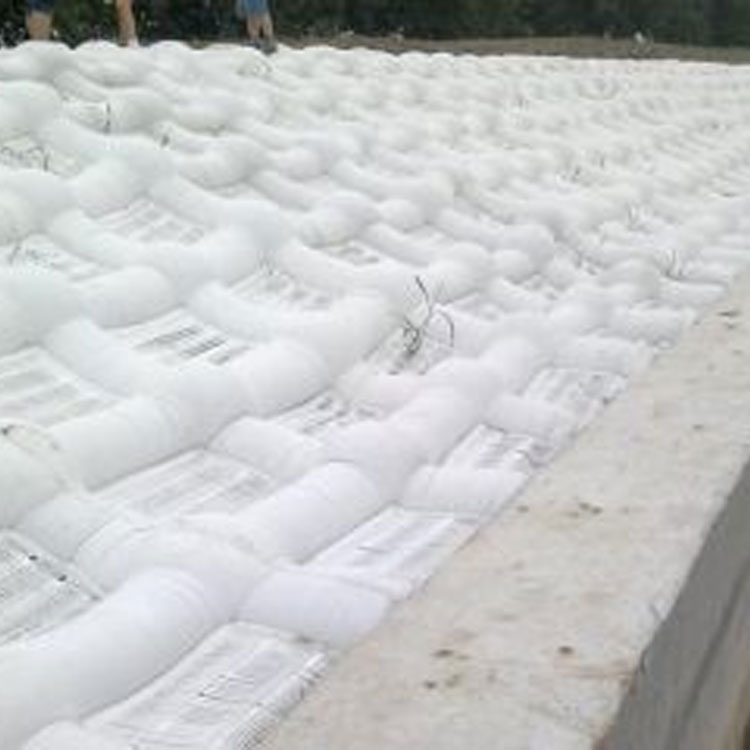
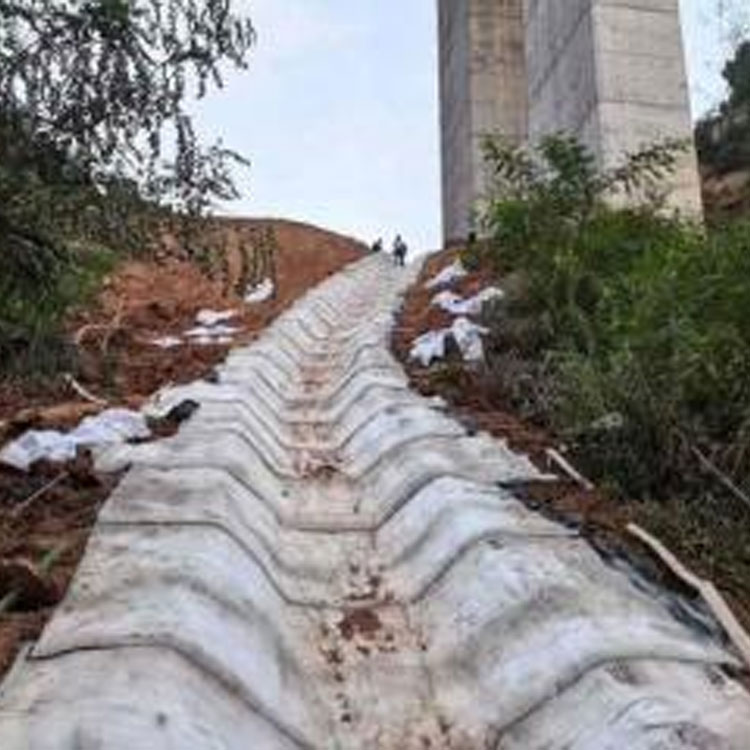
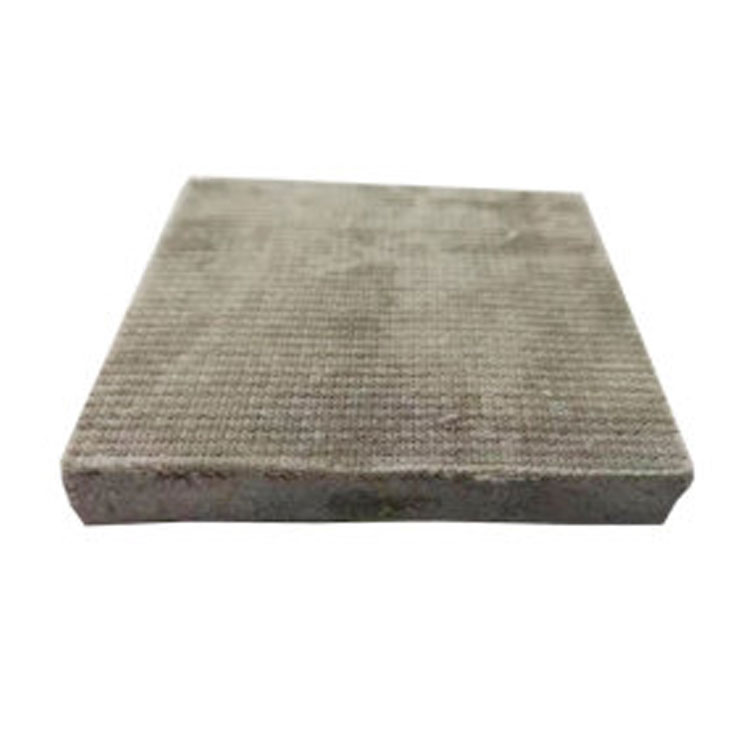

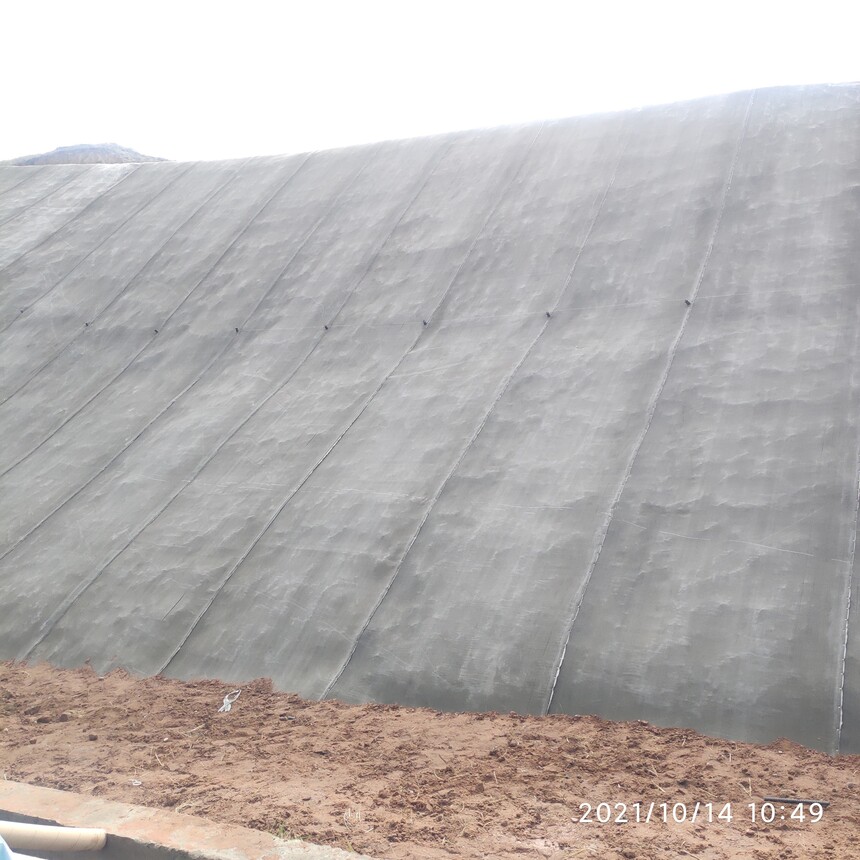
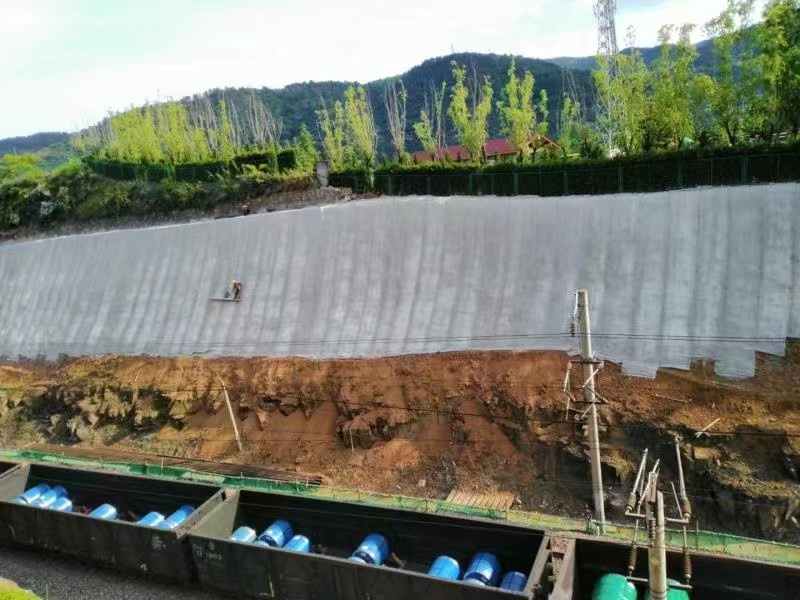
Cement mat, also known as composite mat or concrete canvas, is a new type of composite engineering material that combines cement with textile fiber technology. It incorporates waterproof and multifunctional concrete powder into a fiber matrix, forming a durable concrete layer with the desired shape and hardness simply by watering. The bottom is lined with a waterproof underlay, eliminating the need for on-site mixing. It can be laid according to terrain and technical requirements, with uniform watering or soaking the mat in water to initiate the reaction. Once cured, the fibers reinforce the strength of the composite mat, preventing cracking. This unique material boasts the toughness of textiles combined with the longevity and strength of concrete. It has excellent flexibility, allowing for both vertical hanging and laying in trenches. It can be cut to any size as needed. Weighing only 15 kg per square meter, it is highly convenient for transportation. It can be widely used in areas such as railroads, highways, water conservancy, and agricultural irrigation, including flood control embankments, dam leakage treatment, breach control, slope stabilization, and waterproofing projects.

Product Specifications: Thickness: 10mm, Width: 1.2m/1.6m/2.0m, Length: 5~40m, customizable.
Section 3: Key Features of Cement Mat
1) Easy to use
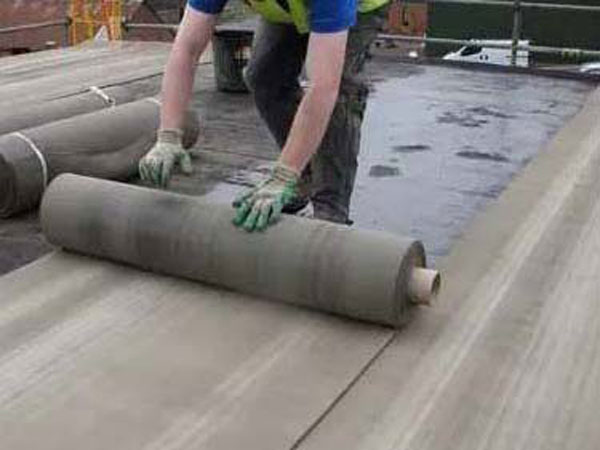
Cement mats are available in large rolls for bulk supply. They can also be supplied in rolls for easy manual handling and transportation, without the need for heavy lifting equipment. The concrete is pre-mixed according to scientific ratios, eliminating the need for on-site mixing and preventing excessive hydration issues. They can set and solidify both underwater and in seawater.
2) Rapid curing and shaping
Once hydration occurs after watering, the cement mat can still be processed for necessary size and shape adjustments within 2 hours. Within 24 hours, it hardens to 80% of its strength. It can also be formulated to achieve rapid or delayed setting according to the customer's special requirements.
3) Environmentally friendly
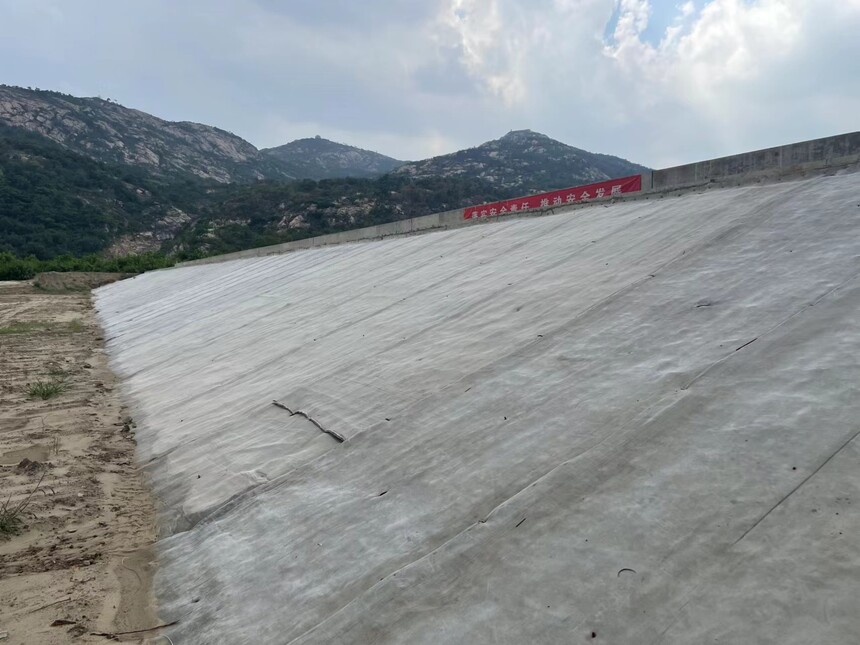
Cement mat is a low-quality, low-carbon technology. In many applications, the amount of material used is 95% less than conventional concrete. It has limited alkali content and very low leachate rate, thus having minimal impact on the local ecology.
4) Application Flexibility
Cement mats exhibit excellent drape, conforming to the complex shapes of the surfaces they cover, even forming doubly curved shapes. Before curing, cement mats can be easily cut or trimmed using standard hand tools.
5) High material strength
The fibers within the cement mat enhance material strength, prevent cracking, and can absorb impact energy, forming a stable failure mode.
6) Long-lasting durability
Cement mats offer excellent chemical resistance, are resistant to erosion by wind and rain, and do not degrade under UV light.
7) Waterproof characteristics
The cement mat features a polyethylene (PVC) backing, providing complete waterproofing and enhancing the material's chemical resistance.
8) Fire-resistant properties
Cement mats are non-flammable, possess excellent flame-retardant properties, emit minimal smoke during combustion, and have a low discharge of hazardous gases. The cement mats have achieved the B-s1, d0 grade of the European building materials flame-retardant standard.
9) Shorten the project timeline
Utilizing this new material can save 90% of the materials and reduce the construction time by 60%, significantly cutting down on time and labor costs.