


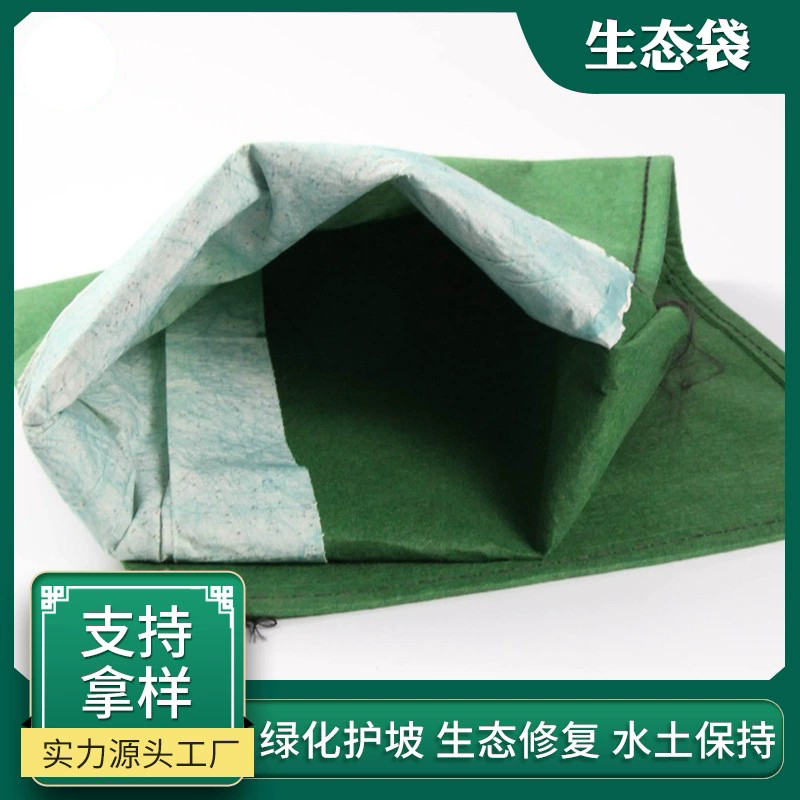





Product Description:
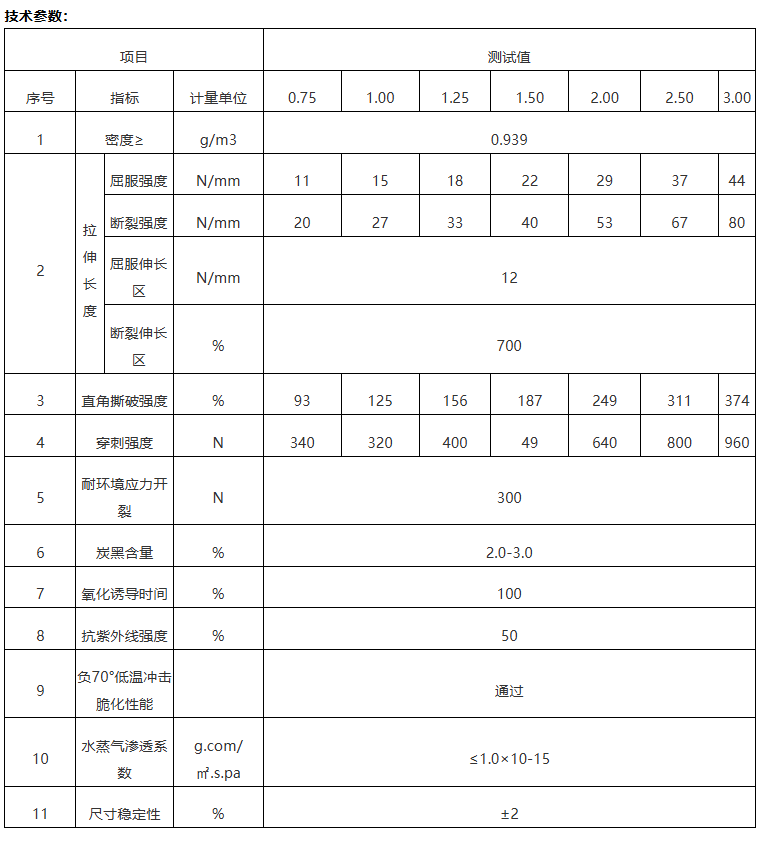
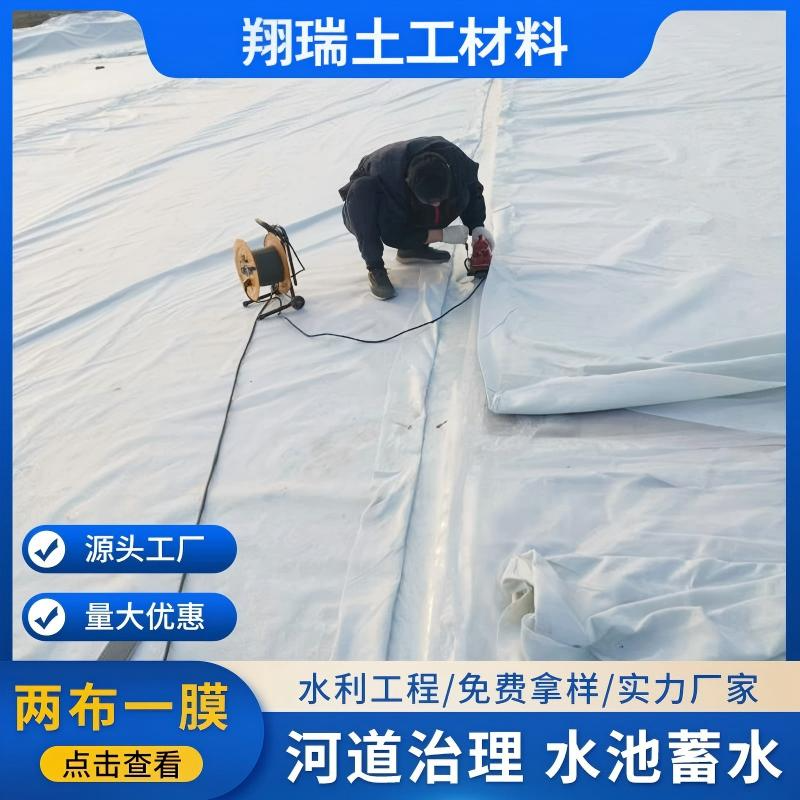
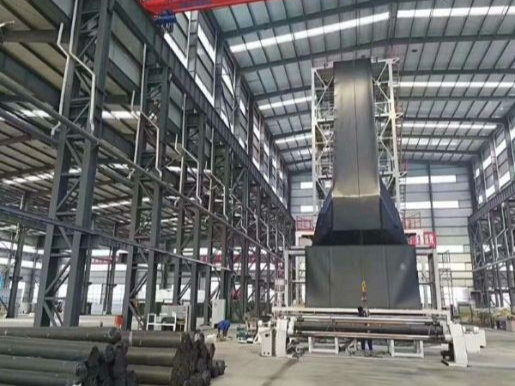
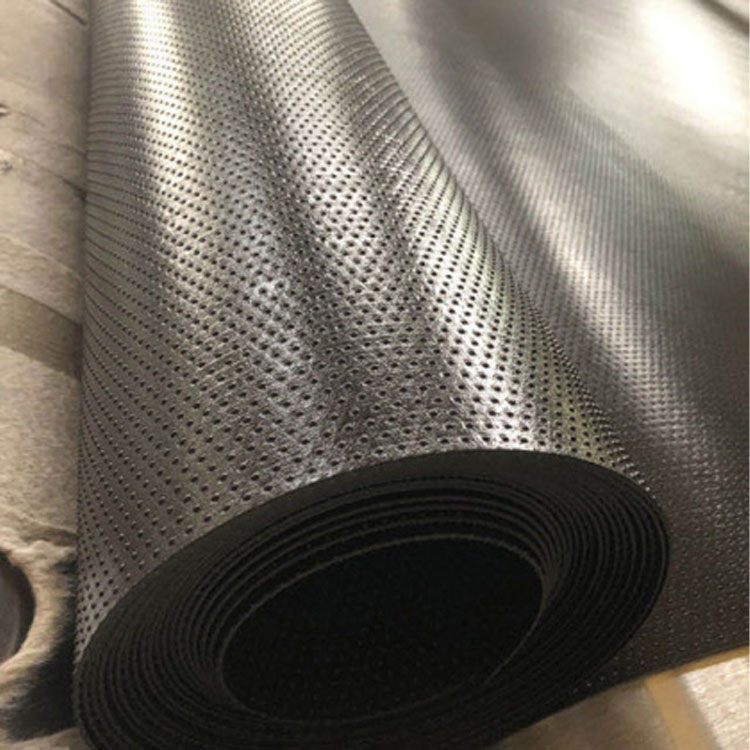
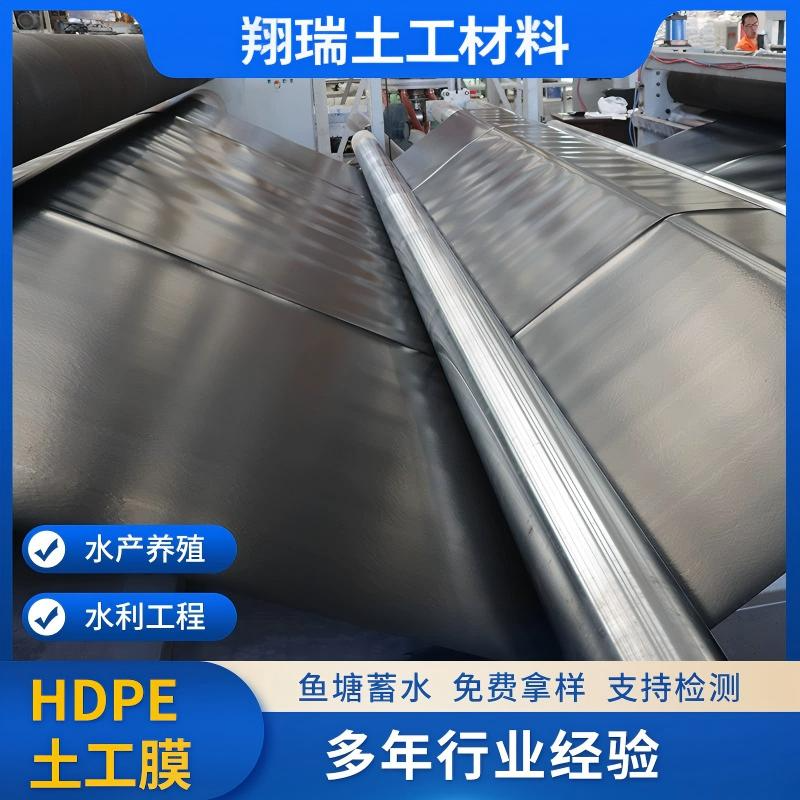
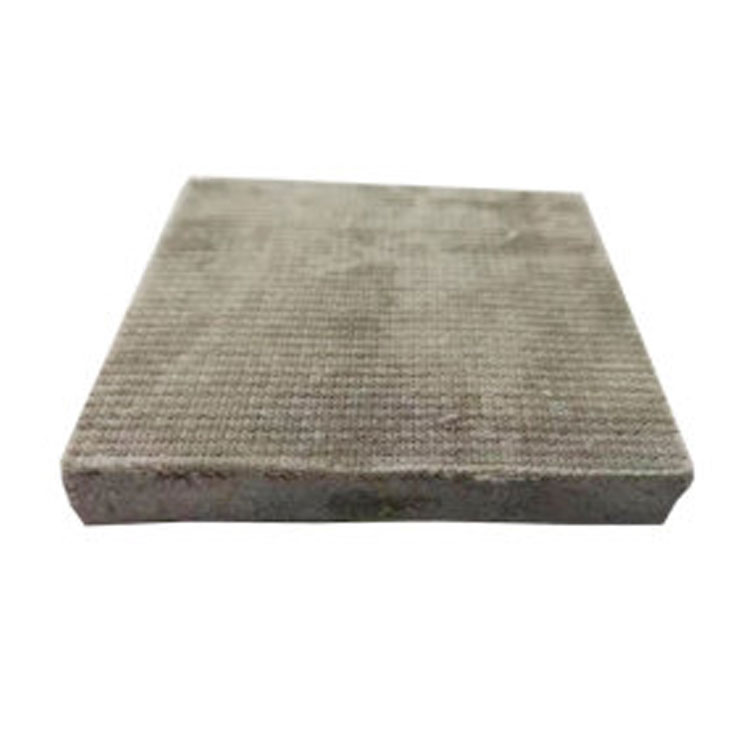
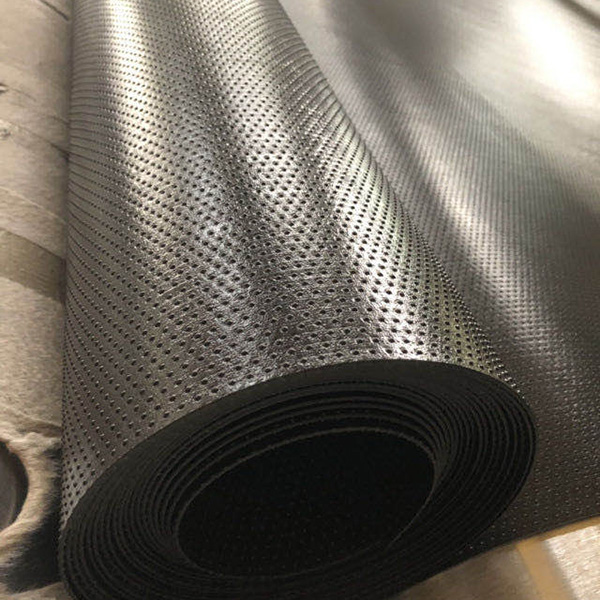
Geotextile membrane (also known as waterproofing membrane), thickness ranging from 0.2 to 3m, and over 0.8mm thickness is referred to as waterproofing board. It is a waterproof and barrier material primarily made from high-density polyethylene (HDPE) raw resin. The main component is 97.5% HDPE, with approximately 2.5% of carbon black, anti-aging agents, antioxidants, UV absorbers, stabilizers, and other additives, offering strong waterproof and isolation properties.

Application Scope:
Environmental Protection and Sanitation: such as landfill for domestic waste, sewage treatment plants, power plant regulating ponds, and industrial solid waste, etc.
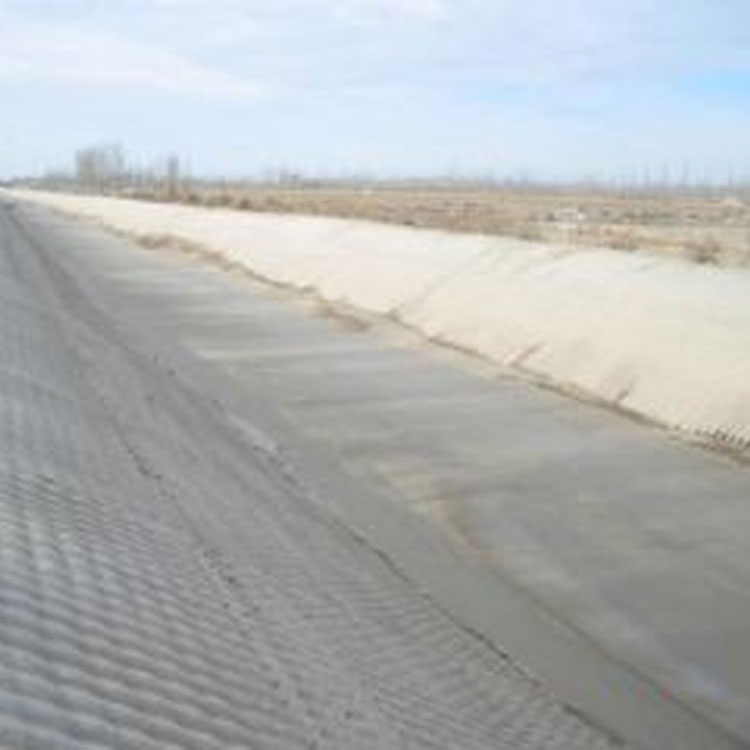
Hydrology: Seepage prevention, leakage plugging, reinforcement, seepage control for canals, vertical core walls, slope protection, etc.
Municipal engineering: subway construction, underground works for buildings, green roofs, waterproofing for roof gardens, internal lining for sewage pipes, etc.
Garden: Artificial lakes, waterways, reservoirs, golf course pond liners, slopes, green lawns with waterproof and moisture-proof treatments.
Petroleum: Tank lining for chemical and oil refineries, gas stations, chemical reaction pools, sedimentation pools, and secondary linings.
Mining: lined sumps, leach pads, ash ponds, dissolution tanks, sedimentation ponds, stockpiles, and bottom liner for tailings.
Traffic Facilities: Road foundation reinforcement, culvert seepage prevention.
Agriculture: Leak-proofing for reservoirs, drinking water pools, water storage ponds, and irrigation systems.
Aquaculture: Lining for intensive and factory-style fish ponds, shrimp ponds, abalone enclosures, and slope protection.
Salt Industry: Salt field crystallization ponds, brine ponds with covers, salt pond plastic tarpaulins, etc.
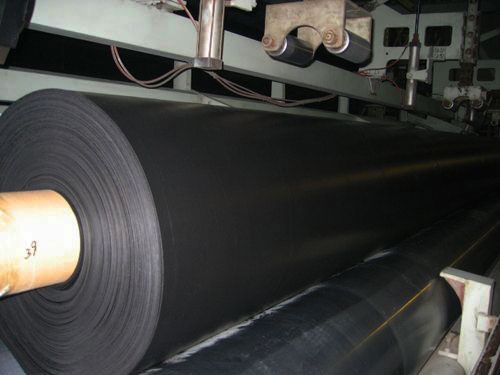
Construction Method:
Do not drag or pull the geotextile membrane roughly during transportation; avoid sharp objects piercing it.
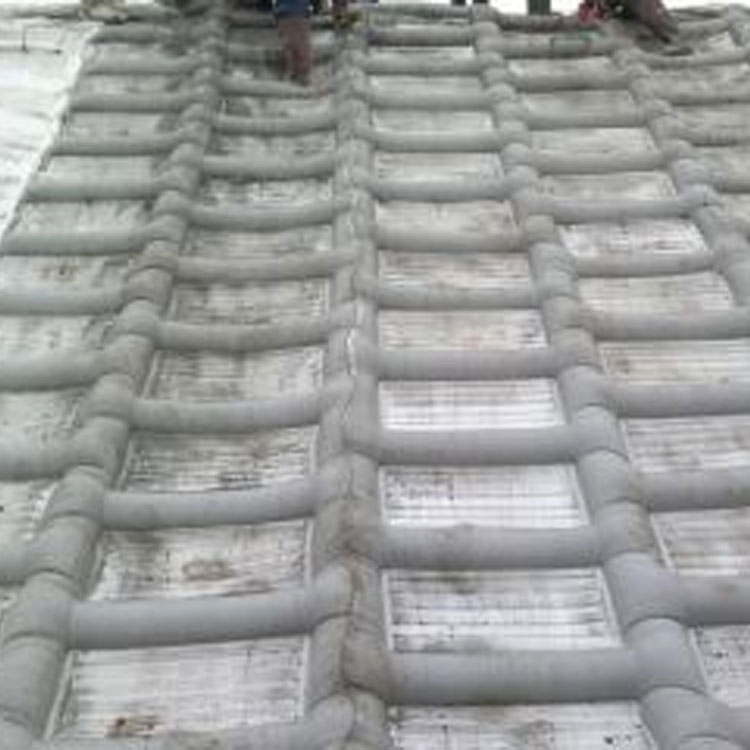
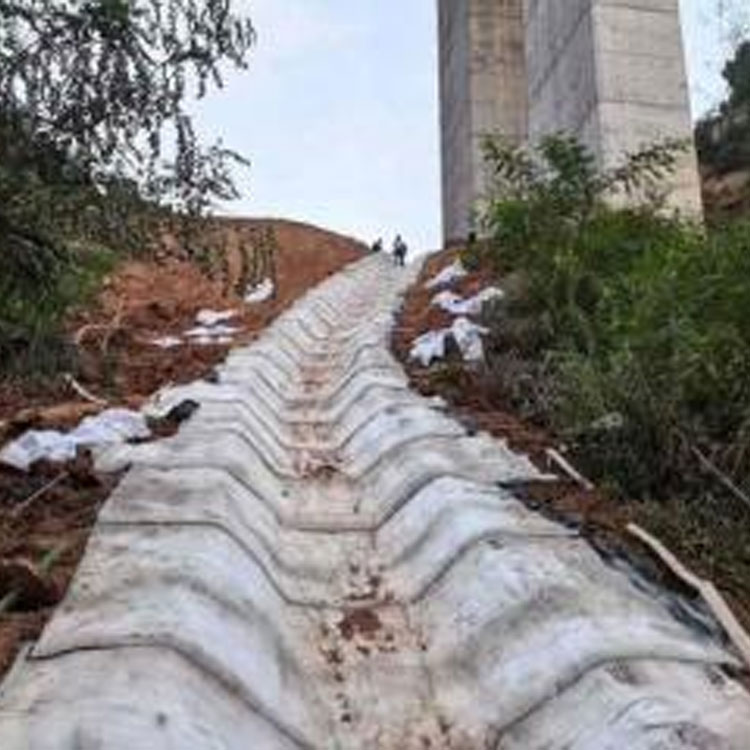
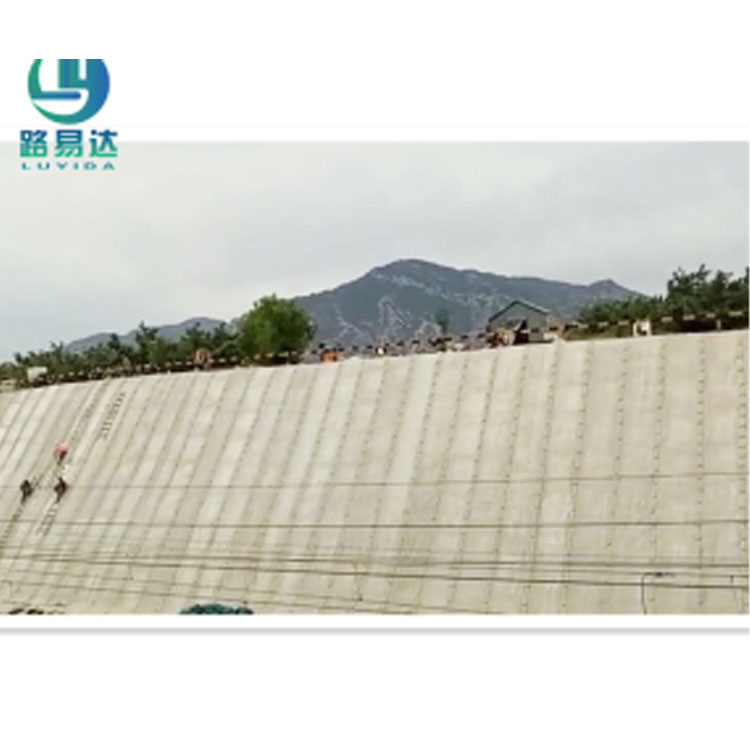
1. Extend from the bottom to the top, avoiding over-tightening, and leave a 1.50% allowance for local sinking and stretching. Considering the actual conditions of this project, the slope is laid in an order from top to bottom.
2. The longitudinal joints between adjacent panels should not be aligned in a single horizontal line; they should be staggered by at least 1 meter.
3. Vertical joints should be located more than 1.50m above the dam foot and bend corners, and should be set on a flat surface.
4. First the slope, then the field's bottom.
5. When laying on the slope, the direction of the membrane should be generally parallel to the line of greater slope.