








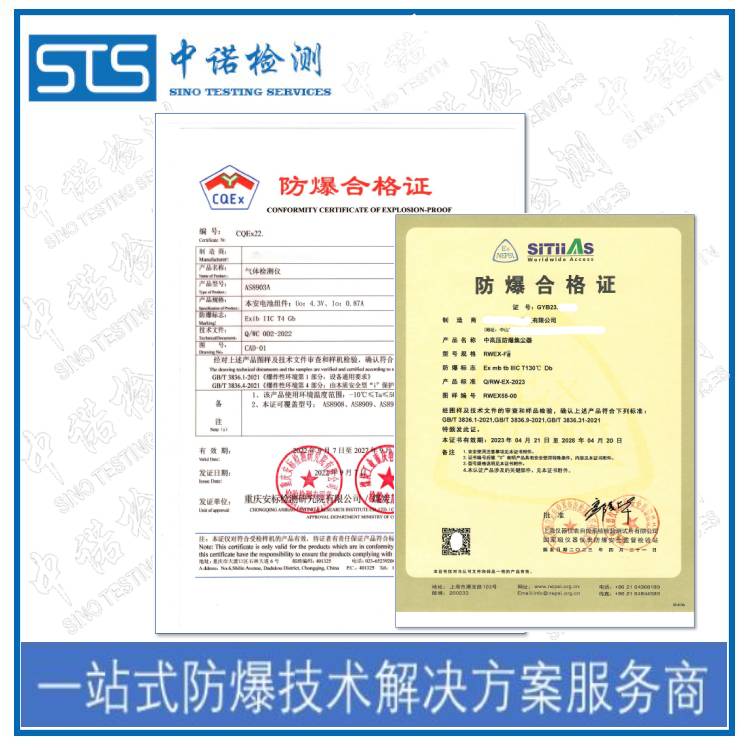
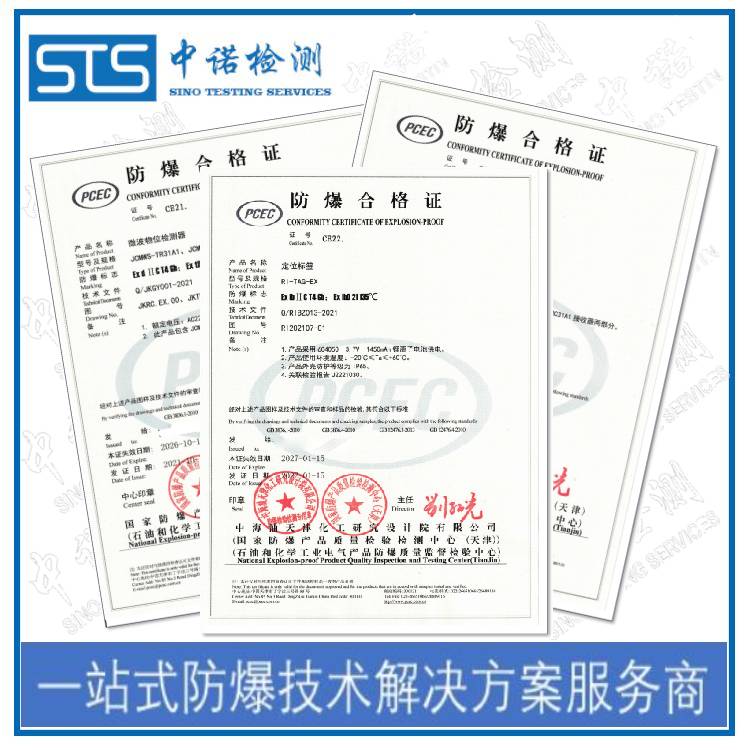
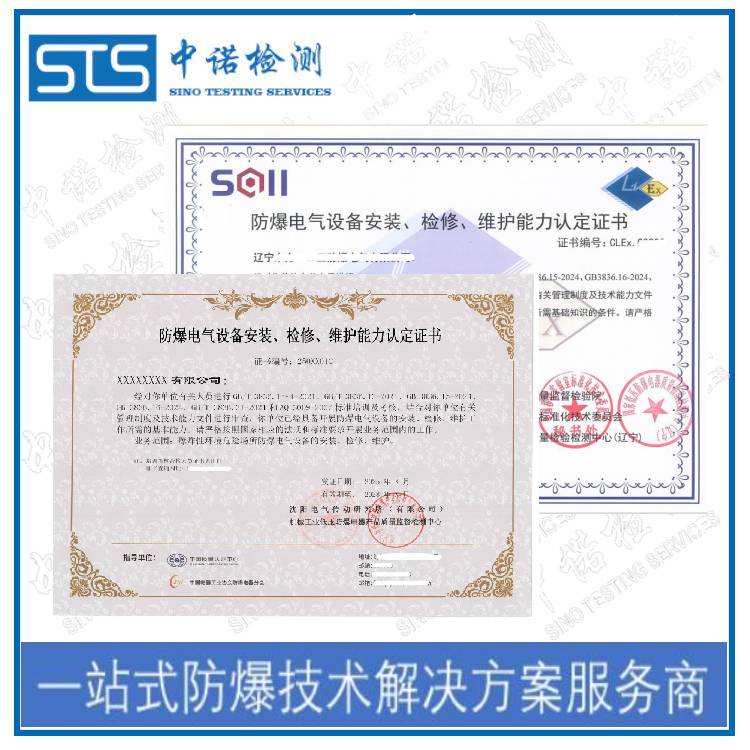
Explosion-proof and intrinsic safety are two different types of explosion protection, with the main differences as follows:
Principle of Explosion-Proof
Explosion-proof typically involves protecting with a sufficient thickness and strength of explosion-proof casing. Even if an explosion occurs inside the equipment, the flame will be extinguished due to factors such as the width, gap, and roughness of the mating surfaces of the casing, preventing ignition of the external hazardous environment. On the other hand, the explosion-proof casing also offers anti-explosion performance in case of an explosion in the external hazardous area. In summary, the explosion-proof casing is both explosion-resistant and anti-explosion, although the equipment may be rather bulky.
intrinsic safety, which refers to equipment achieving safety through limiting circuit energy, etc. Intrinsic safety products have higher requirements for equipment circuits and working power, and are generally suitable for handheld devices, low-power products, etc.
Application Scenarios:
Explosion-proof types are typically used for larger or heavier electrical equipment due to the requirements for the strength and thickness of the outer shell. These devices require higher safety performance when operating in explosive environments.
The explosion-proof type is more suitable for applications with limitations on equipment size, weight, and power, such as handheld devices or small instruments.
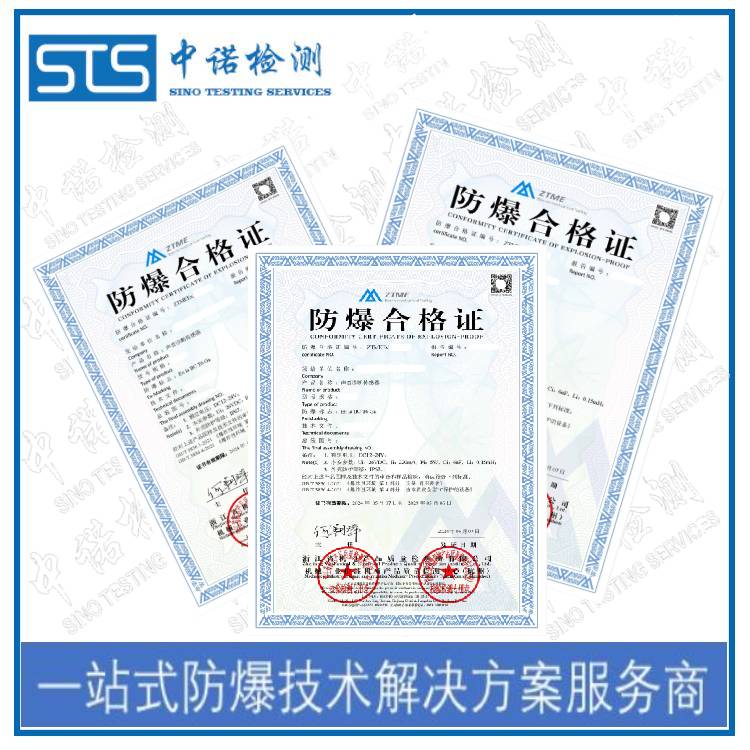
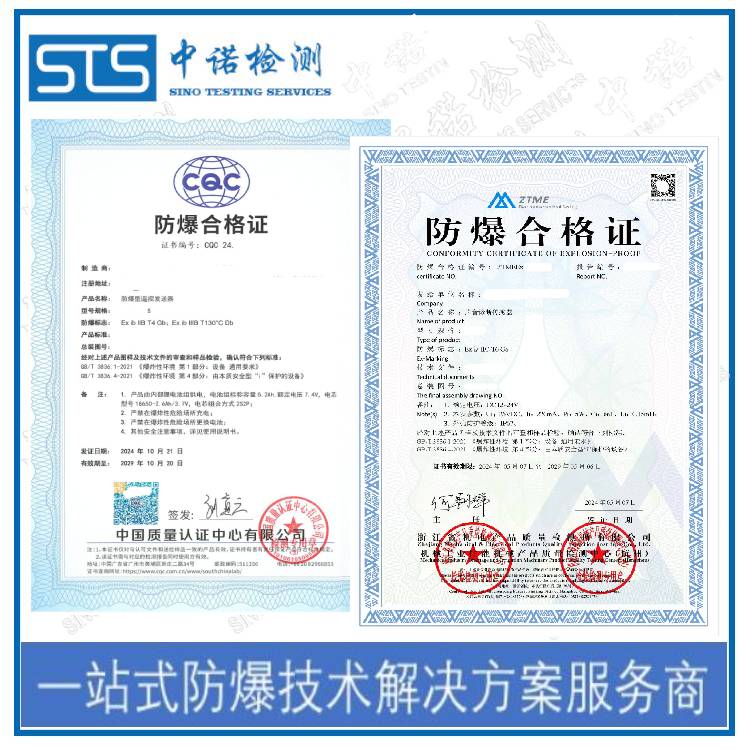
In summary, explosion-proof and intrinsic safety each have their unique principles and applicable scenarios. If you have specific application scenarios or requirements,Shenzhen ZhongNuo Inspection Technology Co., Ltd.Our explosion-proof engineer can provide you with more specific advice and solutions.