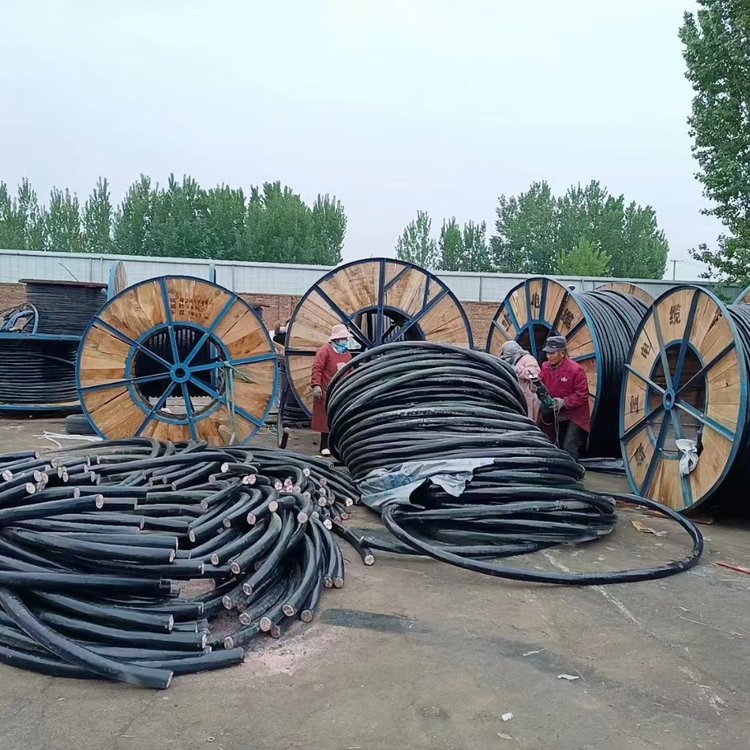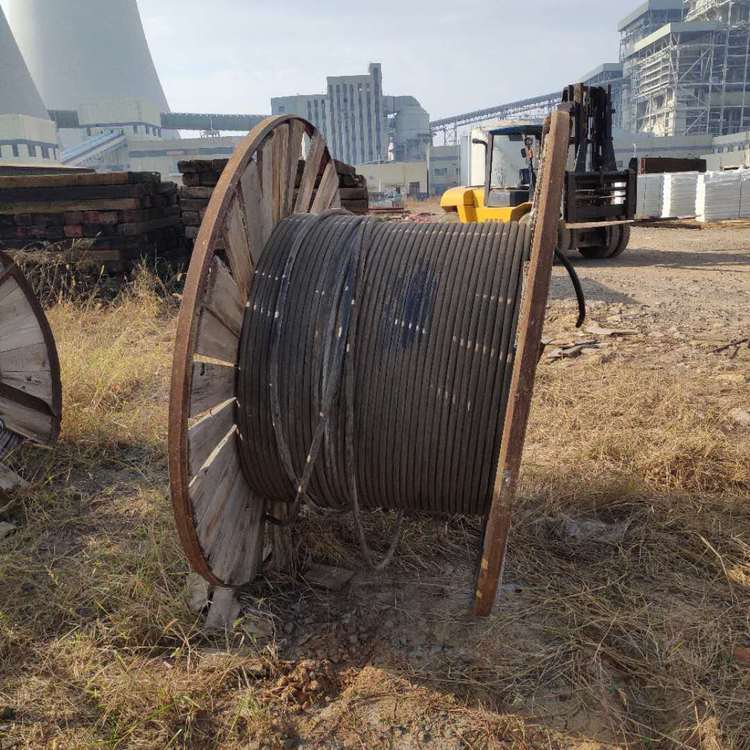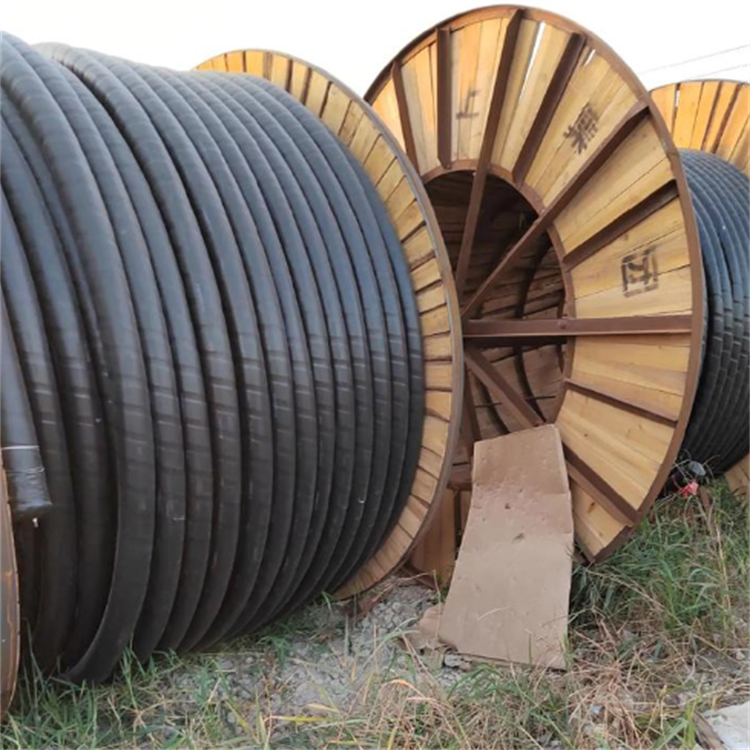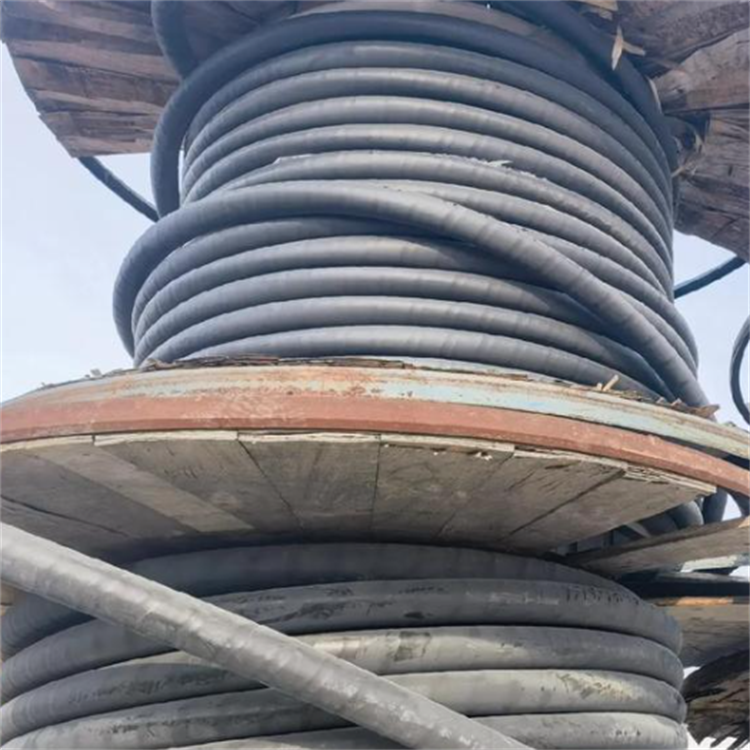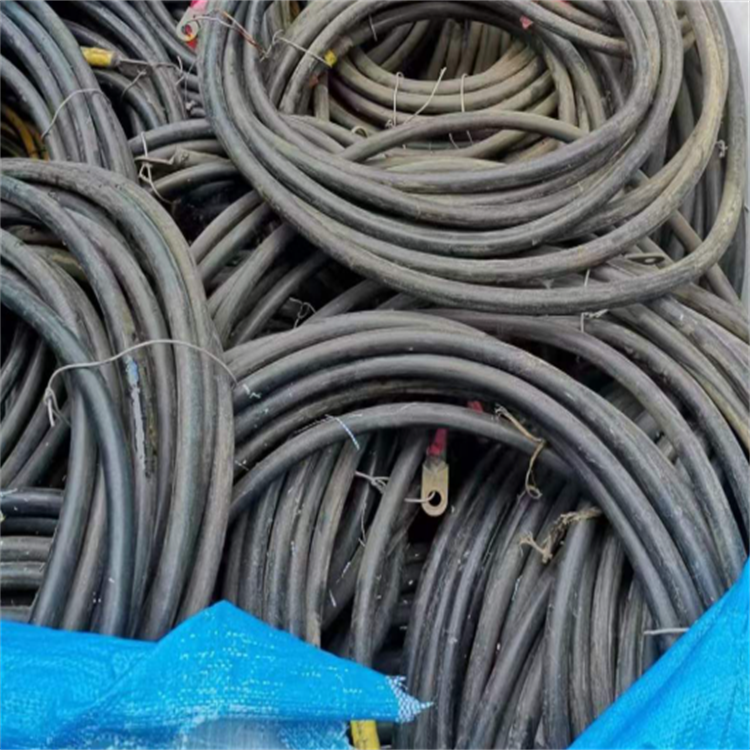












Cable and wire recycling is a task that offers both environmental and resource recycling benefits, as it reduces pollution from discarded cables (such as plastic sheaths and heavy metals) and recovers valuable metals like copper and aluminum, as well as recyclable materials like plastics and rubber.Toll-free consultation hotline: 139-7117-4065 Below, from five dimensions including recycling process, material classification, recycling methods, precautions, and industry significance, we provide a detailed introduction to the knowledge of wire and cable recycling:
The recycling of scrap wire and cable must follow the logic of "classification - disassembly - purification - reuse," with specific steps as follows:
Recycling Collection: Collecting discarded cables from various sources such as industrial facilities (like factory淘汰 lines), construction sites (leftover cables), residential areas (home renovation replacements), and scrap recycling stations. Initially sort them based on "material" and "specification" (e.g., distinguishing copper-core cables from aluminum-core cables) to prevent mixing, which could affect future value.
Pre-treatment (stripping/peeling): Remove the sheath (plastic or rubber materials) from the cables using equipment or manually, separating the "metal core" from the "non-metallic sheath."
Small/Thin Wire Cables: Typically stripped using a manual/electric剥线机, offering high efficiency and reduced metal loss.
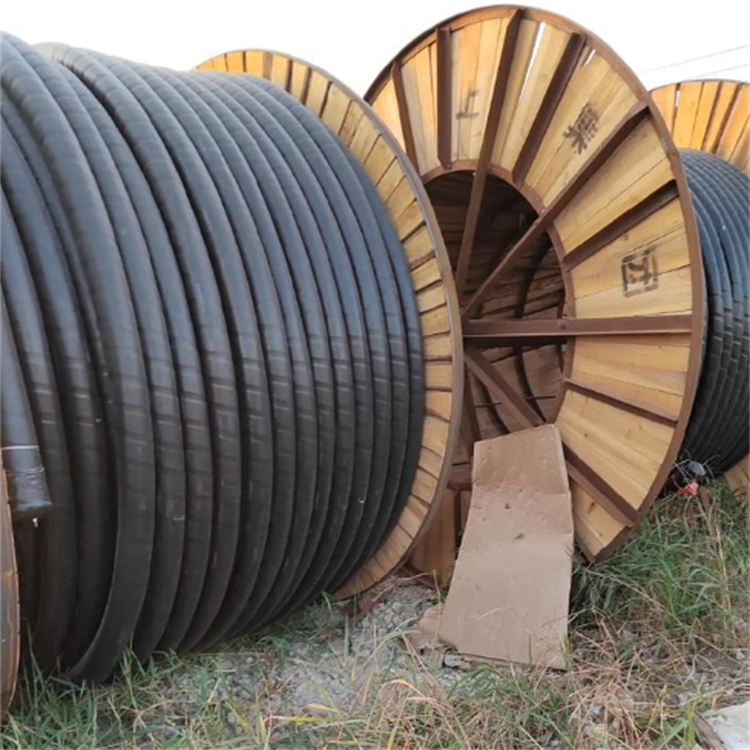
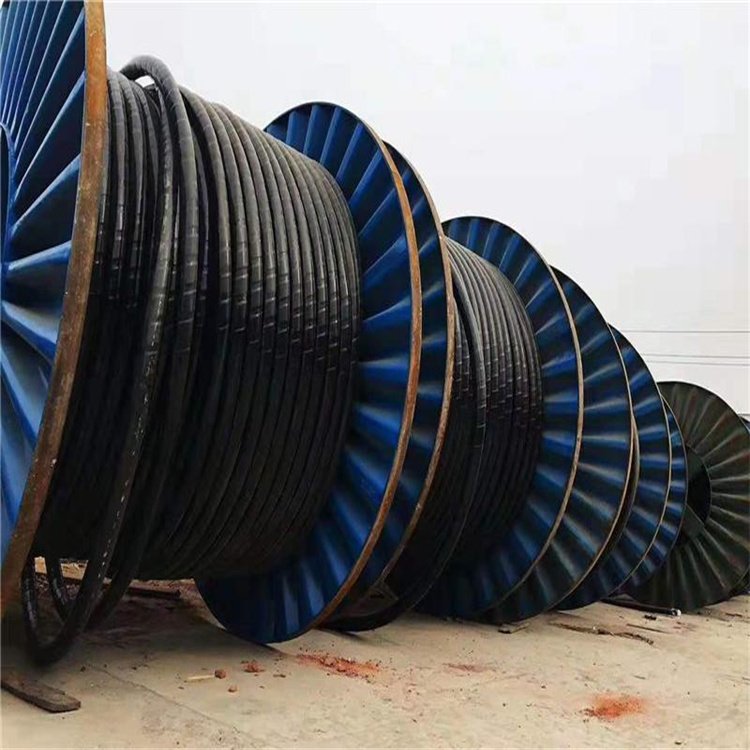
Large / Coarse Wire Cables (such as high-voltage cables): First cut with a cable cutter or a ring cutting machine, then separate the core wire from the sheath by either "hot stripping" (low-temperature heating to soften the outer skin) or "mechanical stripping."
Metal Purification and Processing:
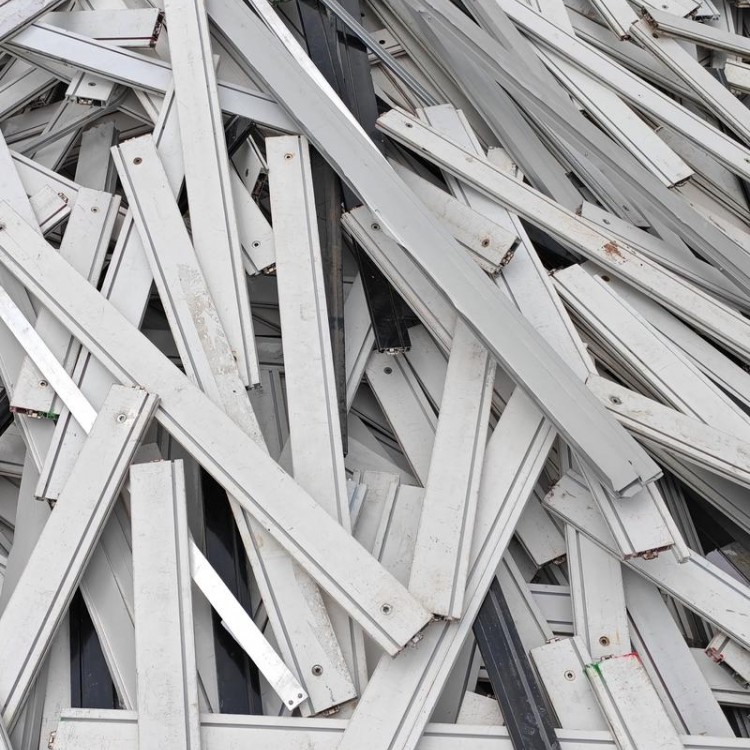
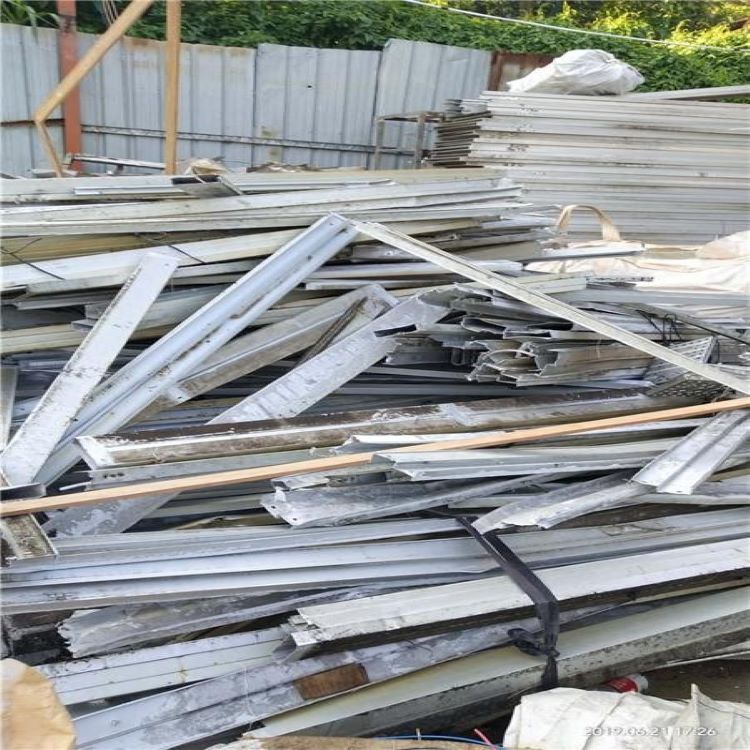
Copper/Aluminum Core Processing: After separating the copper and aluminum cores, they are individually cleaned to remove surface remnants and impurities. Then, they are melted at high temperatures in a furnace, resulting in cast copper and aluminum ingots (purity over 99.5%) for reuse as metal raw materials in industries such as wire and cable, hardware, etc.
Non-metallic sheath processing: Plastic (such as PVC, PE) and rubber sheaths, after being crushed, cleaned, and granulated, are made into recycled plastic granules, used for producing new plastic pipes, injection molded parts, etc.; rubber can be processed into recycled rubber, used for manufacturing seals, soles, etc.
Finished Sales / Reuse: Refined metal ingots, recycled plastic granules, etc., sold to cable manufacturers, metal processing plants, or plastic factories to complete the "waste - recycle - reprocess" cycle.
Various types of waste cables have significantly different recycling values and processing methods. The core categories are as follows:
III. Common Recycling Methods
Based on the recycling entity and scenario, it is primarily divided into the following 3 categories:
Individual/Household Scattered Recycling
Channels: Residential waste recycling stations, mobile waste collectors (attention must be given to fair weighing to prevent "shortweight" or "underweight").
Applicable to: old electrical wires for home renovation, and scattered cables from disassembled household appliances (quantity is limited, primarily copper-core wires).
Note: The outer casing can be easily peeled off before sale (some recyclers purchase at "with casing" price, but the per-unit price of the metal core is higher after peeling, though labor costs must be considered).
Corporate / Factory Bulk Recycling
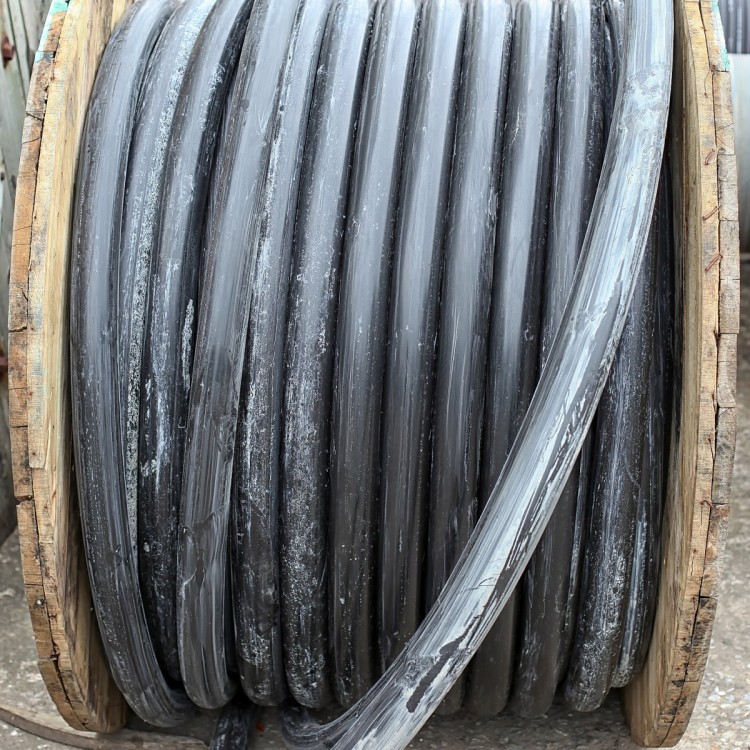
Scenario: Large quantities of obsolete cables generated from factory equipment upgrades and project completion, such as unused spools of cable and outdated high-voltage cables.
Cooperation Model: Directly engage with recycling companies (not small recycling stations), who will provide on-site assessments (quoted based on material, specification, and weight) and offer compliant recycling certificates (to avoid environmental risks).
Advantages: Bulk recycling offers more competitive pricing, and recycling companies can provide on-site dismantling and transportation services, reducing the enterprise's disposal costs.
Recycling Platform / Online Channels
Format: Post recycling needs on recycling resource platforms (such as "Recycling Resource Network," "Recycler Brother," etc.) or contact the online customer service of local legitimate recycling companies.
Features: Transparent pricing (refer to the current copper and aluminum market prices), some platforms offer "evaluation before recycling" service, suitable for businesses or individuals sensitive to recycling prices and seeking compliance.