













I. Basic Definitions and Classification
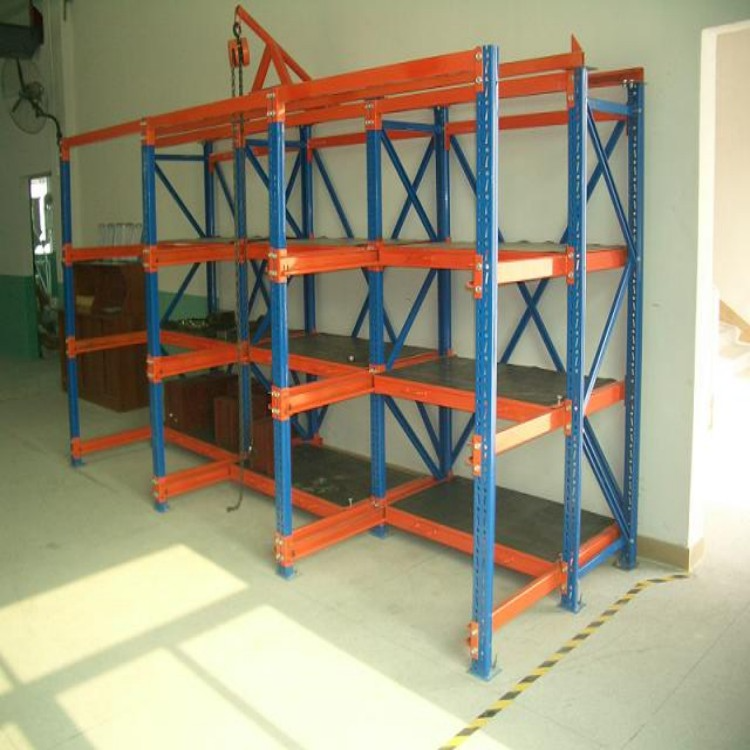
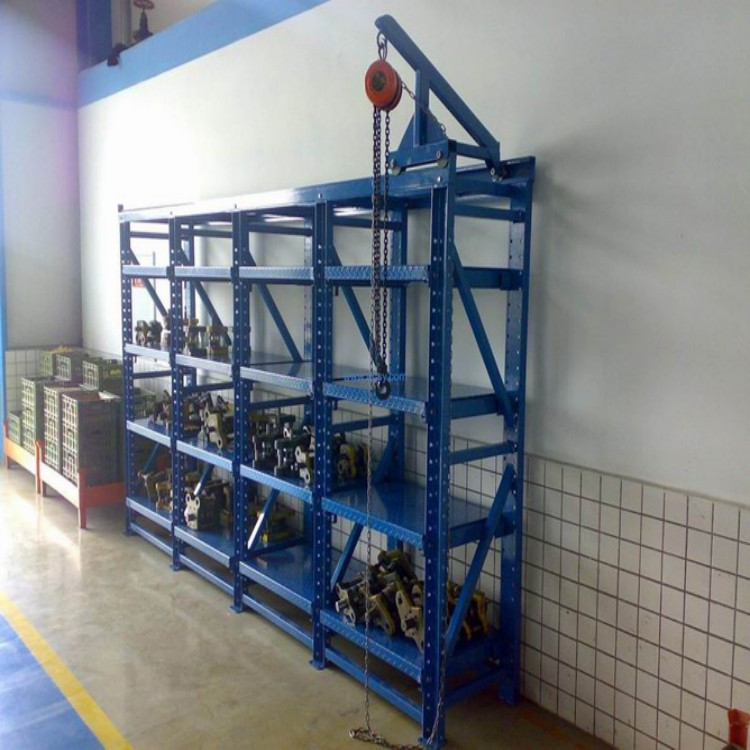
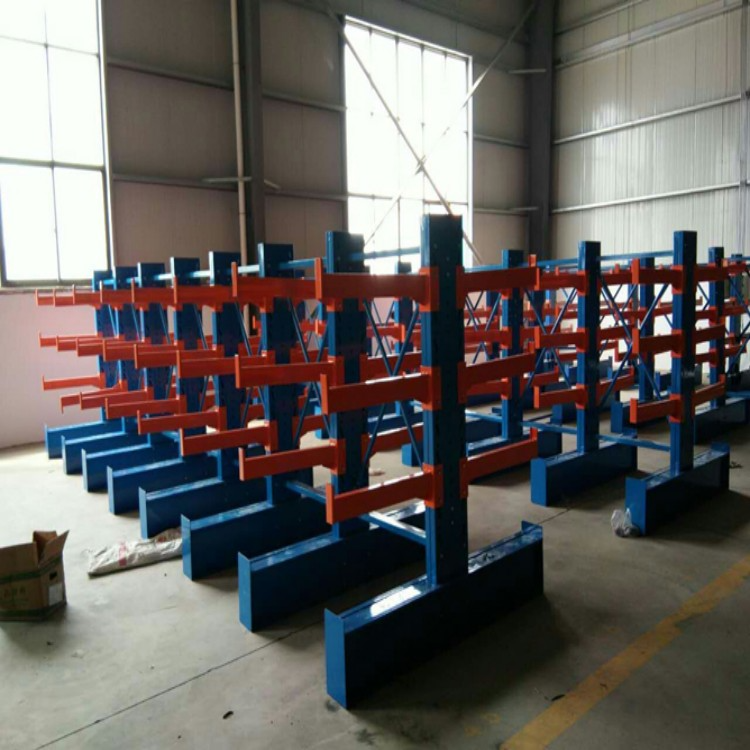
Mold racks, also known as mold stands or drawer-style shelves, are storage equipment specifically designed for housing various molds (such as plastic molds, metal molds, die-casting molds, etc.). Their core feature is the drawer-style structure, with shelf plates sliding in and out on tracks for easy and quick storage and classification of molds. Mold racks can be categorized by their load capacity:
Lightweight mold shelves: Layer load capacity of 200-800kg per layer, suitable for storing small to medium-sized molds.
Heavy-duty mold shelves: Layer load capacity of 800-3000kg per layer, customizable for higher weight-bearing (such as fully open mold racks with a single layer load capacity up to 3 tons), suitable for storing large and heavy-duty molds.
II. Core Structure and Materials
1. Structural Composition
Pillars: Composed of columns and rods, the columns are made from channel steel or high-quality Q235 steel strips, while the rods enhance overall stability.
Guiding slot: Installed on the column strip, used for guiding the drawer slide.
Drawer shelf: Composed of sliding tracks, drawer tray frame, and steel plate. The sliding tracks feature a bearing assembly design for smooth operation; the drawer tray frame is welded from rectangular tubes and bent parts, with a steel plate laid on top to bear the molds.
Positioning Device: Includes positioning pins and limit pins to prevent drawer shelves from detaching during removal, ensuring operational safety.
Top Structure: Configurable movable hoist cart (manual or electric), convenient for lifting and transporting molds.
Material and Craftsmanship
Pillars: Light-duty mold shelves use 100# channel steel, heavy-duty mold shelves use columns not less than 90×70mm to ensure load-bearing capacity.
Drawer tray: The frame is welded with rectangular tubes and 4.0 bent parts. The steel plate thickness is selected based on load-bearing requirements (such as 1.5mm, 2.0mm, etc.).
Surface Treatment: Common processes include spraying paint, spraying plastic, hot galvanizing, and cold galvanizing. Among them, spraying plastic is widely used, offering both corrosion resistance and aesthetic appeal; hot galvanizing provides excellent rust prevention but is more costly.
III. Features and Advantages
1. Stable and reliable
Sturdy Structure: Bolted assembly ensures a tight fit of components such as column blades, guide slots, drawer levels, etc., resulting in strong overall stability.
Safety devices: Designed with locating pins and limit pins to prevent accidental detachment of drawer layers; additional safety features (such as anti-fall devices) further enhance safety.
2. Lightweight operation
Smooth sliding: The bearing assembly design minimizes drawer layer resistance, allowing for easy pulling out even after loading.
Independent mold hoist: Equipped with a mobile crane trolley at the top, quick lifting and transportation of molds can be achieved without the need for large cranes or forklifts.
3. Save Space
High-Density Storage: The drawer design allows molds to be tightly arranged, with a 3x4 grid standard mold shelf capable of holding dozens of mold sets, occupying minimal floor space.
Space Utilization: Adjustable shelf heights to accommodate storage needs for molds of various sizes; maximizes vertical warehouse space, enhancing storage density.
4. Detailed Categories
Easy to manage: Each drawer shelf can store different molds independently, facilitated by a labeling or numbering system for quick mold identification and location.
Easy maintenance: The drawer shelves can be fully pulled out for easy cleaning, maintenance, and repair of the molds.
5. Flexible Customization
Varying Specifications: Customizable shelf length, width, height, and layers according to mold size, weight, and storage space.
Modular design: Standardized production of components for easy transportation, installation, and disassembly; customizable assembly lengths to accommodate various site requirements.
Section 4: Application Scenarios and Industry Compatibility
Manufacturing Industry
Injection molding, stamping, die casting, and other production processes: Provide a safe and stable storage environment for molds to prevent damage or loss due to haphazard stacking.
Adjacent to the production line or warehouse: Tightly arranged mold shelves for efficient utilization of space resources; supports quick access to molds, reducing production preparation time.
2. Automotive Manufacturing & Electronics Manufacturing
Large Mold Storage: Full-open mold racks offer strong load-bearing capacity and high space utilization, suitable for storing automotive body panel molds, large injection molds, and more.
High-frequency mold change scenarios: Drawer design facilitates quick mold replacement and adjustment, enhancing production line flexibility.
3. Mold Repair and Machining Workshop
Workstation Equipment: As a standard configuration for maintenance workshops, mold shelves facilitate the categorized storage and quick retrieval of molds, enhancing work efficiency.
V. Selection and Usage Precautions
Key Selection Points
Load Matching: Select an appropriate shelving type (light or heavy) based on the mold weight, and leave a certain safety margin.
Size Customization: Determine racking parameters (such as shelf height, depth, etc.) by combining mold size, warehouse height, and forklift lift height.
Material and Process: Prioritize high-quality steel (such as Q235B) and corrosion-resistant treatments (such as electrostatic powder coating) to ensure the shelf's service life.
Safety Device: Verify the completeness and reliability of locating pins, limit pins, and safety devices to ensure operational safety.
2. Standardized Usage
Evenly distributed load: Avoid storing heavy molds in a single layer to prevent shelf deformation or collapse.
Regular inspections and maintenance: Check for loose bolts, worn sliders, and the effectiveness of safety devices; promptly repair or replace any damaged parts.
Standard Operating Procedures: Operate shelves as per the manual, prohibit overloading or tilting molds; when lifting molds with a hoist cart, ensure the hook is aligned with the center of gravity of the mold.