











I. Basic Definitions and Classification
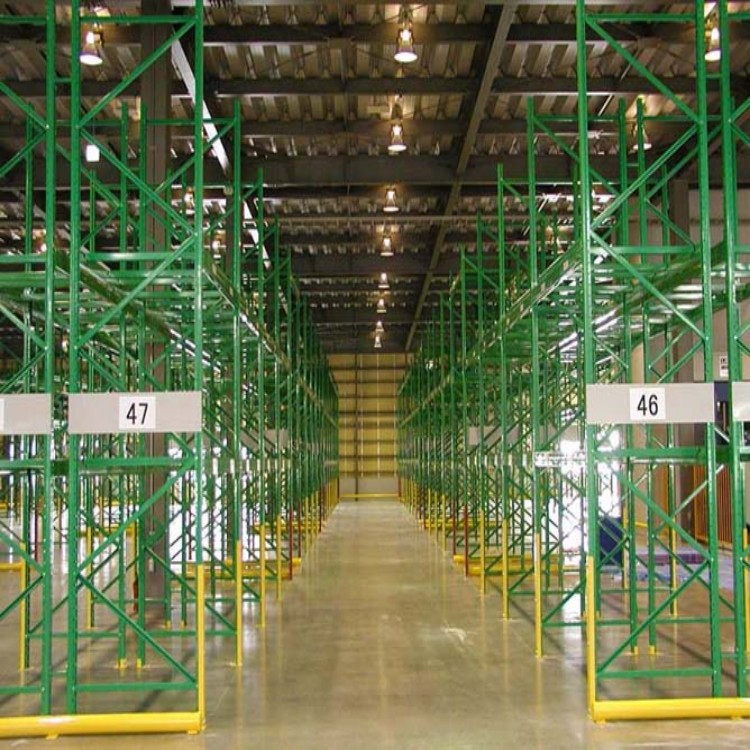
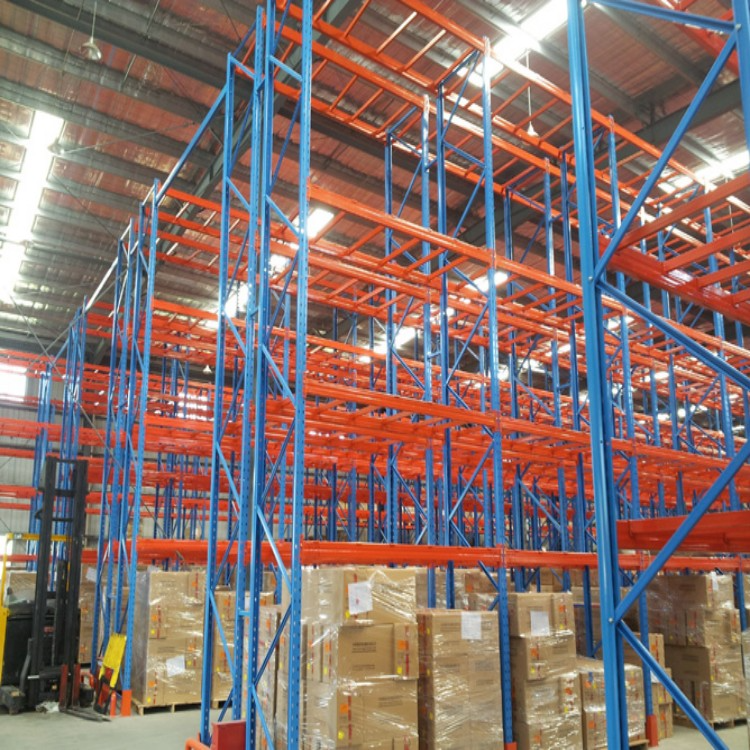
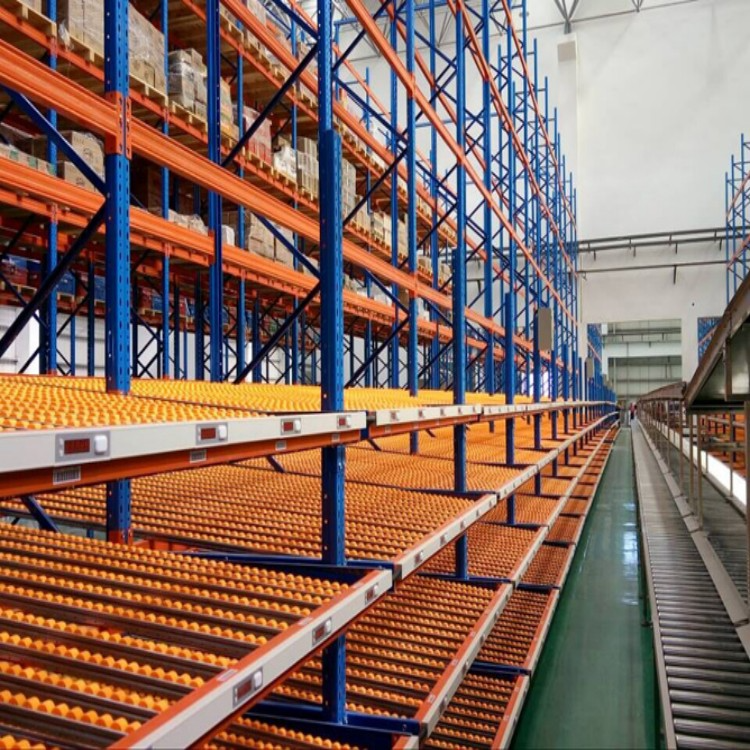
Heavy-duty racking, also known as beam racking or location racking, falls under the category of pallet racking and is one of the common racking types in the warehousing industry. Its core structure is a fully assembled design of column panels and beams, connected by steel clips for insertion, without the need for welding or screw fastening, offering flexible installation and disassembly. Depending on the application scenarios and structural differences, it can be further divided into:
Rack Shelves: Basic model, supported by beams to hold goods, suitable for most warehouses.
Narrow Aisle Racks: With a passage width of only 1.6-2 meters, space utilization is increased by 20%, requiring the use of dedicated narrow aisle forklifts.
Mobile Heavy Duty Shelves: Equipped with bottom-mounted tracks for adjustable aisle positioning, suitable for low-frequency access scenarios.
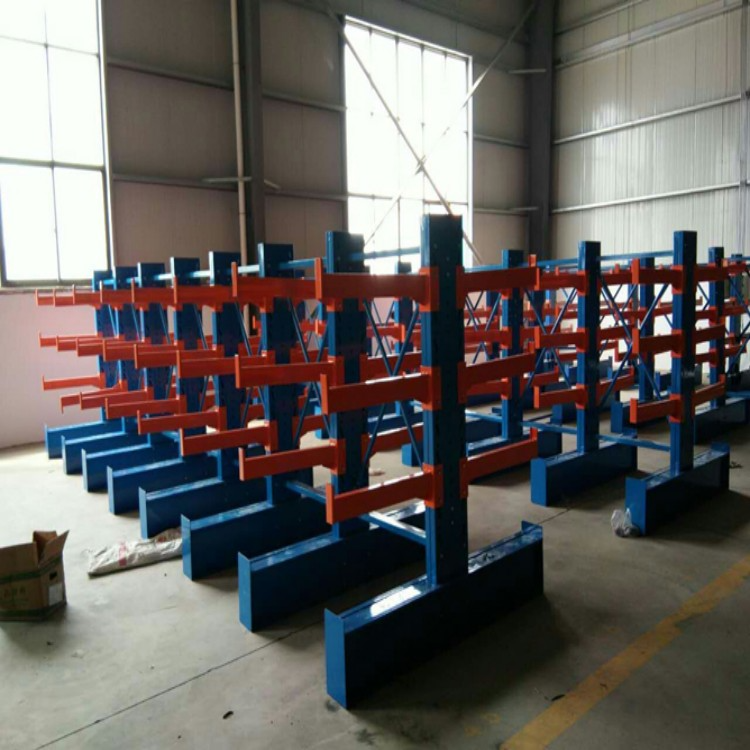
Sliding shelf: Similar to a drawer structure, suitable for storing long-barreled goods (such as pipes, profiles).
II. Core Parameters and Performance
Load-bearing capacity
Single-layer load-bearing capacity: 800-5000kg, higher capacities available upon request (e.g., up to 10 tons for automated warehouses).
Design Basis: Column wall thickness, beam cross-sectional area, and connection method (such as safety pin locking) collectively determine the load-bearing limit.
Please provide the Chinese content that needs to be translated into American English.
Pole Specifications: 90×70×2.0mm (Supports 2 tons), 55×47×2.0mm (Supports 1 ton).
2. Dimensions and Adjustments
Height:
Low and high racks: ≤12 meters (commonly found in standard warehouses).
Extra-high shelving: Up to 30 meters (automated vertical warehouse, assembled from multiple 12-meter pillars).
Span and Depth:
Unit shelf span: ≤4 meters (ensuring beam bending strength).
Depth: ≤1.5 meters (compatible with standard pallet sizes).
Adjustable Height: Columns are equipped with adjustment holes in 75mm increments, allowing for flexible adjustment according to the height of the goods.
Material and Craftsmanship
Poles: Made from cold-rolled steel plates of Q235B or Q355B, formed through processes like leveling, rolling, and punching, with a surface electrostatic powder coating (waterproof and rustproof).
Beam: Cold-rolled P-type closed-section beam or welded flange beam, with strong bending resistance; safety pin installed at the connection to prevent detachment.
Shelving Panels: Available in steel, wooden, or wire mesh options, offering strong load-bearing capacity and wear resistance.
III. Features and Advantages
Storage Efficiency
Goods Selection: Forklifts can directly access any storage position, supporting storage of a variety of products in small or large quantities.
Mechanical Handling: Accommodates counterbalanced forklifts, reach trucks, or stackers for quick retrieval.
Space Utilization
Vertical Expansion: Maximize the vertical space of the warehouse by adding layers (up to 30 meters high) and adjusting layer heights.
Category Management: Accompanied by pallets, container bins, and other packaging equipment, to facilitate categorized storage of goods.
3. Safety
Anti-overload Design: Clear load capacity markings on each level prevent deformation of the shelves due to overload.
Impact-resistant design: Forklift passage预留sufficient space; protective legs and circular tube guardrails are installed at the bottom of the shelves.
Stable structure: Poles and beams are connected using steel clip inserts, with self-locking bolts to prevent loosening.
Cost-effectiveness
Low cost: Fully assembled structure, no welding or professional installation required, saving labor costs.
Longevity: High-quality steel + corrosion resistance treatment, lifespan of over 10 years.
IV. Application Scenarios and Industry Compatibility
Manufacturing industry
Scenes: Storage of raw materials, semi-finished products, and finished goods.
Advantages: High load capacity, suitable for heavy-duty goods such as heavy machinery and auto parts.
2. Third-party Logistics and Distribution Centers
Scenario: Rapid sorting of a variety of goods in small batches.
Advantages: High mechanical retrieval efficiency, supports frequent in-and-out operations.
3. Automated Vertical Warehouse
High-level racks (25-30 meters) paired with stackers.
Advantages: High space utilization, storage density far exceeds traditional shelving.
4. Cold Storage and Special Environments
Storage in low-temperature and humid environments.
Advantages: Available in stainless steel or with corrosion-resistant coating, suitable for harsh environments.
V. Buying and Usage Precautions
1. Selection Key Points
Load matching: Select column and beam specifications based on the weight of the goods, with a 20% safety margin.
Size Customization: Determine shelf parameters based on warehouse height, forklift lift height, and cargo dimensions.
Material and Process: Priority selection of Q235B/Q355B cold-rolled steel, with electrostatic powder coating treatment on the surface.
2. Standard usage
Bottom-heavy, top-light: Prevent shelves from toppling due to uneven weight distribution.
No Overloading: The weight of materials stacked on each level must not exceed the designed load capacity.
Impact Resistance: Maintain low speed during forklift operation to avoid collisions with shelves.
Regular Inspections: Check for loose bolts and beam deformations, and repair promptly.