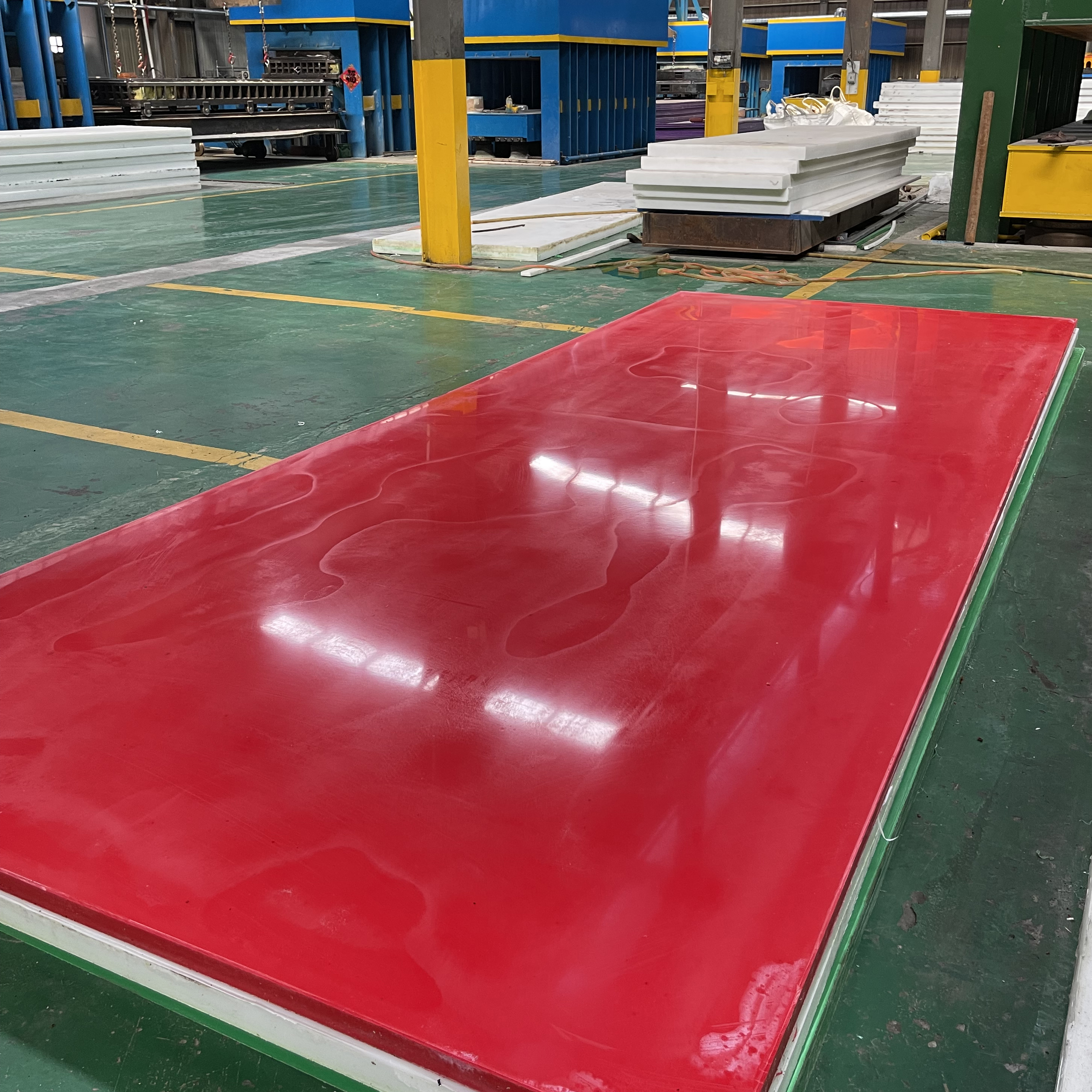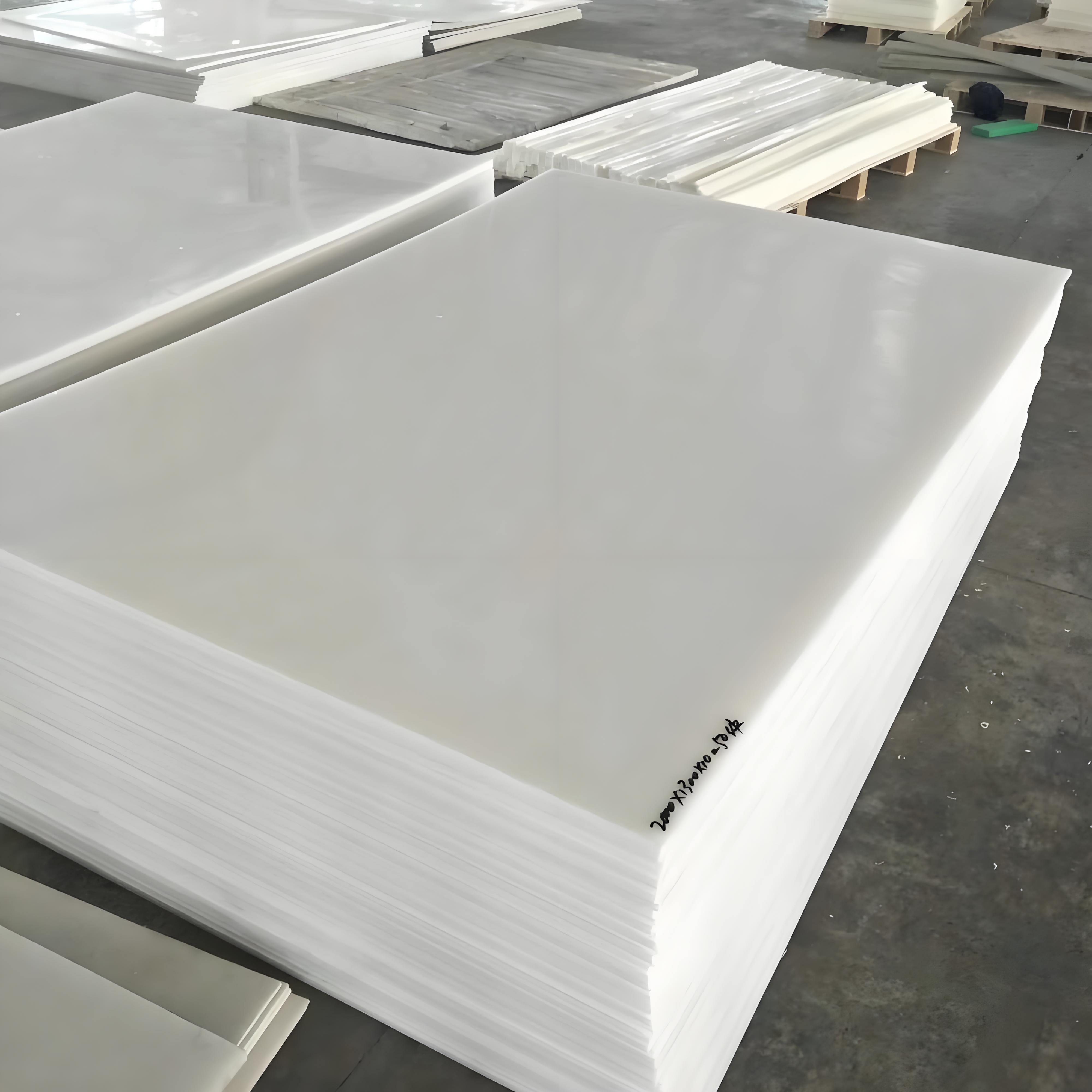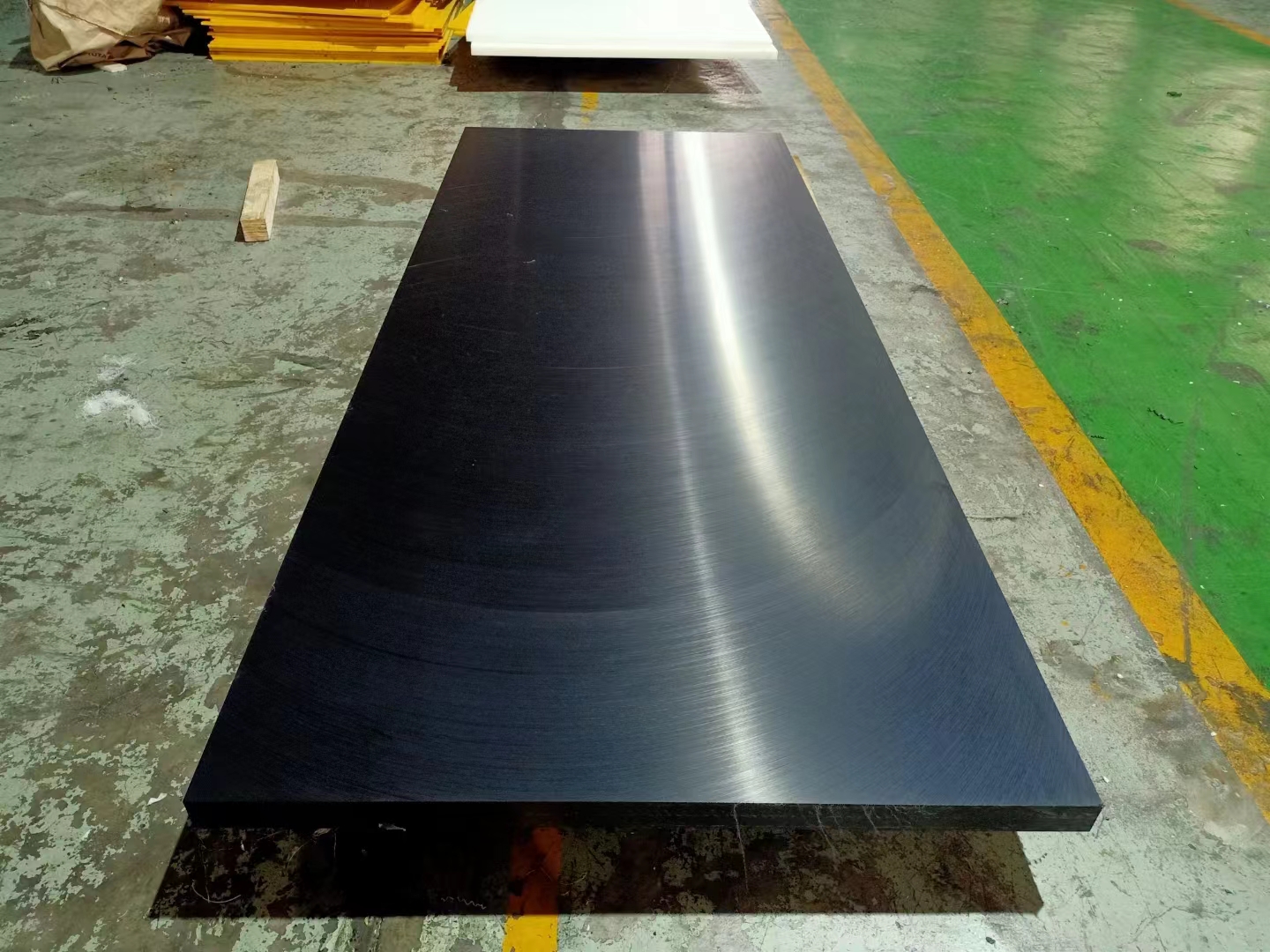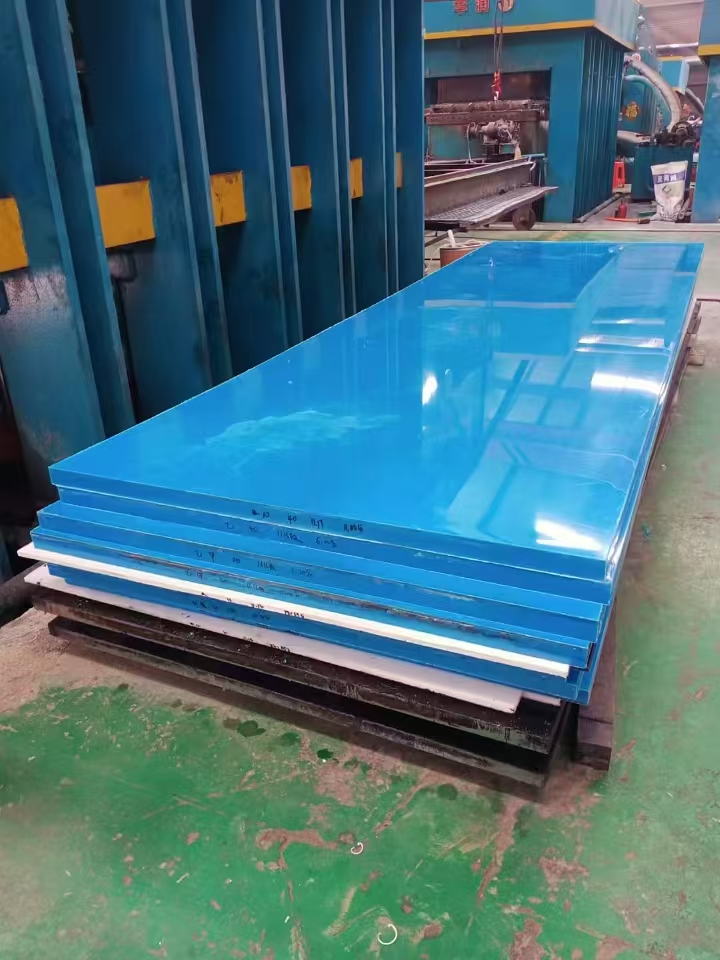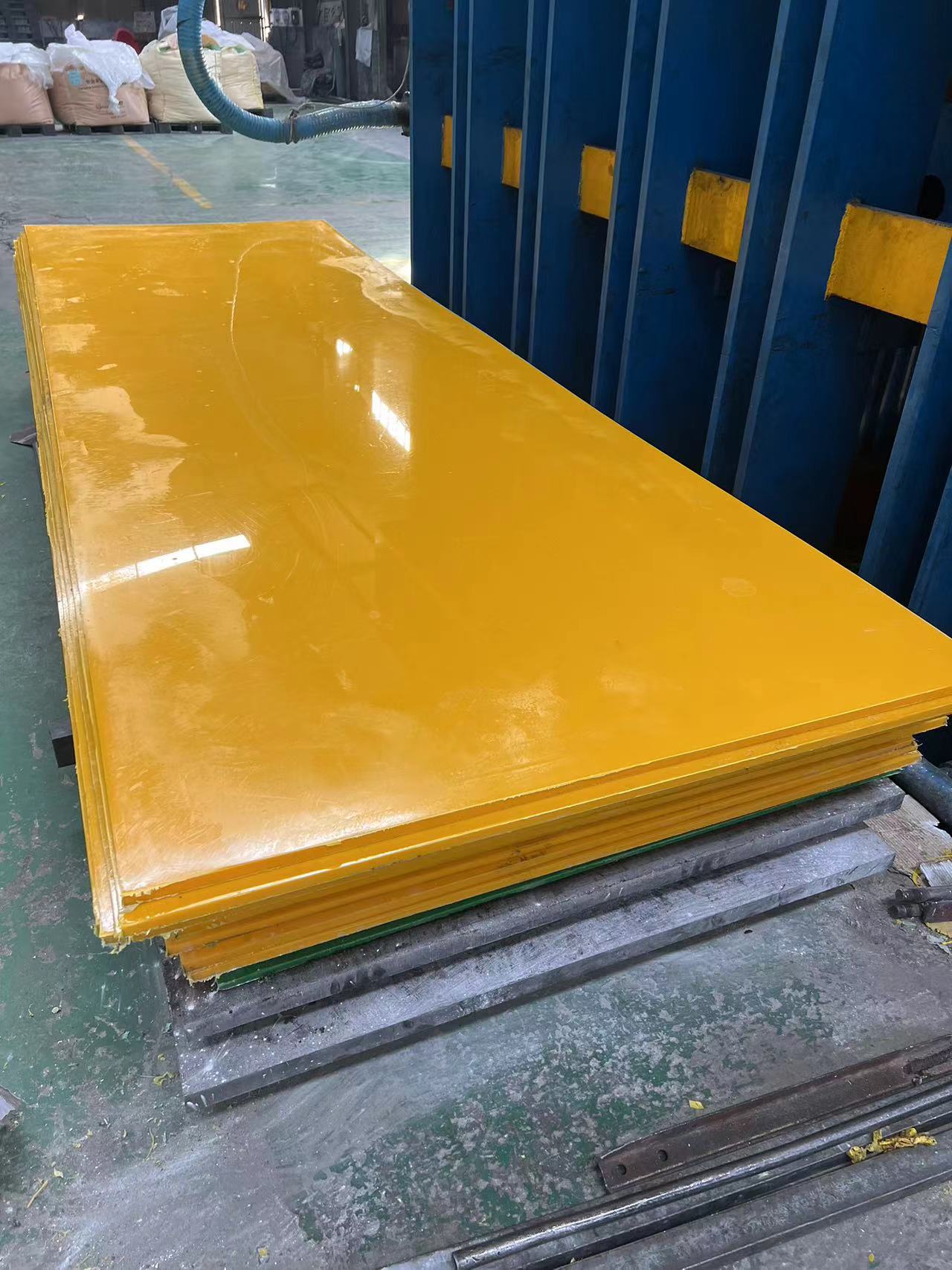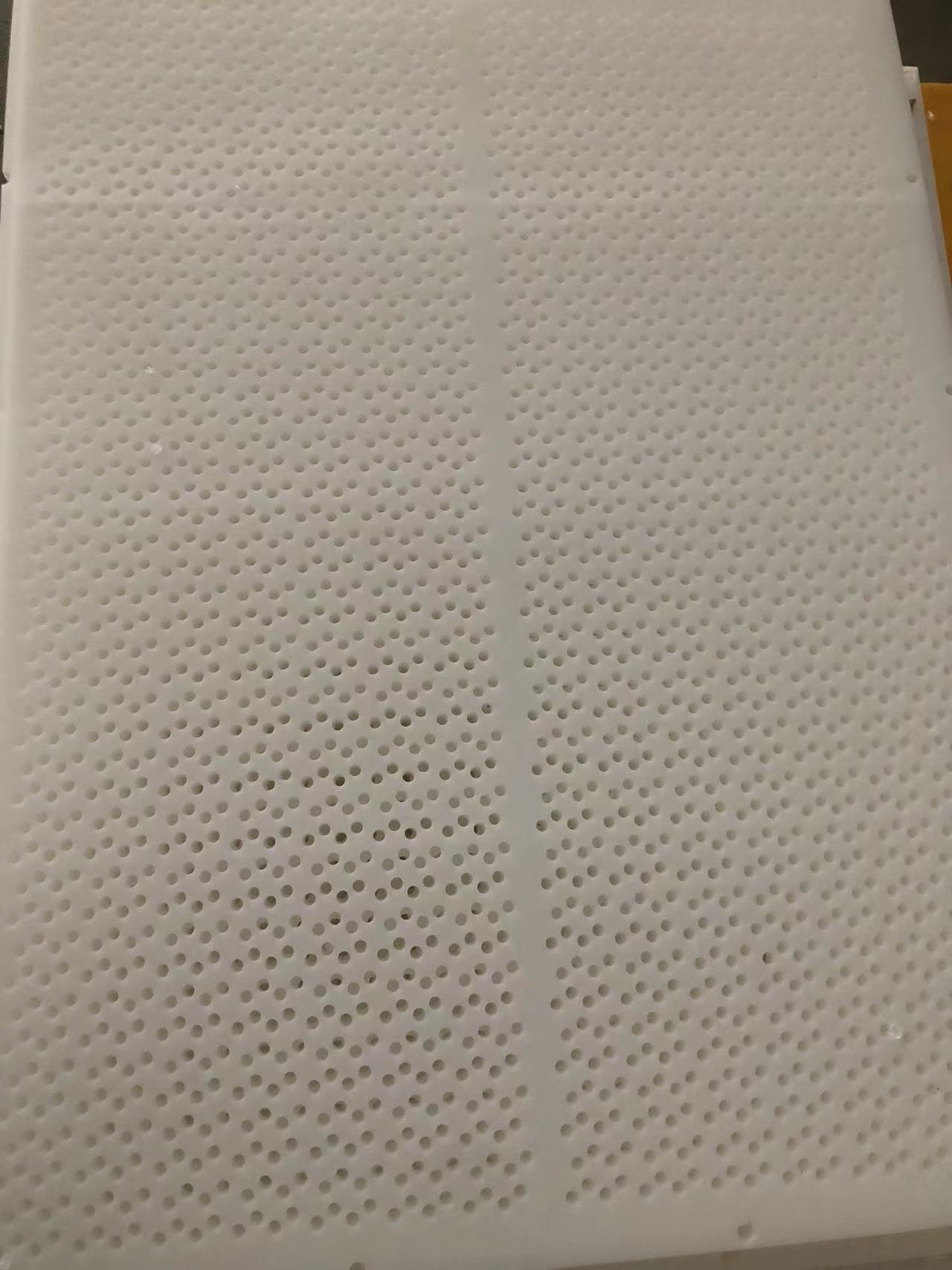

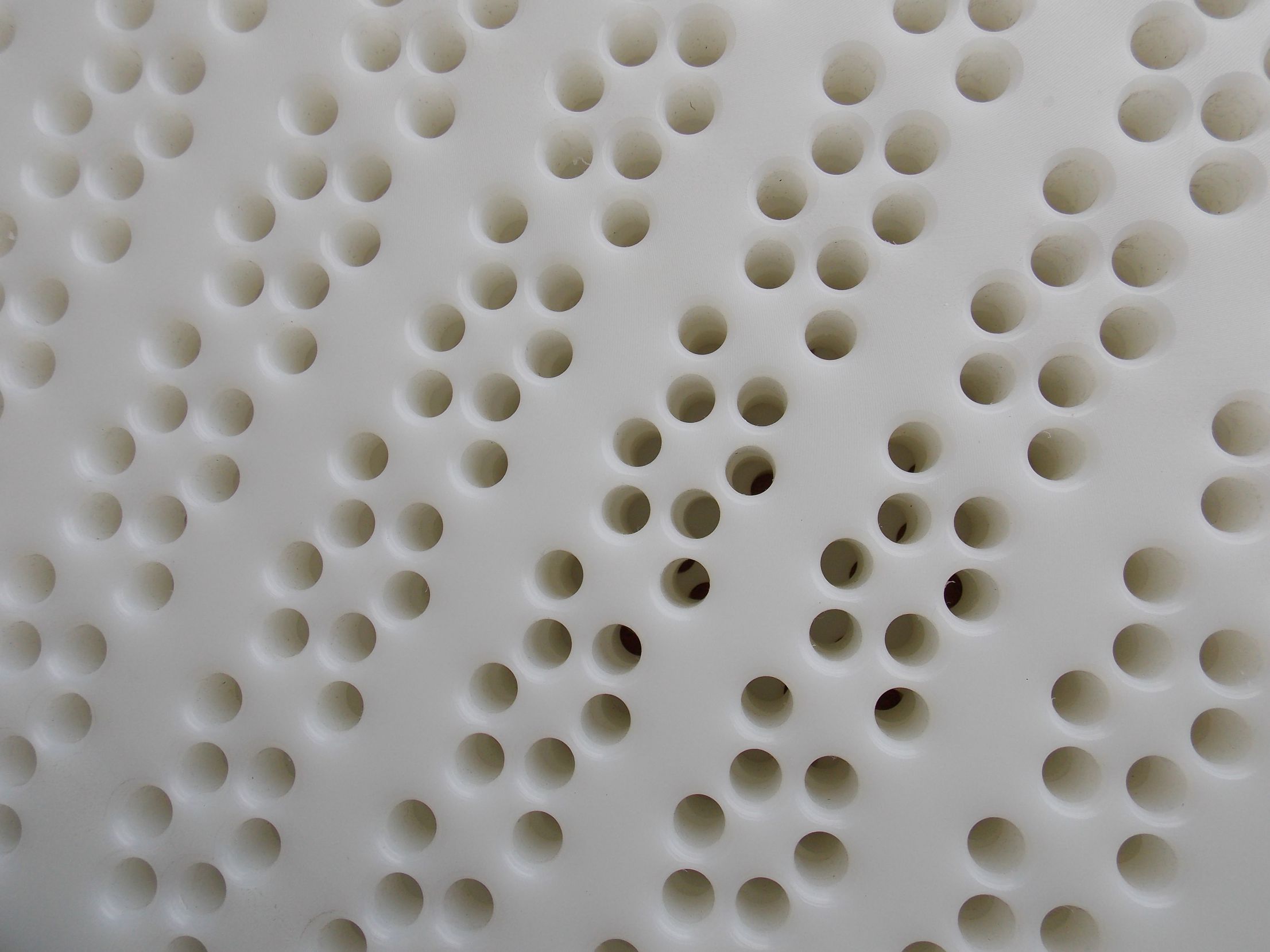
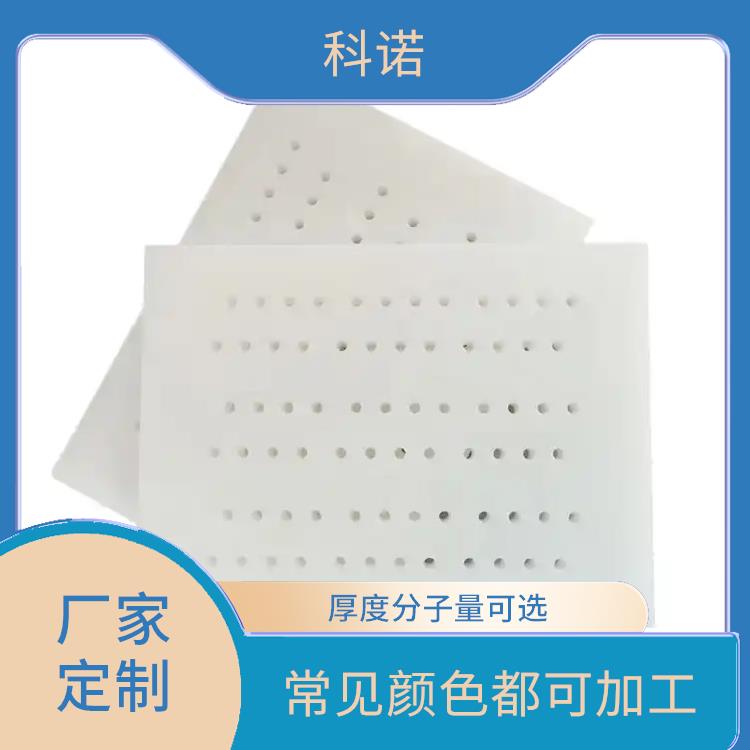


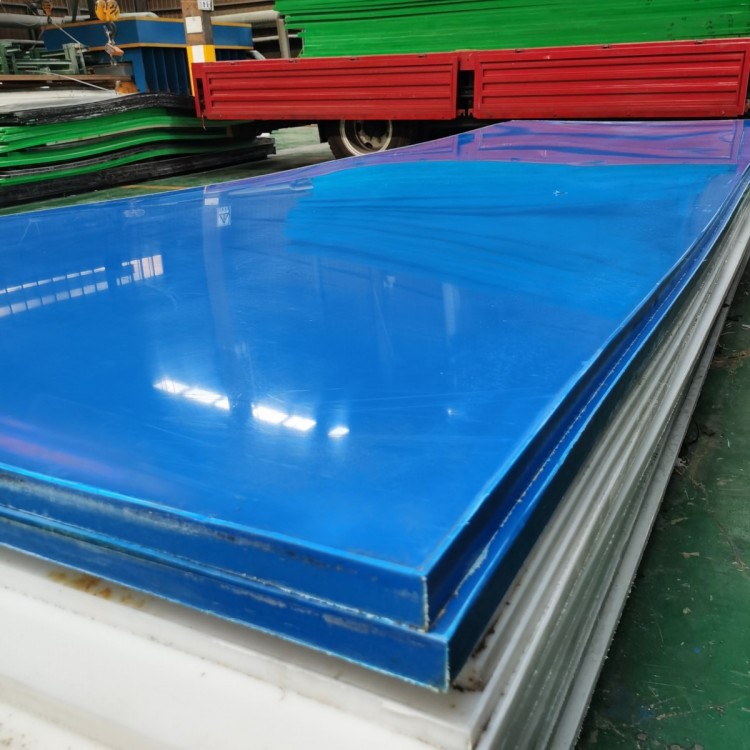
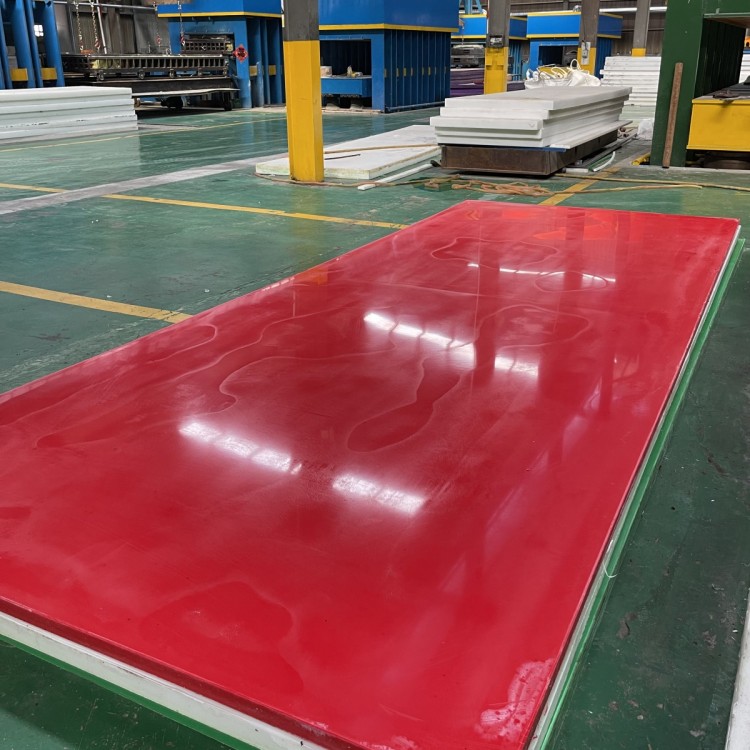





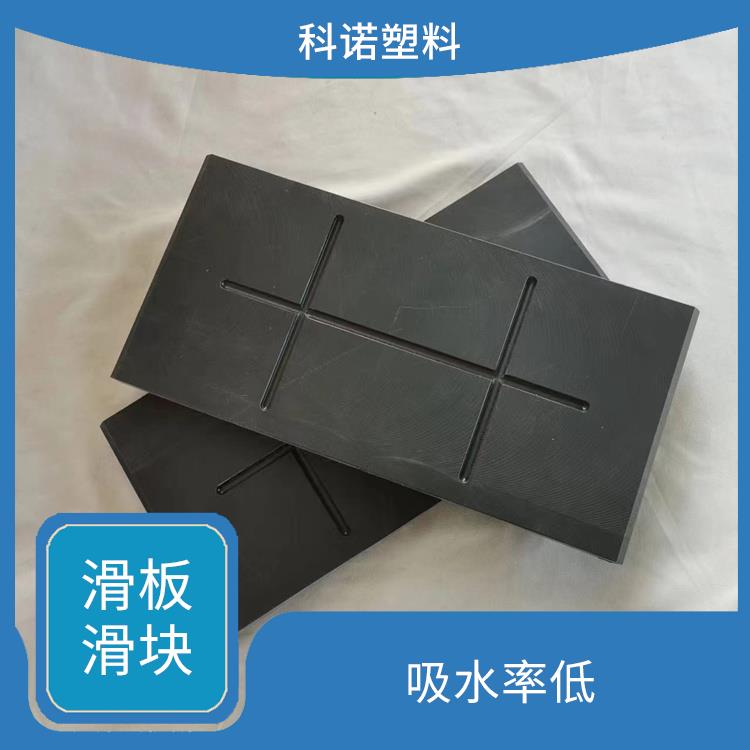
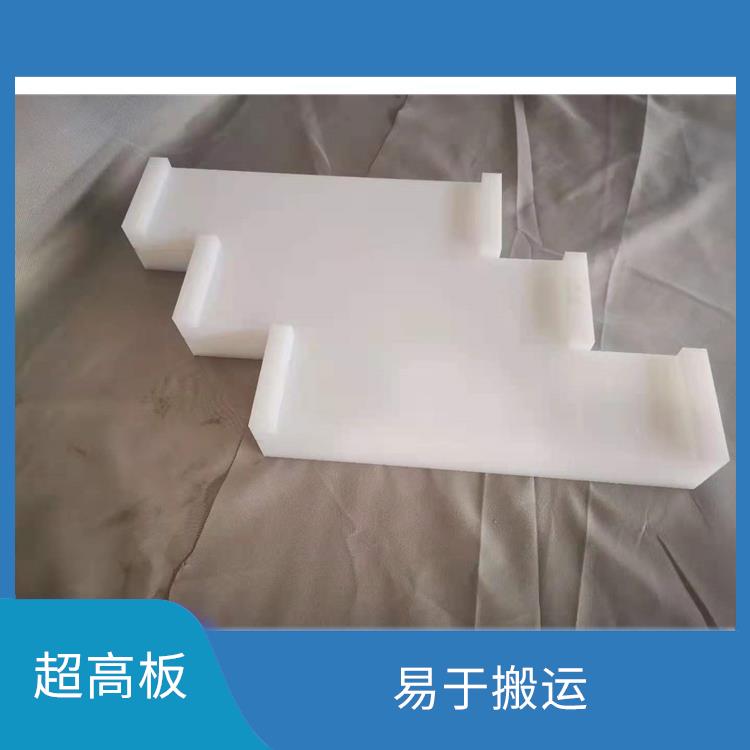
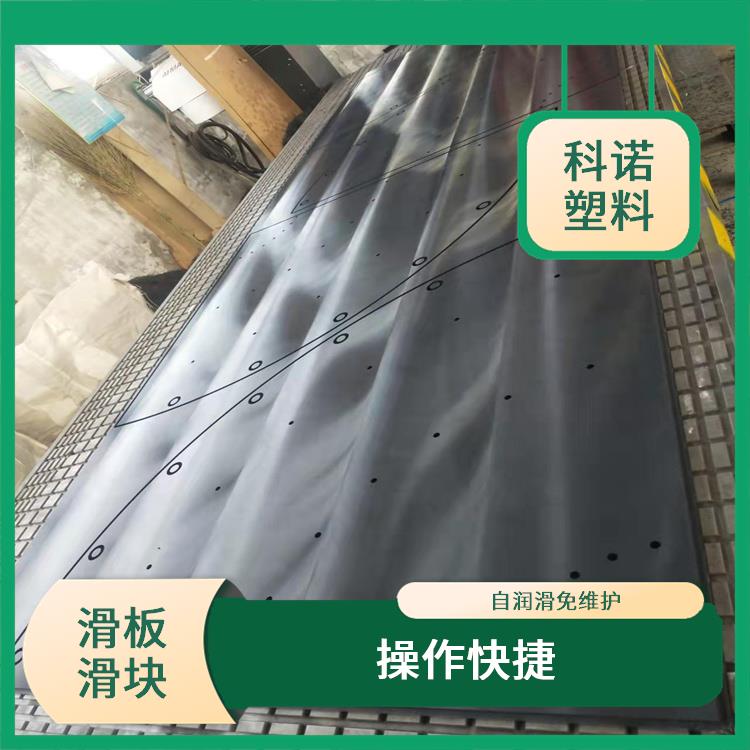
The traditional method of manufacturing the seabed plate involves creating a solid plate from a harder POM material, and then drilling small holes into it. However, due to the high frequency of reciprocating motion of the wire in these holes, it often leads to certain holes wearing through, resulting in a shorter lifespan for the seabed plate. In the past, when this issue occurred, the entire seabed plate was simply replaced, but the cost of replacing a whole plate was substantial, involving high manufacturing costs, larger dimensions, and many closely spaced holes, making the processing difficult. Additionally, the replacement process was expensive and cumbersome – requiring the disconnection of thousands of connectors before the replacement could be made, and then reconnecting them afterward, which was time-consuming and disruptive to the customer's production.
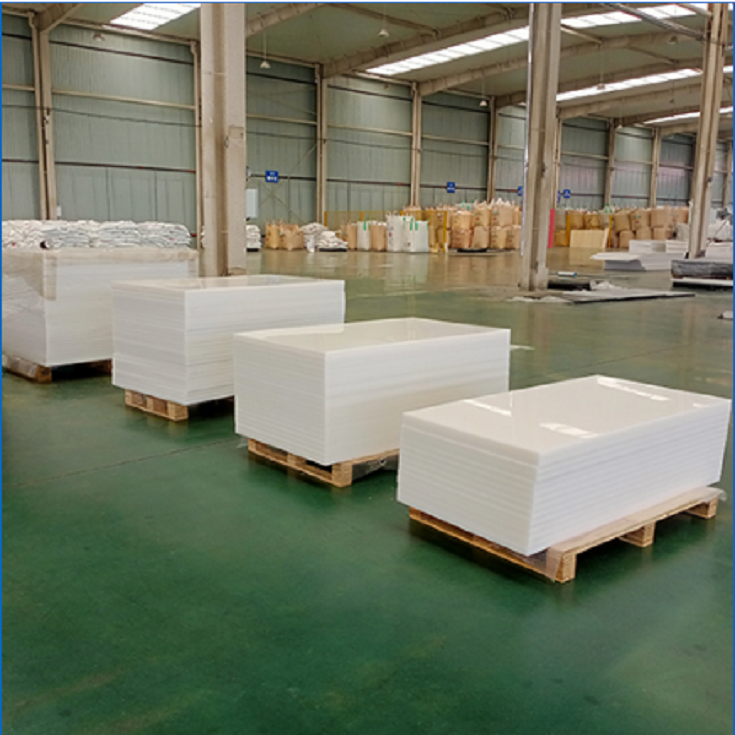
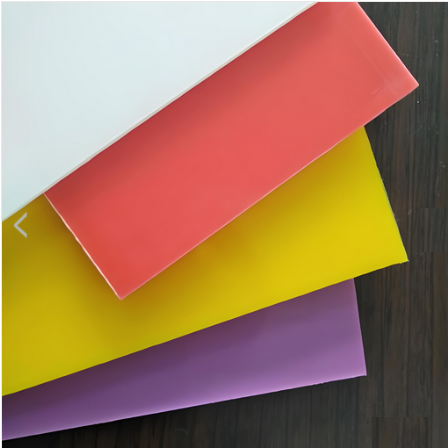
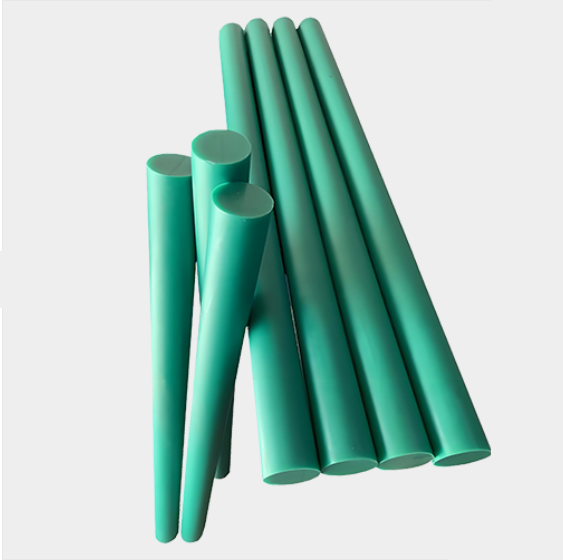
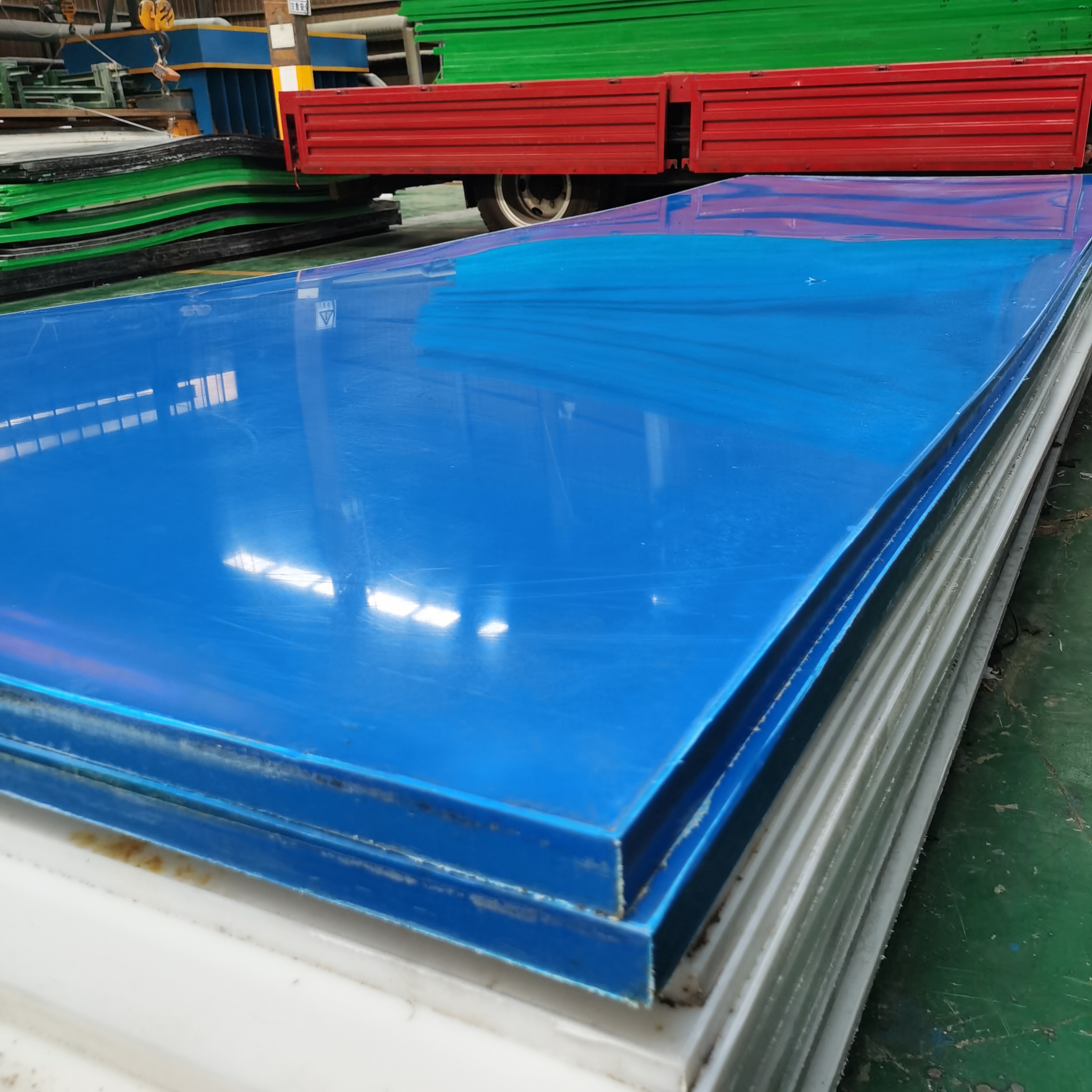
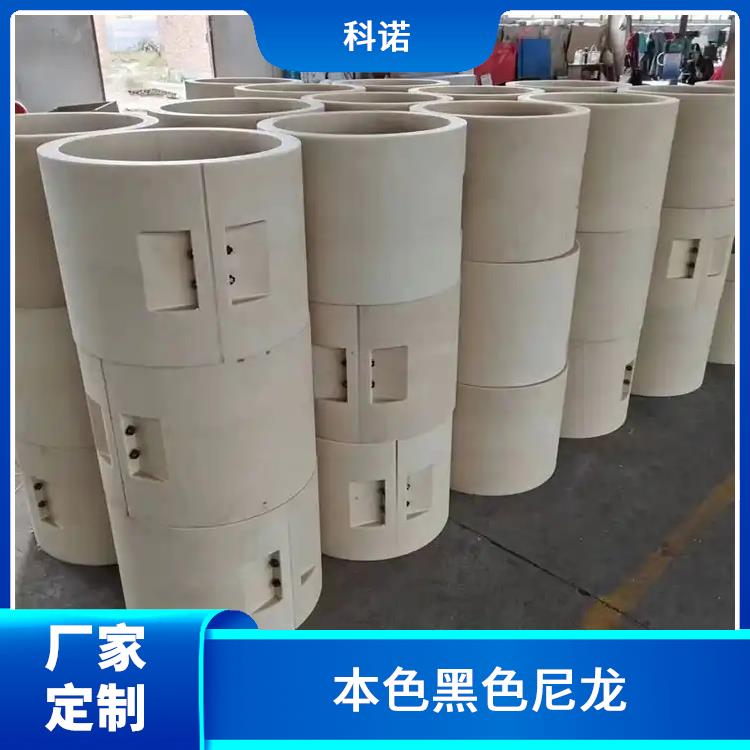
To overcome the above issues existing in the current technology, the novel utility aims to provide a high molecular weight polyethylene (UHMWPE) textile mechanical seabed plate, which boasts a long service life of the entire plate and simple maintenance.

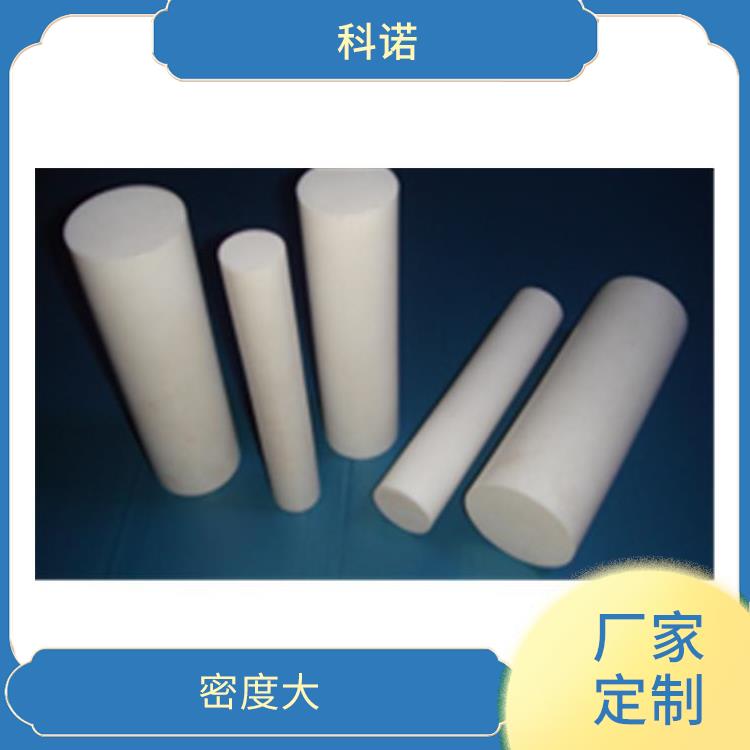
UHMWPE's molecular weight, typically only 200,000 to 300,000 for HDPE, endows it with exceptional performance. It is a moderately priced, high-performance thermoplastic engineering plastic that encompasses the advantages of various plastics. It boasts superior impact resistance, self-lubrication, corrosion resistance, shock absorption,低温 resistance, hygiene, non-stickiness, low water absorption, and low density. In fact, there is no single high polymer material that possesses such a wide range of properties.
1. SexualUHMWPE plastic, when compared to certain metals, exhibits sandpaper abrasion indices that are merely 1/5th of PA66 and 1/10th of HEPE and PVC. In comparison to metals, it is 1/7th of carbon steel and 1/27th of brass. Its high performance is so extreme that it's challenging to measure using standard plastic abrasion tests, hence a sandpaper abrasion test device was designed. The performance of UHMWPE is directly proportional to its molecular weight; the higher the molecular weight, the better the performance.
2. Impact resistance
UHMWPE boasts high impact strength among engineering plastics, approximately twice that of impact-resistant PC, five times that of ABS, and over ten times that of POM and PBTP. Its exceptional impact resistance makes it challenging to break using standard impact testing methods. The impact strength increases with molecular weight, reaching a peak at 1.5 million, after which it gradually decreases with further molecular weight increases. Notably, it maintains its impact strength at medium temperatures (-195℃), a property not found in other plastics. Additionally, it exhibits high surface hardness under repeated impacts.
3. Self-lubricating
UHMWPE features a low coefficient of friction (0.05-0.11), hence its self-lubricating properties. Under water lubrication, its dynamic coefficient of friction is half that of PA66 and POM, and it ranks second only to the self-lubricating polytetrafluoroethylene (PTFE) in plastics without lubrication. When in operation through sliding or rotation, its lubricity surpasses that of steel and brass lubricated with oil. Therefore, in the field of tribology, UHMWPE is hailed as an ideal friction material with a very cost-effective performance.