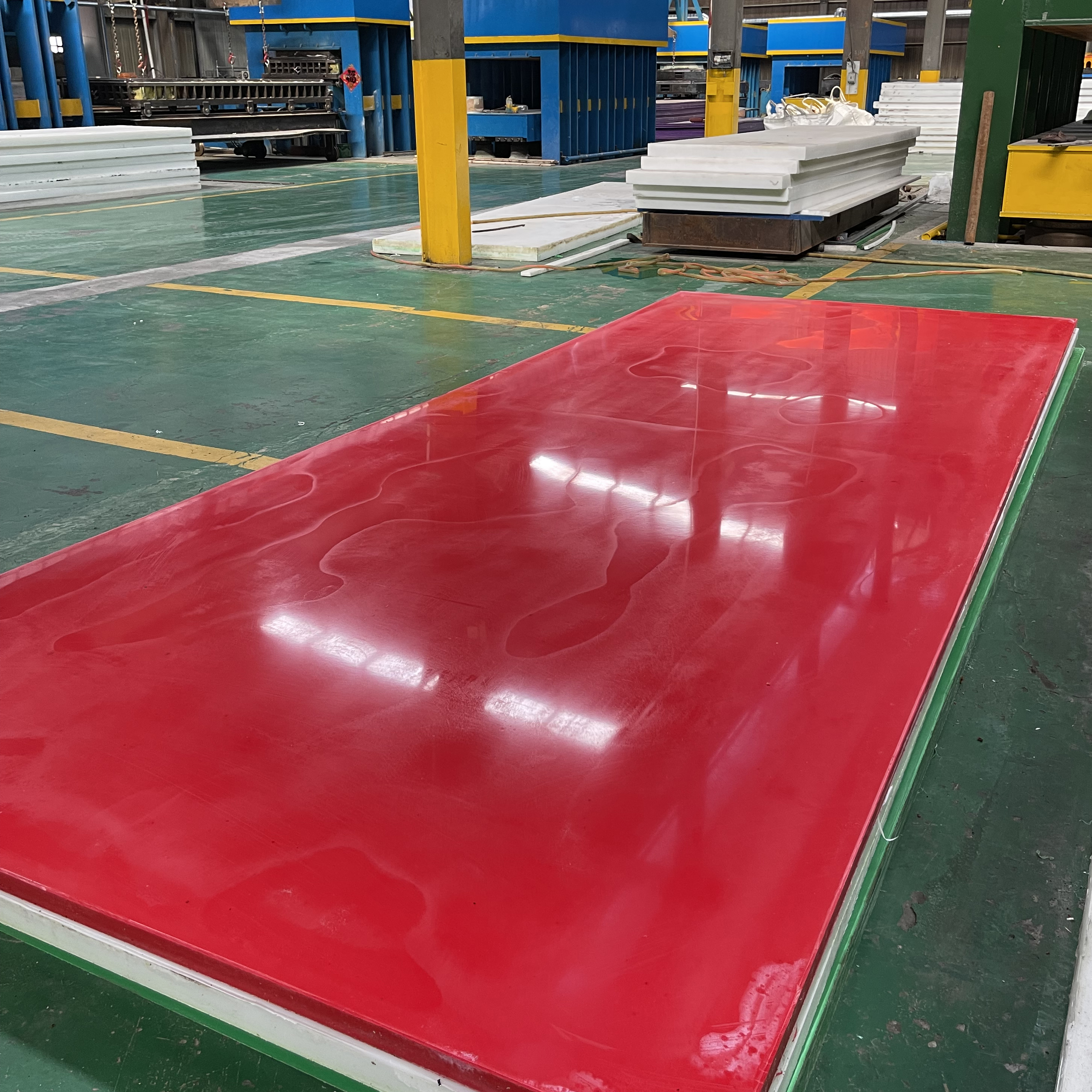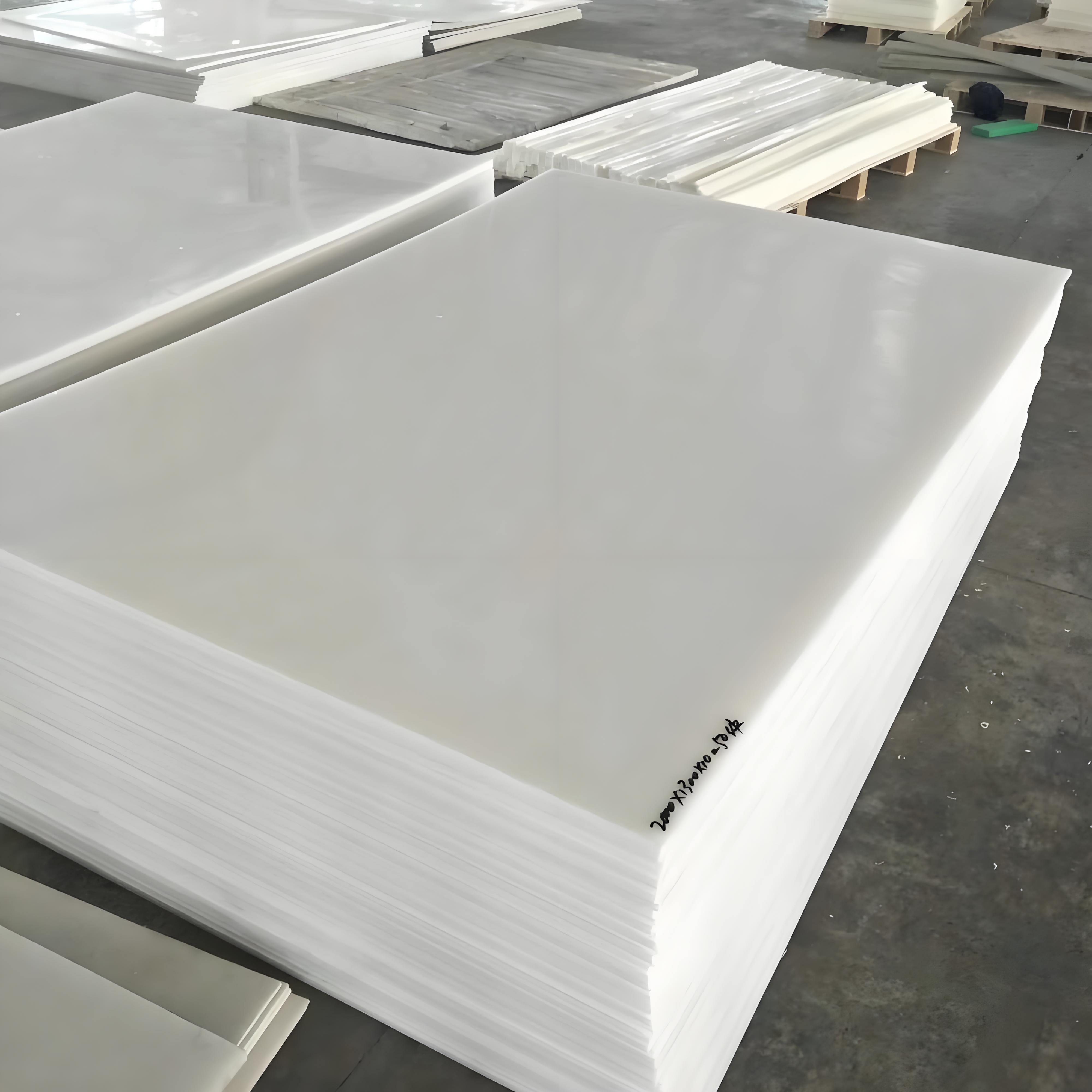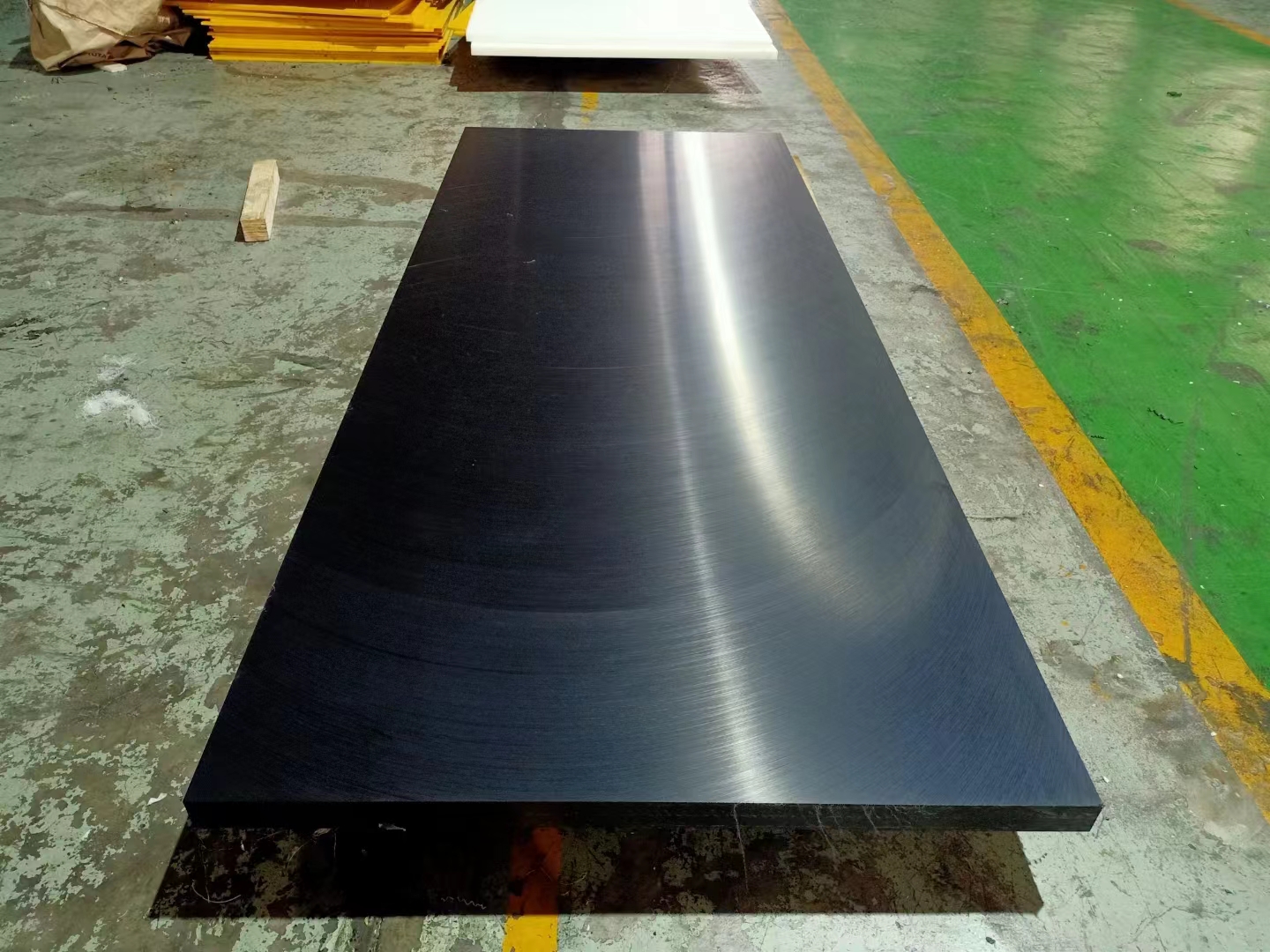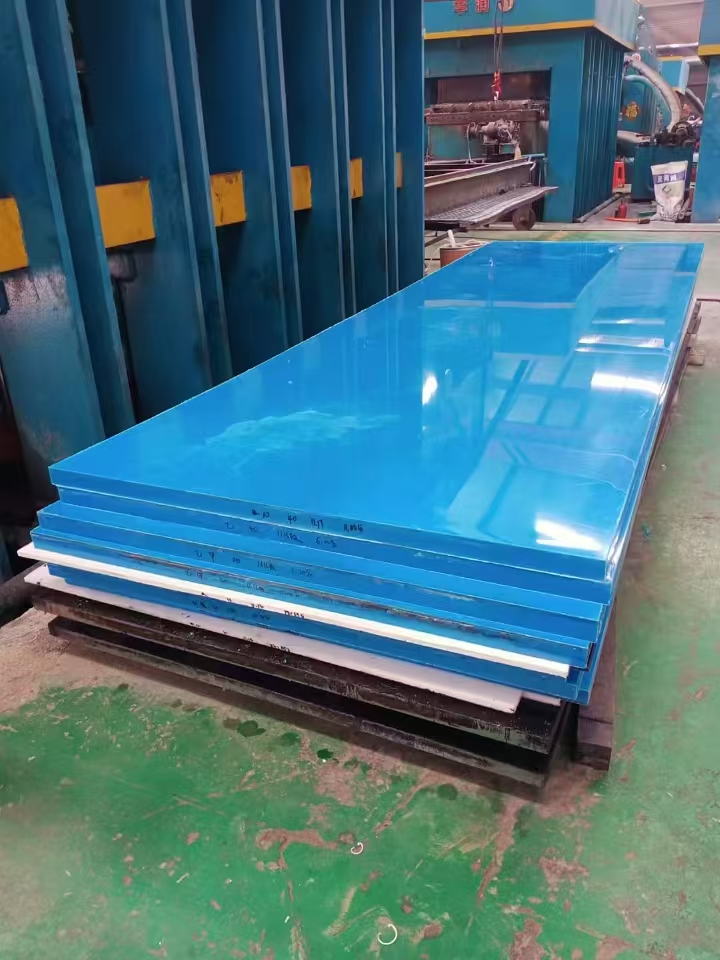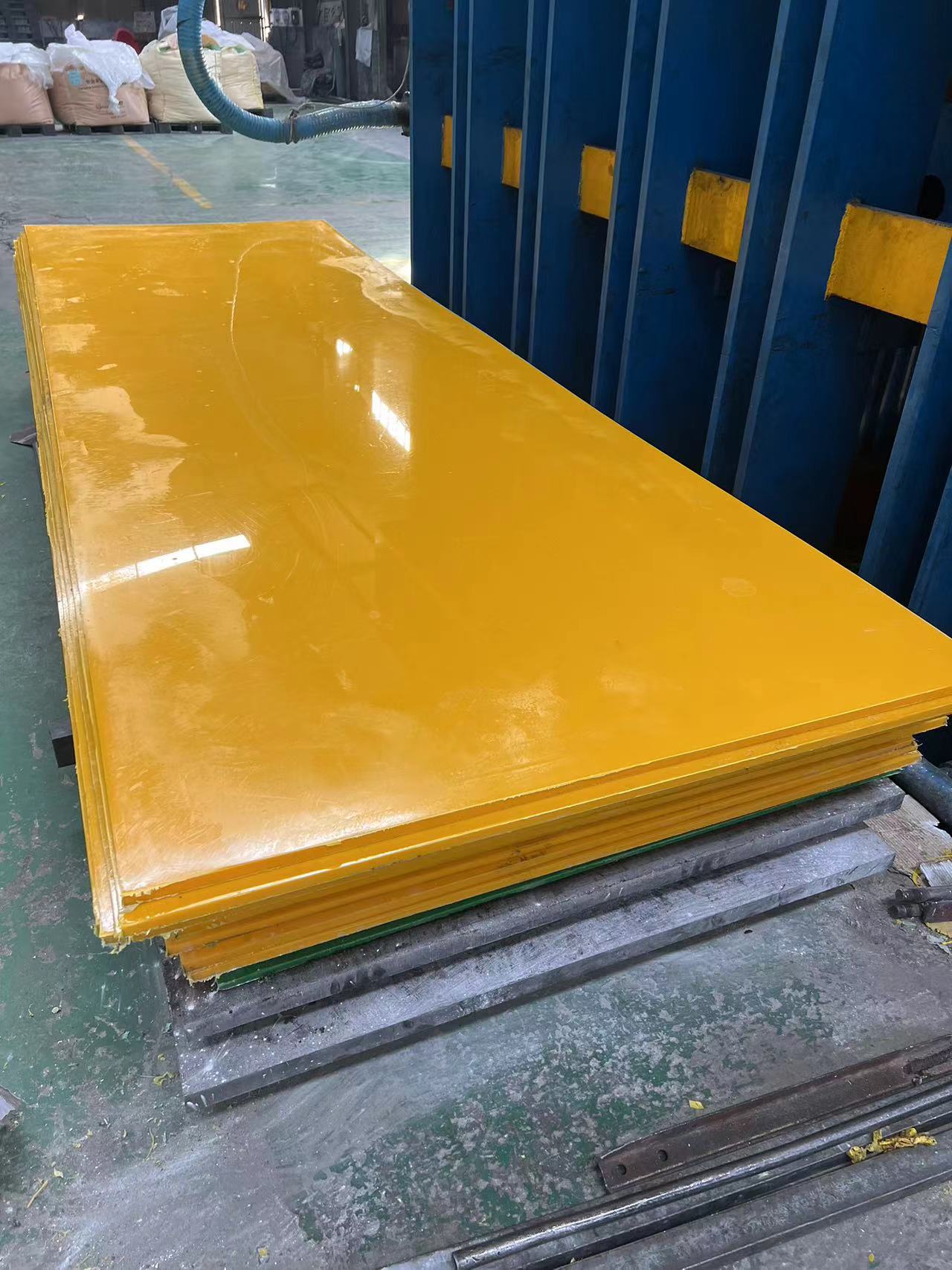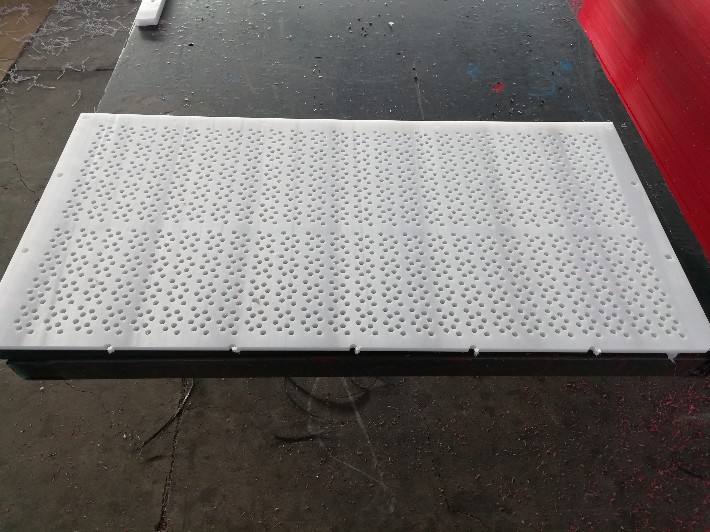

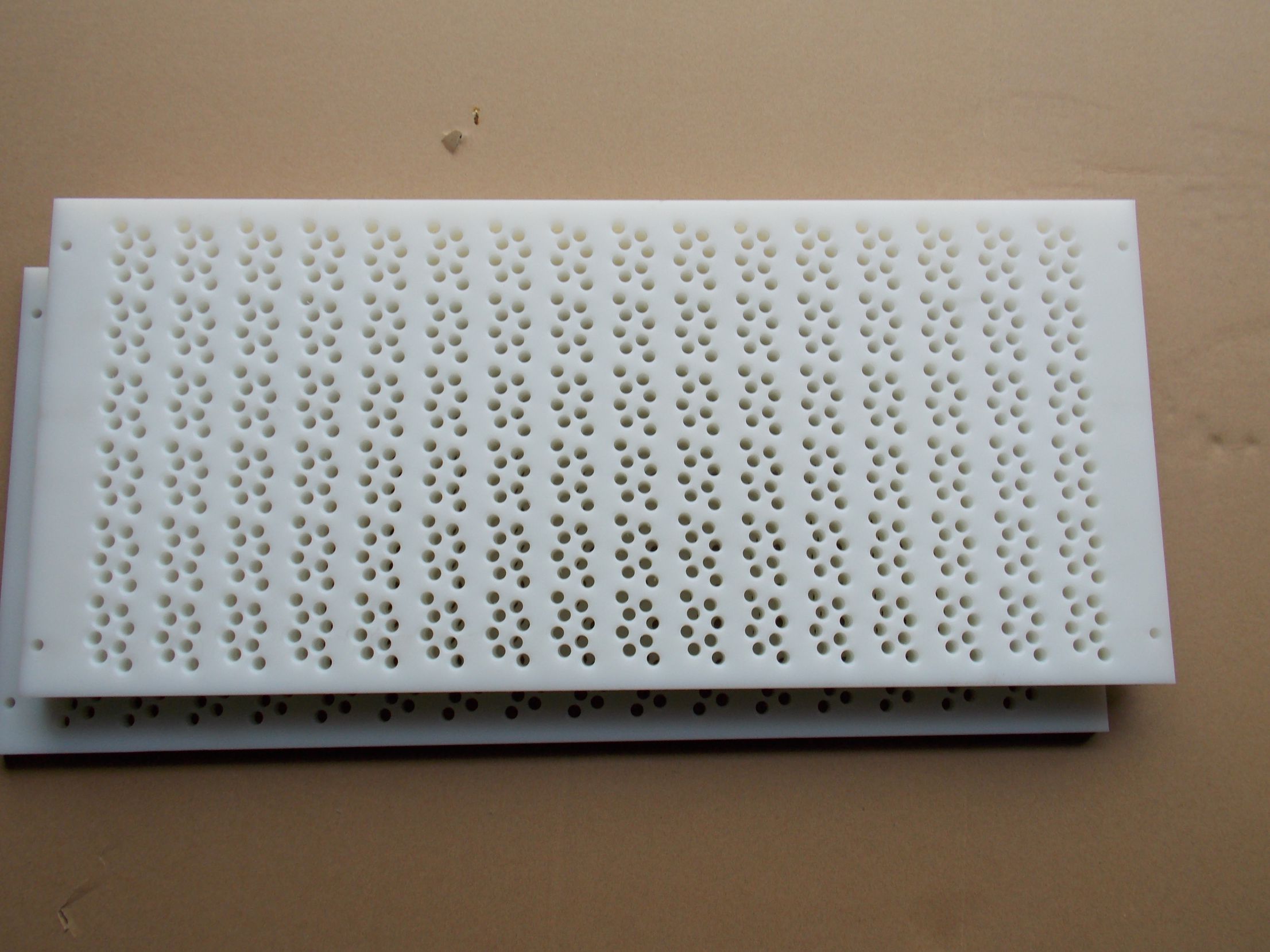
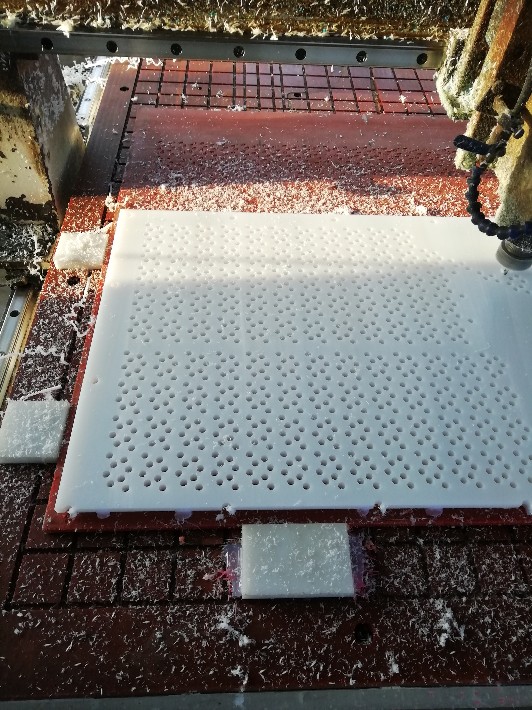


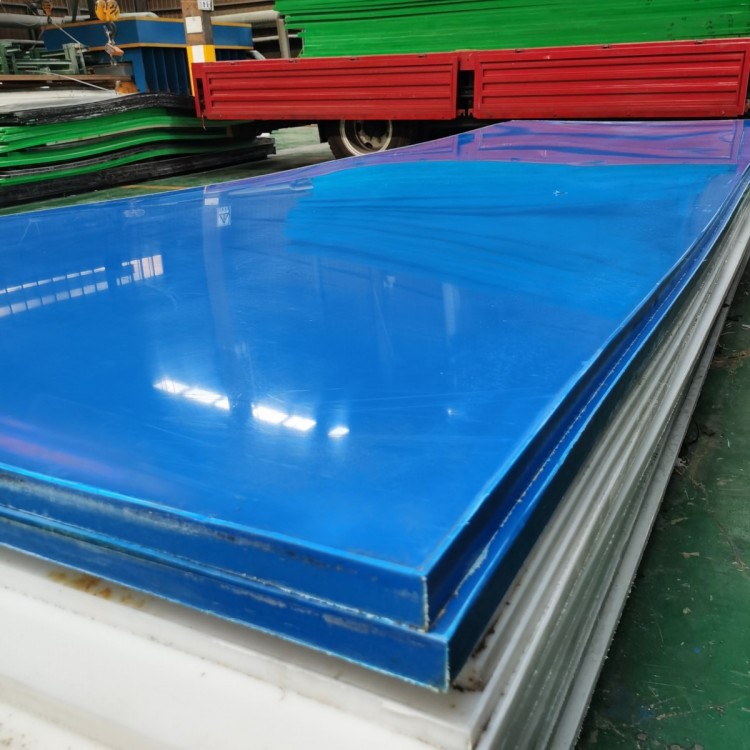
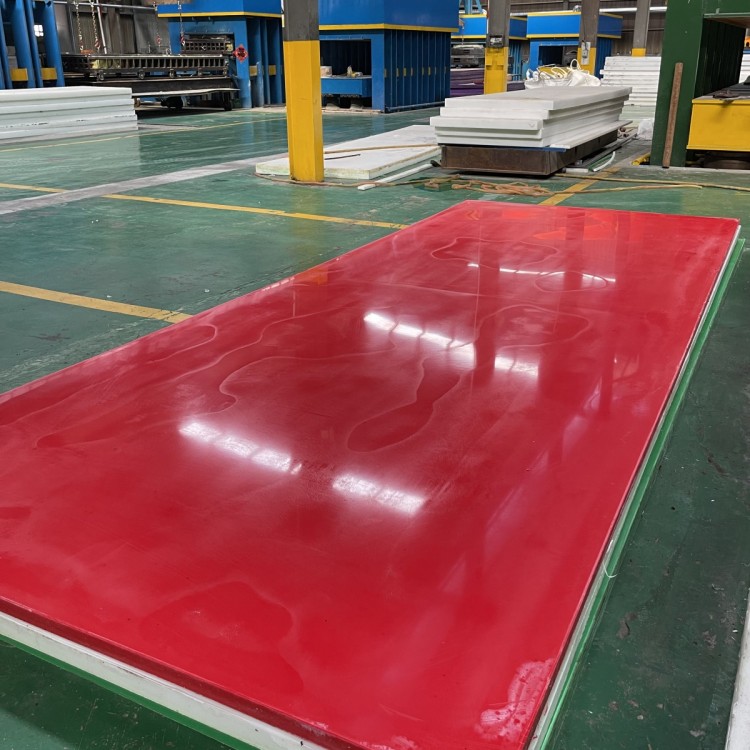





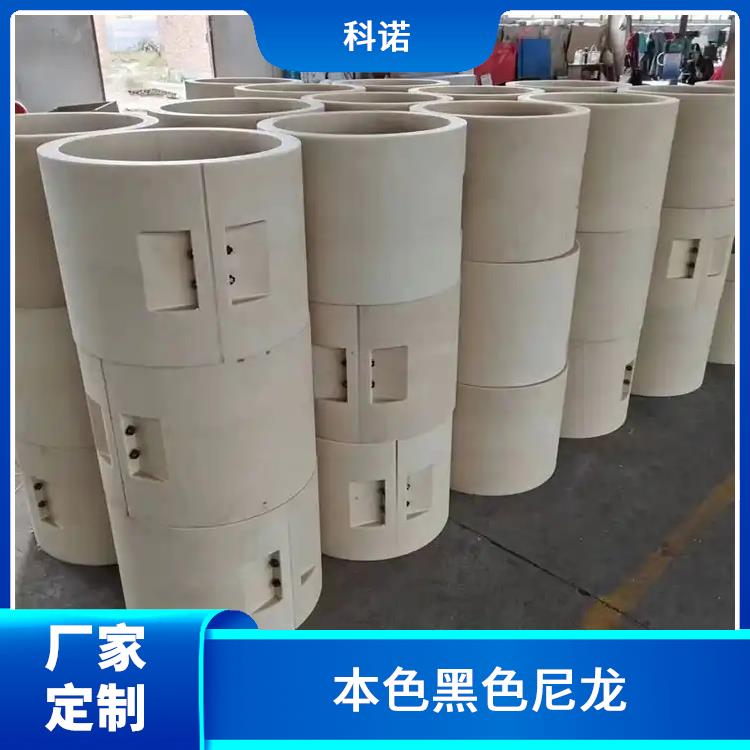
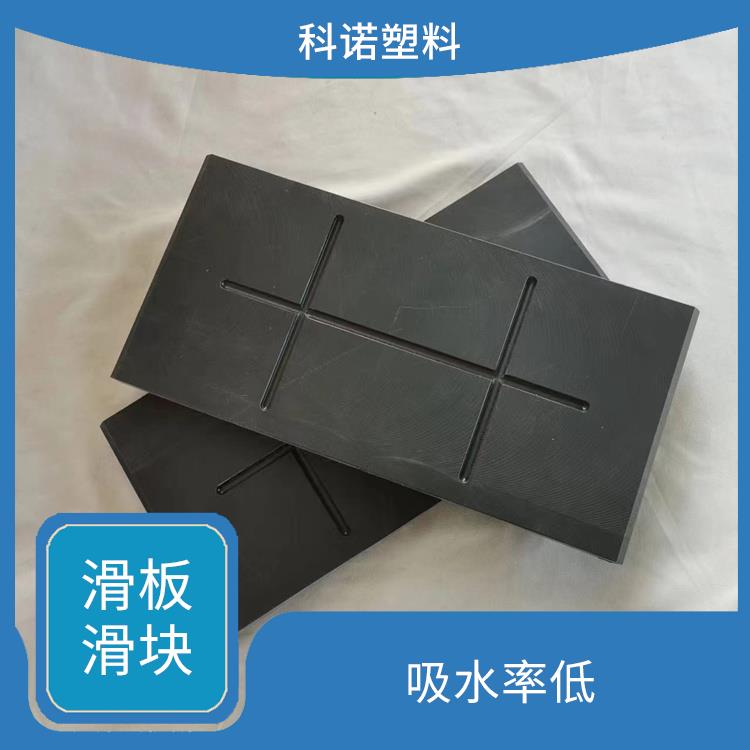
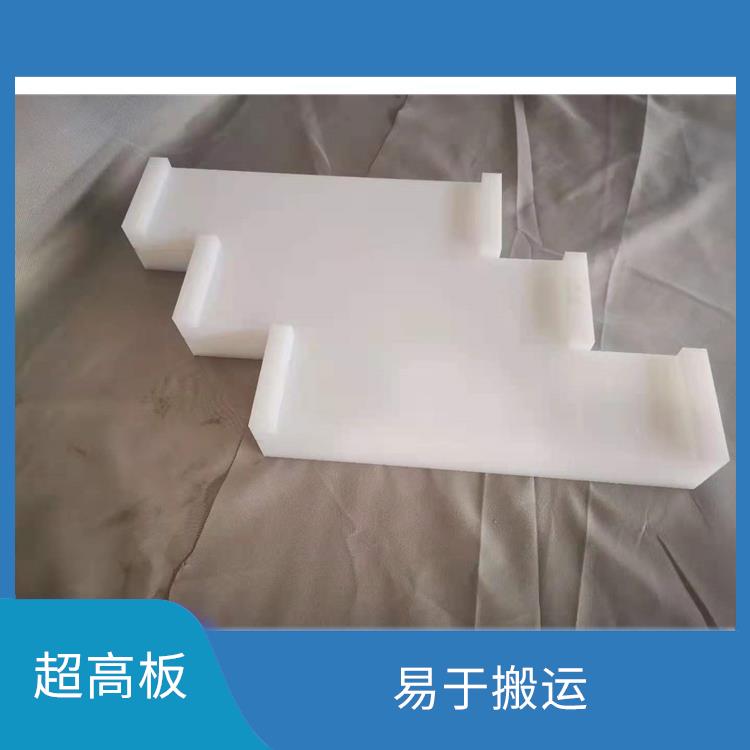
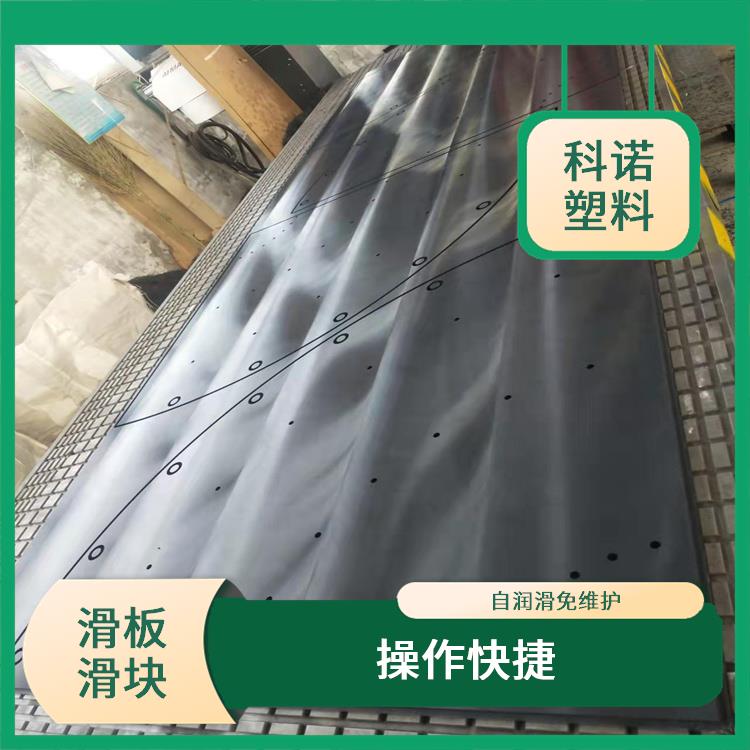
The underplate is a crucial component on textile machinery, featuring large dimensions and numerous closely spaced small holes, making its manufacturing and processing a challenge. As the textile machine operates, the reed passes through these small holes, rapidly performing an up-and-down reciprocating motion.
The traditional method of manufacturing the sea floor is to create a solid plate from a harder POM material, and then drill small holes into it. However, due to the high frequency of reciprocating motion of the wires within these holes, some holes often wear through, leading to a shorter lifespan for the sea floor. In the past, when this issue occurred, the entire sea floor plate was replaced, which was costly due to high manufacturing expenses, large size, numerous closely spaced holes, and the difficulty of processing. Moreover, the replacement process was expensive and繁琐—requiring the disconnection of thousands of joints before replacement, and then reconnecting them afterward, which was time-consuming and disruptive to the customer's production.
To overcome the aforementioned issues existing in the current technology, the novel utility aims to provide a high molecular weight polyethylene (UHMWPE) textile mechanical seabed plate, which boasts a long service life of the entire plate and simple maintenance.

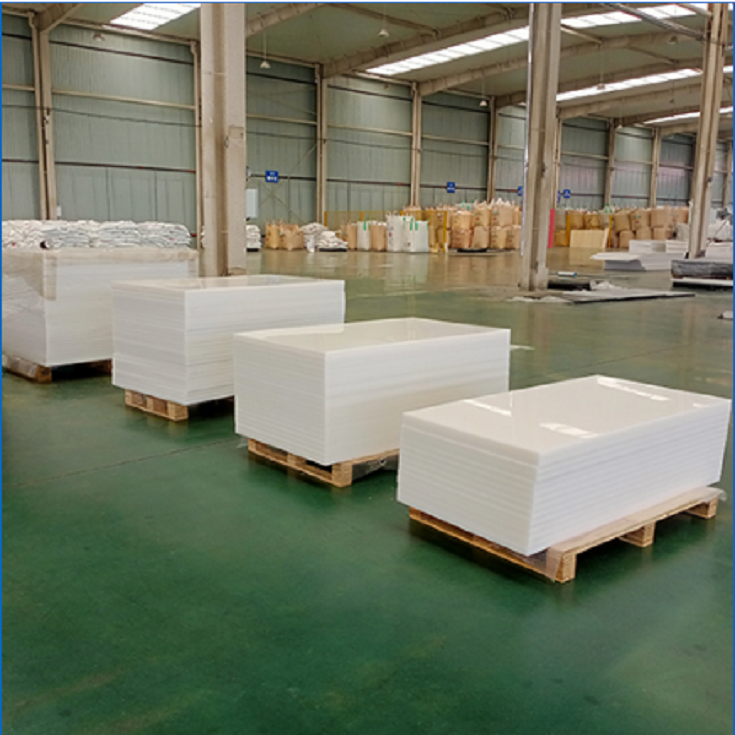
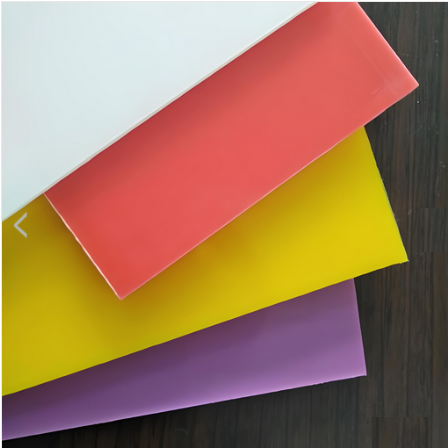
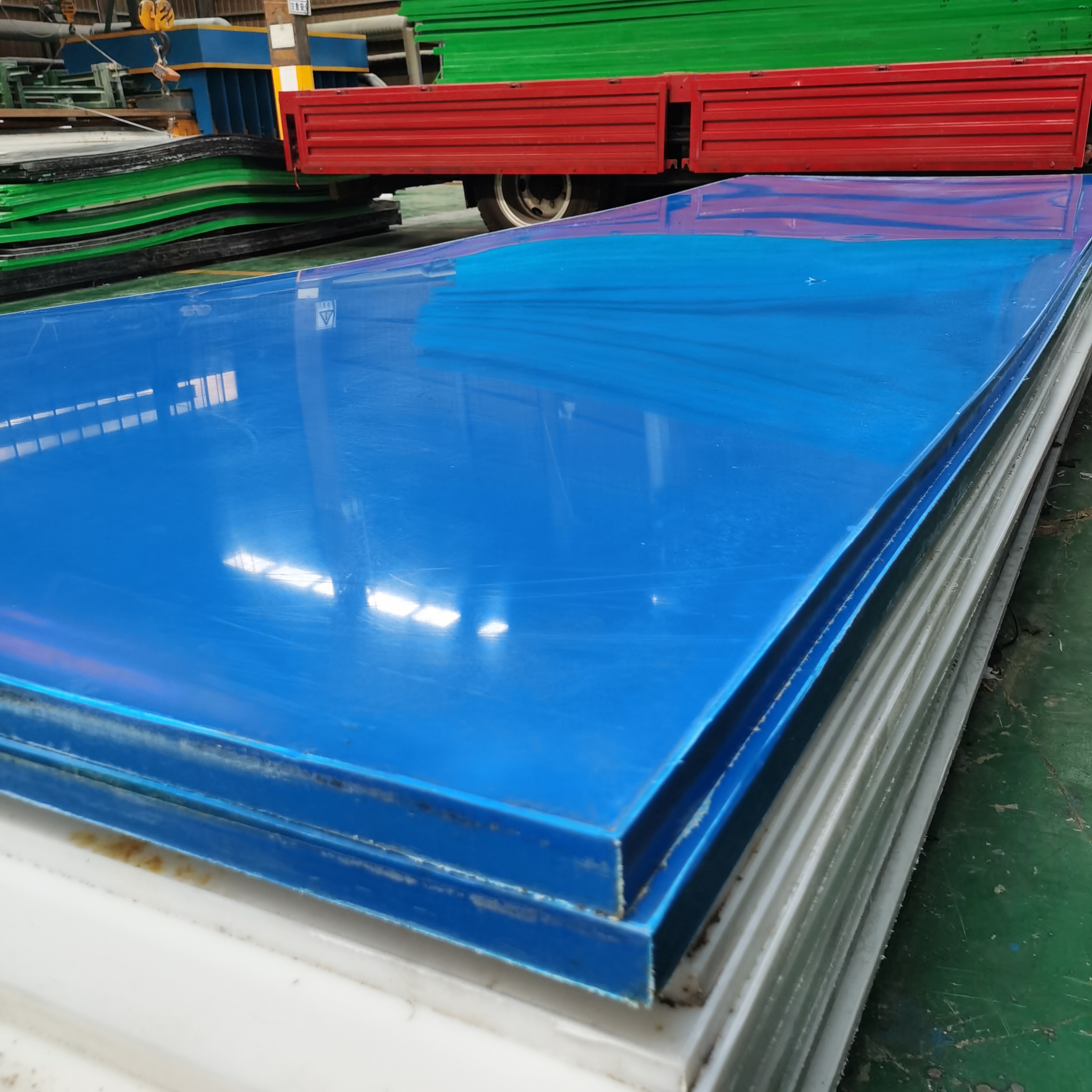
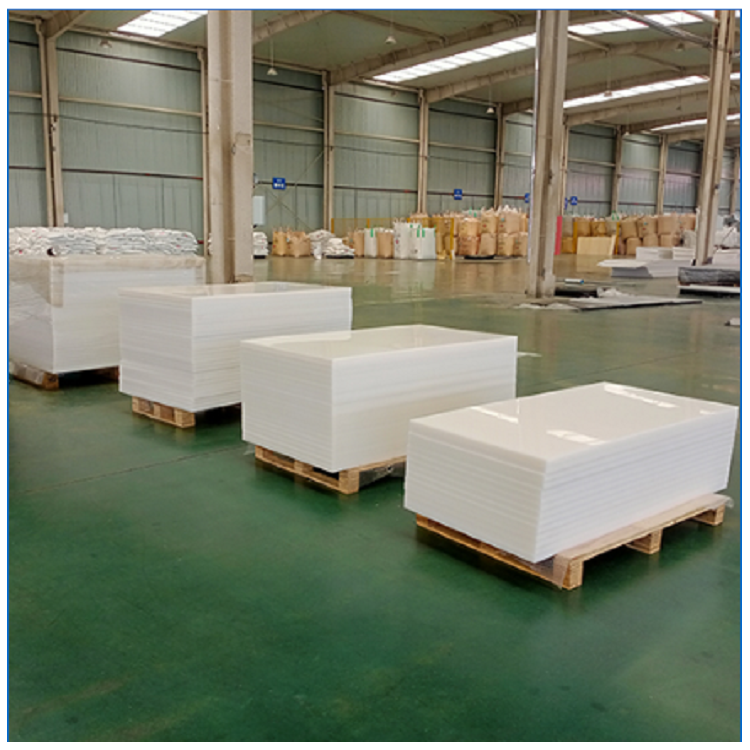
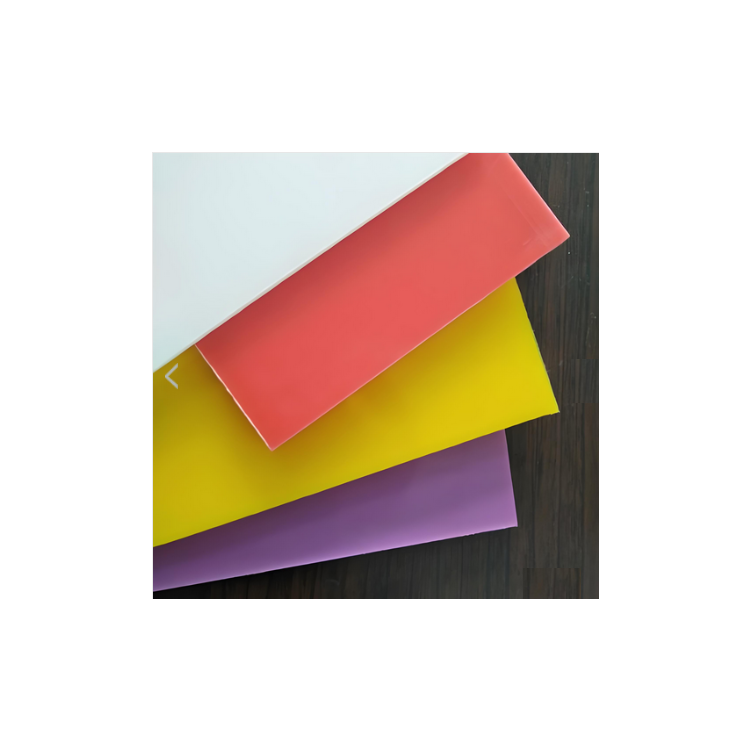
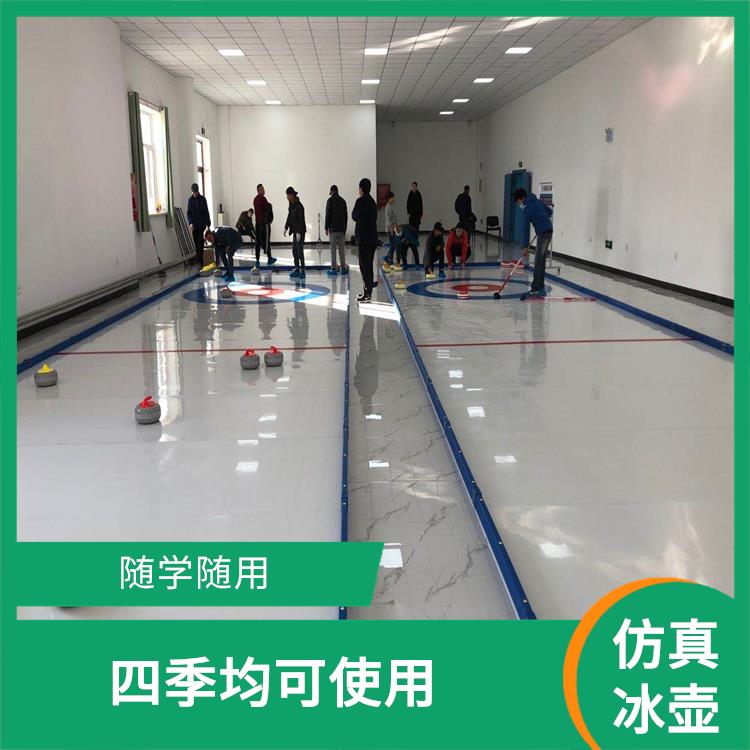
High molecular weight polyethylene lining plates offer excellent properties, including good low-temperature impact resistance, self-lubrication, water and chemical resistance, and general heat resistance similar to PE. They are widely applicable in industries and mining sectors requiring resistance to impact, corrosion, non-adherence, low noise, and high hygiene standards, significantly reducing equipment operating costs and maintenance expenses, thus enhancing overall economic benefits.

High molecular weight polyethylene (HMWPE) board applications:
Coal Power Industry: Raw Coal Storage, Coal Hopper, Coal Chute
Steel Industry: Mixed Material Silos, Coke Plant, Coal Tower, Coal Blending Room
Cement Industry: batching plant, raw coal storage, clay storage, iron powder storage

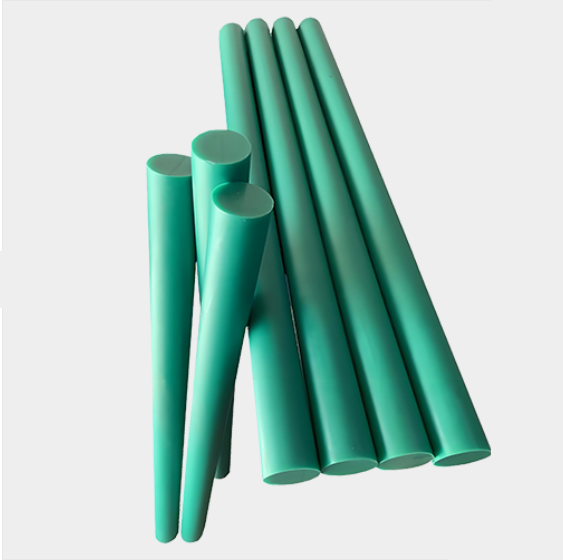
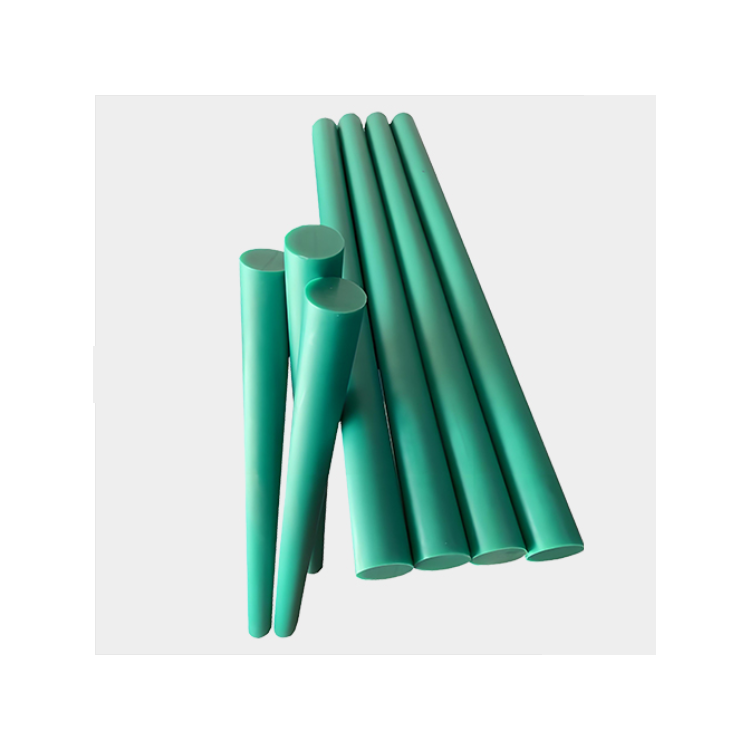
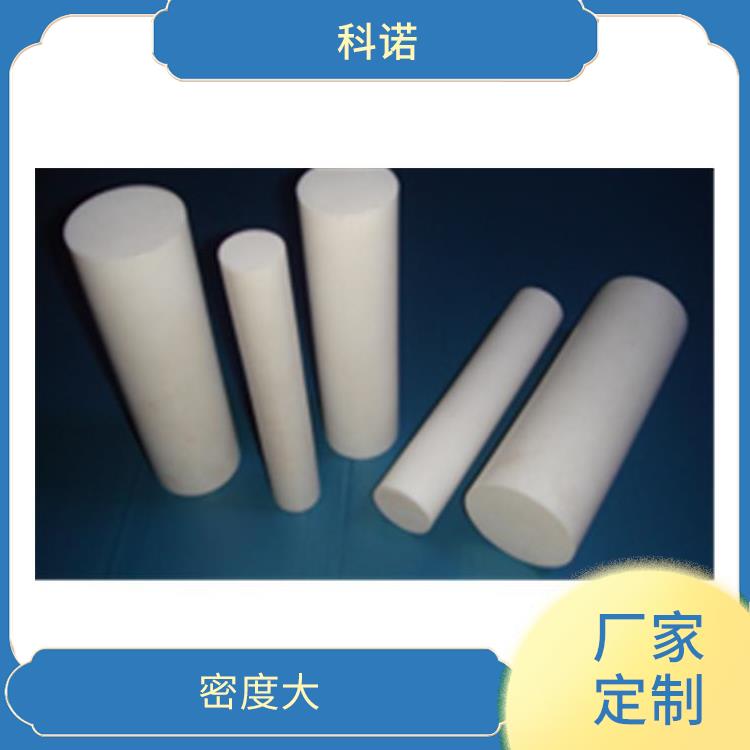
High molecular weight polyethylene sheets are linear polyethylene with an average molecular weight exceeding 1.5 million (while ordinary polyethylene has a relative molecular weight of only 200,000 to 300,000). The high molecular weight imparts excellent general performance, making it a new thermoplastic engineering plastic with good properties at a moderate price. High molecular weight polyethylene liners combine almost all the advantages of various plastics, boasting unparalleled properties such as resistance, impact resistance, self-lubrication, corrosion resistance, low-temperature resistance, hygiene, non-adhesive, and non-absorbent. Currently, no single high molecular material possesses such a multitude of superior qualities, allowing it to have a wide range of applications. Particularly in the fields of solid particle, powder, slurry, and gas transportation, it has exceptional superiority. Due to the performance of high molecular weight polyethylene, it has gained widespread attention and application in Western developed countries. High molecular polyethylene products are promoted projects in China's "Nine-Five" Development Industry Sector Guidelines.