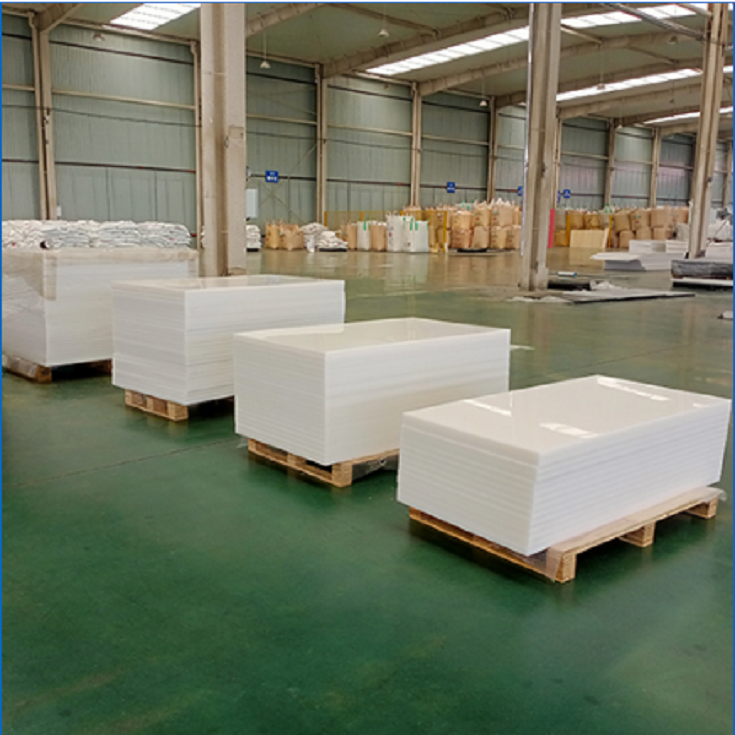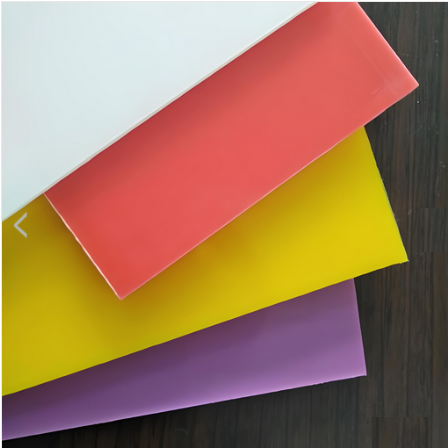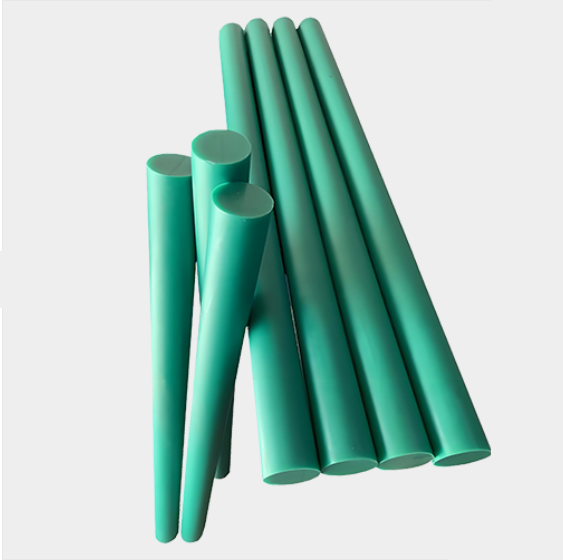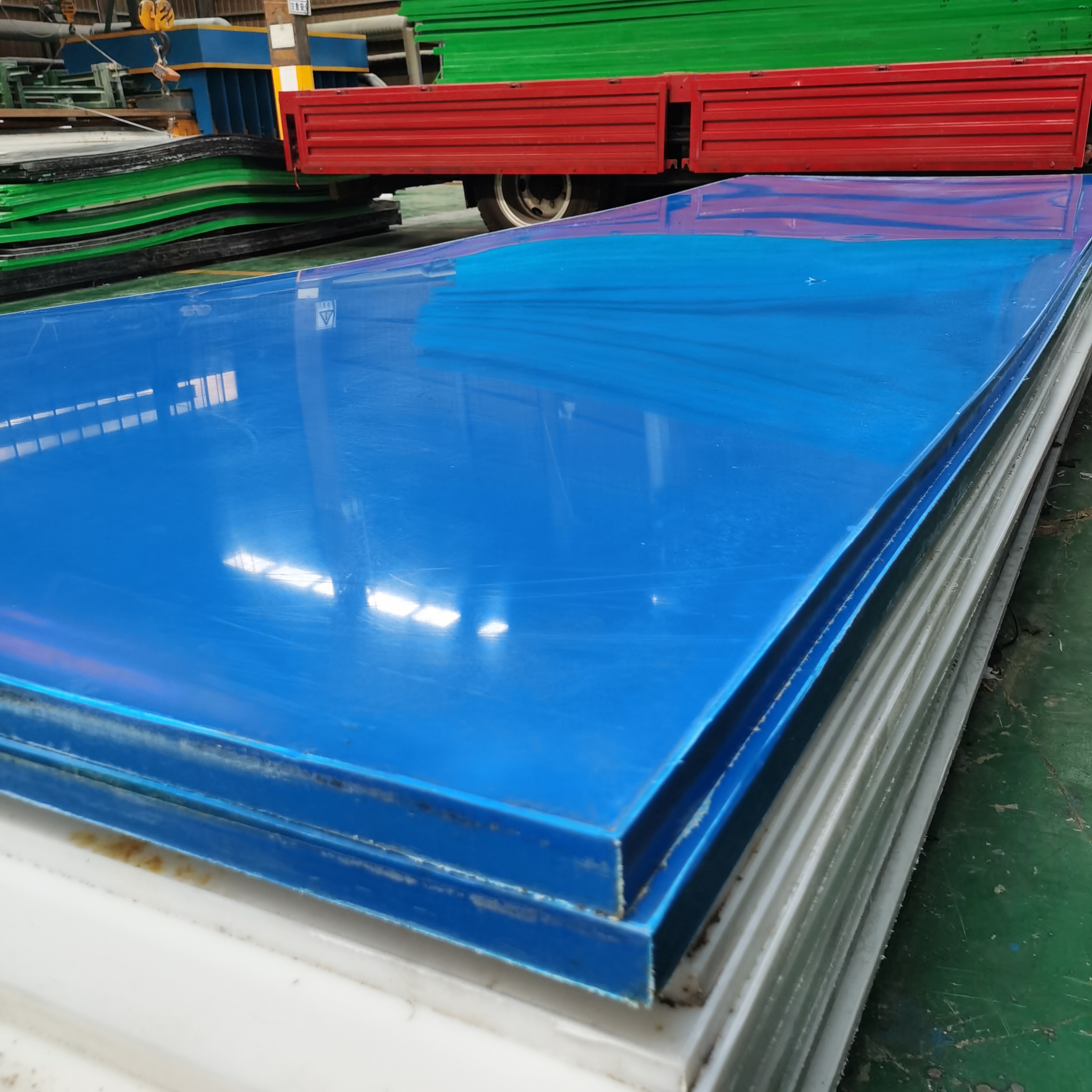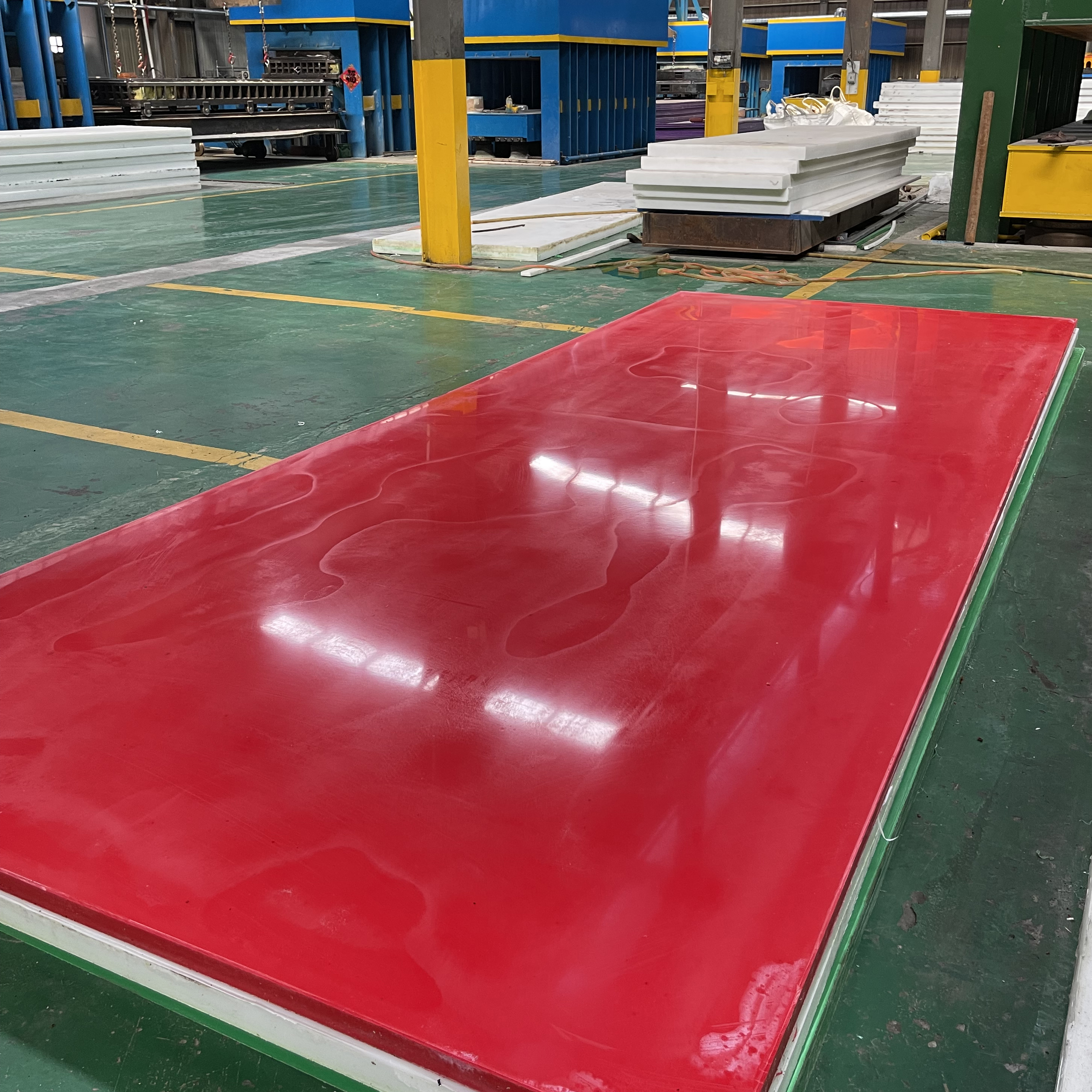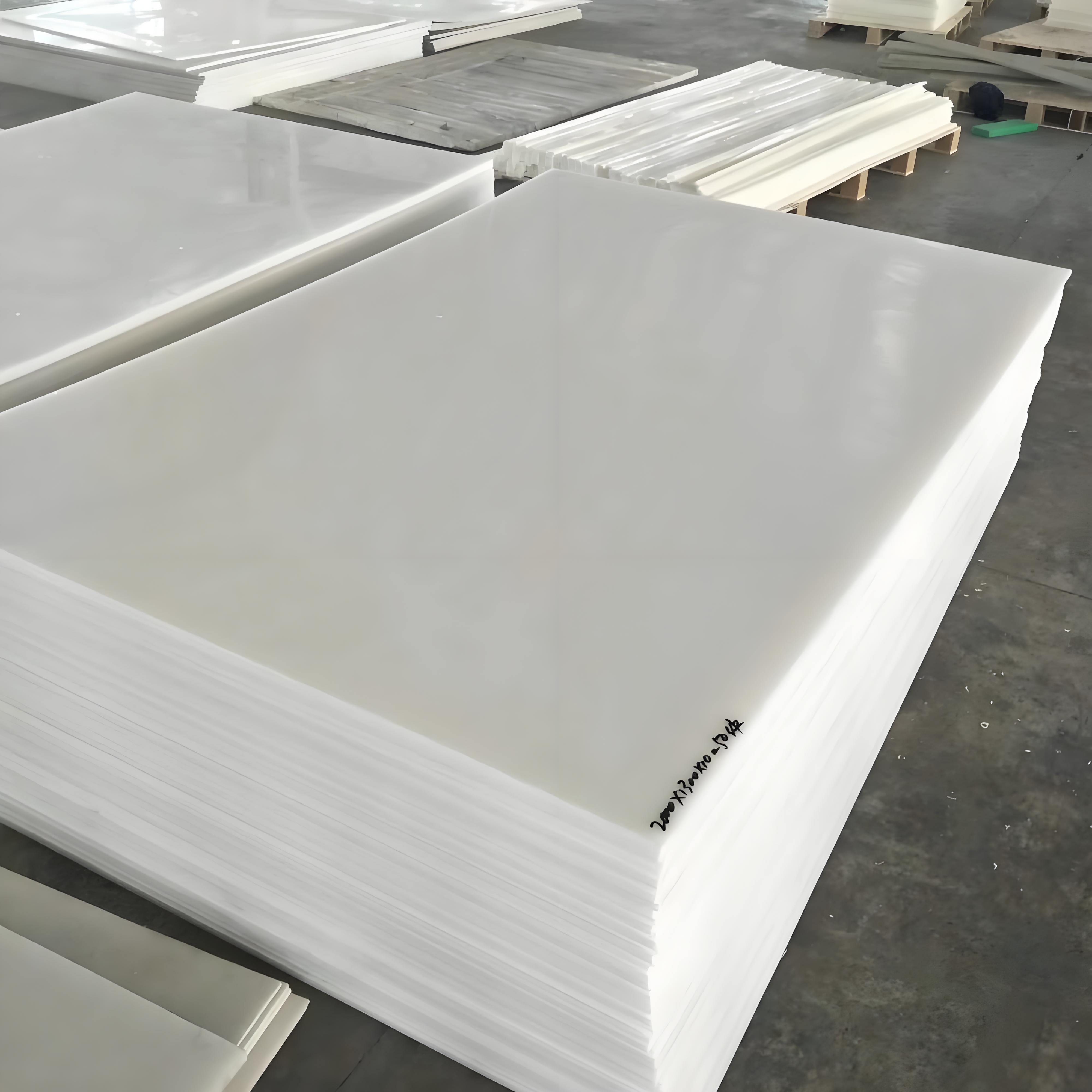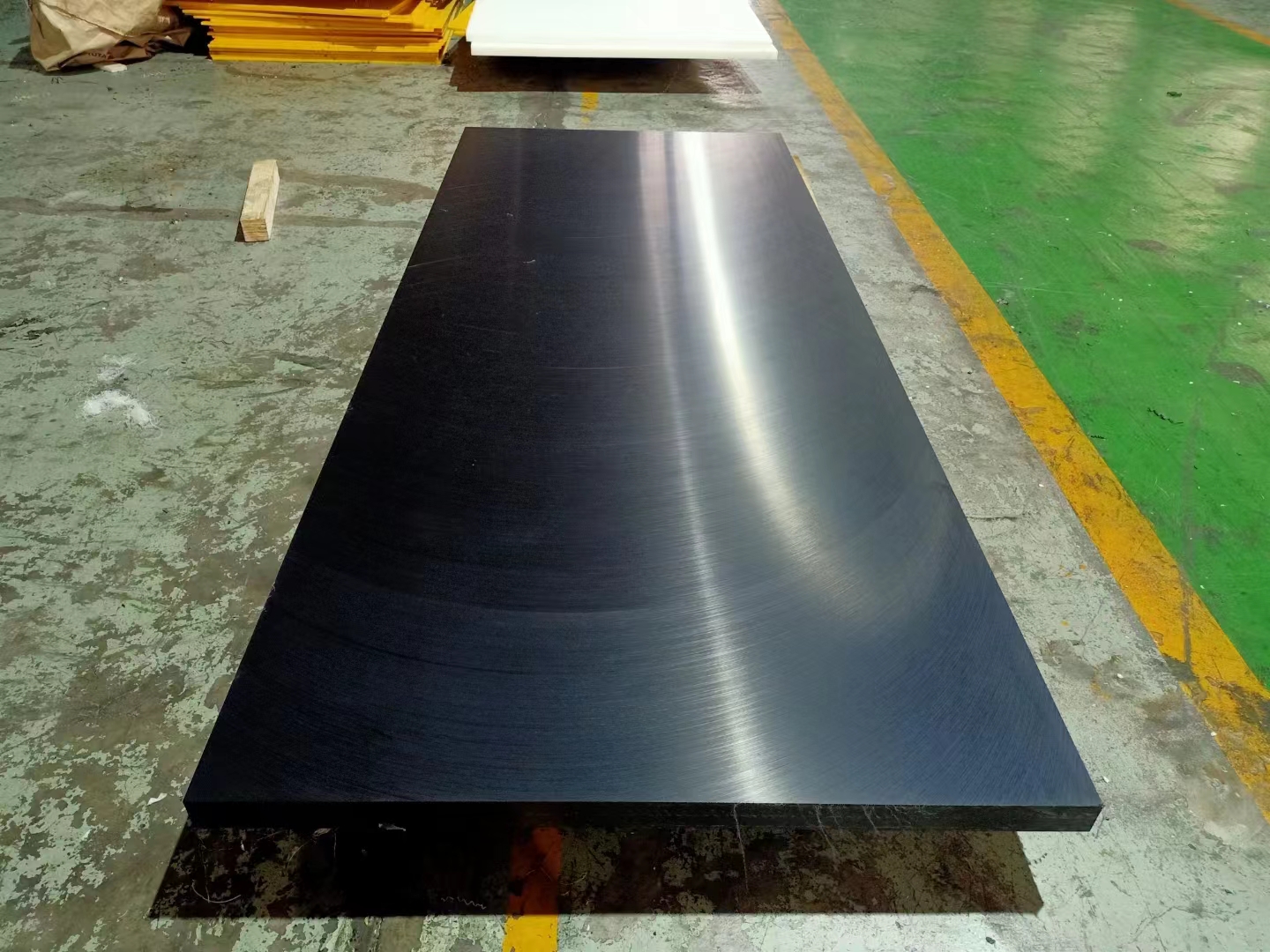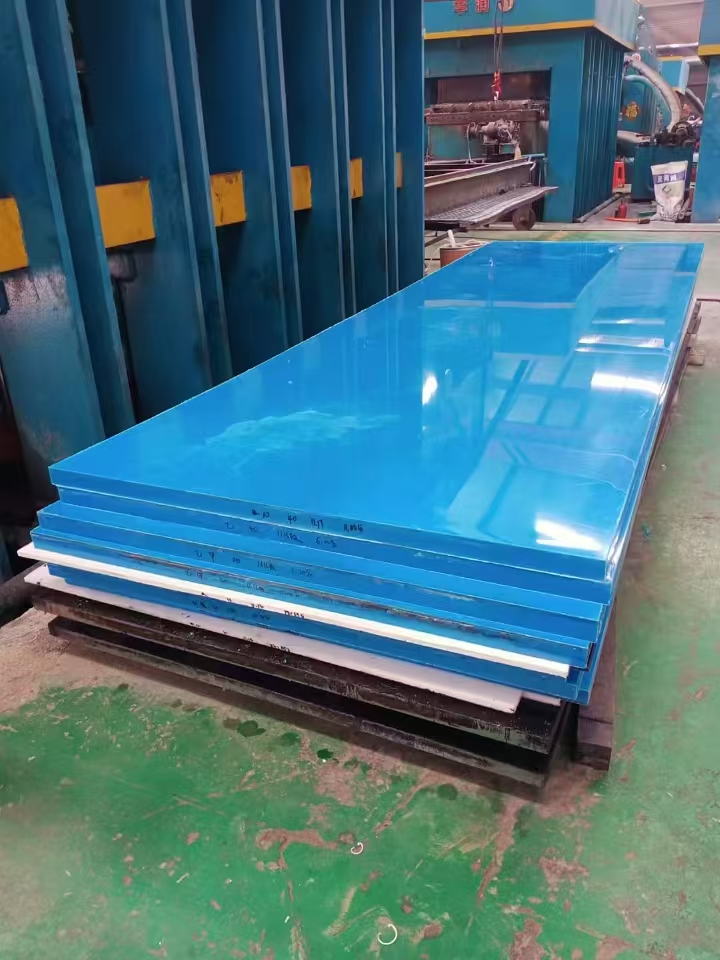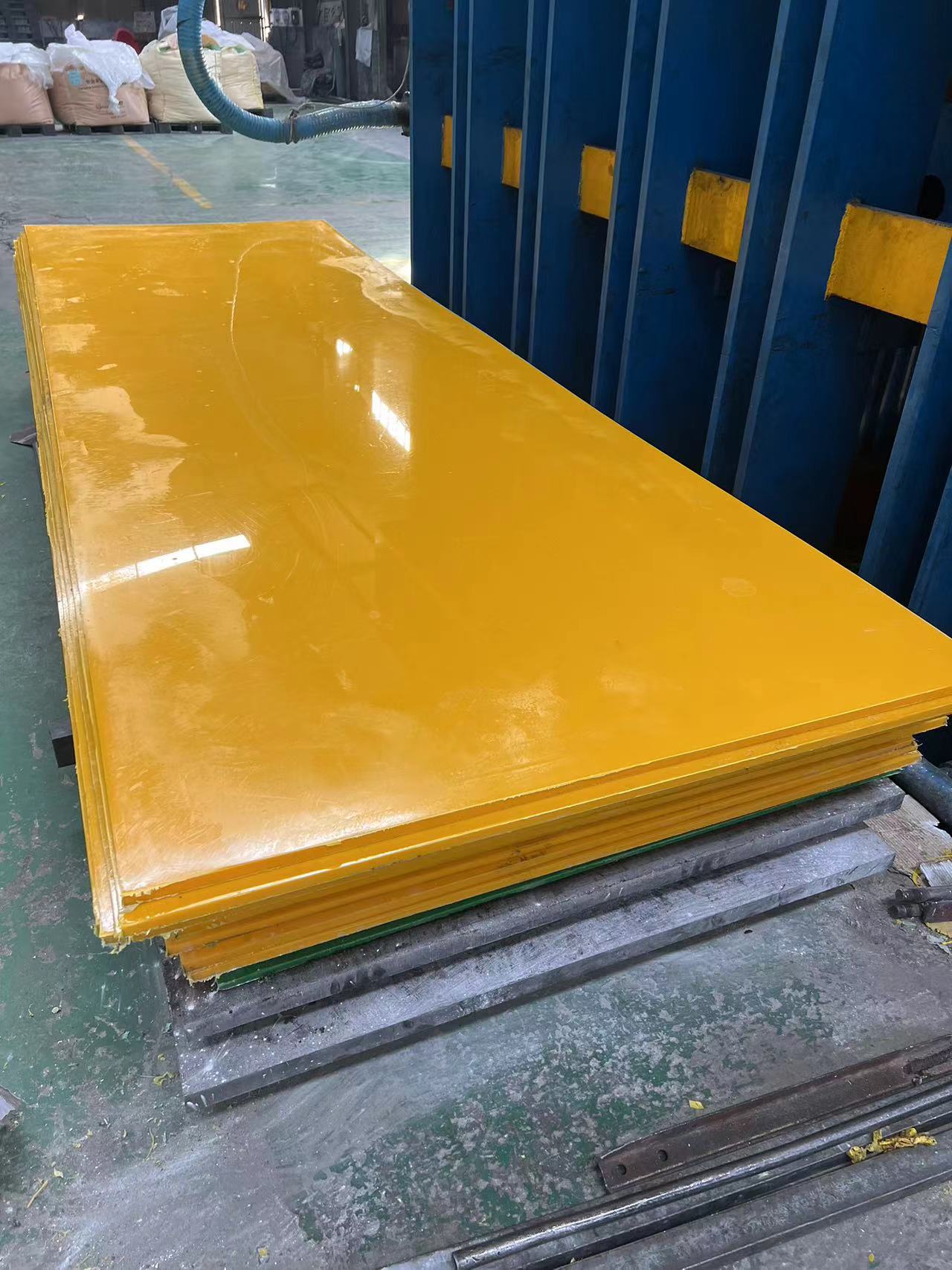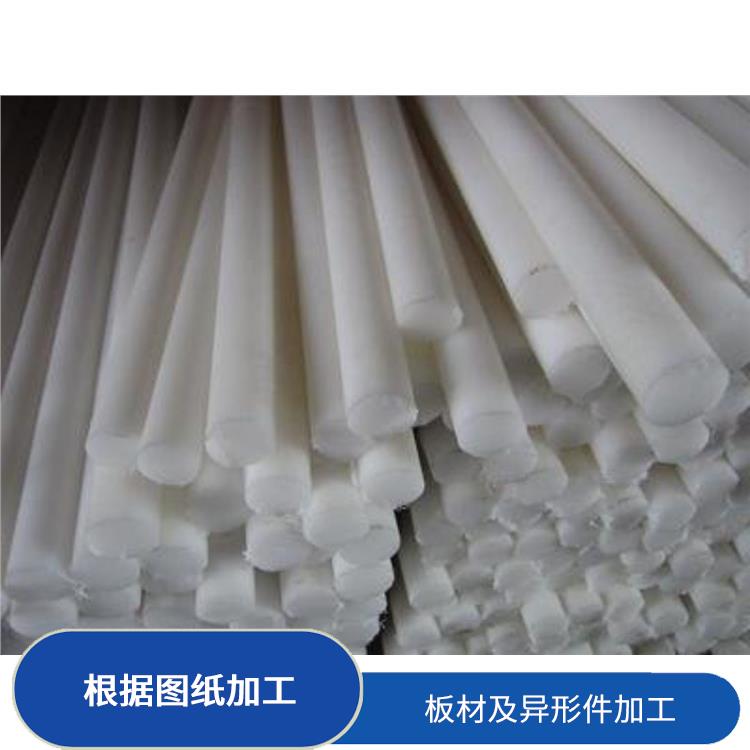

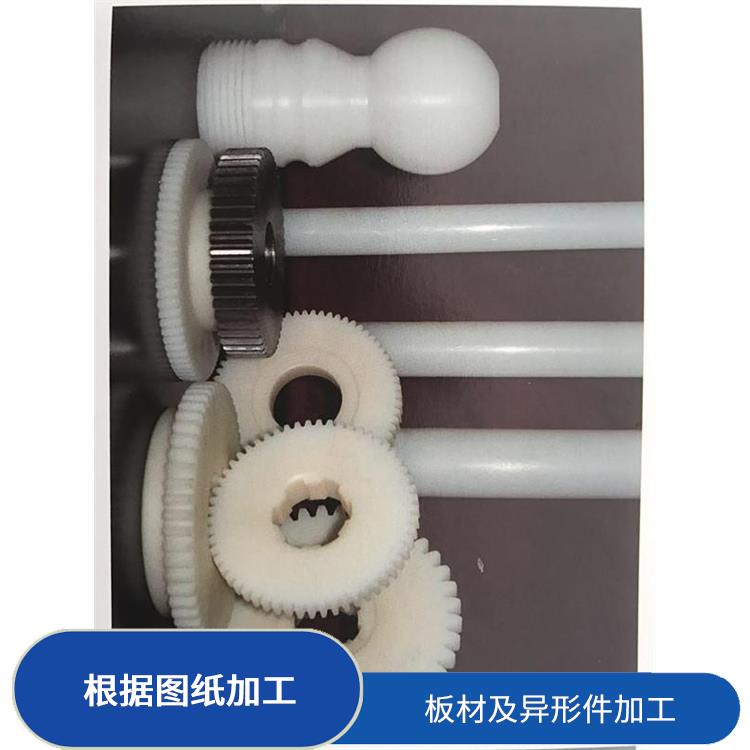
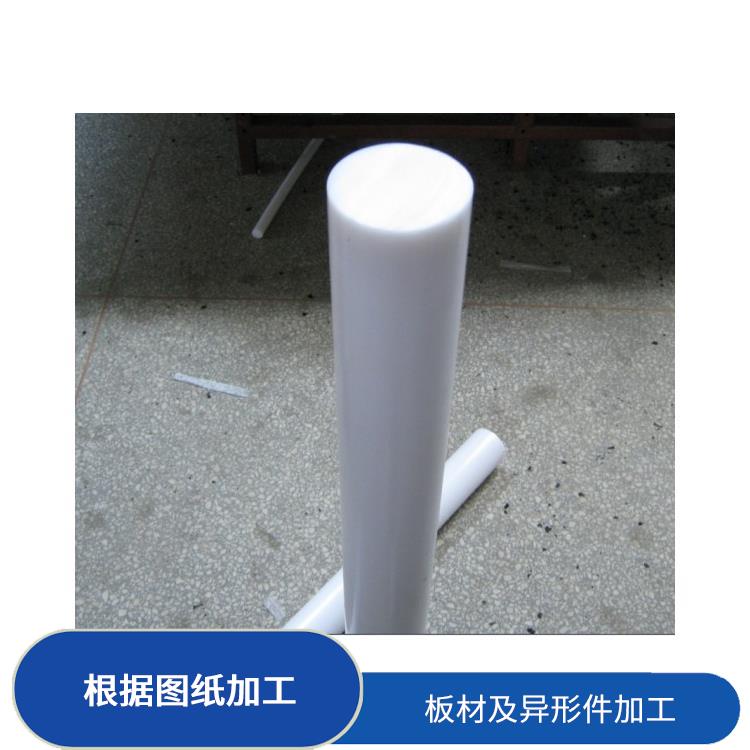


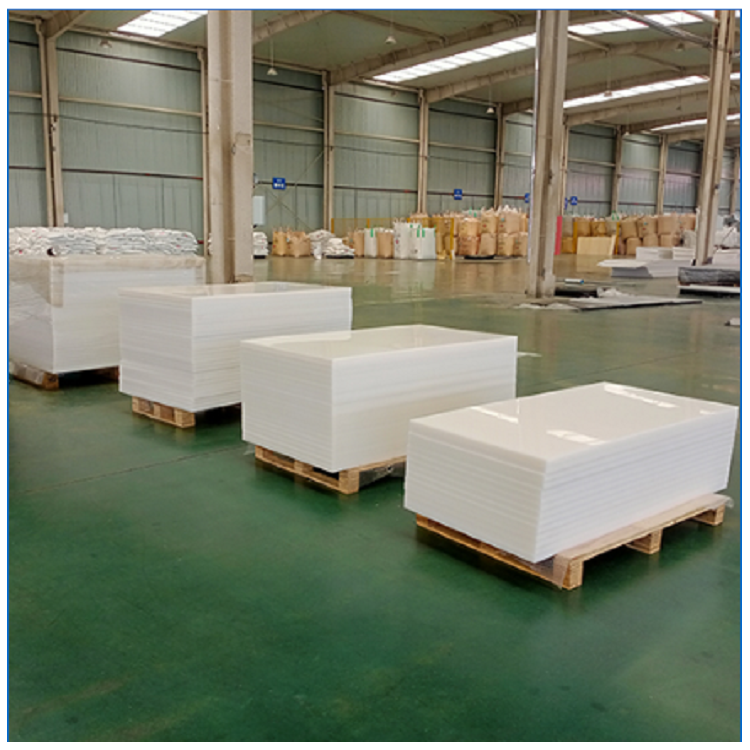
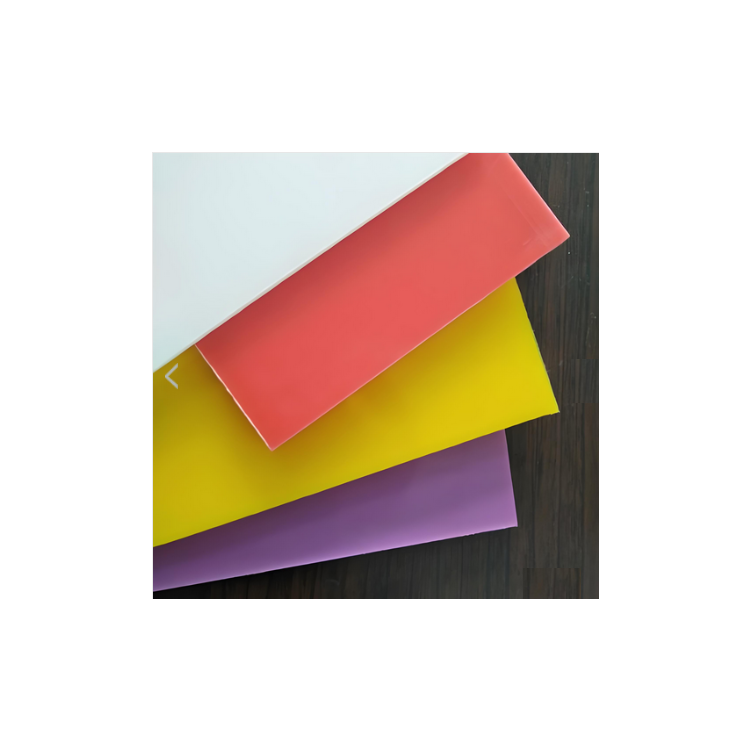
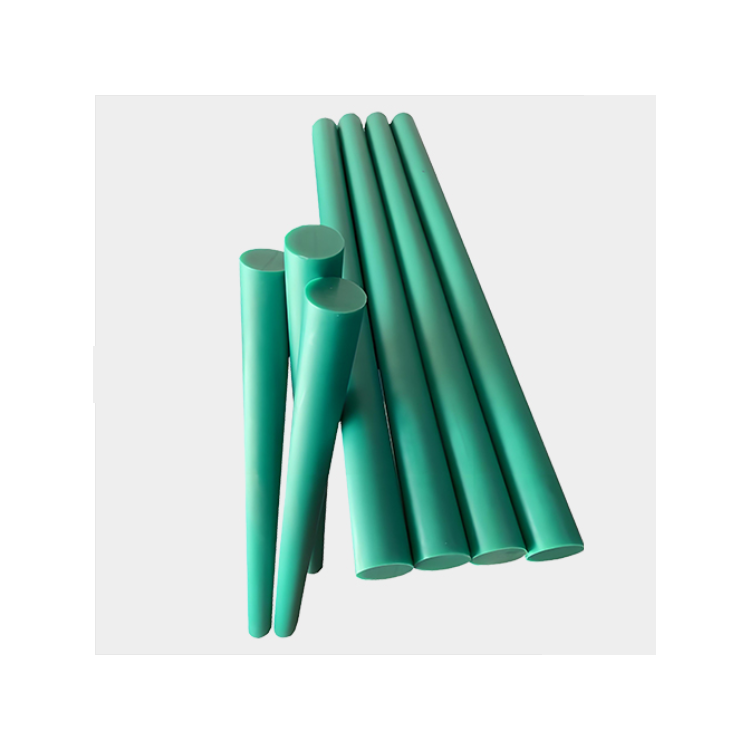
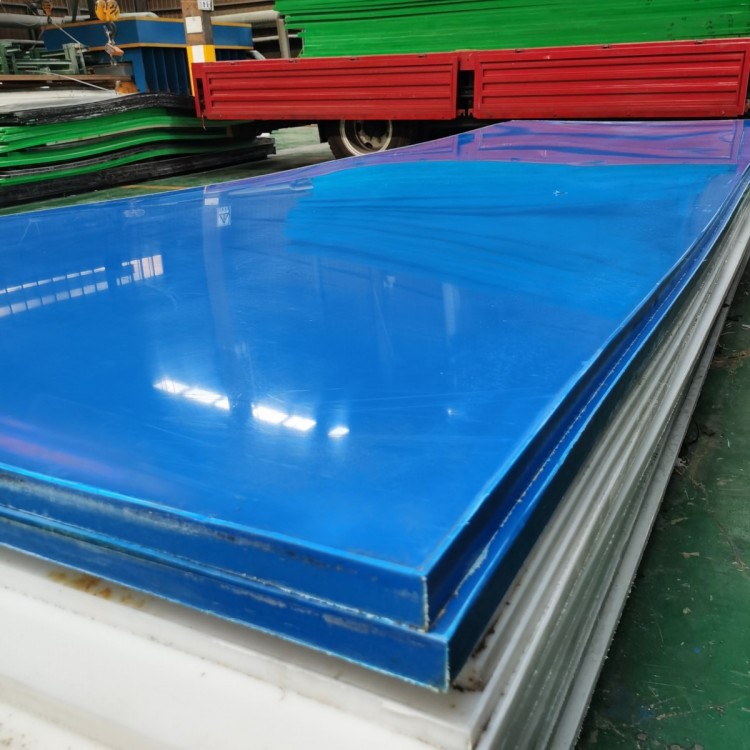
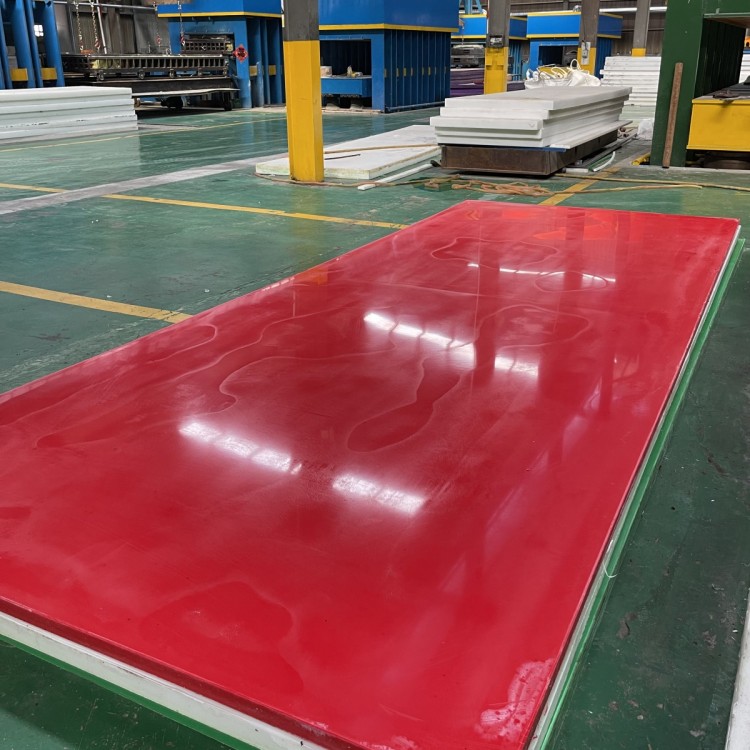





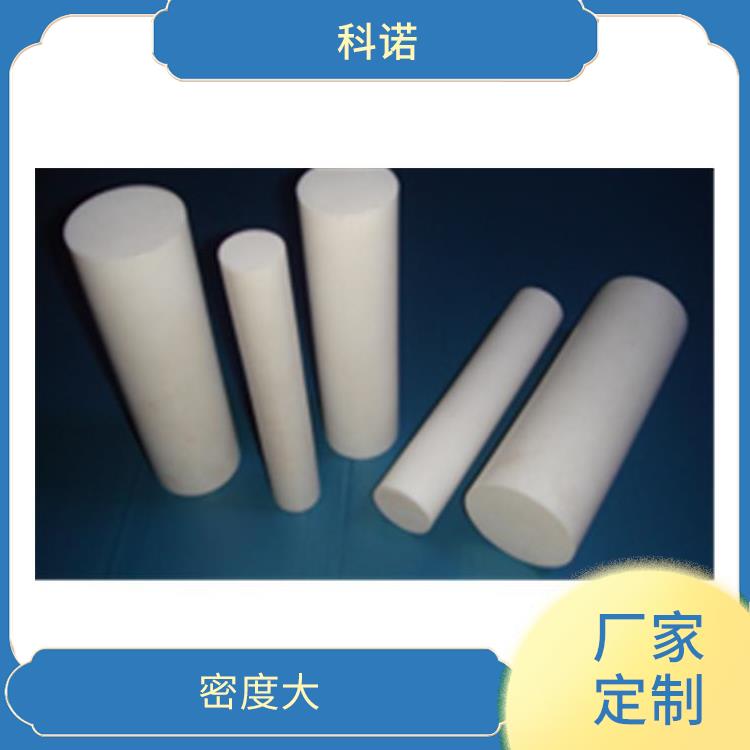
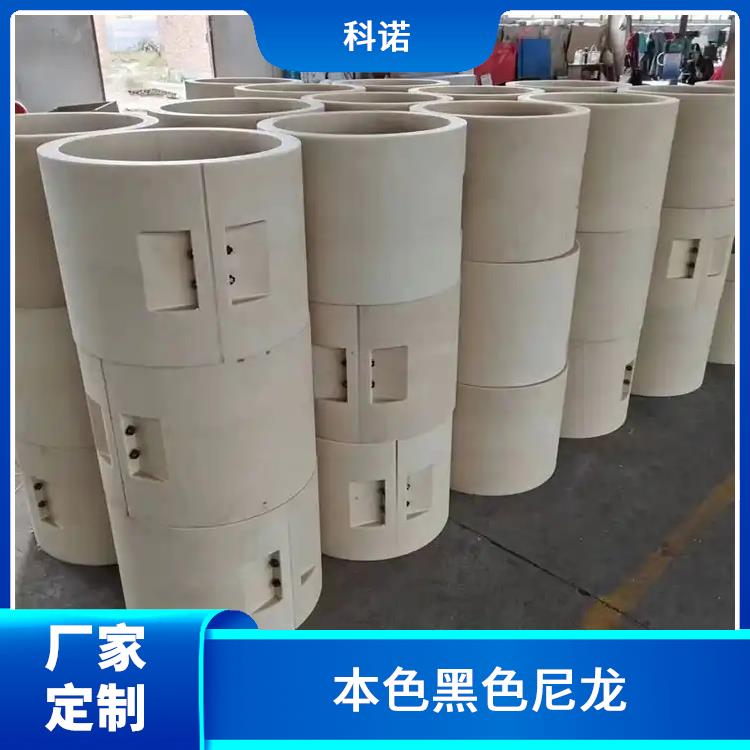
POM boasts metallic-like hardness, strength, and rigidity, self-lubricating properties over a wide range of temperatures and humidity, excellent fatigue resistance, and high elasticity. Additionally, it has good chemical resistance. At a lower cost than many other engineering plastics, POM is replacing some markets traditionally occupied by metals, such as zinc, brass, aluminum, and steel for many components. Since its introduction, POM has been widely used in electronics, electricals, machinery, instruments, daily consumer goods, automotive, construction materials, agriculture, and other fields. In many new applications, such as technology and sports equipment, POM also shows a strong growth trend.
What are the advantages of polyoxymethylene (POM)? Generally, the advantages of POM include:
High abrasion resistance
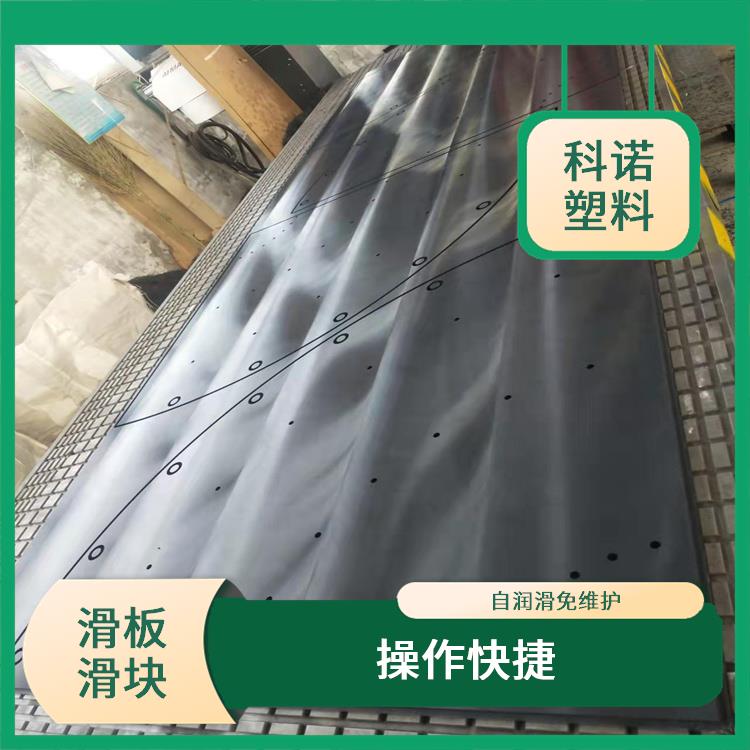
2. Low friction coefficient
High thermal resistance
4. Excellent electrical and dielectric properties
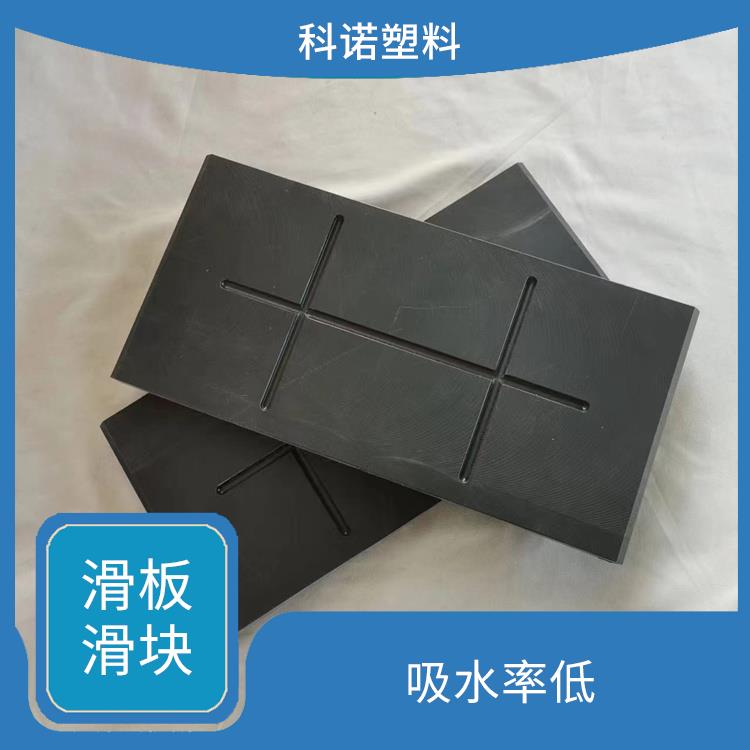
5. Low water absorption rate
CAS No.:9002-81-7
Molecular Formula: CH₂O
Molecular Weight: 30.0260
Polymethyl methacrylate (IUPAC name Polyoxymethylene, POM), also known as polyacetal, is a polymer (high molecular weight POM) with a general chain length of eight to one hundred units. Long chains are commonly used to make heat-resistant plastics, also known as POM plastics (POE, DuPont's Derlin). Due to its rapid decomposition and slight odor, it can be used for smoke sterilization and can also be used to prepare pure (can be used to make formaldehyde). It slowly generates at low temperatures, forming white precipitates.
Polyoxymethylene - Good electrical properties
Not affected by temperature (due to a low saturation water absorption rate, only 0.2~0.25%).
Abrasion-resistant wear resistance
Due to the higher crystallinity of polyoxymethylene (POM) compared to copolymer POM, the material boasts greater hardness and wear resistance. The Rockwell hardness of 100P POM is M88, while high-viscosity copolymer POM ranges from M78 to M80. Similarly, the molecular chains of low-viscosity POM are more orderly, with slightly higher crystallinity, thus offering slightly better wear resistance than high-viscosity POM.
WeChat Official Account

Scan to follow Official Account