







Soft permeable pipe
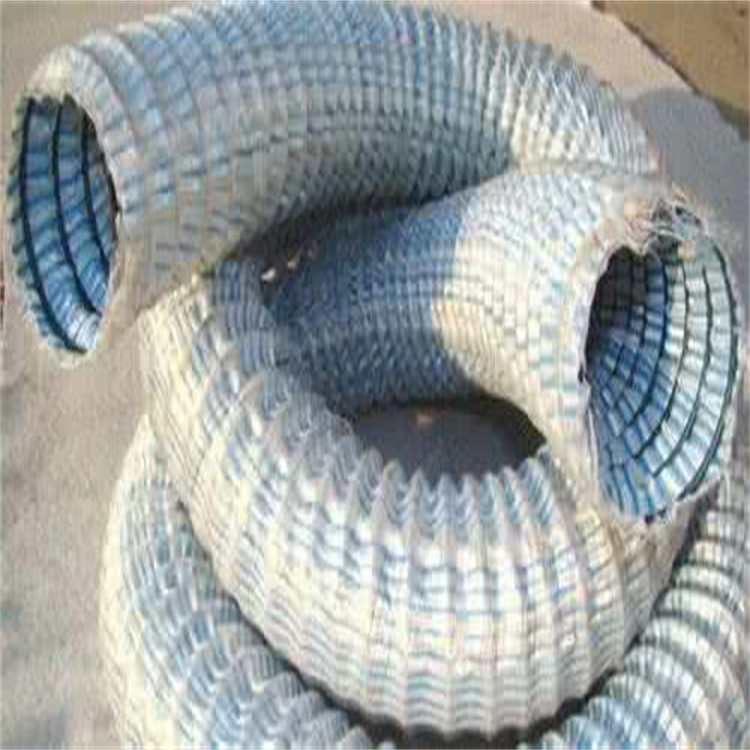
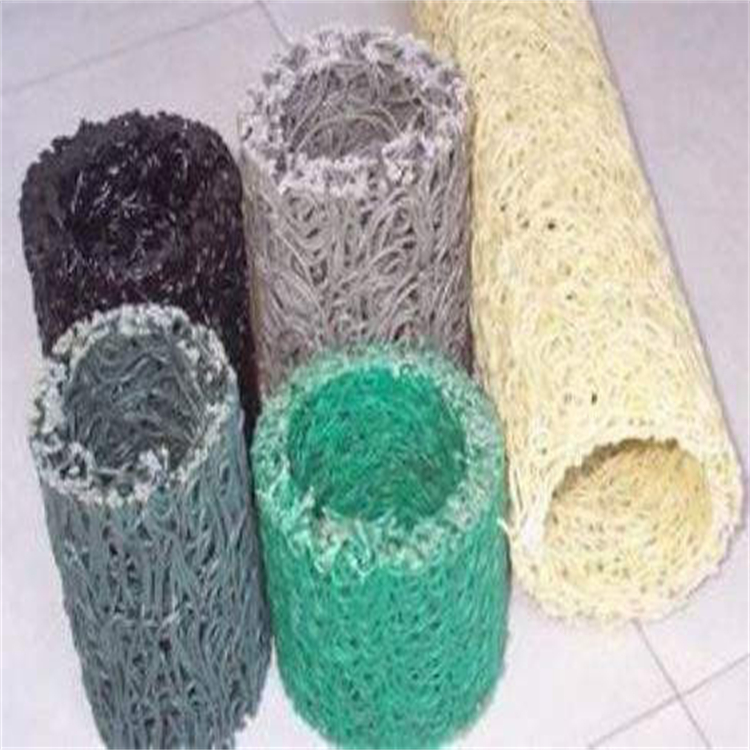
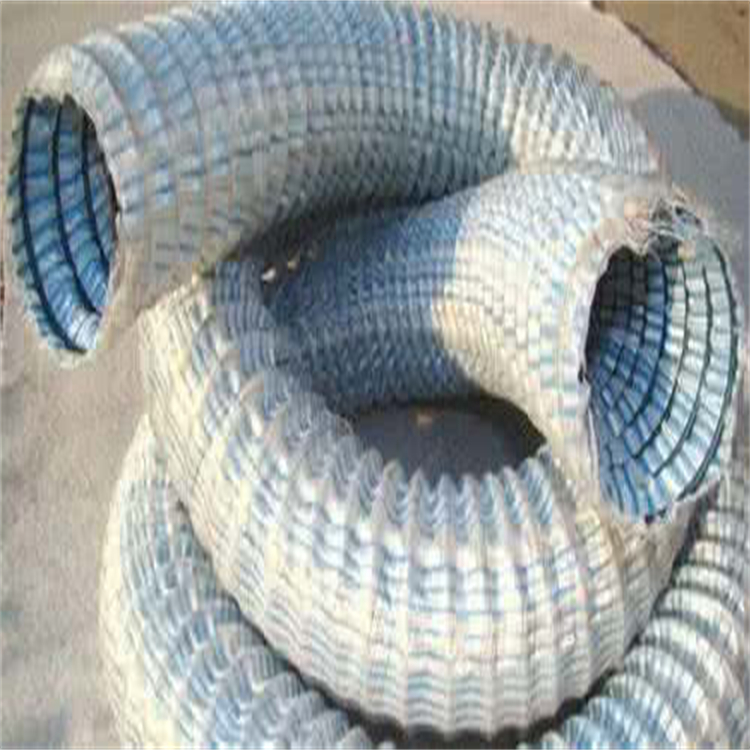
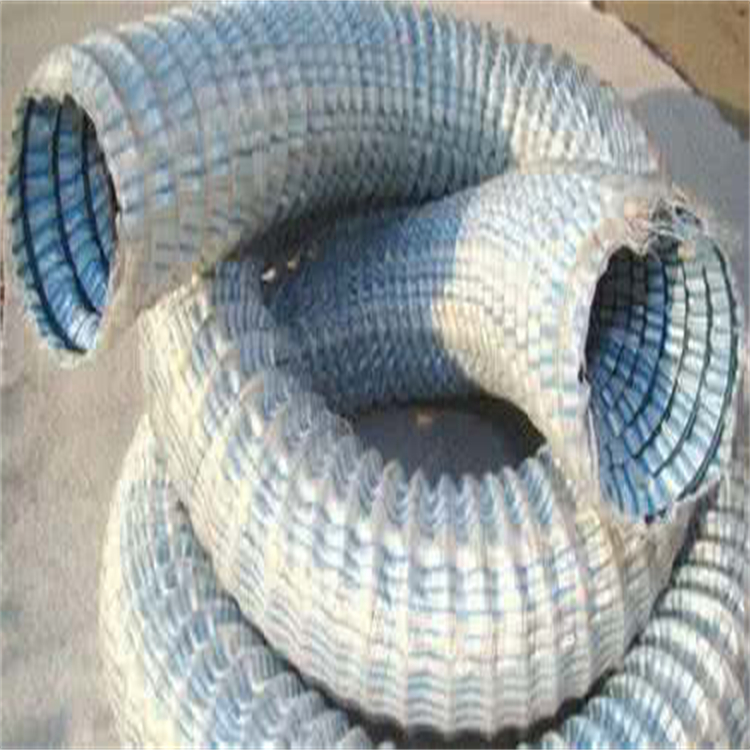
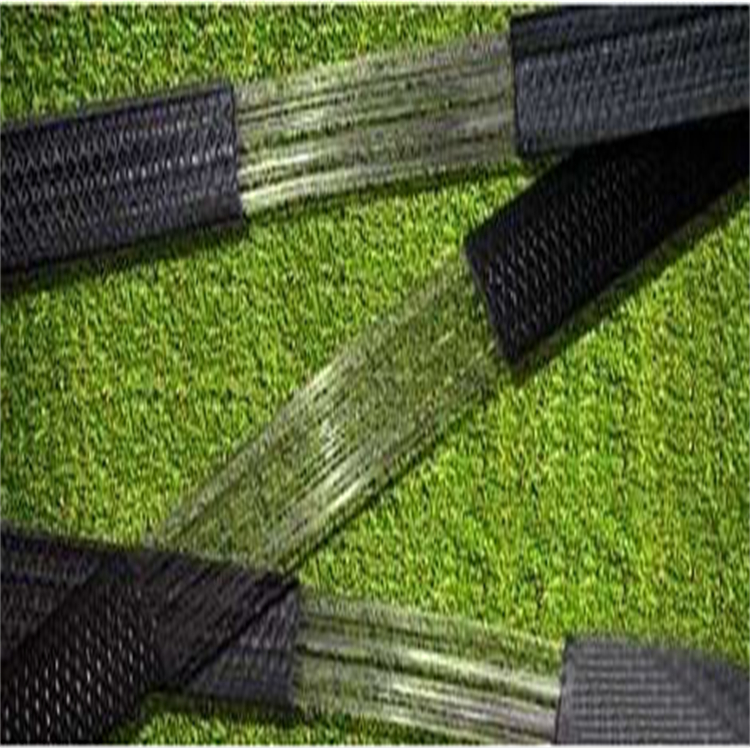
Soft permeable pipe is a new type of pipe material with the function of inverted filtration (drainage), which overcomes many drawbacks of other drainage pipes. Due to its unique design principle and excellent performance of its constituent materials, it has strong drainage and seepage effects. It uses the "capillary" phenomenon and "siphon" principle to collect water absorption, permeability, and drainage in one go, and has the ability to withstand pressure, permeability, and filtration to meet engineering design requirements. It does not break due to geological or geographical temperature changes, and can achieve the effect of discharging clean water without causing secondary pollution to the environment. It belongs to a new type of environmentally friendly product. Due to its simple construction, no joints, and no special requirements for geology and terrain, any place that requires concealed drainage can be used freely.
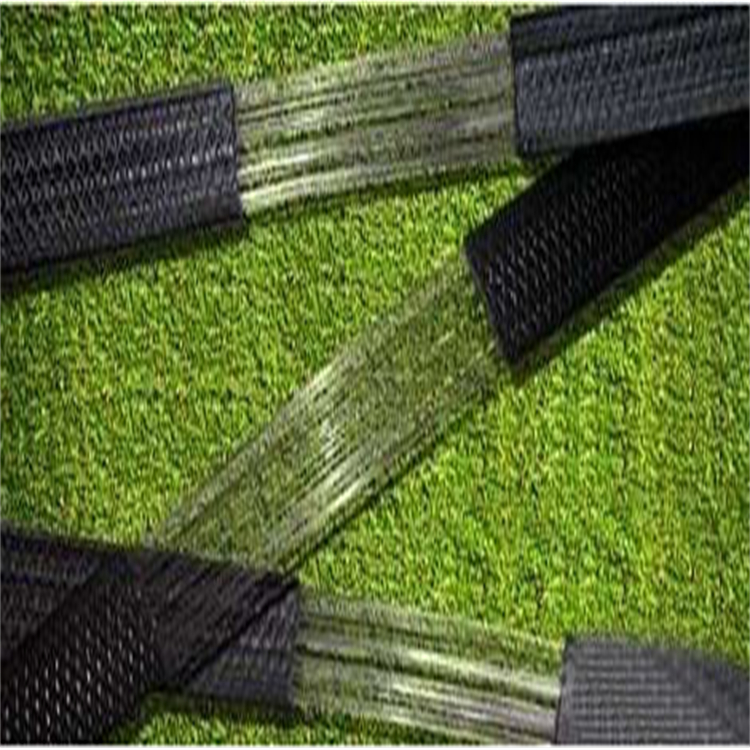
⑴ High carbon steel wire: treated with phosphoric acid rust prevention and covered with PVC to prevent acid and alkali corrosion. The unique steel wire spiral skeleton ensures a smooth surface of the pipe wall and can withstand pressure.
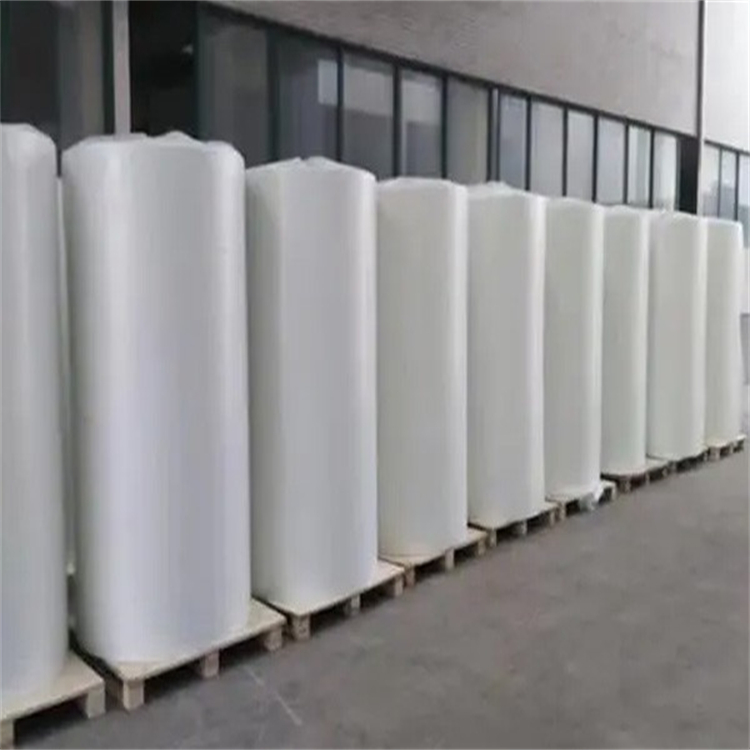
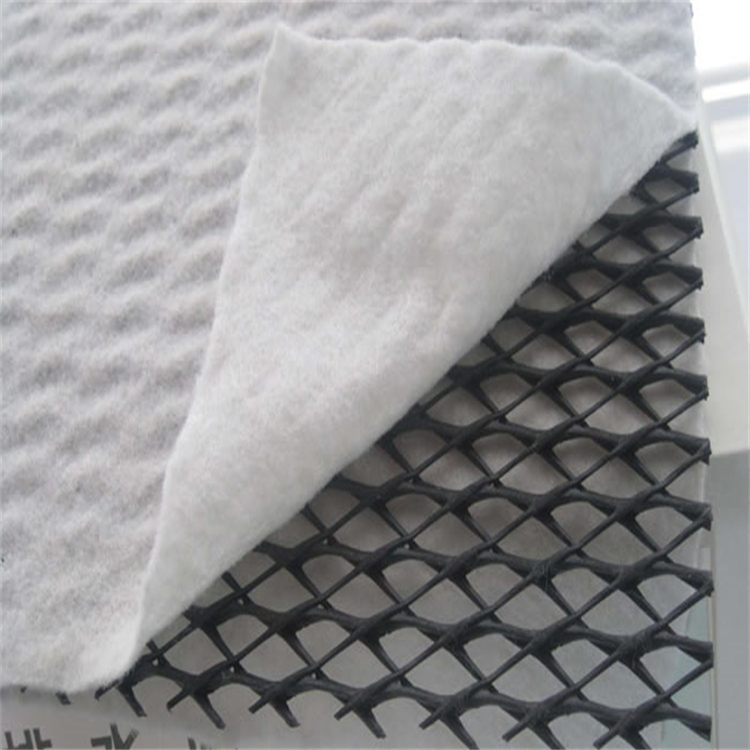
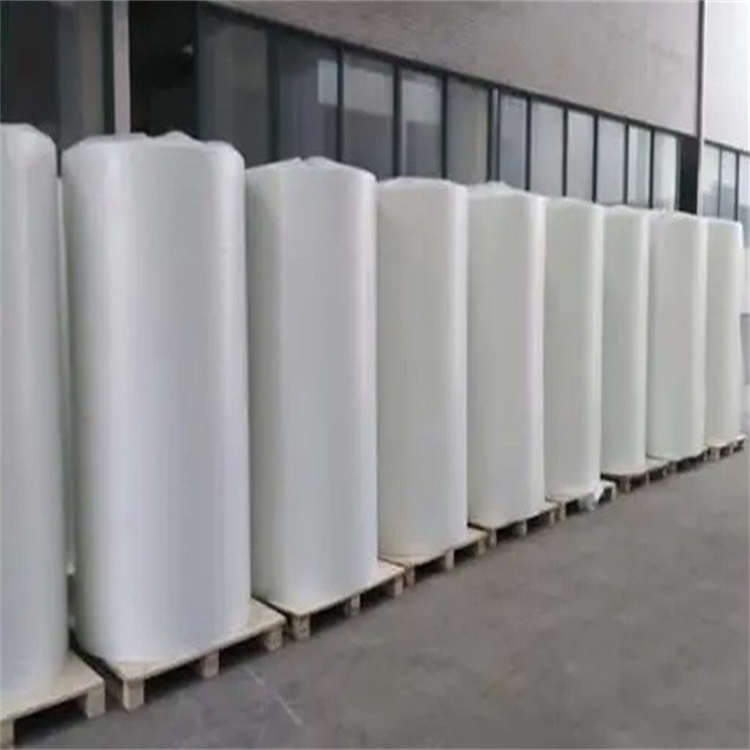
⑵ Non woven filter layer: Ensure effective filtration and prevent sediment from entering the pipe.
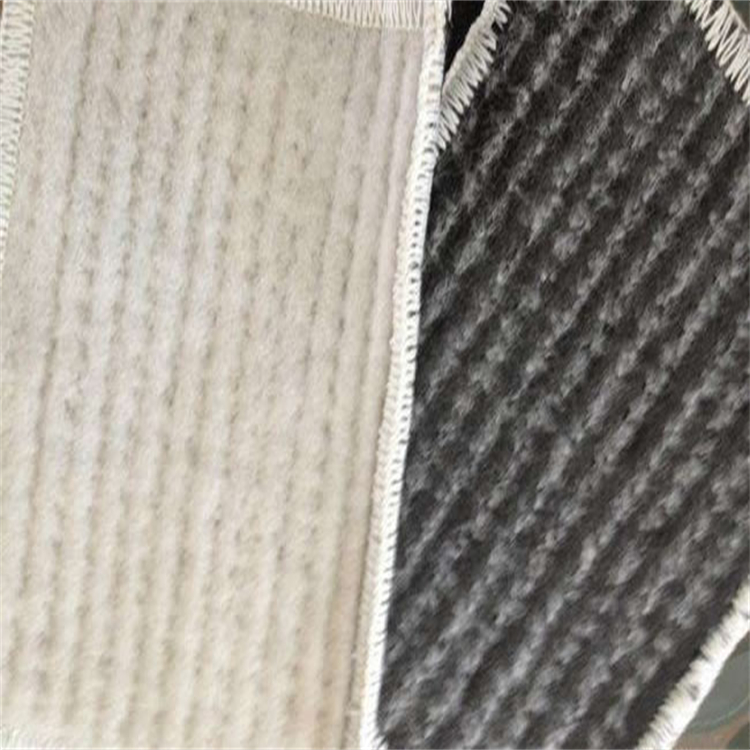
⑶ Synthetic polyester fiber: The warp yarn is made of high-strength polyester yarn or nylon yarn coated with PVC, and the weft yarn is made of special fibers to form sufficient tensile strength.
have:
1) Small pore diameter, all-round permeability, good permeability;
2) High compressive and tensile strength, long service life;
3) Good corrosion resistance and resistance to microbial erosion;
4) Good overall continuity, few joints, and easy connection;
5) Lightweight and easy to construct;
6) Advantages such as soft texture and good adhesion with soil.
Mainly applicable to:
1) Vertical and horizontal drainage on the north side of various retaining walls;
2) Highway, railway subgrade, shoulder, and soft soil foundation drainage;
3) Drainage of tunnels and underground passages;
4) Drainage of power ash dam and water conservancy dam body;
5) Drainage and vegetation protection in the central isolation zone of highways;
6) Drainage of outdoor sports facilities;
7) Horizontal drilling and drainage;
8) Easy to collapse and slide drainage slope protection;
9) Roof garden and flower bed drainage;
10) Water conservation on mountain slopes;
11) Underground drainage for land preparation projects;
12) Low lying drainage and saline alkali land renovation system.
Technical Indicators: