








Overview
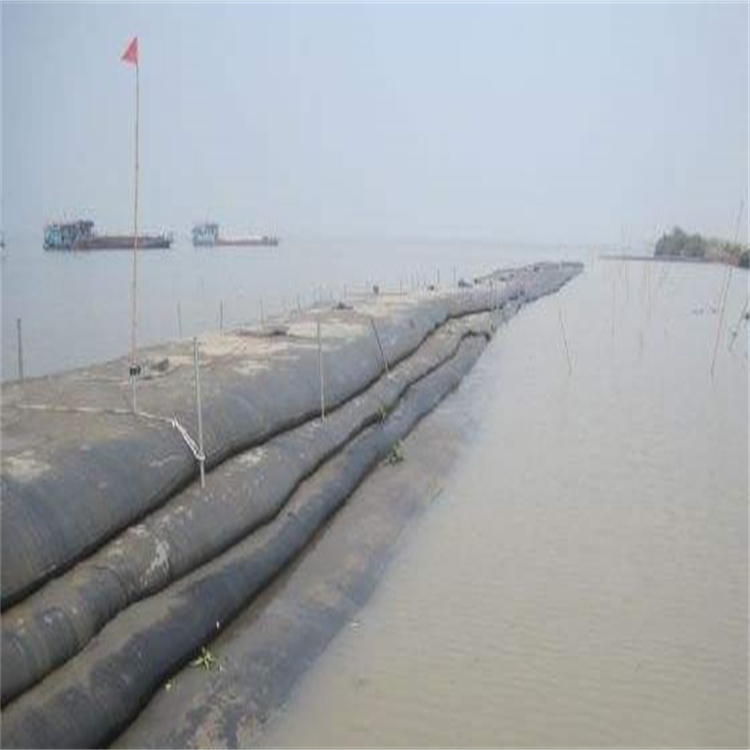
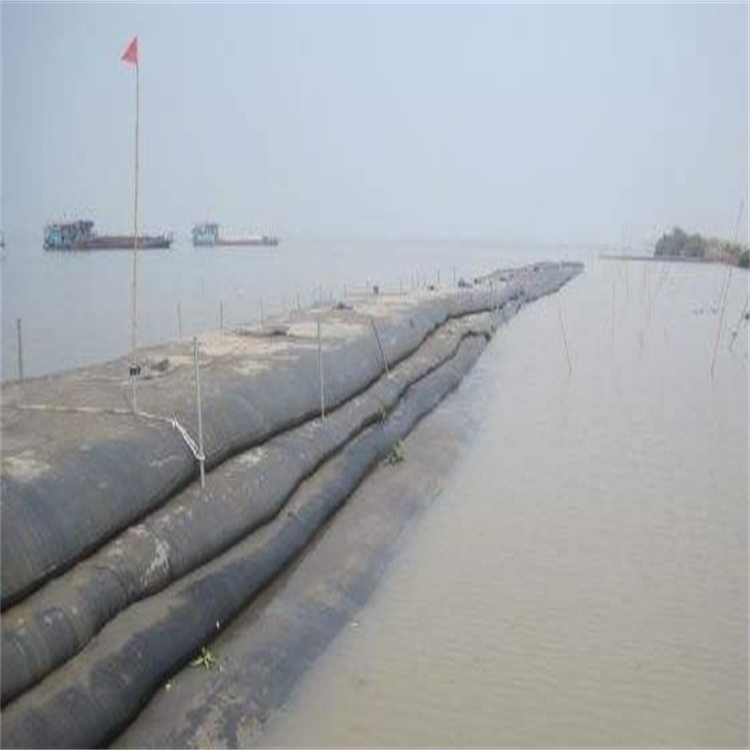
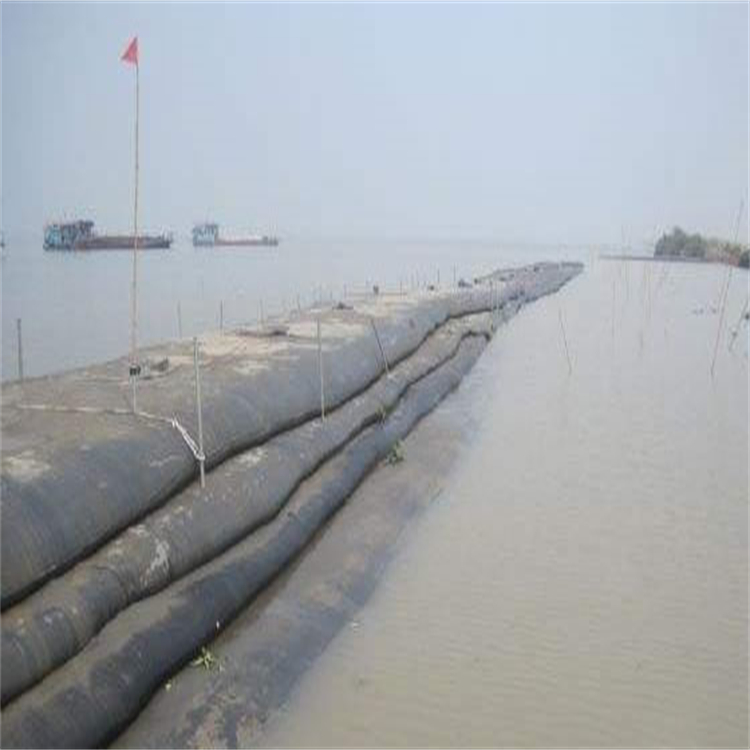
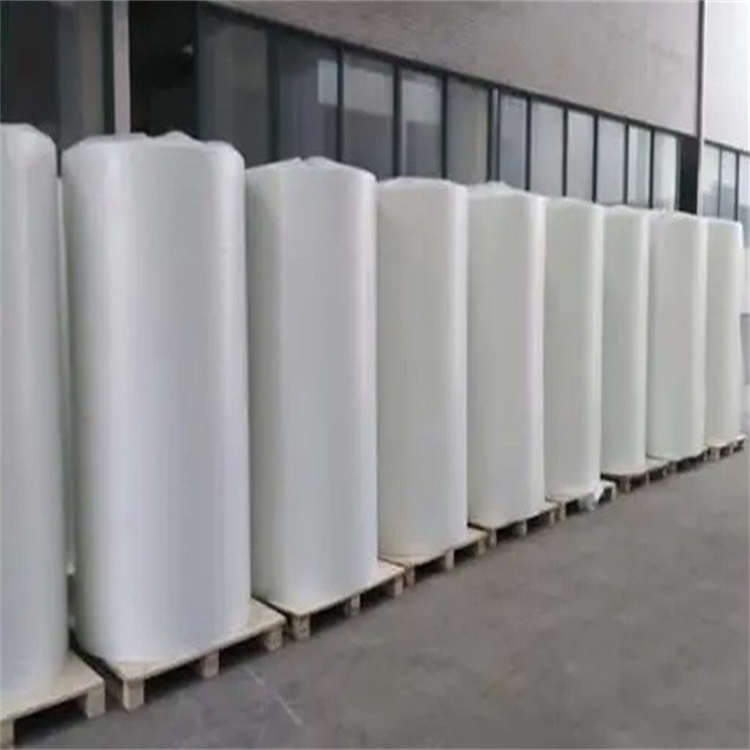
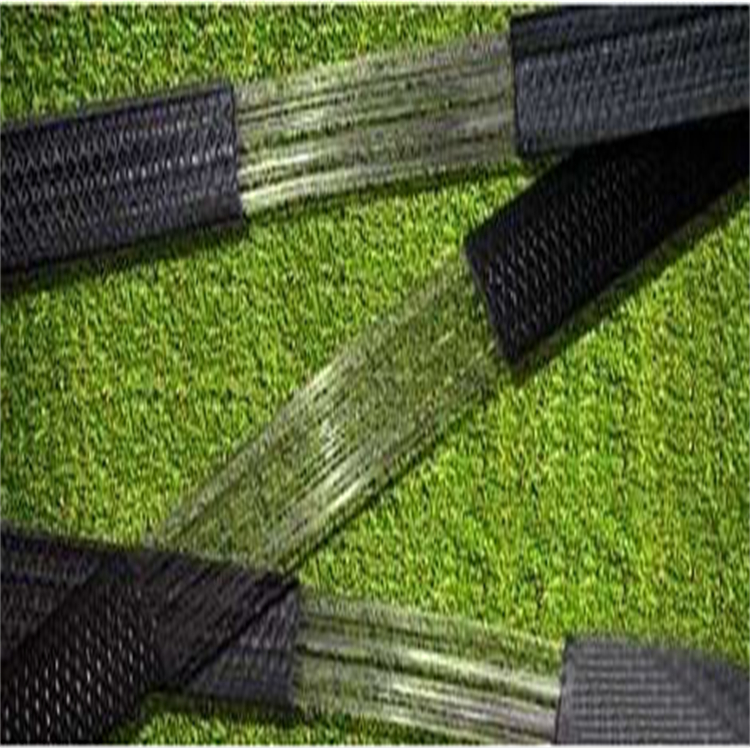
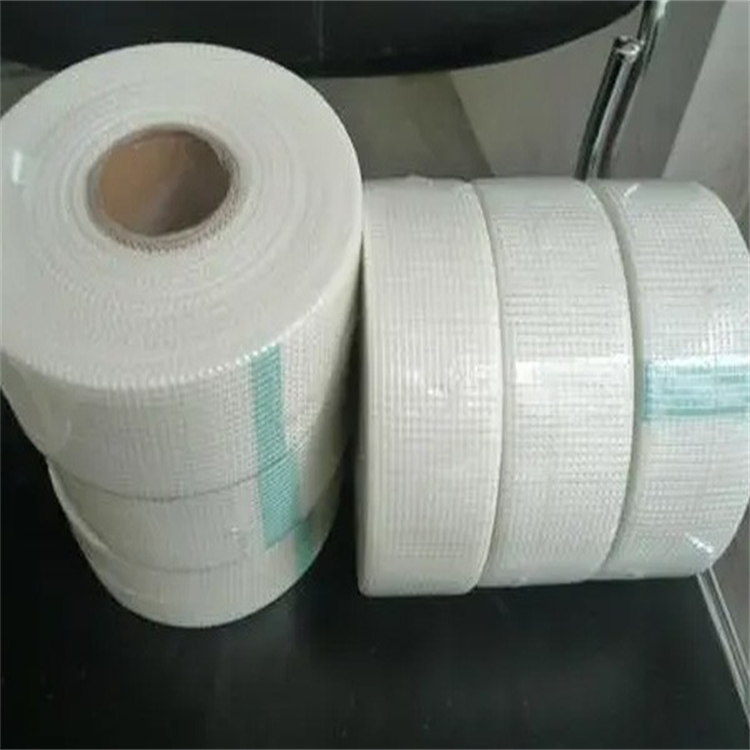
Pillowbags (also known as sand-filled bags or filling sand bags): Utilizing the characteristics of high strength and low elongation of materials such as woven geotextile from plastic flat yarn, membrane yarn woven fabric, and long fiber woven fabric. The bags are sewn from single or multiple widths of base fabric according to the design dimensions, with a flush filling sleeve set regularly on the top and fixed handles around the perimeter.
Key Features
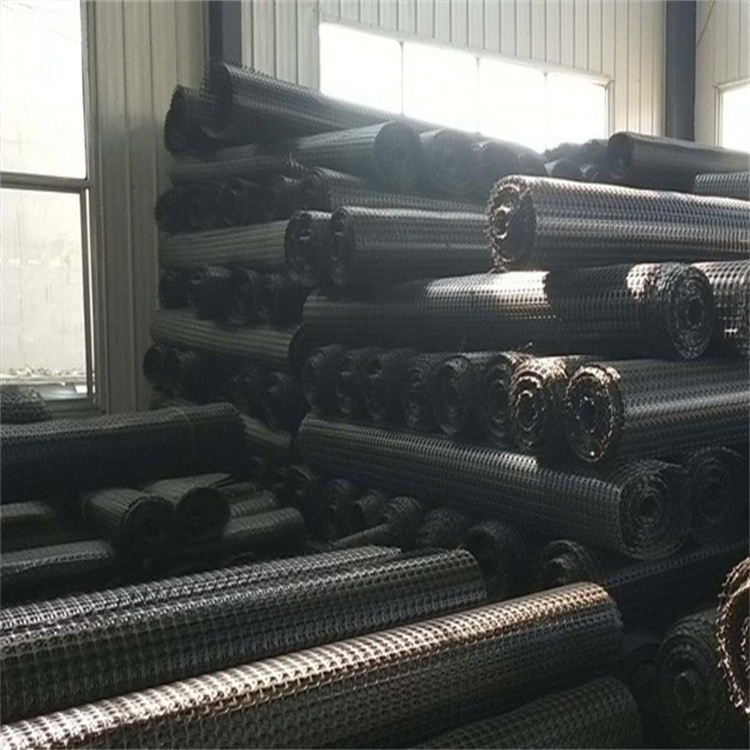
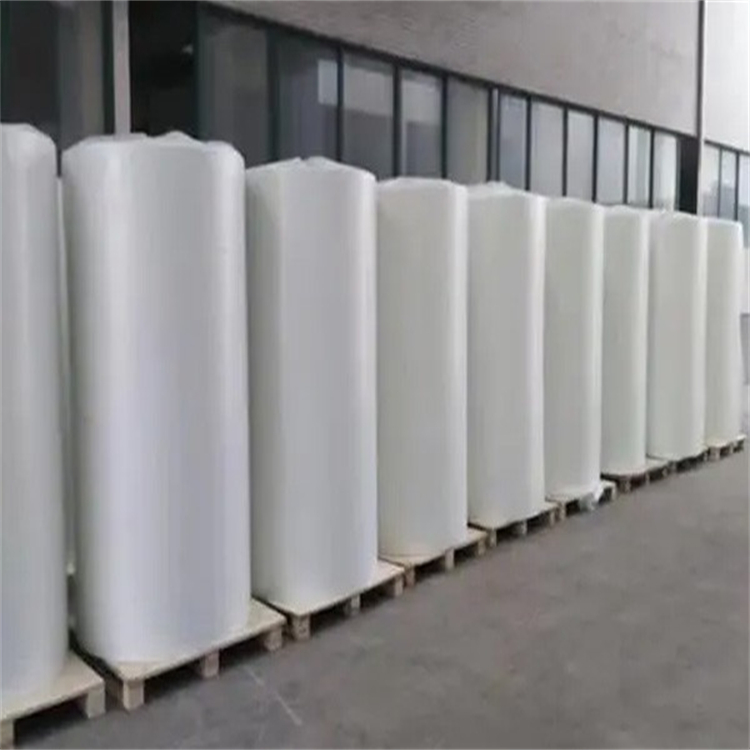
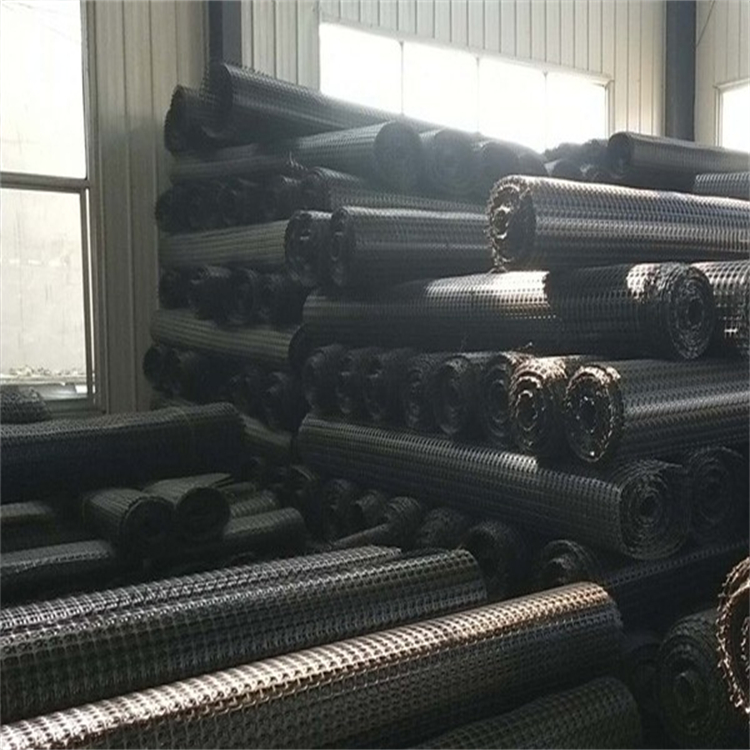
Our woven geotextiles feature lightweight, high strength, low elongation, good integrity, easy installation, excellent reinforcement properties, and competitive pricing.
Primary Functions
(1) Reinforcement Effect: It can stabilize and limit the movement of the project over an extended period of use, and it allows the local stresses acting on the soil to be transferred or distributed over a larger area.
(2) Separation Function: Use geotextiles to separate different geosynthetic materials, forming a stable separation interface. This allows each material to perform its respective characteristics and contribute to the overall function as required.
(3) Drainage and Filtration Function: Geotextile allows water to pass through while preventing the loss of soil particles, and when used for drainage, placing the geotextile in soil with poor permeability serves the purpose of slowly pumping water and quickly draining it along the geotextile.
(4) Geotextiles and geomembranes, when used together between materials with different pressures, can act as tension separation membranes.
(5) Bar Screen Function: The ability to place geotextile horizontally across a channel of flowing liquid containing suspended particles, which prevents fine silt particles while allowing the liquid to pass through.
(6) Functions as a buffer pad: Placing geotextile on slopes prevents soil particles from being washed away due to rainfall or for establishing turf.
Application Fields
Sea reclamation, wharf construction, artificial islands, river barrage, floodgates, and temporary/permanent cofferdams, flood control and rescue operations.
Process Description
Determine the dimensions of the dewatering bags based on cross-sectional size and engineering requirements. During processing, lay the approved materials (coiled material) flat on the open ground in the processing workshop. Measure and cut according to the processing dimensions, and simultaneously mark the positions for the filling sleeves. For dewatering bags that need to be laid in water, the length is generally controlled at 15-20m, with a height of 0.5m. At intervals of 5-10m on the surface of the bag, set a sand-filling hole, which is processed into a sleeve shape and connected to the bag. After the dewatering bags are processed, transport them to the construction site, cover them with a tarp to prevent direct sunlight, and ensure their protection.
Cautionary Notes
1. Proper protective measures must be taken during transportation. Sack灌 bags that will be exposed to the elements for a long time should use anti-aging geotextiles.
2. Ensure proper fitting of the filling bag sleeve and secure the pull rings during stitching.
3. The filling level of the filling bags should be maintained at over 80%, and construction for the upper layer filling can be initiated once the consolidation of the lower layer filling bags reaches 70%.
4. The filling material is sandy loam, with less than 10% clay content for particles smaller than 0.005 mm, and particles larger than 0.075 mm should account for more than 50%.
Performance Specifications GB/T17690-1999
Serial Number | Project | Index | ||||||
20-15 | 30-22 | 40-28 | 50-35 | 60-42 | 80-56 | 100-70 | ||
1 | Tensile strength after break kN/m ≥ | 20 | 30 | 40 | 50 | 60 | 80 | 100 |
2 | Tensile strength in warp direction kN/m ≥ | 15 | 22 | 28 | 35 | 42 | 56 | 70 |
3 | Tensile elongation in both warp and weft directions % ≤ | 28 | ||||||
4 | Tensile Strength kN ≥ | 1.6 | 2.4 | 3.2 | 4.0 | 4.8 | 6.0 | 7.5 |
5 | Vertical Penetration Coefficient cm/s | 10-1~10-4 | ||||||
6 | Effective Aperture O95 mm | 0.08~0.5 | ||||||
7 | Unit Area Weight g/m² | 120 | 160 | 200 | 240 | 280 | 340 | 400 |
Permitted deviation % | ±10 | |||||||
8 | Ultraviolet Resistance Retention % ≥ | As per design or contract requirements | ||||||