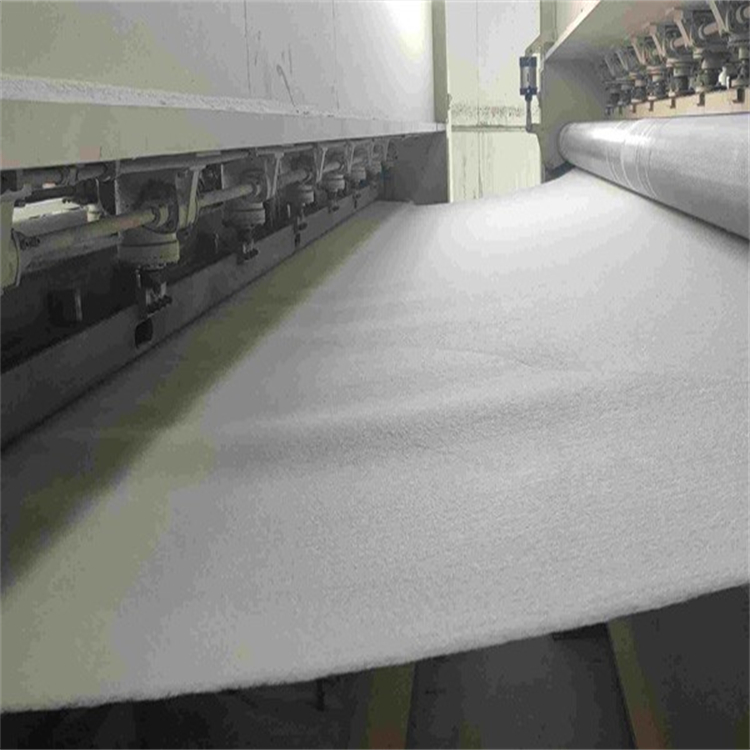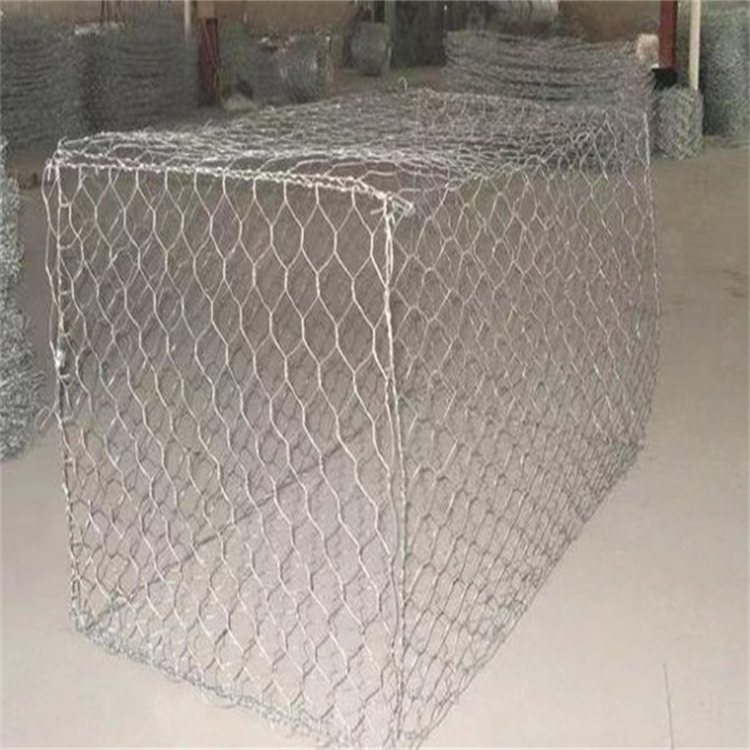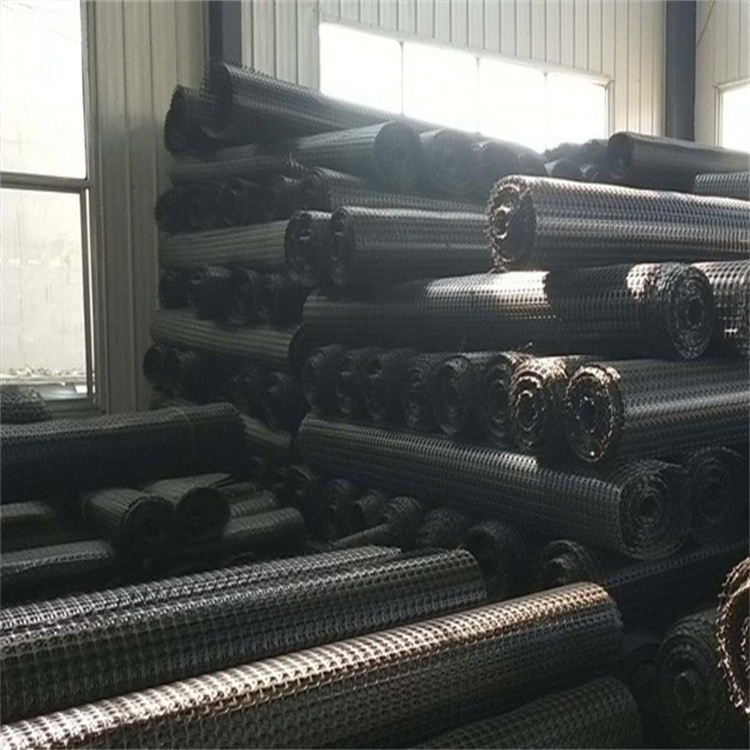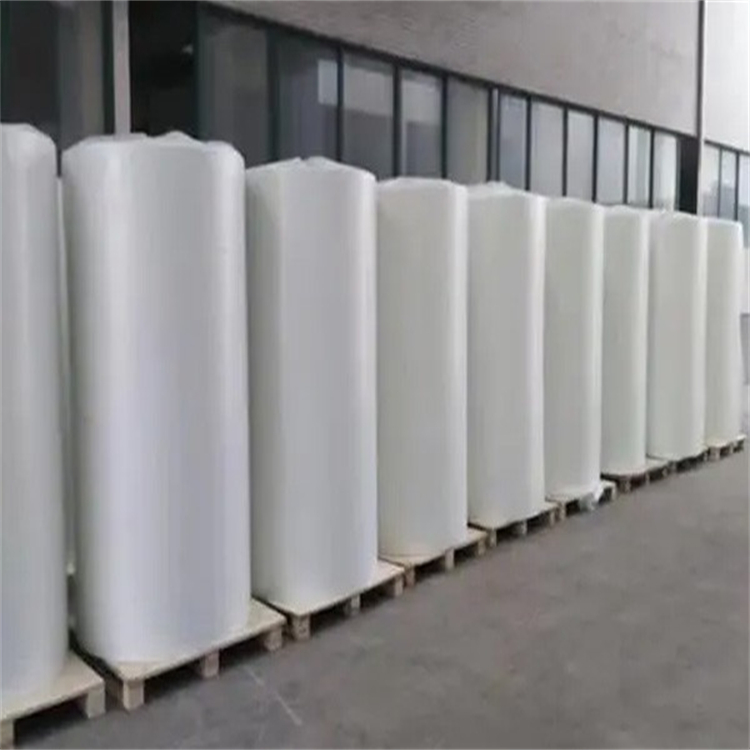

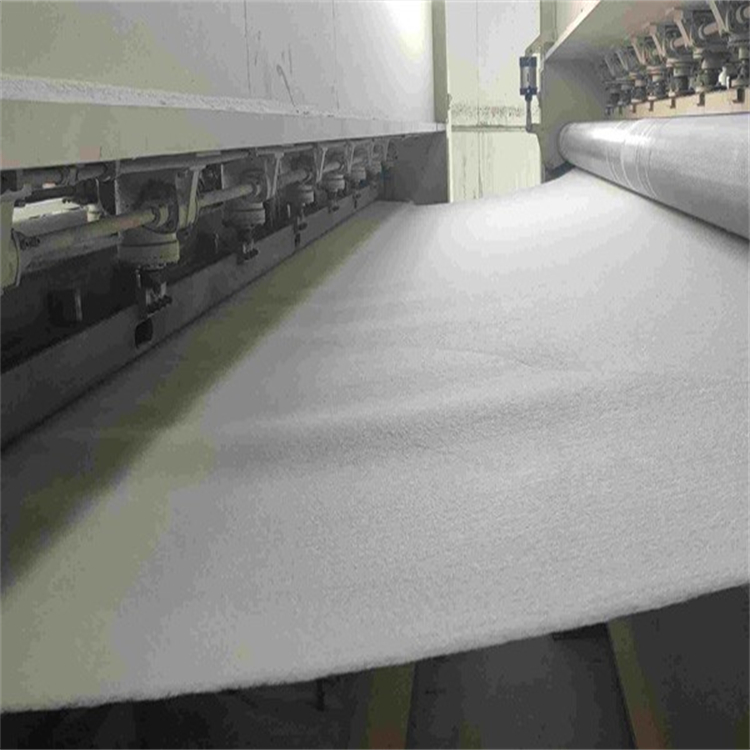

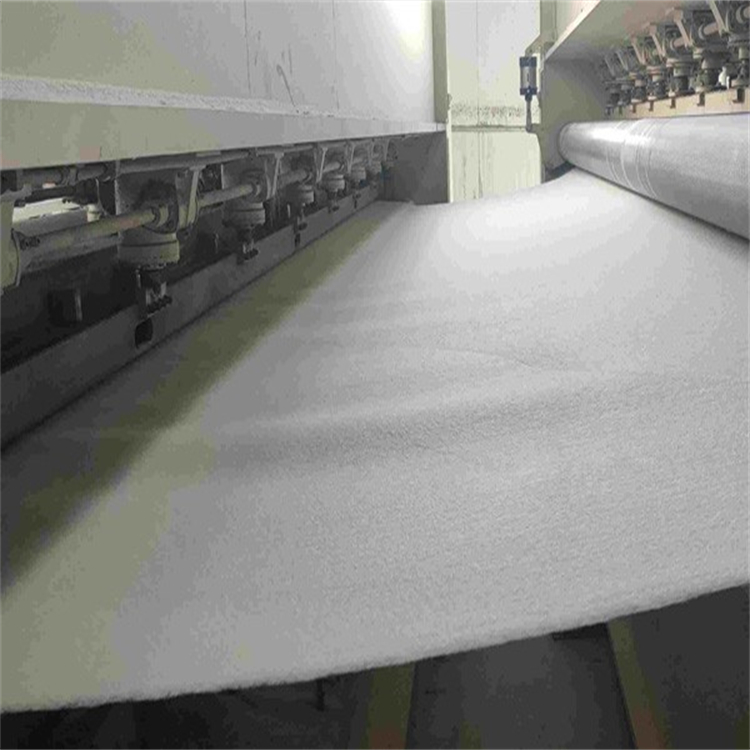


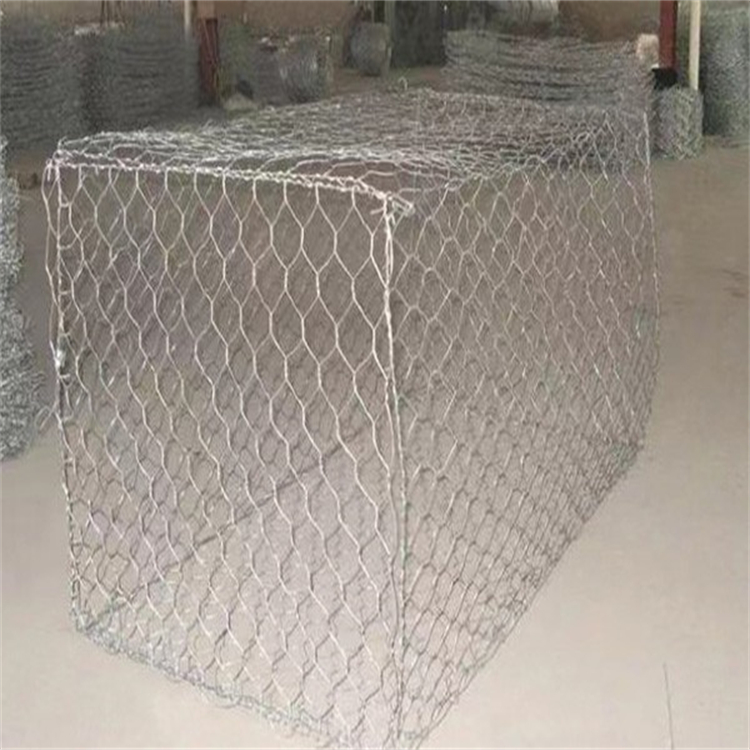
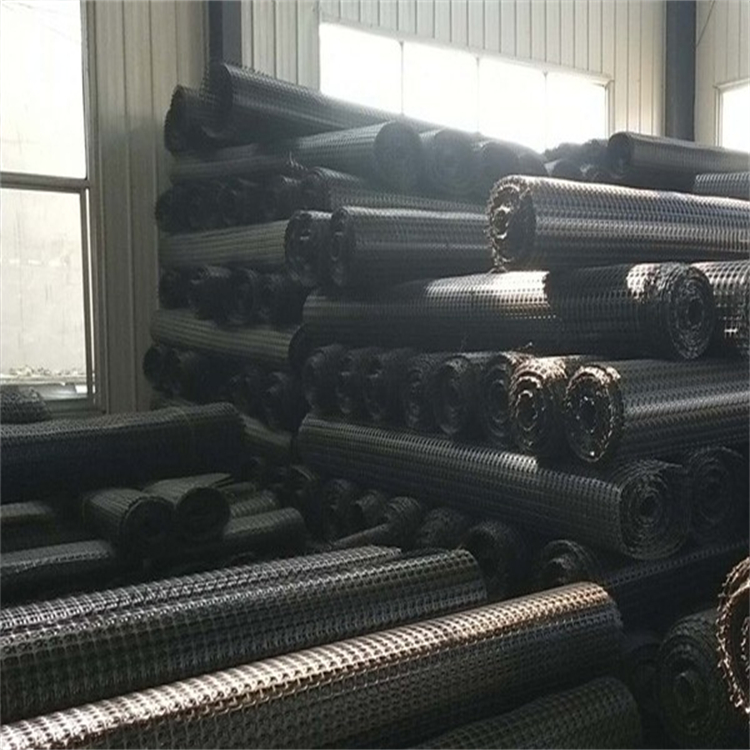





Characteristics of Geotextile Maintenance:
1 Widely used for reinforcing asphalt pavements, cement concrete pavements, and subgrades. Suitable for both rigid and flexible pavements, it can reduce construction costs and extend service life compared to traditional pavements.
Product thickness is appropriate, with water resistance and thermal insulation properties.
3 Lightweight and high strength.
Surface is rough and not easily slidable. During installation, the rough side, after special treatment, should face upwards to increase friction coefficient and enhance bonding strength of the surface layer, preventing the material from being picked up or damaged by wheels during construction. Additionally, it helps to suppress the phenomenon of slipping for vehicles and pavers on the material.
5 Features include UV protection, frost resistance, chemical corrosion resistance, and bio-degradation resistance.
6 Easy to install, with excellent application effects. Construction and laying of geotextile maintenance.
Soil Conservation Geotextile Laying Technique
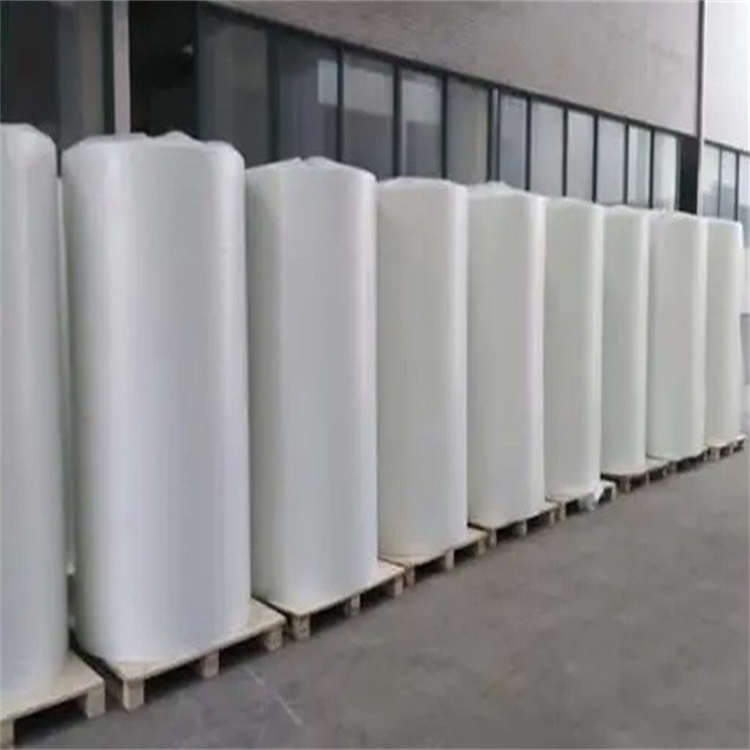
Storage, transportation, and handling of geotextiles
Avoid damage to the geotextile rolls prior to installation and unfolding. Store the rolls on a level, non-ponding area, with a stack height not exceeding four rolls, and ensure the identification labels are visible. Cover the geotextile rolls with opaque material to prevent UV aging. Maintain the integrity of labels and documentation during storage.
During transportation (including transport from the material storage site to the work site), geotextile rolls must be protected from damage.
1. Geotextile rolls damaged physically must be repaired. Geotextiles severely worn are not to be used. Geotextiles that come into contact with leaked chemical agents are prohibited from use in this project.
2. Geotextile Laying Methods:
· Rolled by hand; the fabric surface should be flat and leave sufficient allowance for deformation.
· The installation of geotextile, whether long or short fiber, commonly involves overlap, stitching, and welding methods. The width for stitching and welding is typically above 0.1m, while overlap width is generally above 0.2m. For geotextile that may be exposed for extended periods, welding or stitching is recommended.
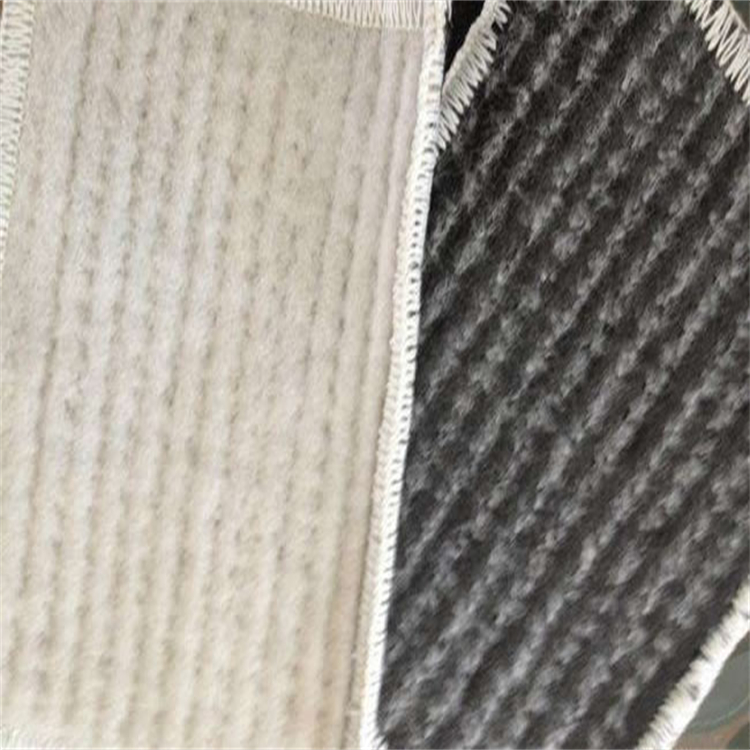
Geotextile stitching
All seams must be continuous (e.g., spot seams are not permitted). Any "missing stitches" on the stitched geotextile must be re-sewn at the affected area. Appropriate measures must be taken to prevent soil, granular matter, or foreign materials from entering the geotextile layer after installation. The overlap of the fabric can be natural, stitched, or welded, depending on the terrain and usage function.