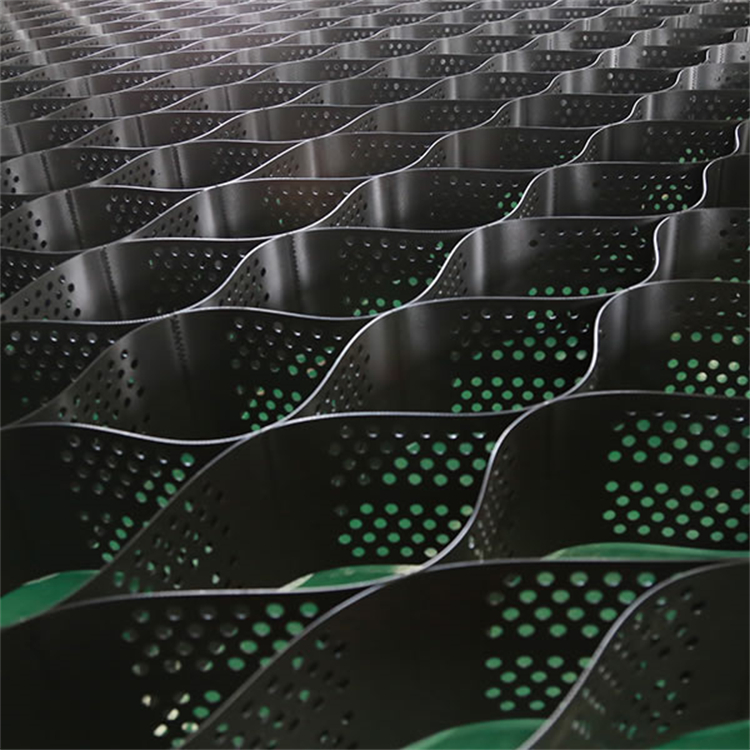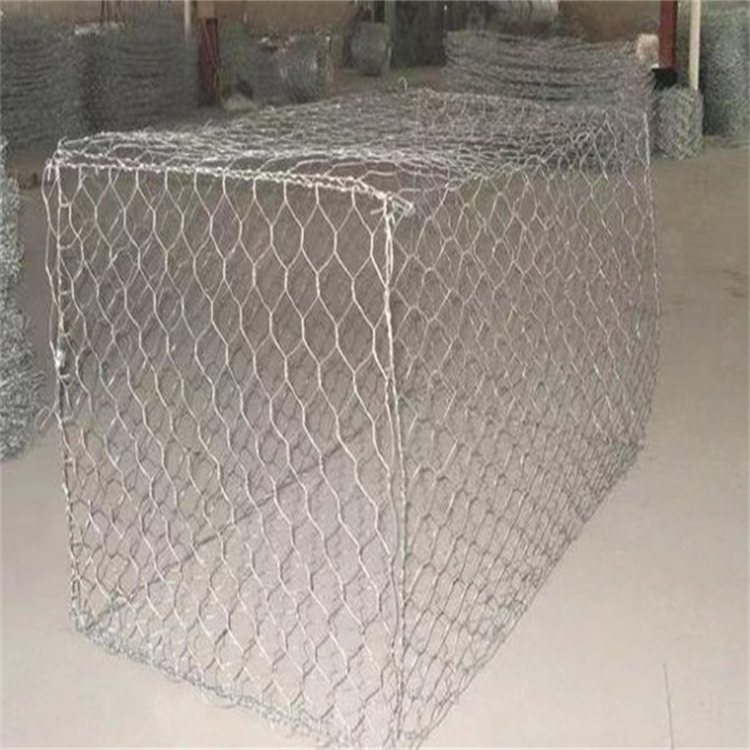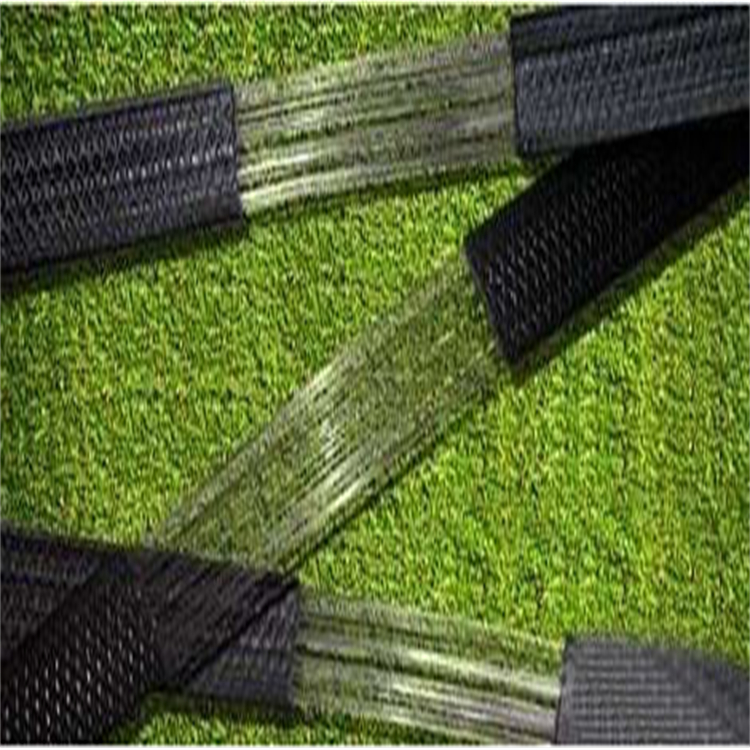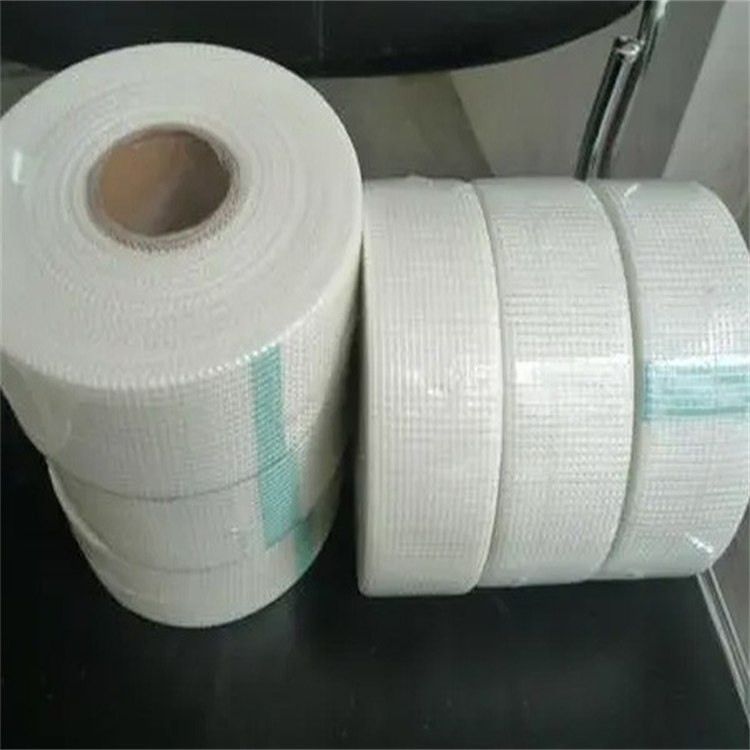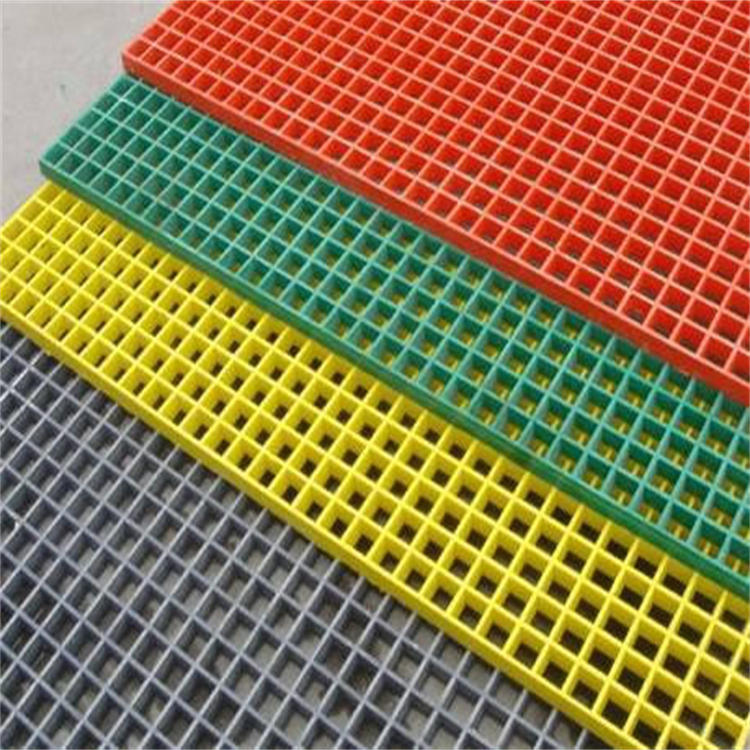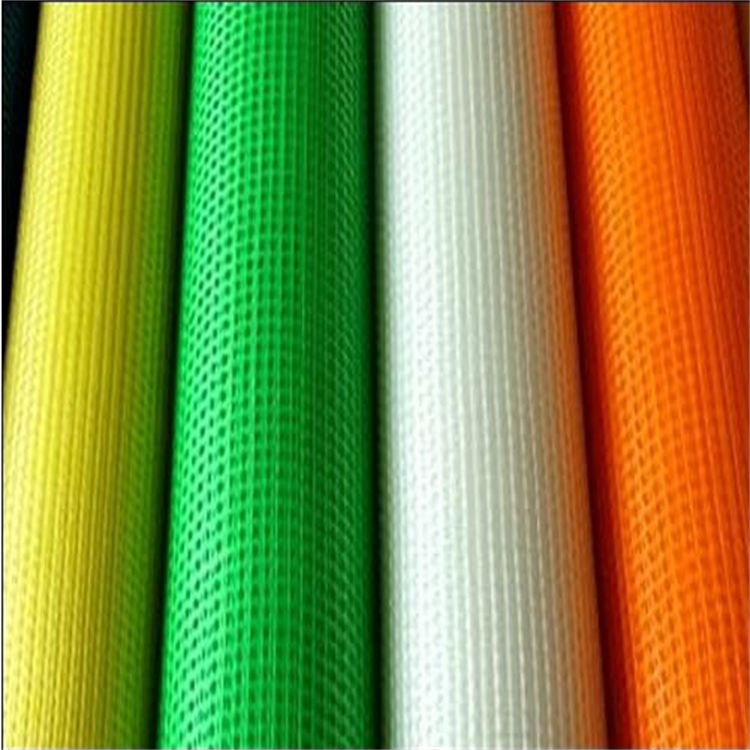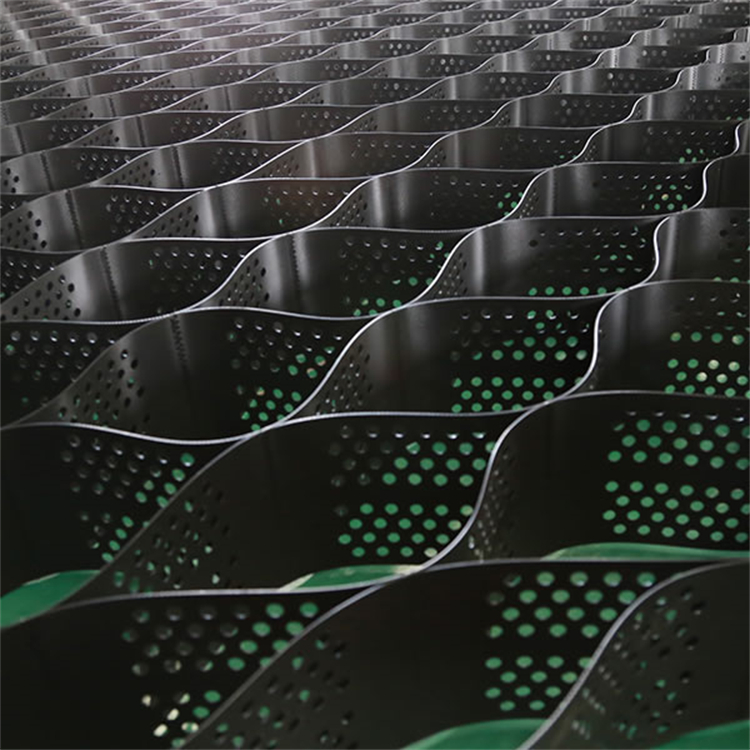


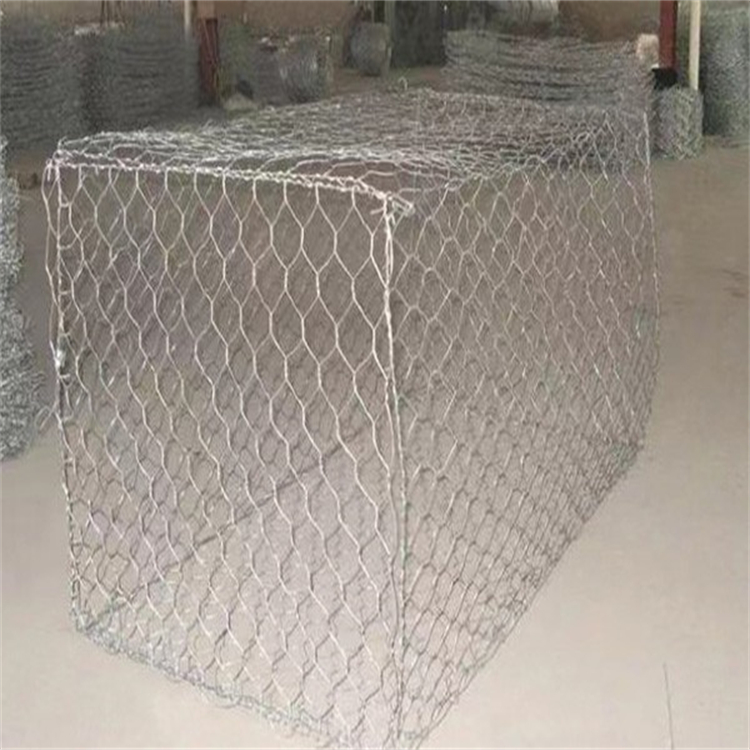
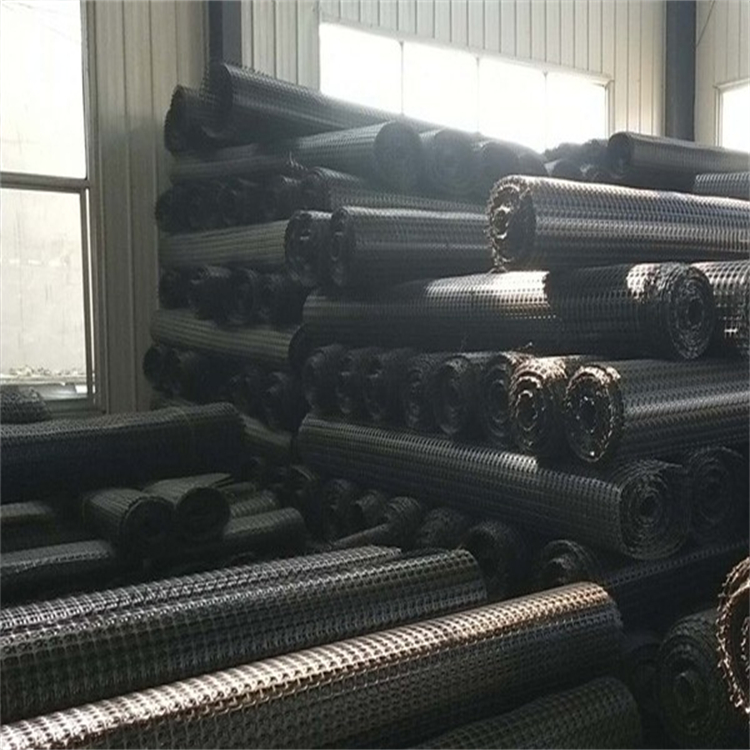
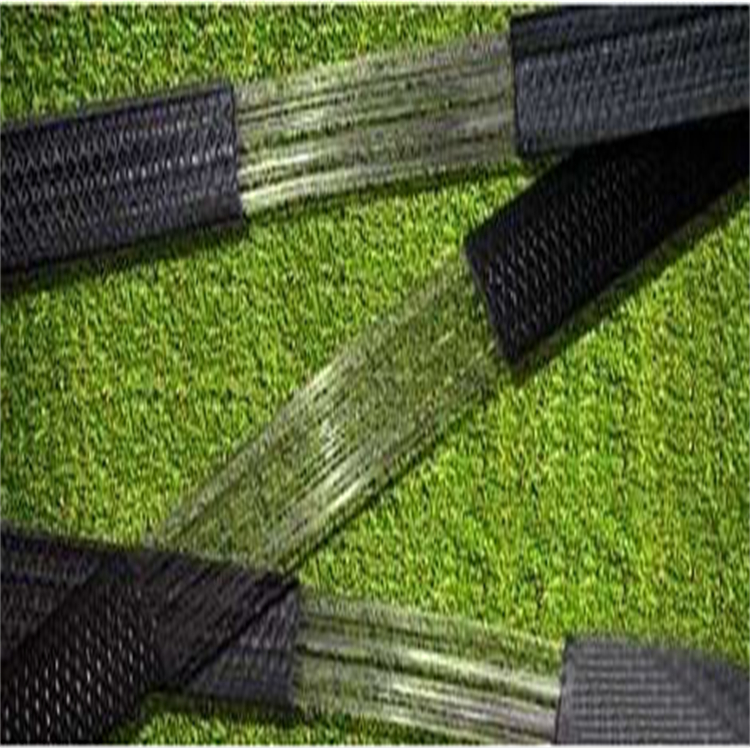





Geogrid is a new type of high-strength geosynthetic material that is currently popular both domestically and internationally. It is a three-dimensional mesh structure formed by high-strength welding of reinforced HDPE sheet material. It has flexible expansion and contraction, can be transported and stacked, and can be stretched into a mesh during construction, filled with loose materials such as soil, gravel, and concrete, forming a structure with strong lateral restraint and high stiffness.
The high-strength geocell produced by our company has:
1. The material is lightweight, wear-resistant, chemically stable, resistant to light and oxygen aging, acid and alkali, suitable for different soil conditions such as soils and deserts.
2. High lateral restraint and anti slip, anti deformation, effectively enhancing the bearing capacity of the roadbed and dispersing loads.
3. Changing the geometric dimensions such as geogrid height and welding distance can meet different engineering needs.
4. Flexible expansion and contraction, small transportation volume; Convenient connection and fast construction speed.
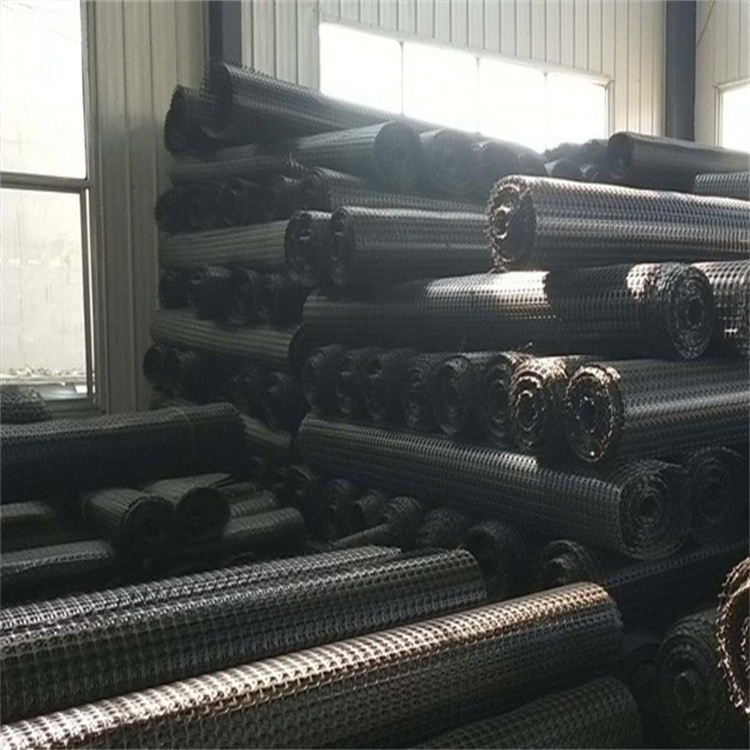
The high-strength geogrid produced by the company can better utilize the superior performance of geogrids in engineering. The tensile strength is increased by 10 times compared to ordinary geogrids, which better increases its stability for foundation engineering, while the elongation rate is almost reduced by 10 times.
Application areas:
1. Processing semi filled and semi roadbed
When constructing an embankment on a slope with a natural gradient of 1:5, steps should be excavated at the base of the embankment,
When the step width is not less than 1M and the road is widened in stages of construction or reconstruction, steps should be excavated at the junction of the new and old roadbed fill slopes. The step width of high-grade highways is generally 2M. Geotextile cells should be laid on the horizontal plane of each step, and the reinforcement effect of the geogrid cells on the facade side should be utilized to better solve the problem of uneven settlement.
2. Roadbeds in windy and sandy areas
The roadbed in windy and sandy areas should mainly be low embankment, and the filling height should generally not be less than 0.3M. Due to the professional requirements of low roadbed construction and heavy bearing capacity in windy and sandy areas, the use of geogrids can play a lateral limiting role on loose fill materials, ensuring that the roadbed has high stiffness and strength within a limited height to withstand the load stress of large vehicles.
3. Embankment filling and reinforcement on the back of the platform
The use of geogrids can better achieve the purpose of reinforcing the abutment back. The geogrid can generate sufficient friction between the filling material, effectively reducing the uneven settlement between the roadbed and the structure, and effectively alleviating the early impact damage of "bridge abutment jumping" disease on the bridge deck.
4. Roadbeds in permafrost regions
When constructing fill roadbeds in permafrost regions, it is necessary to achieve a smaller fill height to prevent excessive settlement of the embankment due to slurry overturning or a decrease in the upper limit of the frozen layer. The unique facade reinforcement effect and effective implementation of overall confinement of geogrids can largely ensure smaller fill heights in certain special areas, and make the fill have high-quality strength and stiffness.
5. Treatment of loess collapsible subgrade
When expressways and first-class highway pass through collapsible loess and loess sections with good compressibility, or when the allowable bearing capacity of the foundation of high embankments is lower than the pressure of the vehicle load and the self weight of the embankment, the subgrade should also be treated according to the requirements of the bearing capacity. At this time, the superiority of the geotechnical cells will undoubtedly appear.
6. Saline soil and expansive soil
The expressway, first-class highway, shoulder and side slope constructed with saline soil and expansive soil all adopt reinforcement measures. The facade reinforcement effect of the cell is one of the excellent reinforcement materials, and it has excellent corrosion resistance, which can fully meet the requirements of building highways in saline soil and expansive soil.