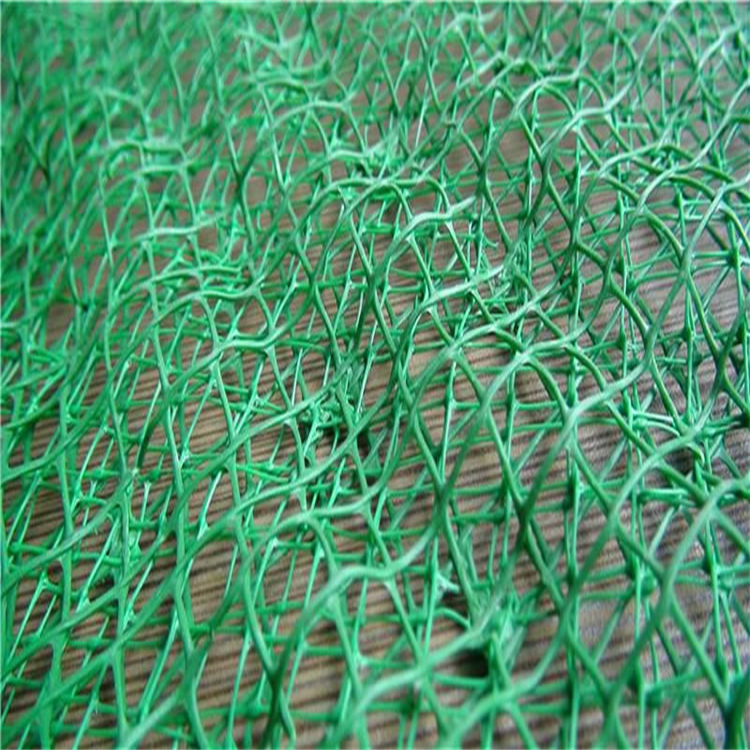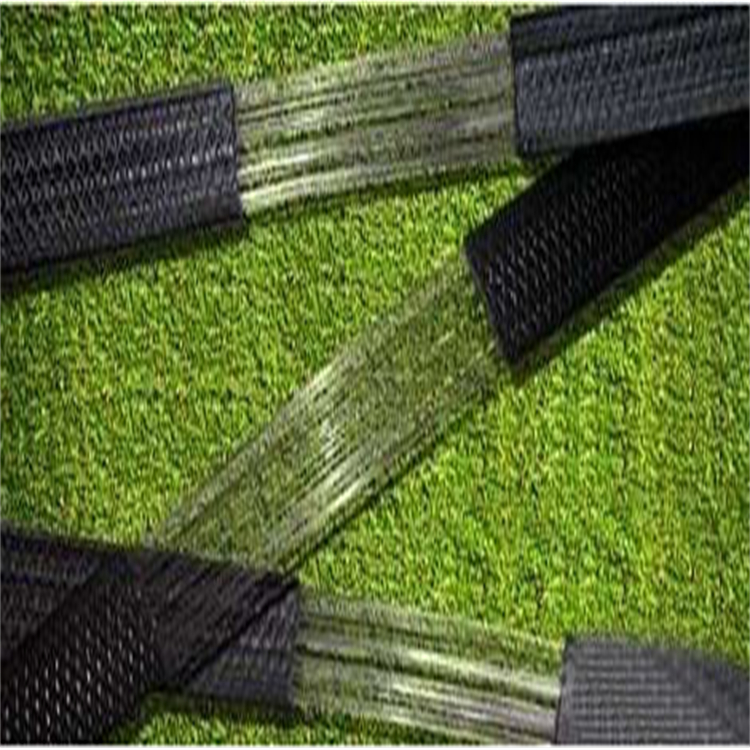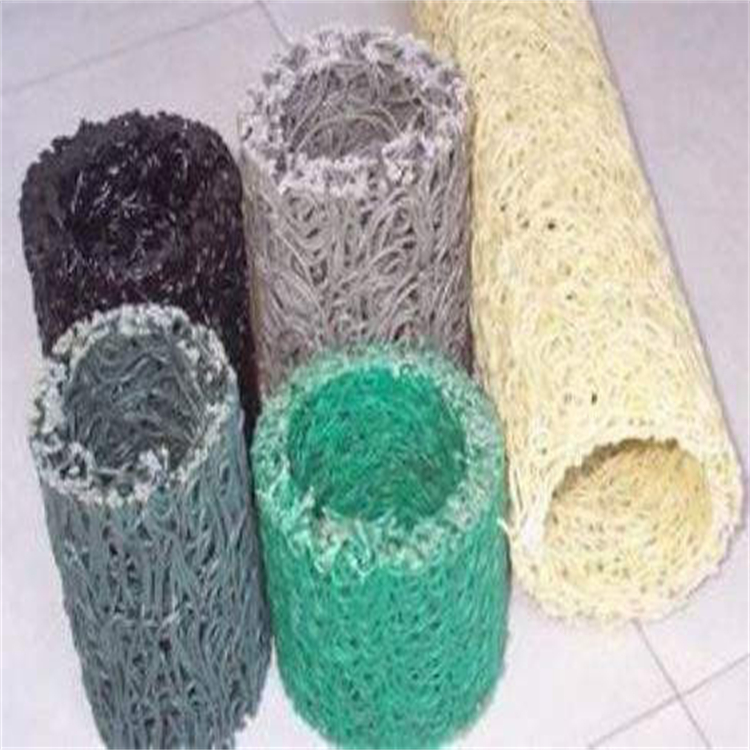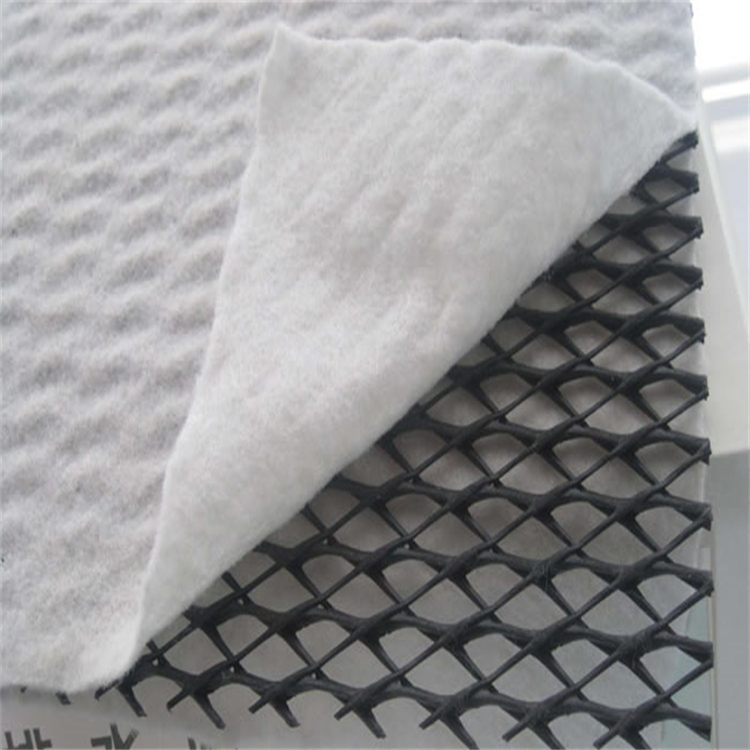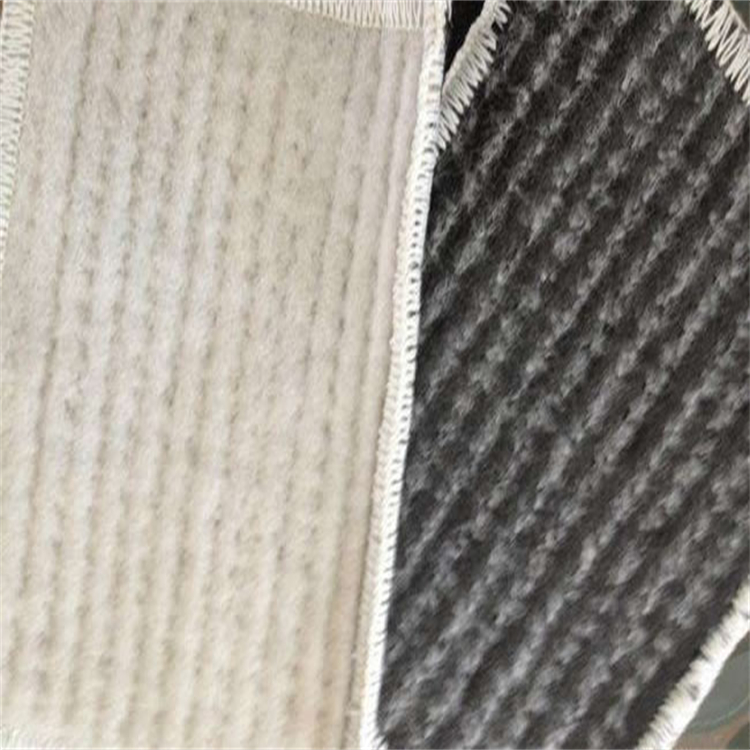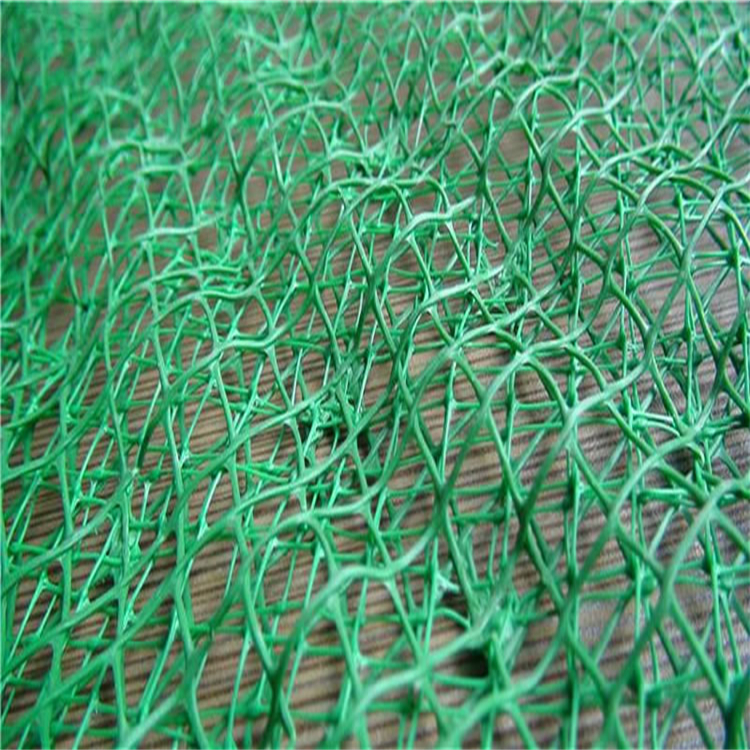

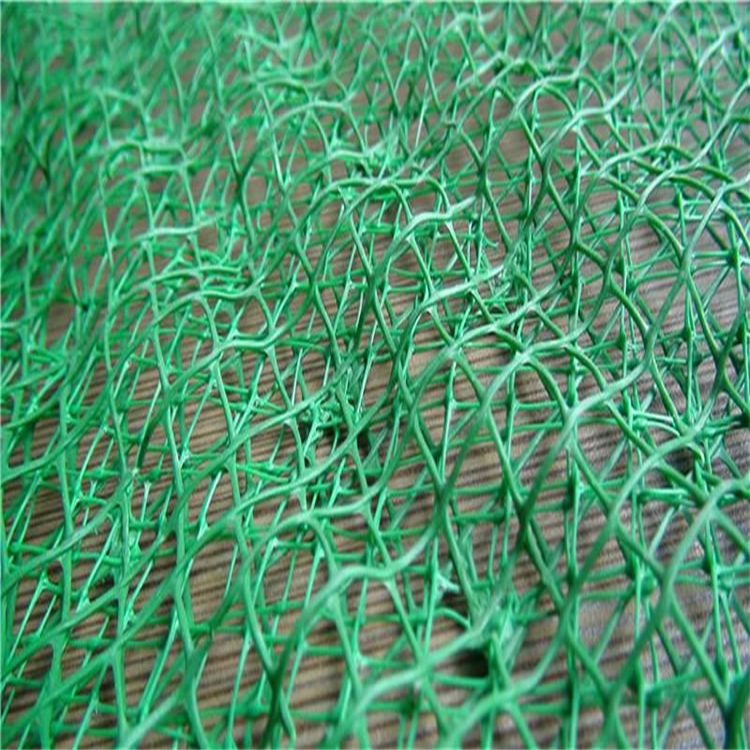


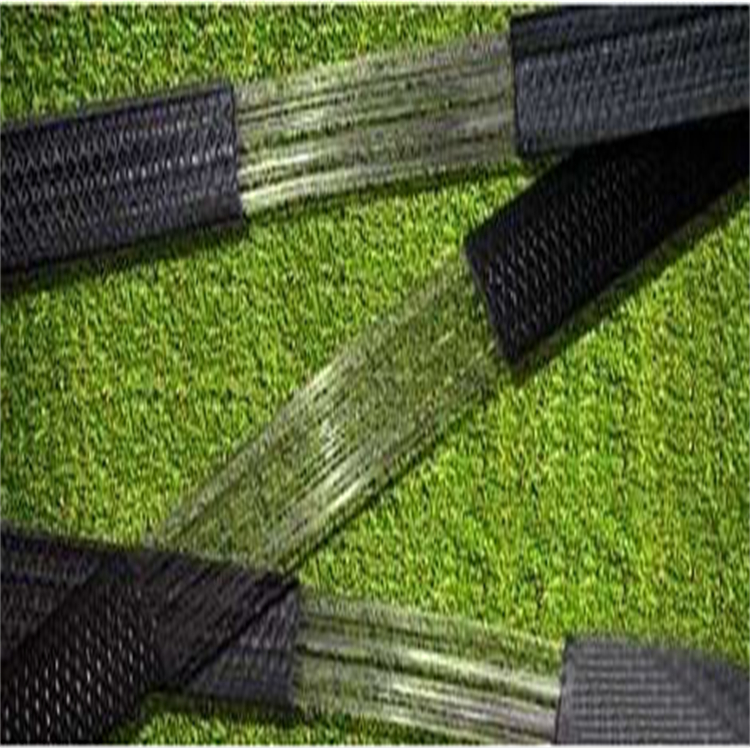





3D vegetation net is a three-dimensional structure resembling a loofah network used for grass planting and soil stabilization. It has a loose and flexible texture, leaving 90% of the space for filling soil, gravel, and fine stones. Plant roots can pass through it, growing comfortably, neatly, and evenly. The grown grass skin firmly binds the net, grass, and soil surfaces together. Due to the fact that plant roots can penetrate 30-40cm below the surface, a strong green composite protective layer is formed.
Function:
Before the grass grows, it can protect the surface of the land from erosion by wind and rain.
2. It can firmly maintain the uniform distribution of grass seeds on the slope, avoiding loss caused by wind and rain.
3. Black mesh mats can absorb a large amount of heat energy, increase soil moisture, promote seed germination, and prolong plant growth period.
4. Due to the rough surface, wind and water flow generate countless eddies on the surface of the mesh mat, thereby generating energy dissipation effects and promoting the deposition of their carried objects in the mesh mat.
5. The composite protective layer formed by plant growth can withstand high water levels and high flow velocities (3-4m/s within two days and 5-6m/s within 4-5 hours).
6. It can replace permanent slope protection materials such as concrete, asphalt, and block stones, and is used for slope protection in highways, railways, rivers, dams, and mountain slopes.
7. It can significantly reduce the project cost, which is 1/7 of the cost of C15 concrete and dry block stone slope protection, and 1/8 of the cost of mortar block stone.
After laying on the surface of sandy soil, it can prevent the movement of sand dunes, greatly improve surface roughness, increase surface sediment, change surface physical and chemical properties, and improve the local ecological environment.