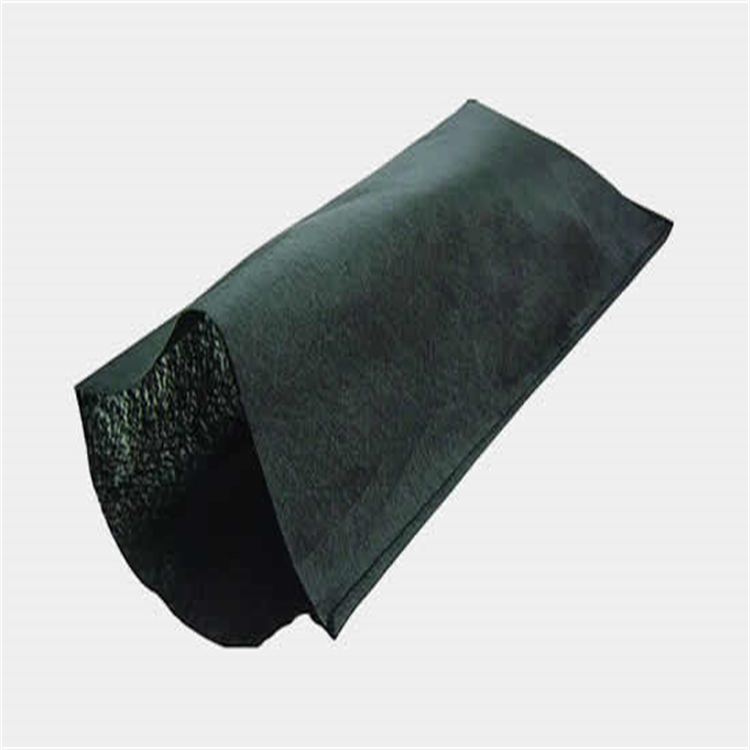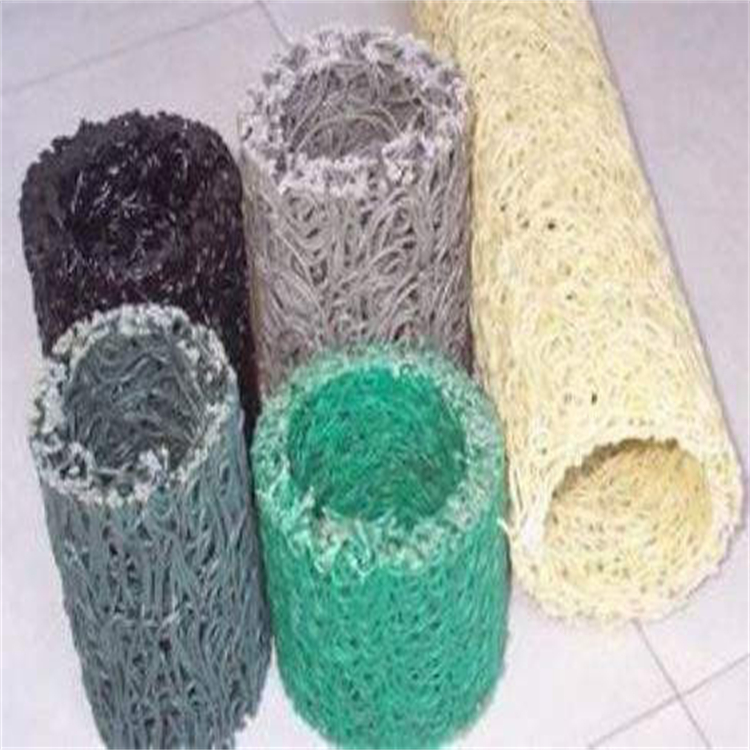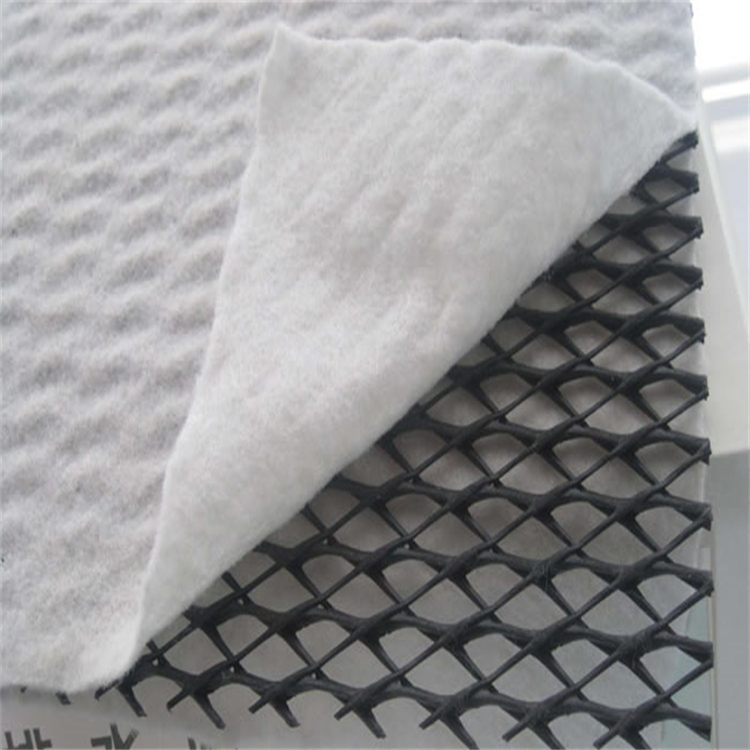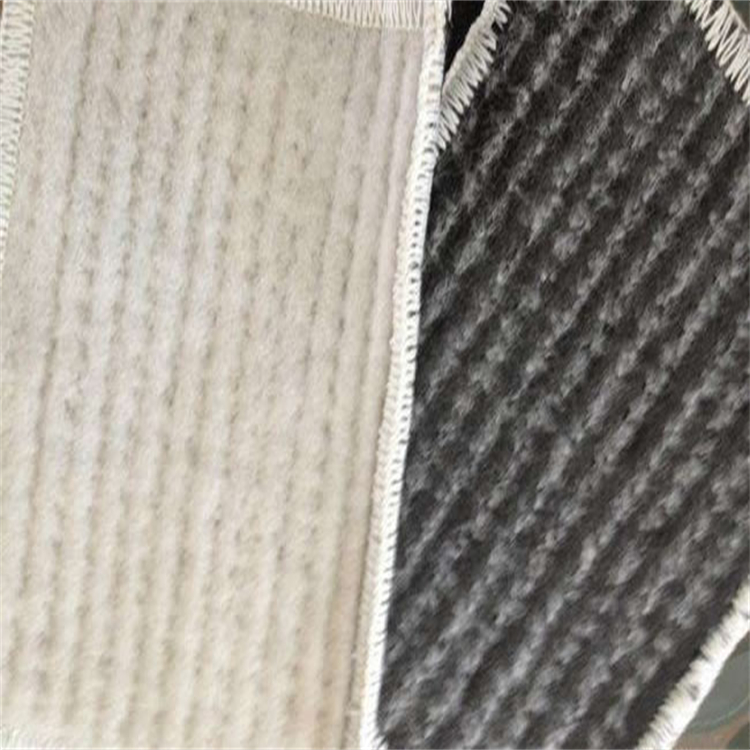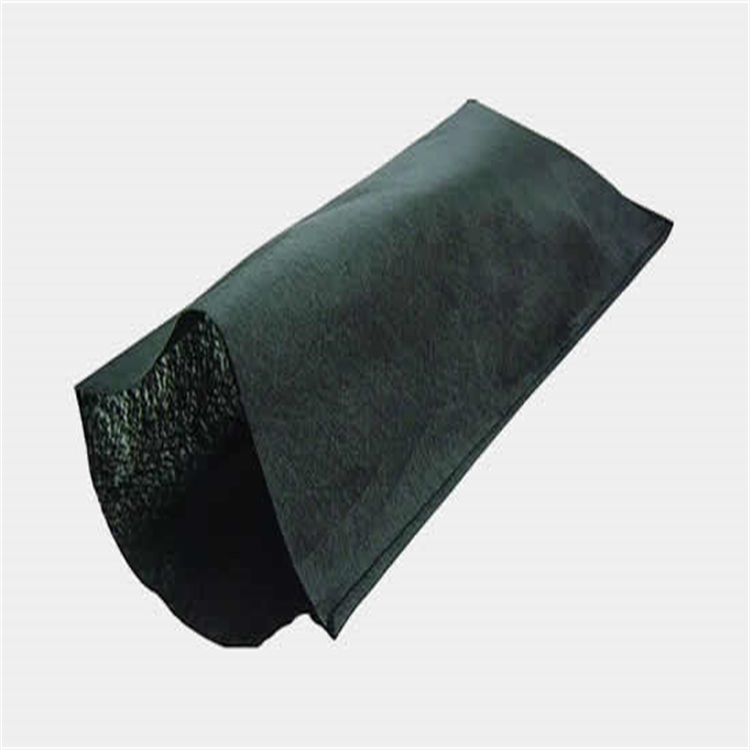

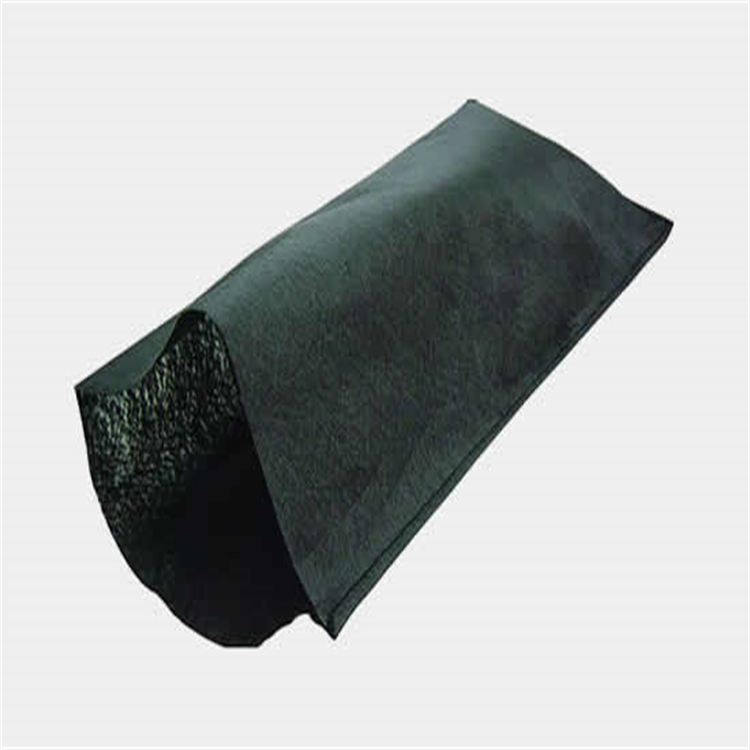


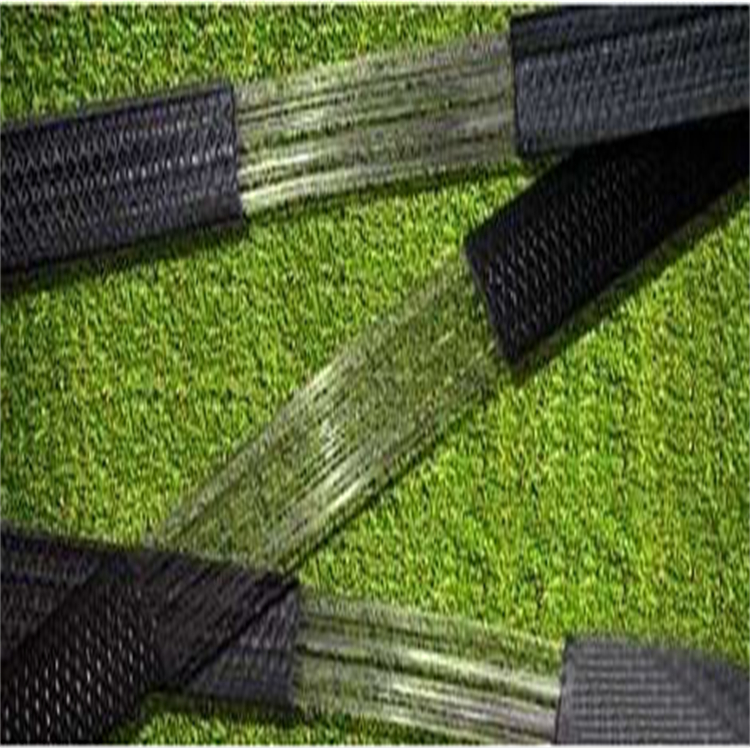
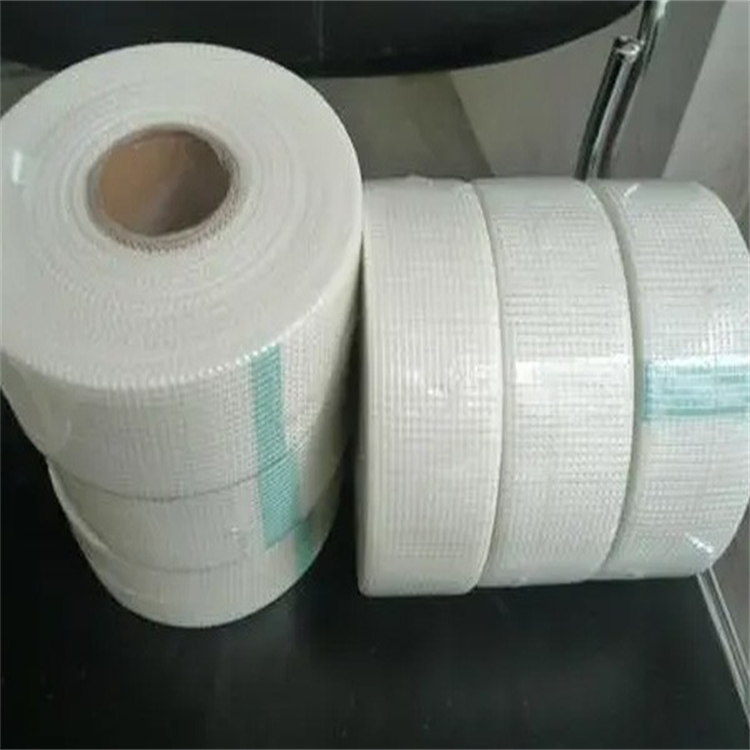





Ecological bag is a high-strength, UV resistant, frost resistant, acid and alkali resistant, high molecular weight synthetic polymer material. It is a high-tech new special material with high strength, UV resistance, acid and alkali resistance, corrosion resistance, frost resistance, and can last for more than 50 years without degradation. Mainly used for constructing flexible ecological slopes. Ecological bags have moisture resistance, do not absorb water, moisture will not damage the bag, the bag will not deform, and are insoluble in polluted liquids. They are a good tool for protecting the ecology and are very practical.
Moisture resistance
The raw materials of ecological bags do not absorb moisture, and when moisture appears, it will not damage the bag. The bag will also not deform and is insoluble in contaminated liquids.
Chemical corrosion resistance (pH)
Extensive research and testing have shown that ecological bags have strong resistance to certain concentrations of acidic and alkaline chemicals, and can be used in the vast majority of solid and heavily polluted areas.
Anti biodegradation and animal destruction
Ecological bags use special formula materials that do not support, absorb, or aid in the growth of fungi, and do not rot, mold, or spoil. Ecological bags will not be digested by insects and related animals, and will not become food for gnawing animals (mice), termites, moths, beetles, silverfish moths, etc.
UV resistant polymer
Ecological bags can withstand temperatures of up to 150 degrees Celsius without melting.
UV resistance
The ecological bag contains carbon ink and other UV resistant ingredients.
Here, equivalent aperture is used as evidence to illustrate:
1、 The aperture is too large (bag body, material too thin)
2、 The aperture is too small (the bag material is too thick)
A. It will hinder the growth of vegetation and the extension of root systems, seriously affecting the structural stability of flexible slopes.
B. The increase in static water pressure on the slope will cause the slope to collapse.
Advantages and Features
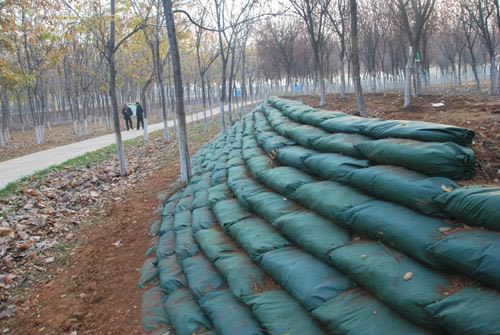
In slope engineering, this new type of material can completely replace materials such as stone and cement, greatly reducing project costs. The slope after construction has a surface that can be covered by vegetation, achieving a green effect on the excavated slope and forming a natural ecological slope. It has a filtering function that is permeable to water but impermeable to soil, and the slope formed in this way has high permeability, which has a strong protective and stabilizing effect on soil erosion, local mud (soil) and stone flow, slope collapse, etc.
Application field
ecological restoration
1. On both sides of the river: a natural shoreline environment where humans and wildlife coexist
2. Mine greening: Comprehensive utilization of mineral gangue, scientific remediation of subsidence areas, greening of barren mountains, purification of water and gas, opening up a new era of ecological restoration of mines and greening of barren mountains.
3. Management of coastal areas, surface landslides, culvert openings, drainage ditches, soil erosion, irrigation systems, etc.
4. Artificial wetlands: ecological restoration
5. Roof greening
infrastructure
1. Road slope protection: Railway and highway slope protection, suitable for excavation slopes and fill slopes.
2. River and lake slope protection: suitable for slopes of rivers, lakes, and reservoirs.
3. Special applications: flood control emergency, shelter, flood control embankment, etc.
Landscape greening and residential buildings
1. Vertical greening and garden art;
2. Commercial residential communities;
3. Roof garden style greening.