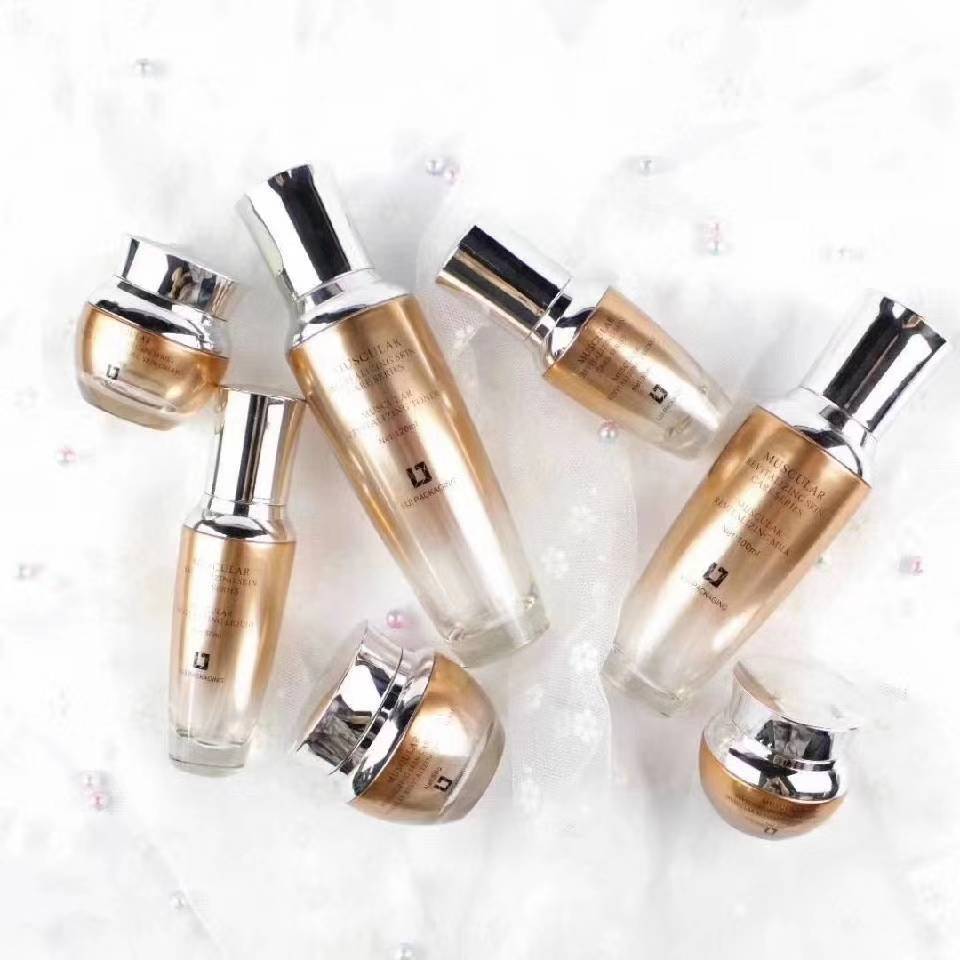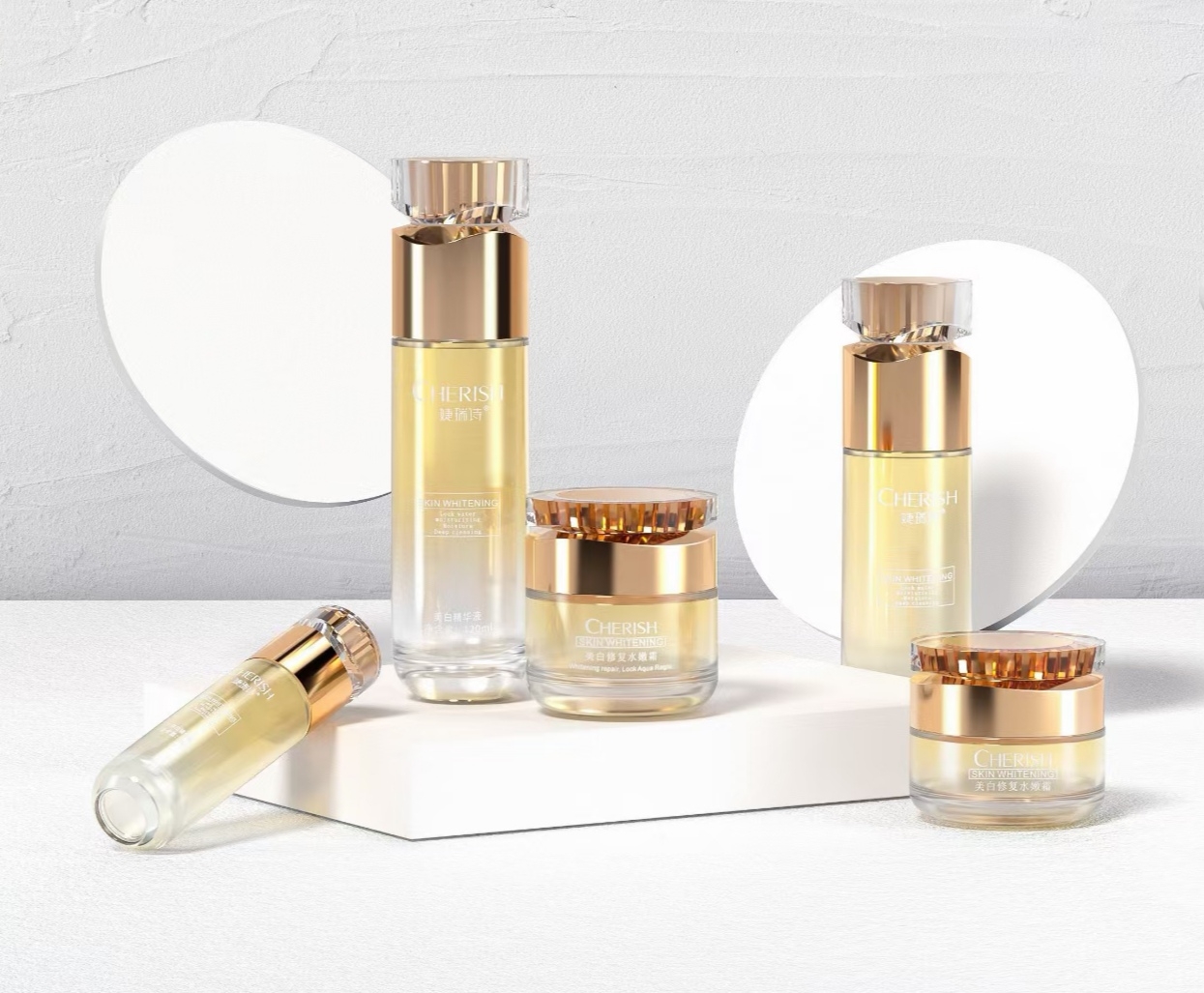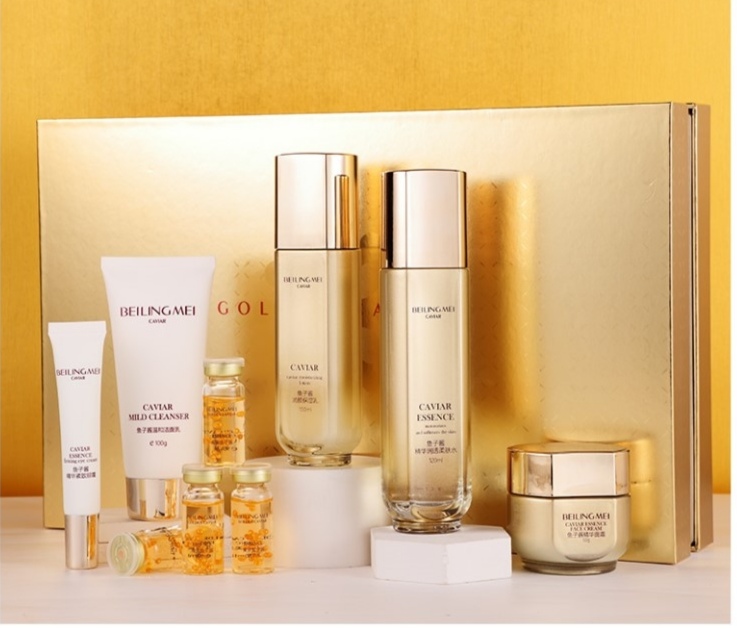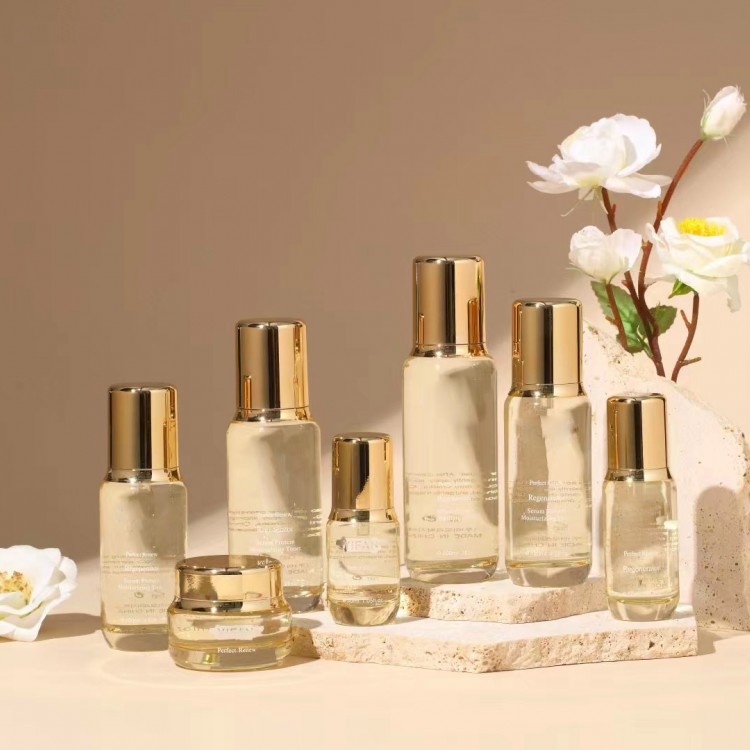

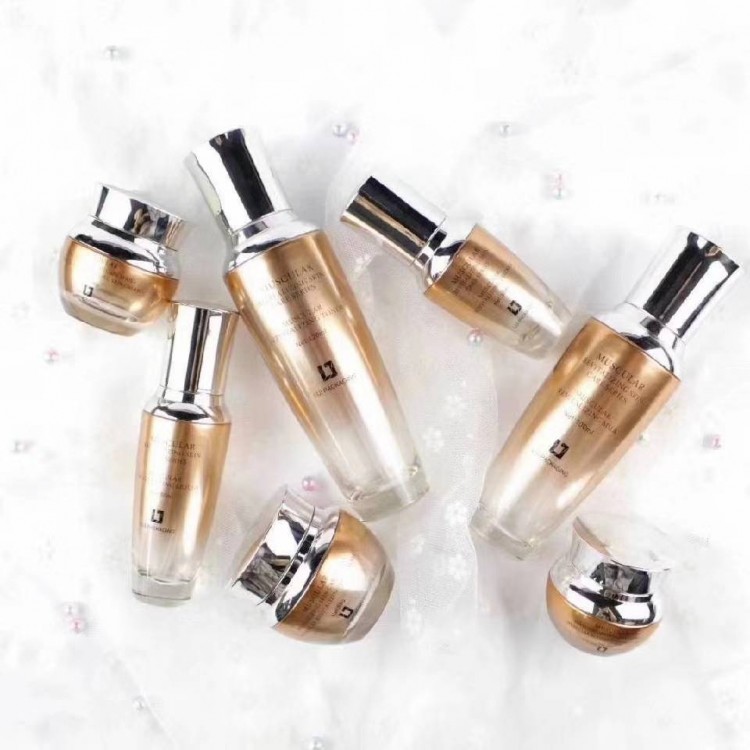

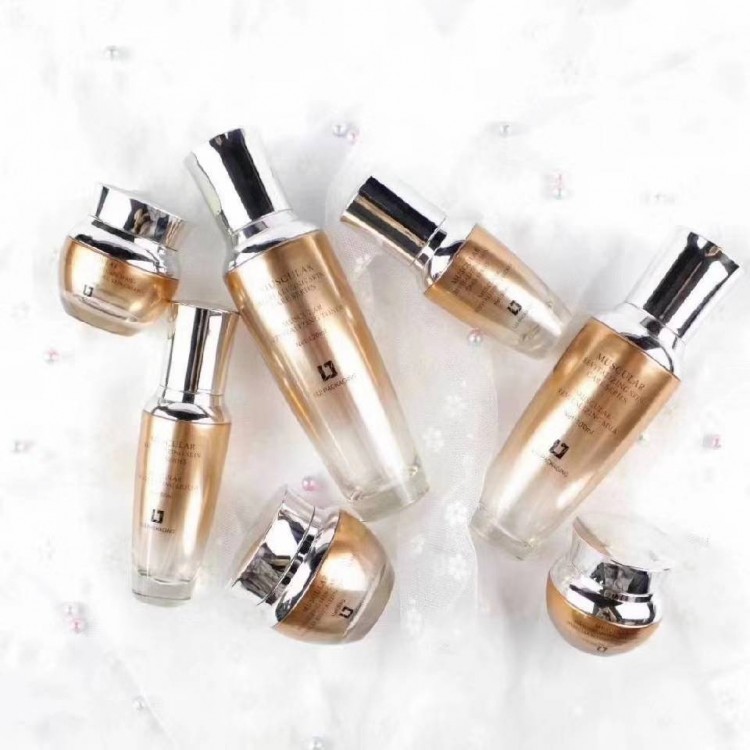
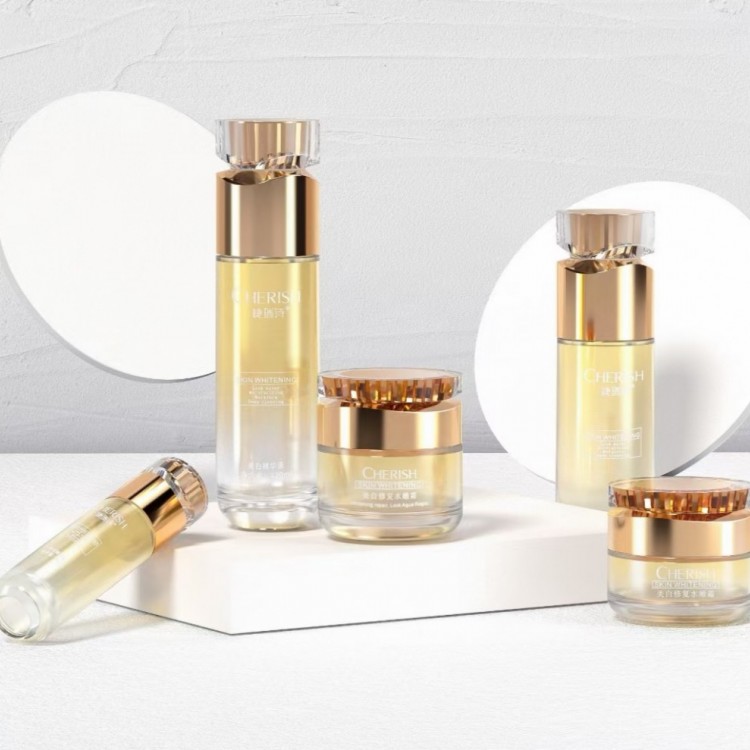
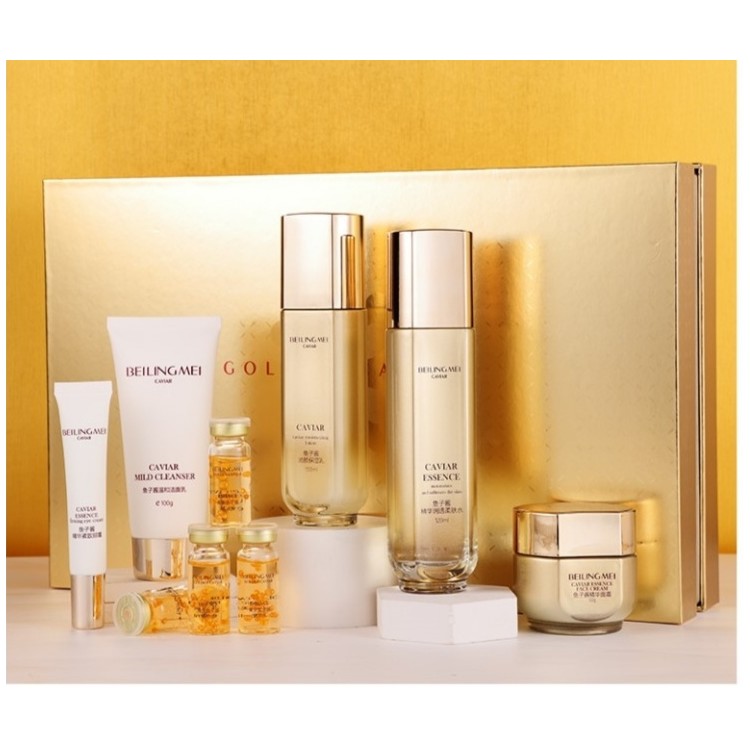












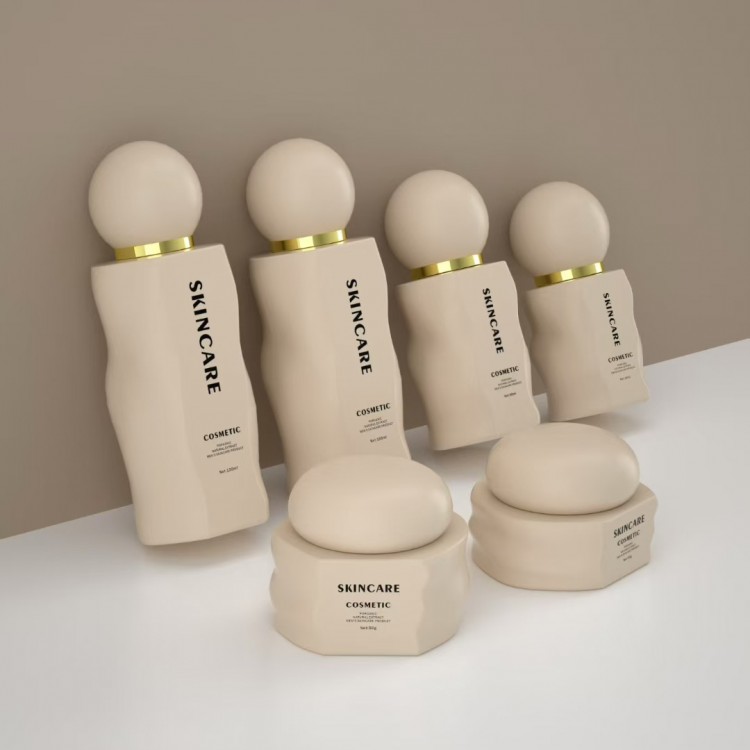
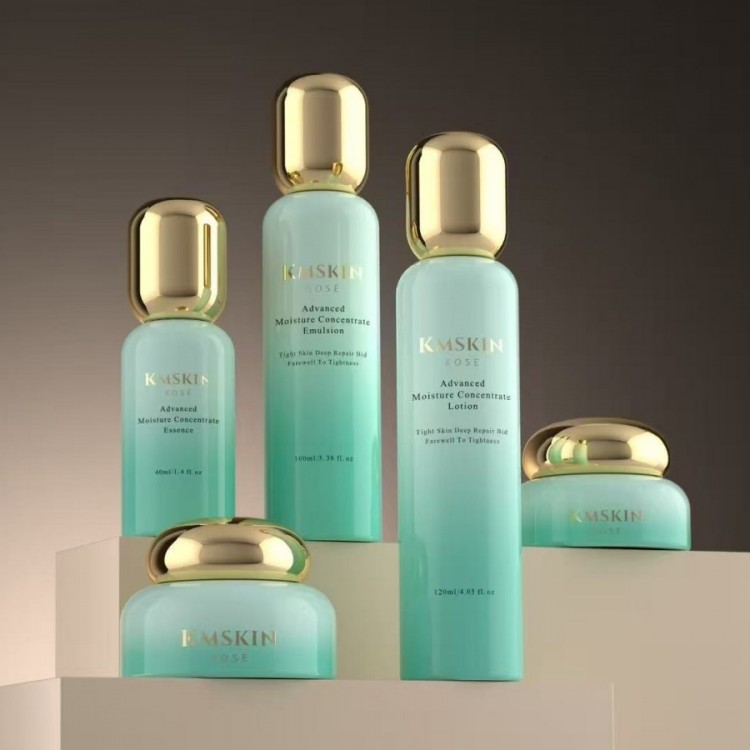
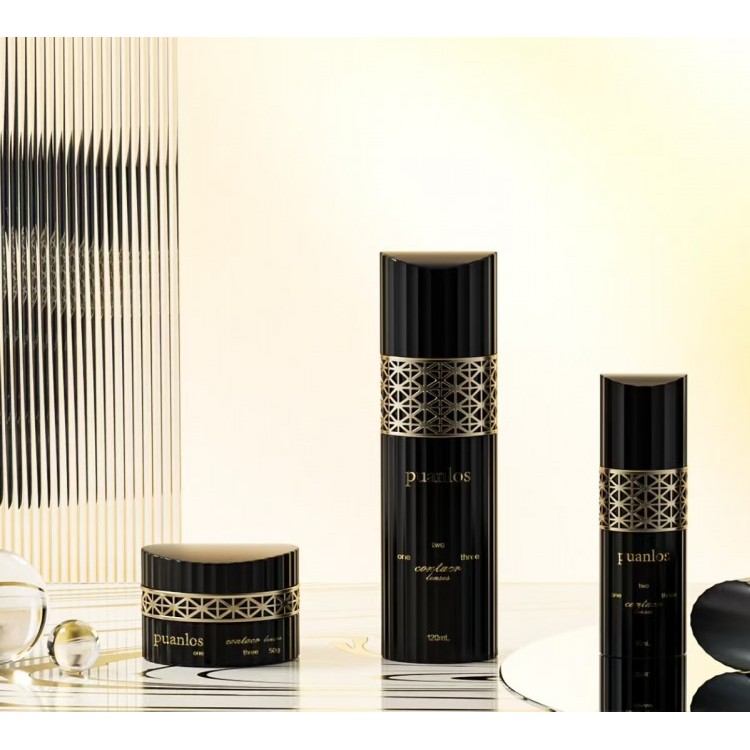
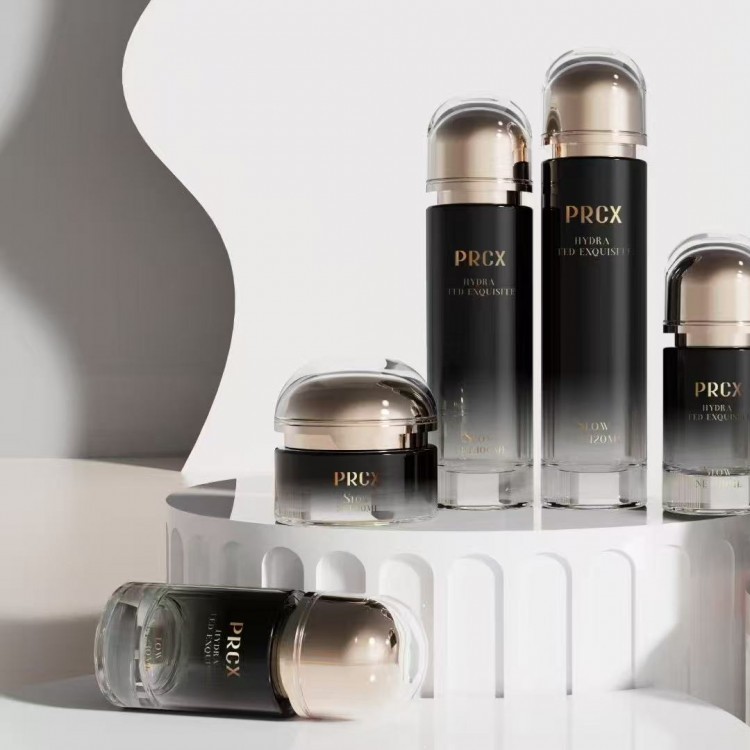
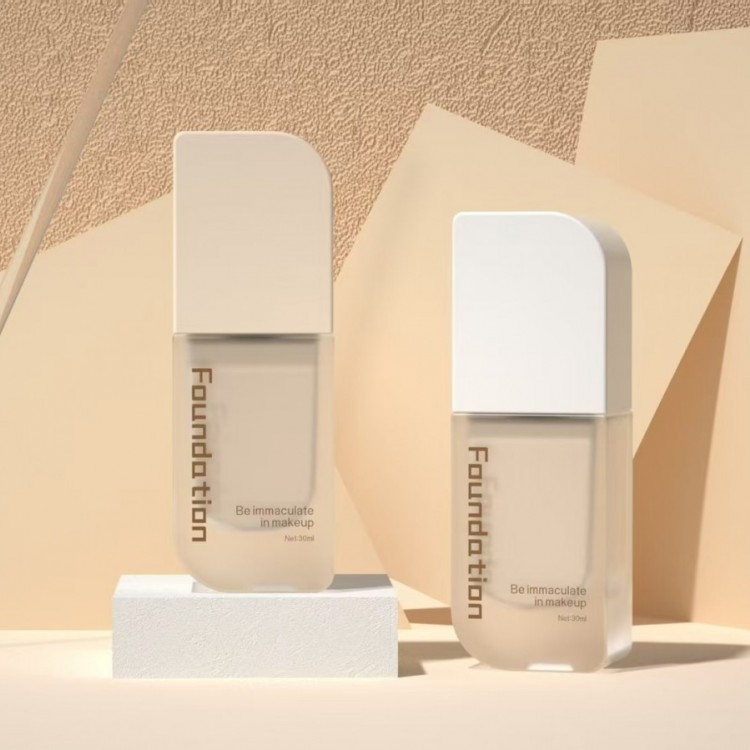
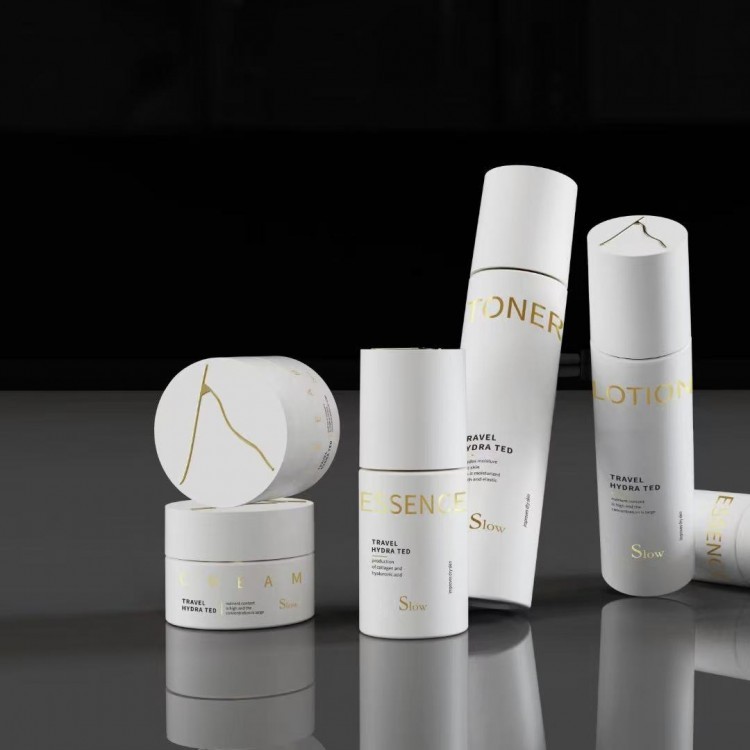
Cosmetic glass bottle printing techniques are the epitome of modern packaging aesthetics, with the level of detail in cosmetic glass bottles akin to engraving patterns on a crystal-clear ice surface. This process combines the wisdom of materials science, precision machinery, and visual art. Through high-temperature sintering, UV inkjet, or screen printing, among other techniques, glass bottle factories etch brand logos, ingredient descriptions, and other critical information onto the glass surface.
The high-temperature sintering process is as magical as alchemy – using inorganic glaze that melts with the glass body at temperatures ranging from 600 to 800°C, creating a wear-resistant layer as durable as enamel; UV inkjet technology acts like a digital paintbrush, instantly curing nano-sized ink with ultraviolet light, capable of rendering delicate lines as fine as 0.1mm; traditional screen printing inherits the spirit of craftsmanship, with each layer of ink strictly filtered through a 80-400 mesh screen, as if dressing the glass in a breathable lace garment.
To ensure printing quality, the factory uses an industrial microscope for 200x magnification inspections, maintaining character edge smoothness within ±5μm, a stringent standard comparable to microchip manufacturing. What's even more remarkable is the use of environmentally friendly water-based inks, with VOC content below 0.1%, as if dressing the packaging bottles in "green armor." This not only meets the requirements of the EU EC1223 regulation but also stamps the product with the mark of sustainable development.