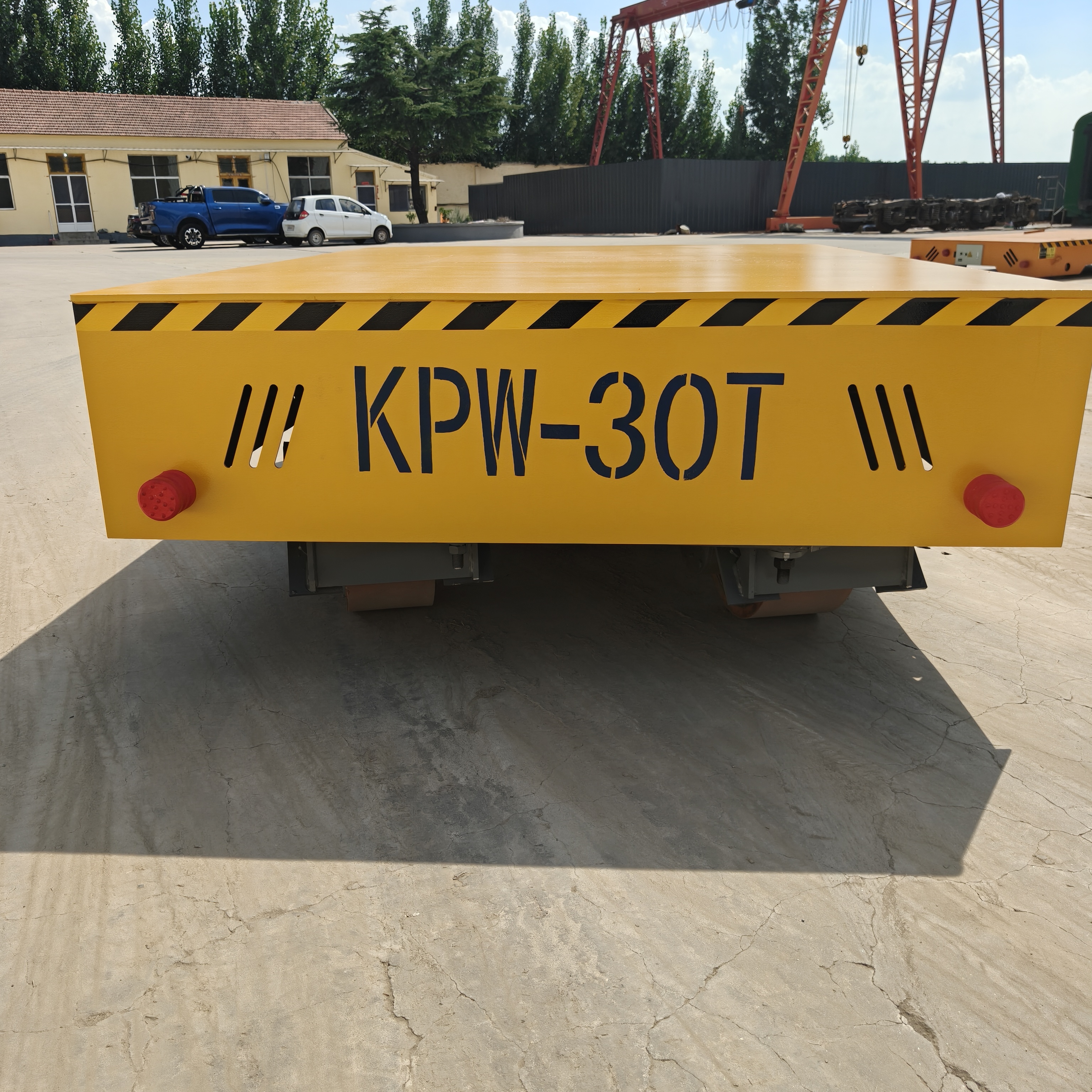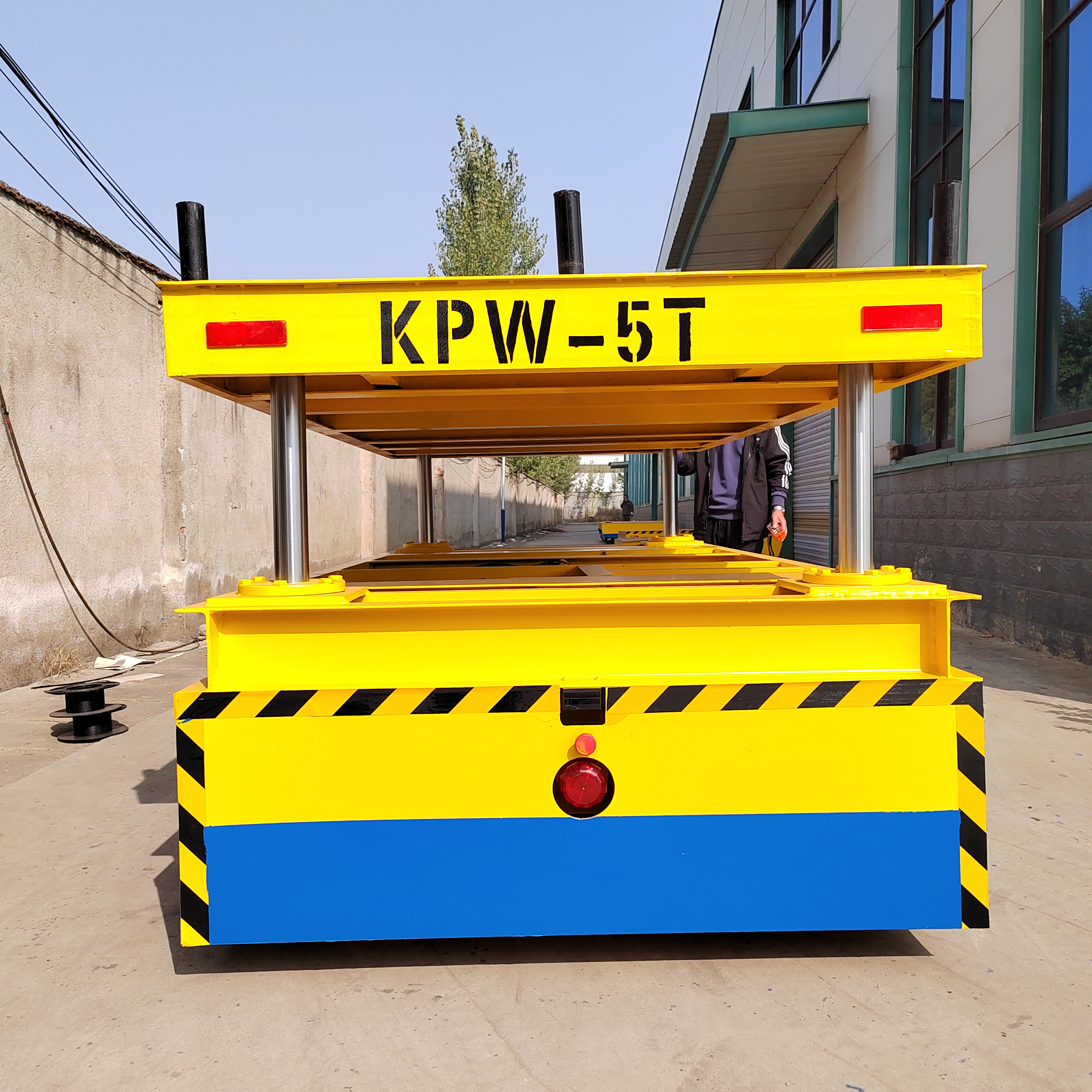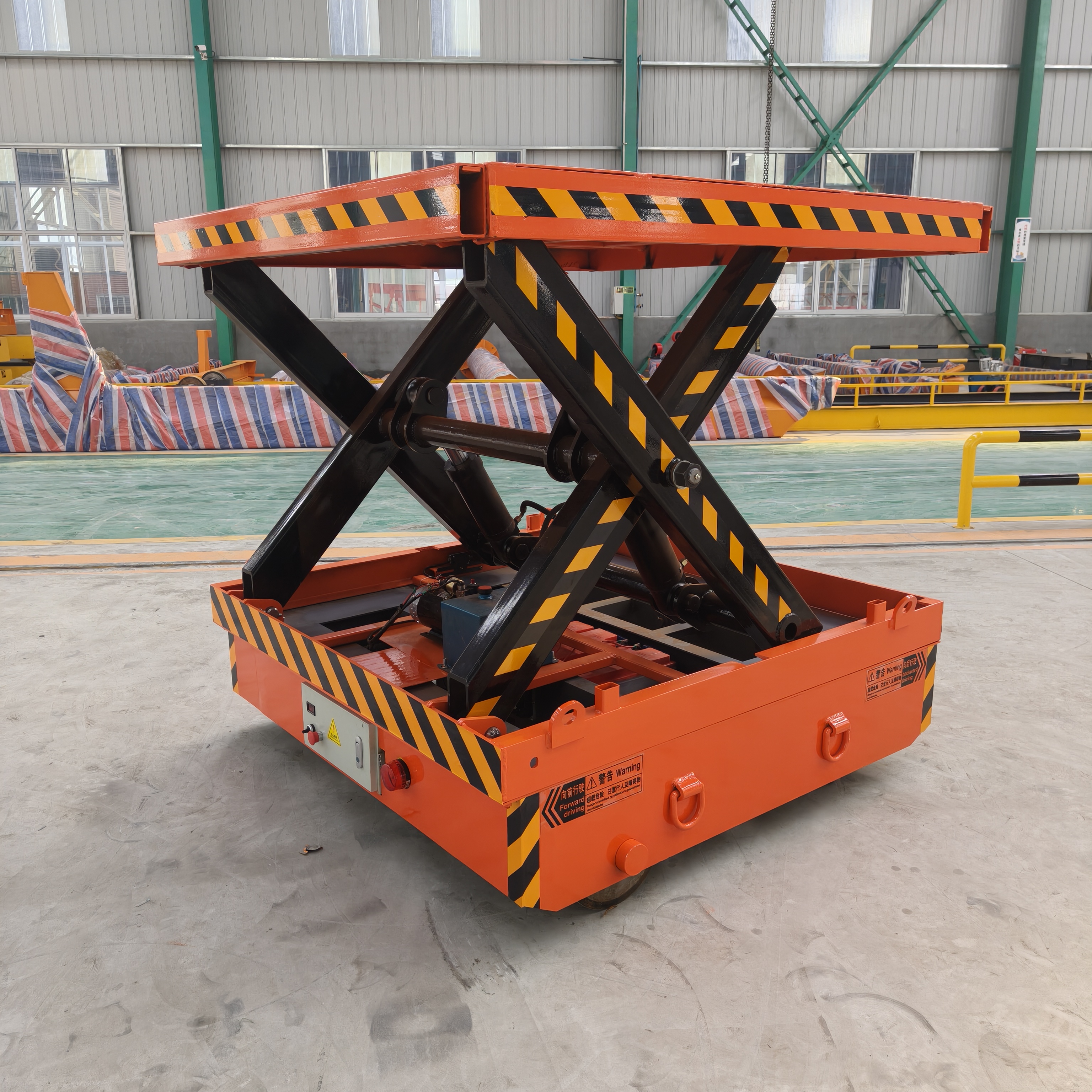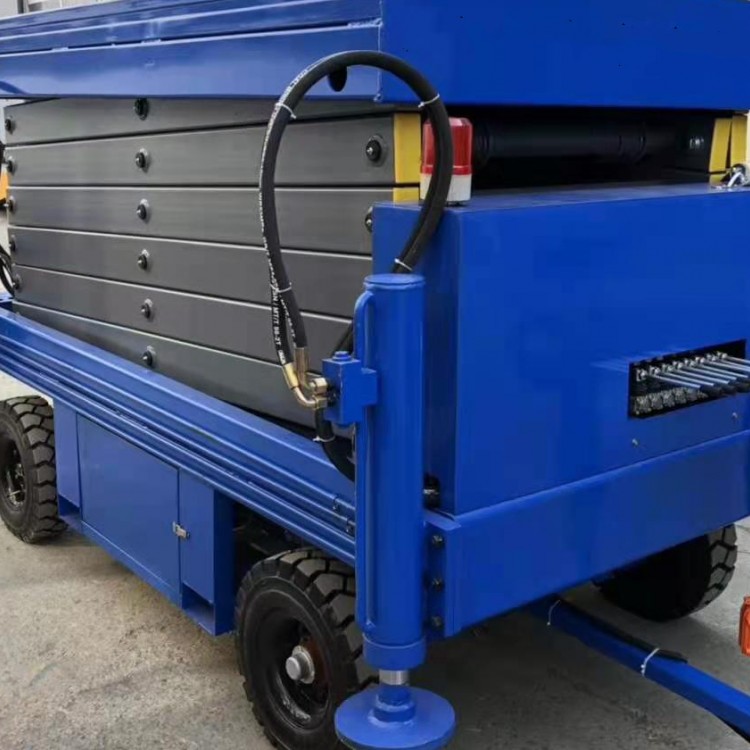









Mobile Loading Bridge for Logistics

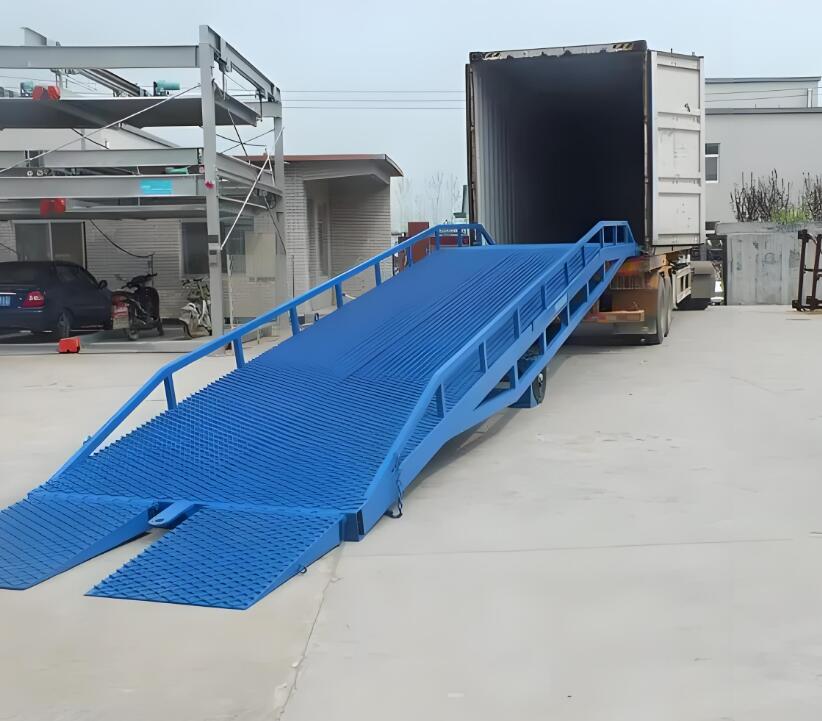
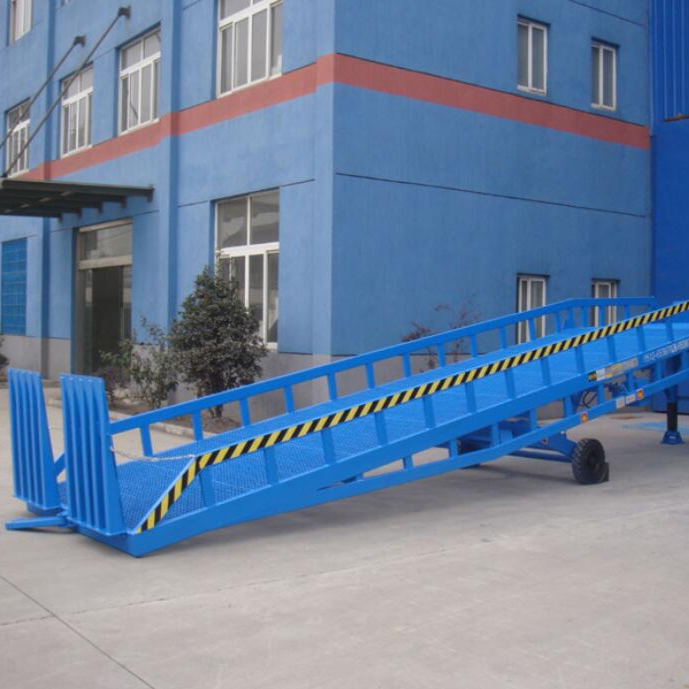
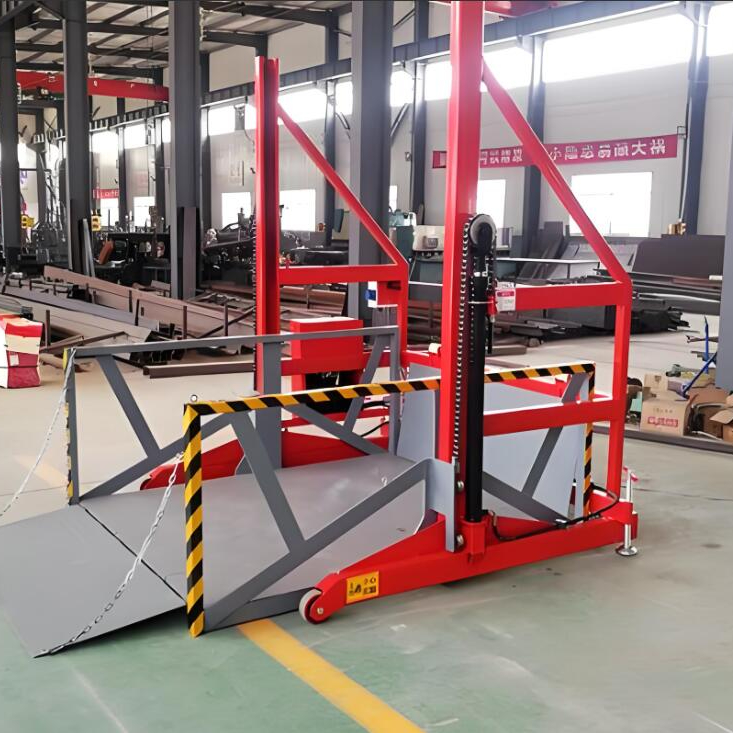
A mobile loading bridge is an auxiliary equipment used in conjunction with forklifts for cargo handling, widely applied in logistics centers, warehousing facilities, factories, ports, airports, and freight stations. It significantly enhances cargo handling efficiency, reduces labor intensity, and improves safety.
I. Product Features
- Mobile and flexible
- Equipped with tires and axles, it can be easily moved to various loading and unloading locations, accommodating temporary or mobile loading and unloading needs.
- Easy to operate
- Utilizes a manual hydraulic system (including an operating lever, hydraulic pump, and oil tank), allowing an individual to adjust the height of the loading bridge via the operating lever without the need for an external power source.
- Efficient loading and unloading
- The forklift can directly drive onto the boarding bridge into the cargo hold, facilitating bulk loading and unloading, significantly reducing handling time.
- High safety standards
- Equipped with safety guardrails to prevent forklifts from accidentally falling.
- Equipped with hand-cranked support legs to bear most of the forklift and cargo weight, reducing the pressure on the carriage.
- Safety lock hooks securely attach to the carriage, preventing separation during operation.
- Adaptability
- Adjustable boarding bridge height to match vehicle height, featuring adjustable lips at the front to accommodate various vehicle types and cabin heights.
- Sturdy construction
- The bridge frame is made of high-strength manganese steel, with the lip plate precision-machined from a solid steel plate, offering great load-bearing capacity and resistance to deformation.
- Low maintenance cost
- Simple structure, with reliable quality of main components; requires only regular inspections and simple maintenance.
II. Categories and Selection
- By load capacity
- Lightweight: Suitable for small-tonnage logistics warehousing handling and factory production line goods turnover.
- Medium: Used for handling medium-tonnage material transport and warehousing.
- Heavy-duty type: Designed for special environments such as ports, steel mills, etc., suitable for frequent lifting and lowering of large quantities of mobile assets.
- By drive method
- Manual hydraulic type: No power required, suitable for places without electricity.
- Electric Type: Equipped with an electric hydraulic system for easier operation.
III. Purchase Recommendations
- Specific requirements
- Select an appropriate carrying capacity based on the weight of goods from daily operations to prevent overloading and bridge damage.
- Focus on the height adjustment range
- Select an adjustable boarding bridge that accommodates various heights to fit different warehouses and transport vehicles.
- Materials and Structure
- High-quality steel or aluminum offers enhanced load-bearing capacity and corrosion resistance, with a well-structured design for improved stability.
- Safety
- Choose a gangway with a non-slip surface, safety railing, and adjustable rope chain for safe operation.
- Convenience and flexibility
- Consider the mobility of the boarding bridge; is it equipped with wheels or a foldable design?
- Price and value for money
- Compare prices and performance of various products to select one that fits your budget and meets your requirements.
- After-sales service
- Choose manufacturers with a good reputation and positive word-of-mouth to ensure high-quality after-sales service.
4. Usage Precautions
- Safe Operation
- Follow the equipment's user manual and ensure operators receive professional training.
- Regular inspections
- Regularly inspect the operation of the hydraulic system, load-bearing structures, and control systems to promptly identify and address potential malfunctions.
- Maintenance and care
- Establish a regular maintenance schedule, including cleaning, lubrication, inspections, and necessary repairs.
- Avoid overloading
- Operate the equipment strictly within its rated load to prevent damage to the equipment or accidents due to overloading.
Section 5: Application Scenarios
- Warehouse Logistics: Used for connecting the height difference between the loading dock and transportation vehicles, facilitating the direct entry of forklifts into the cargo hold for loading and unloading.
- Production Manufacturing: Achieve rapid turnover and bulk loading and unloading of goods on the factory production line.
- Port Terminal: Designed to accommodate frequent loading and unloading of heavy-tonnage goods, enhancing operational efficiency.
- Temporary Site: Ideal for locations with limited space or a need for mobile loading and unloading. Saves space and can be reused multiple times.