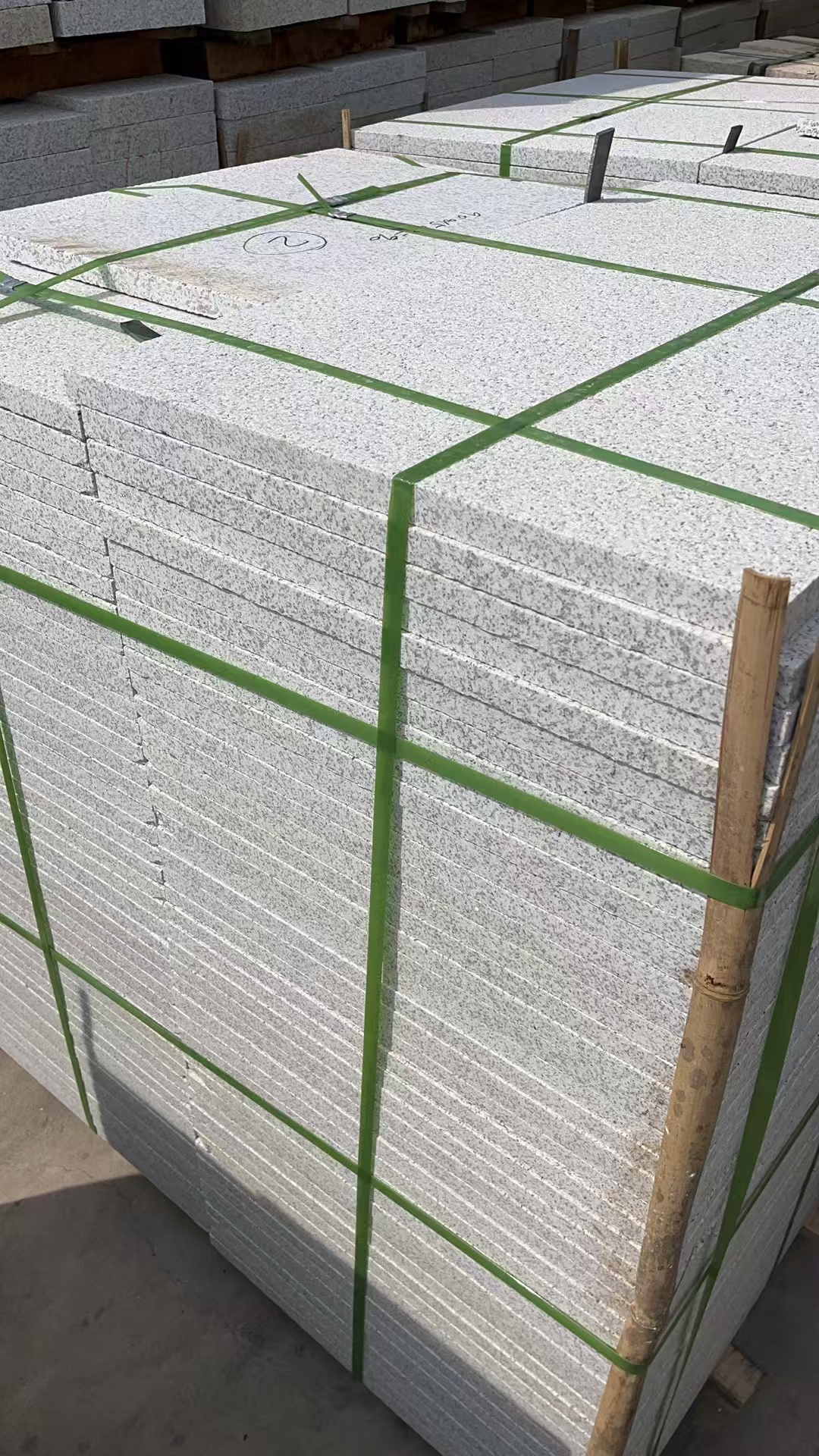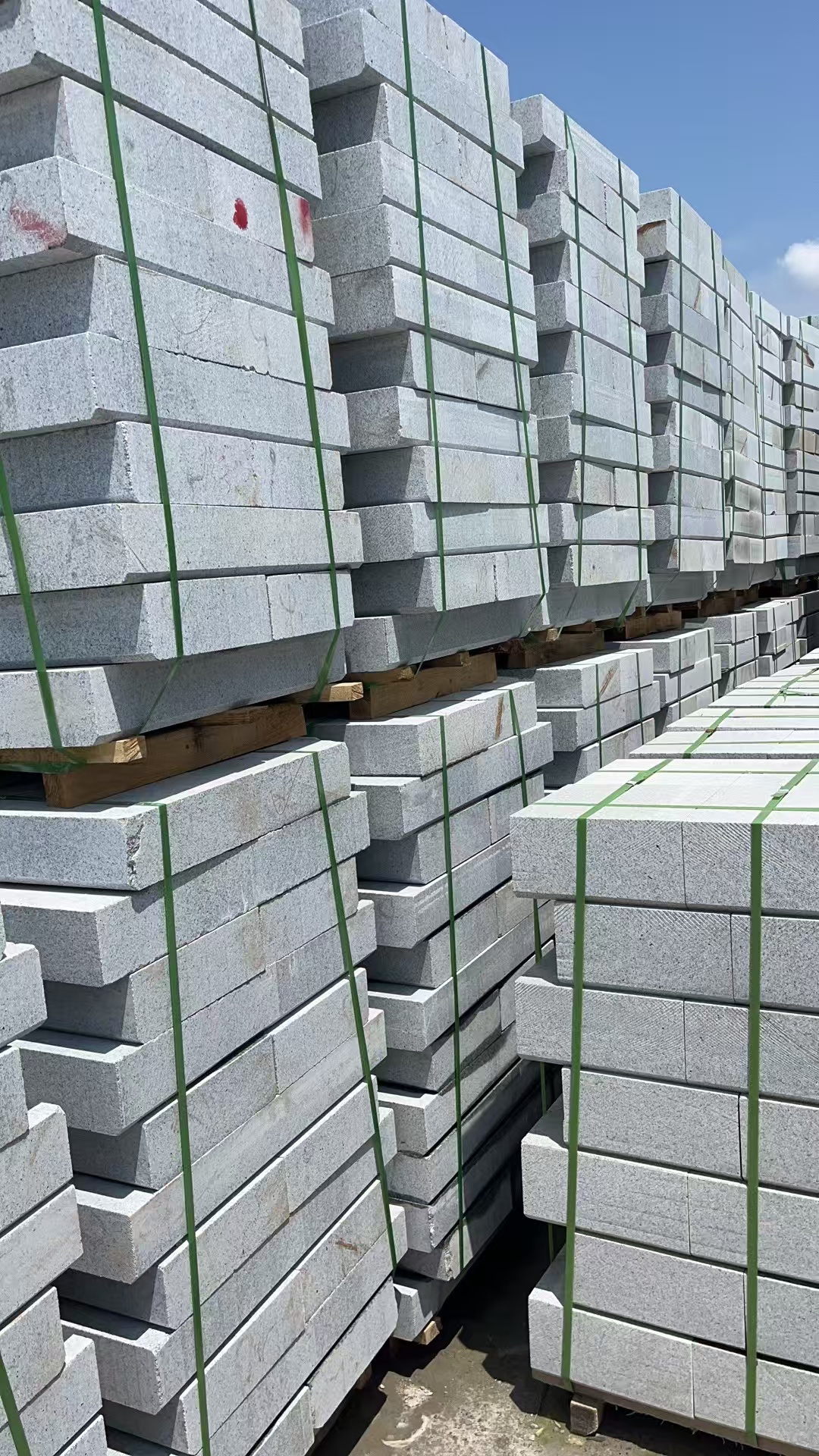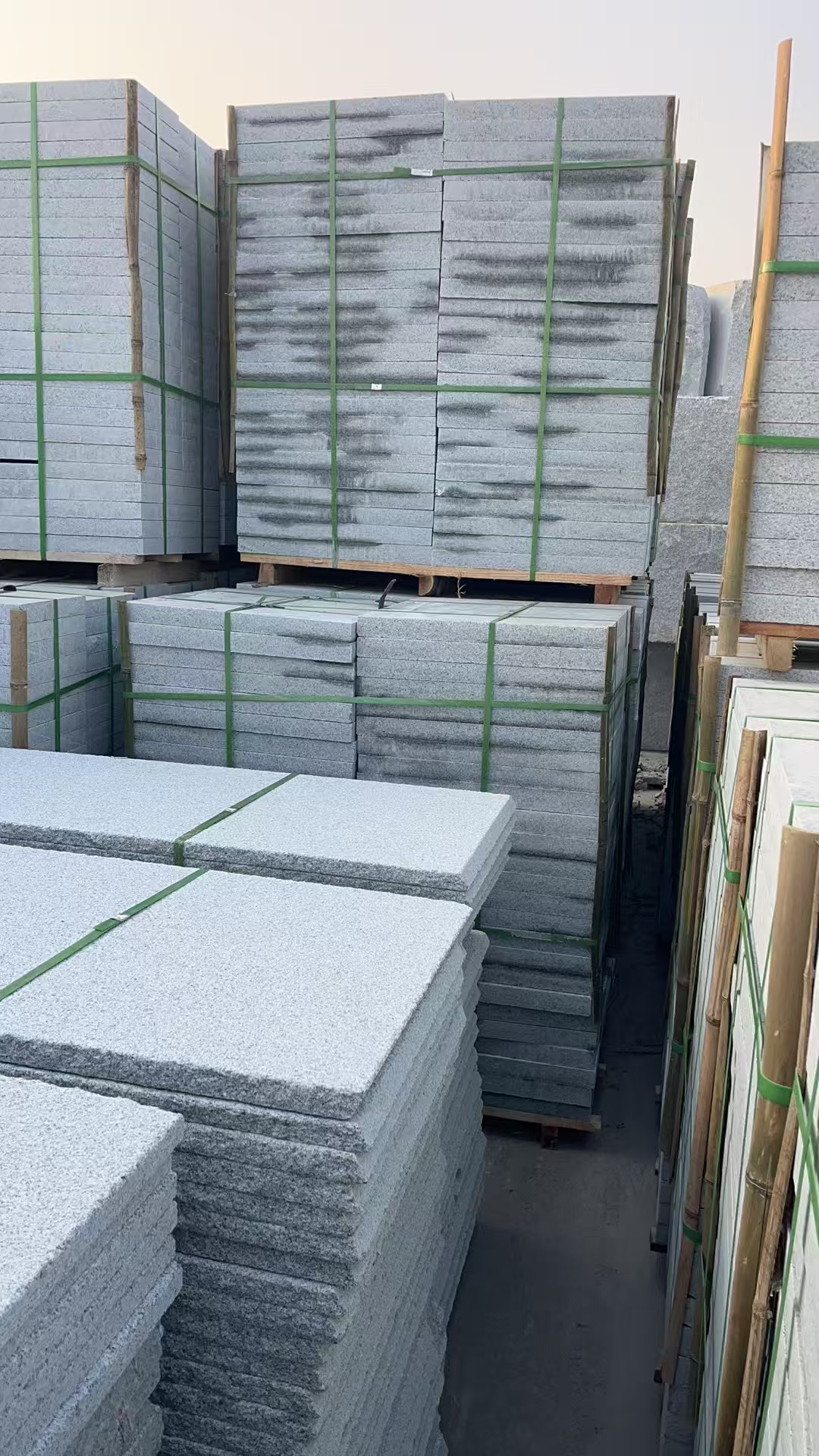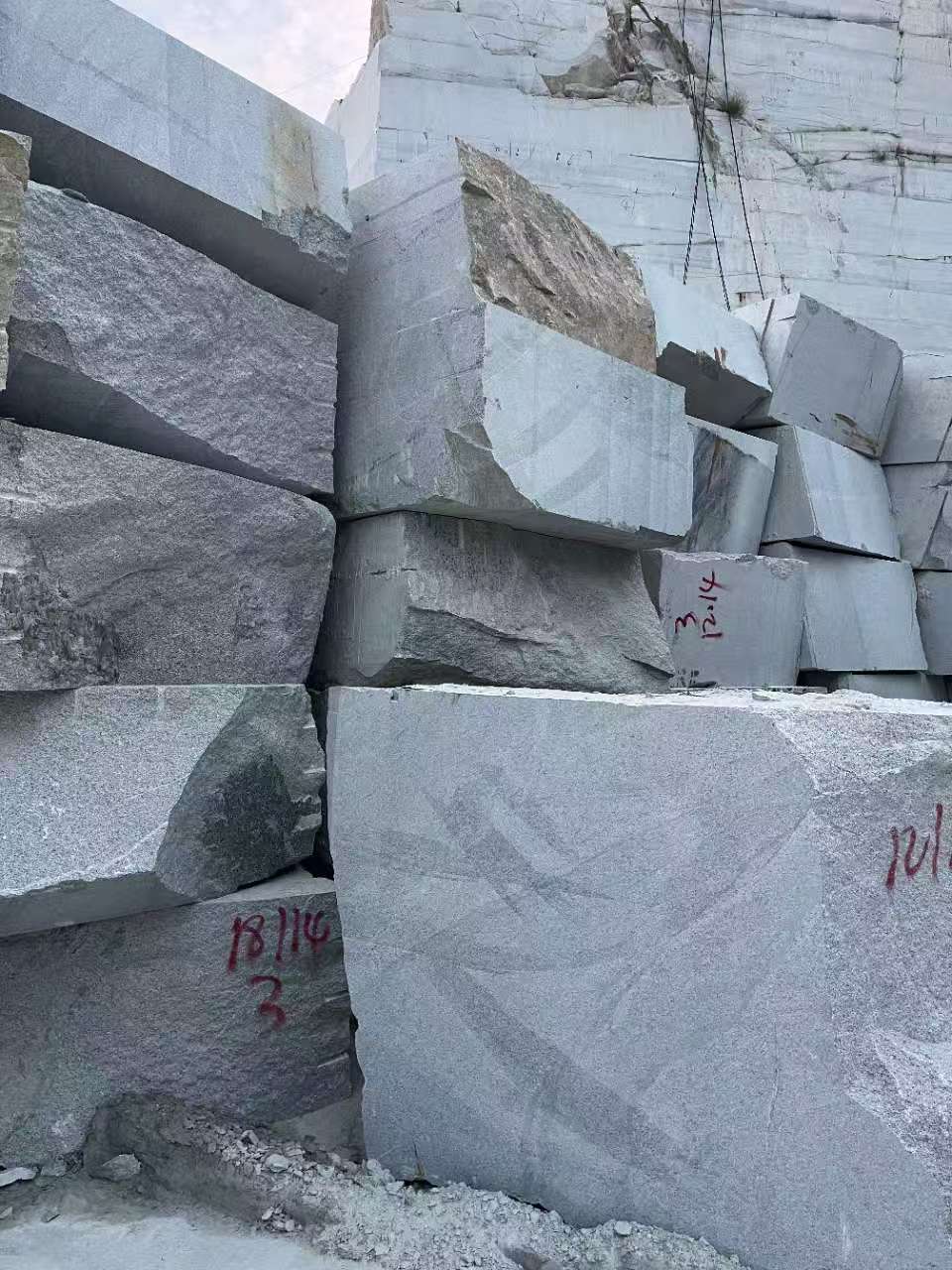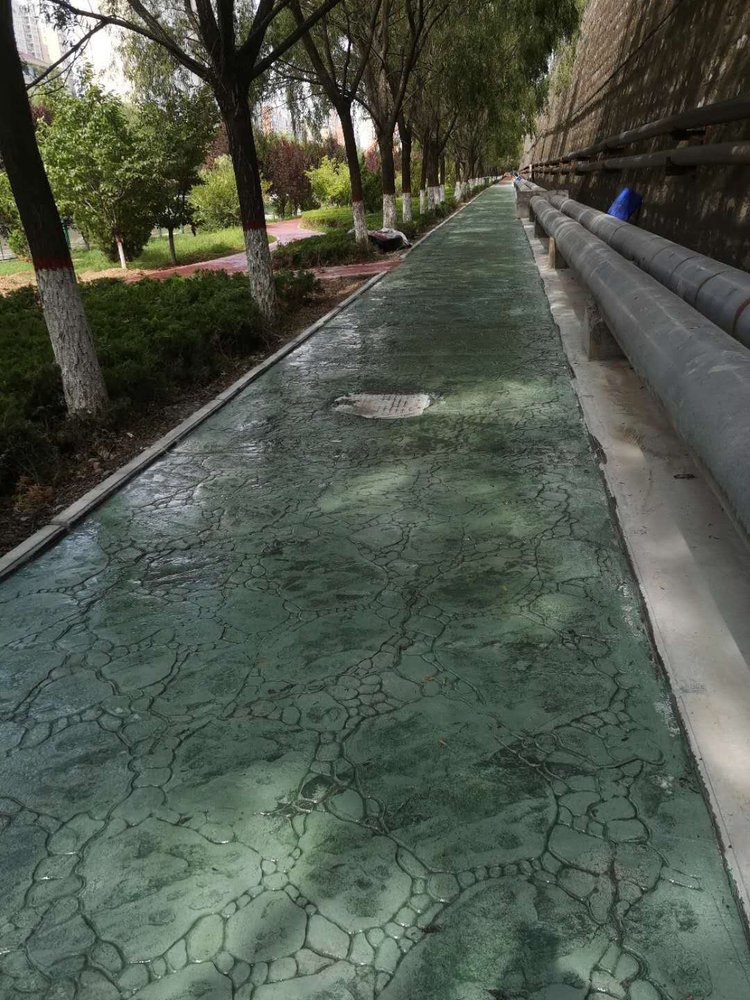

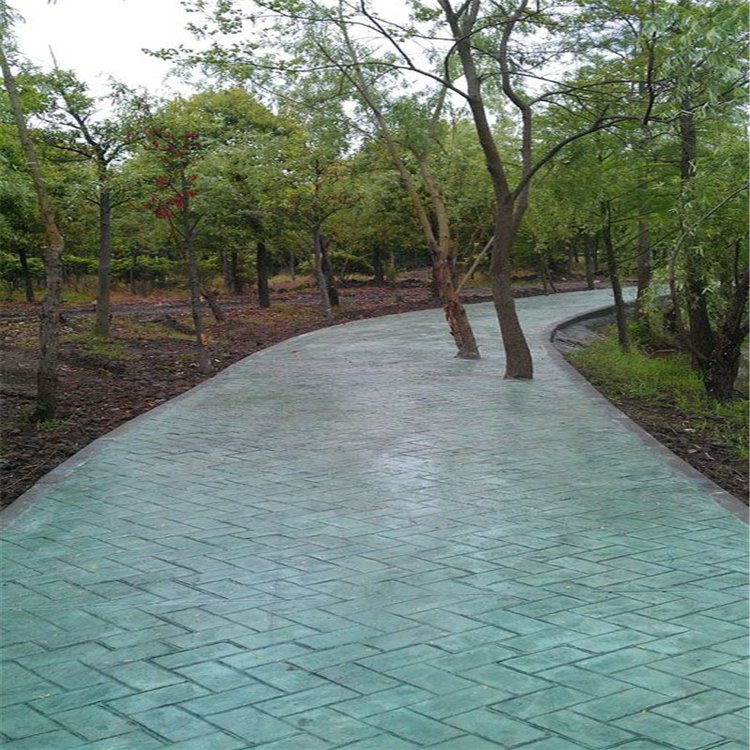
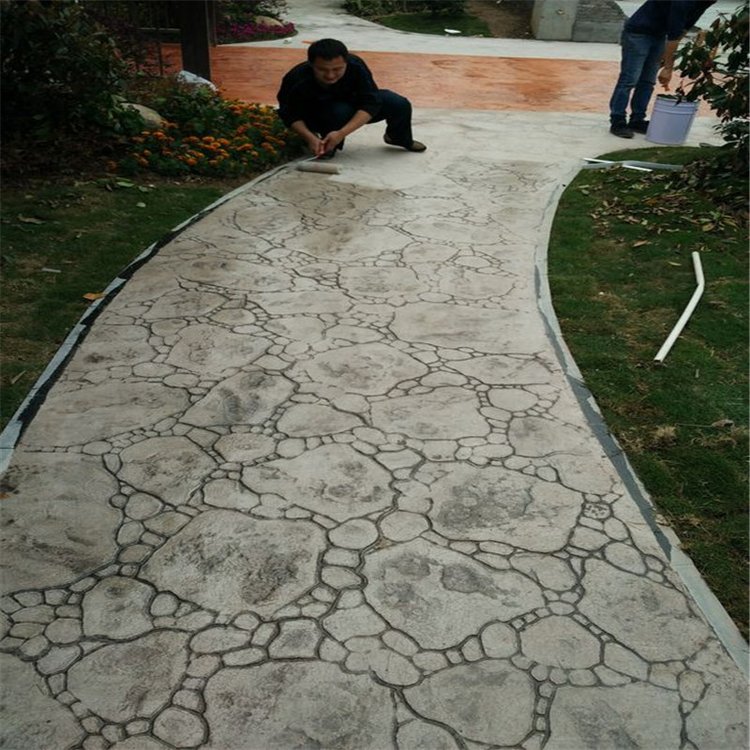


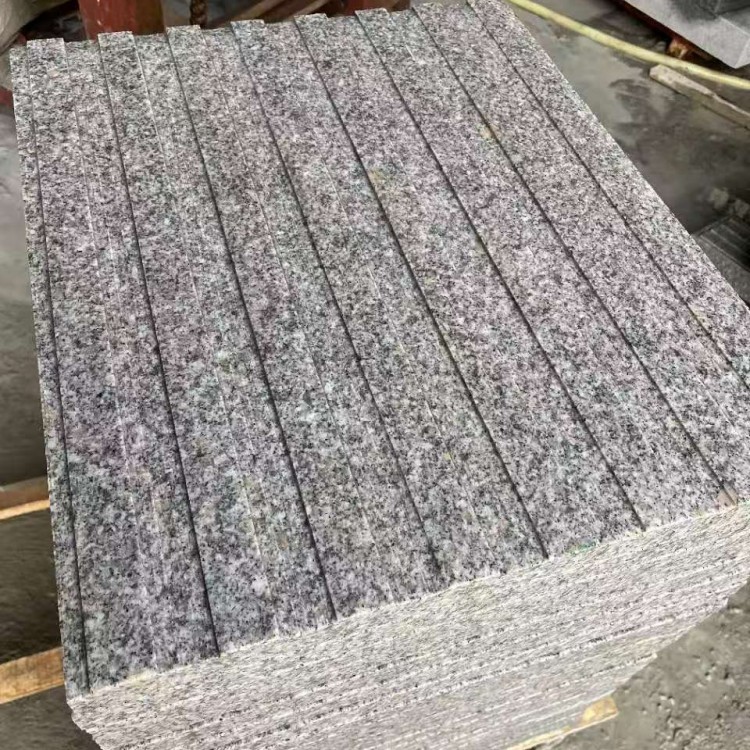







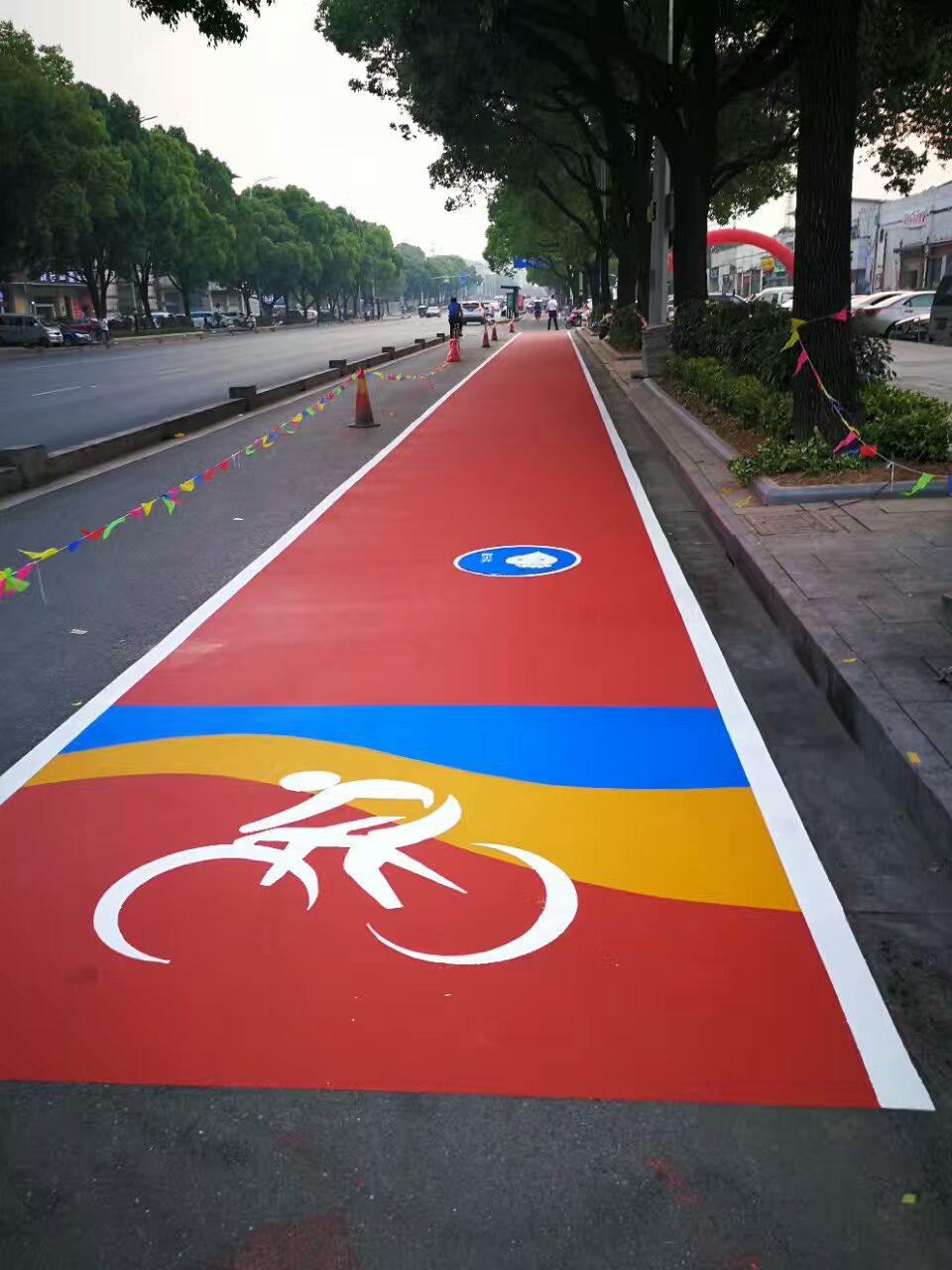
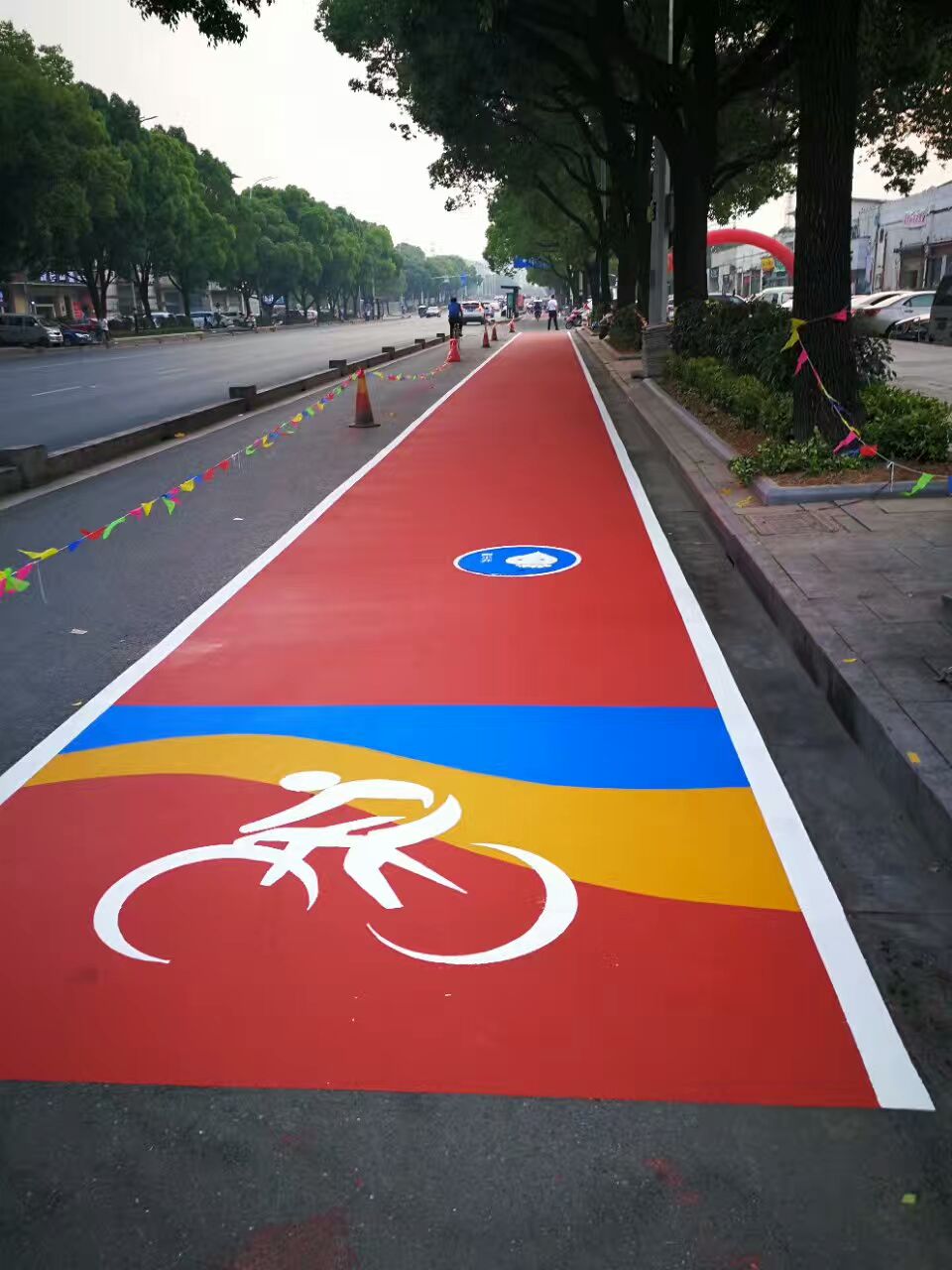
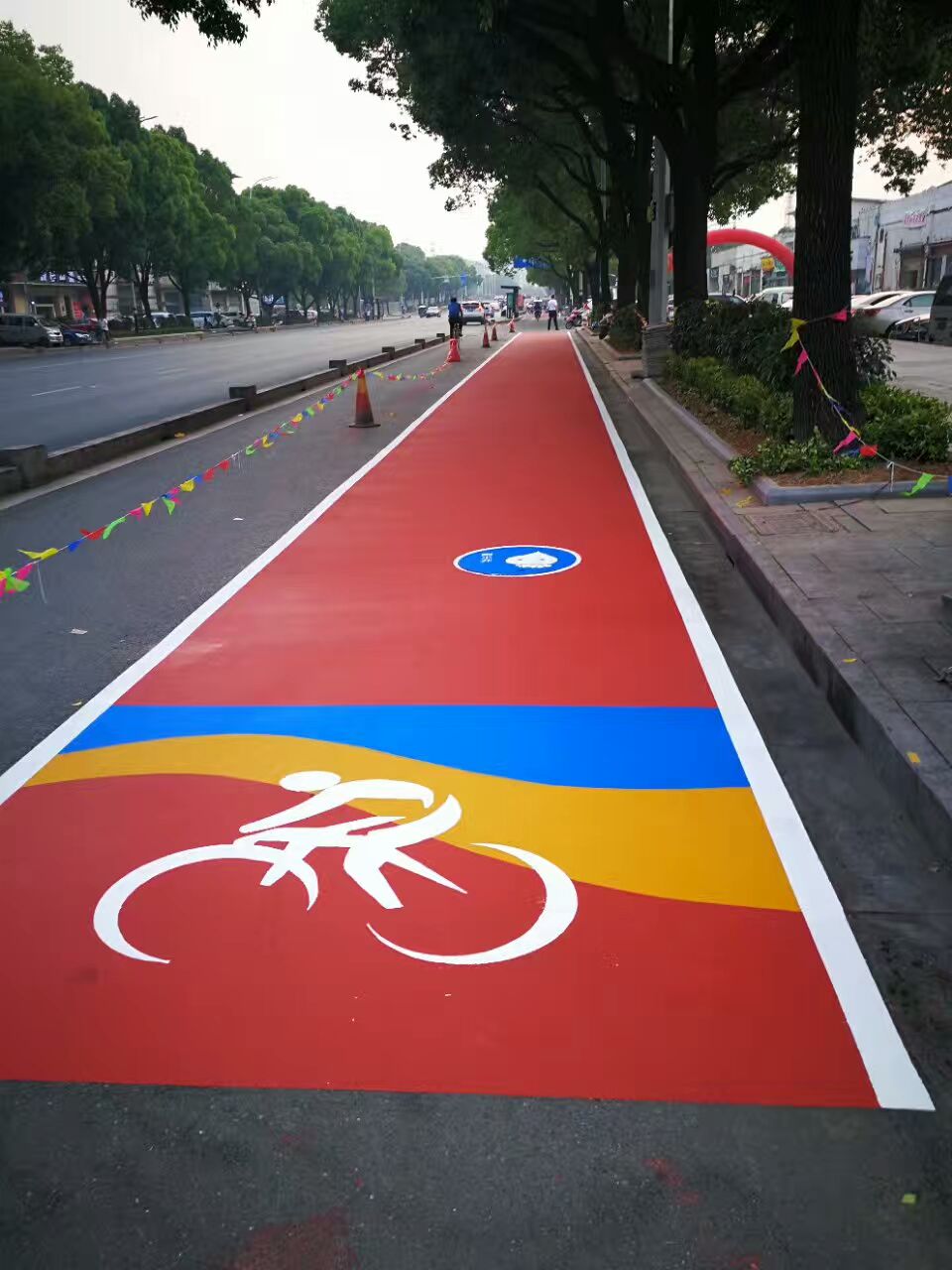
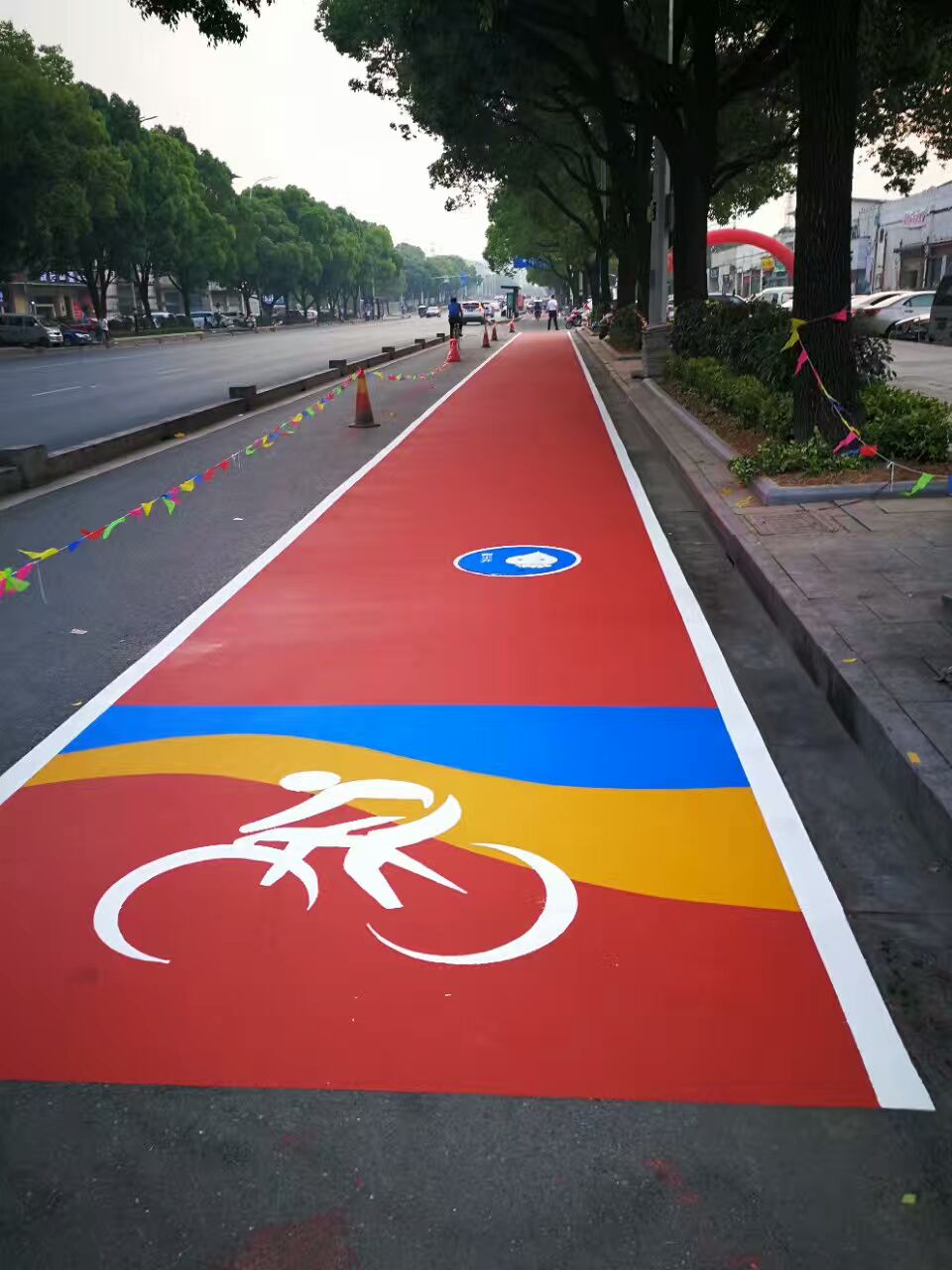
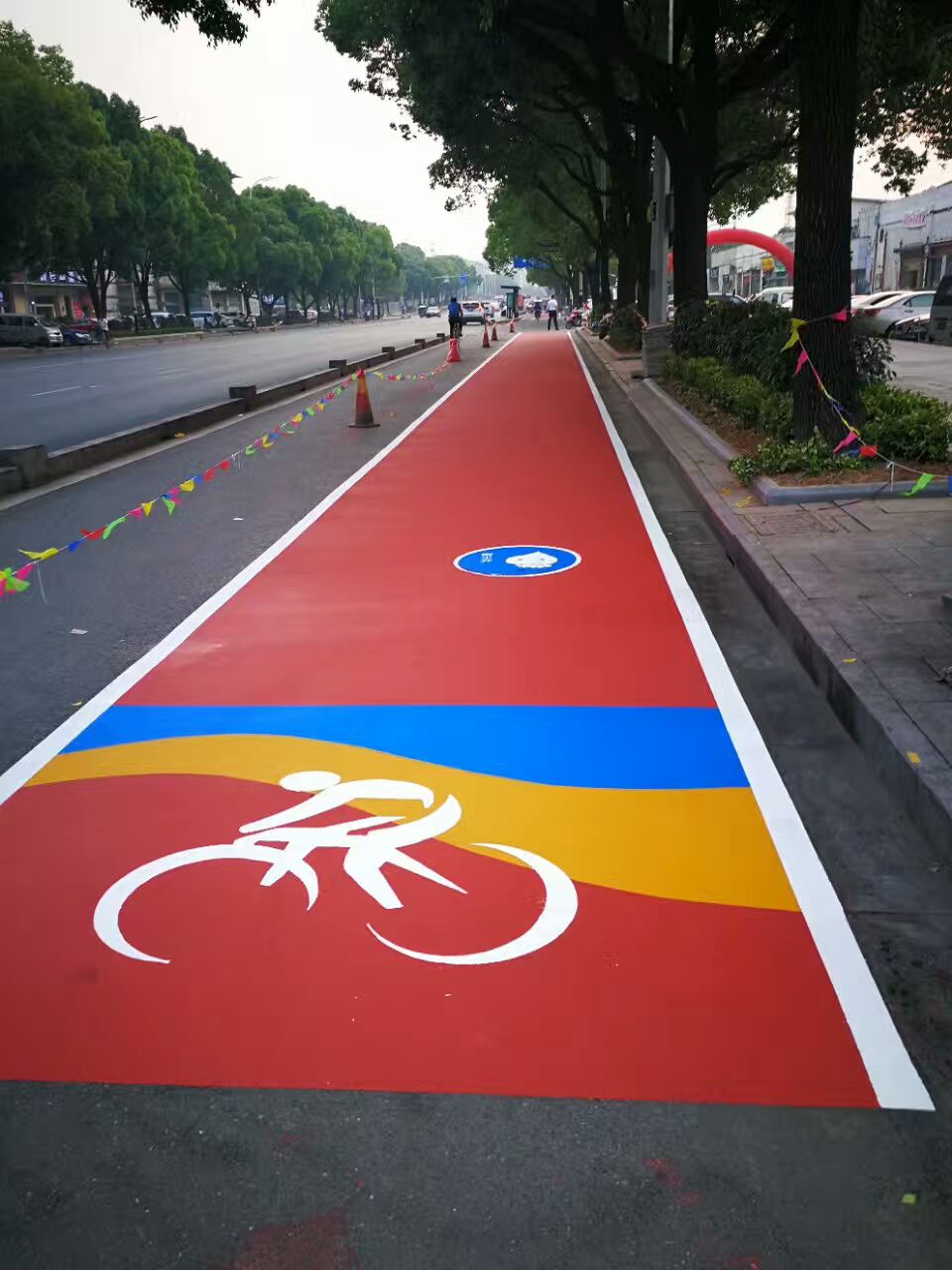
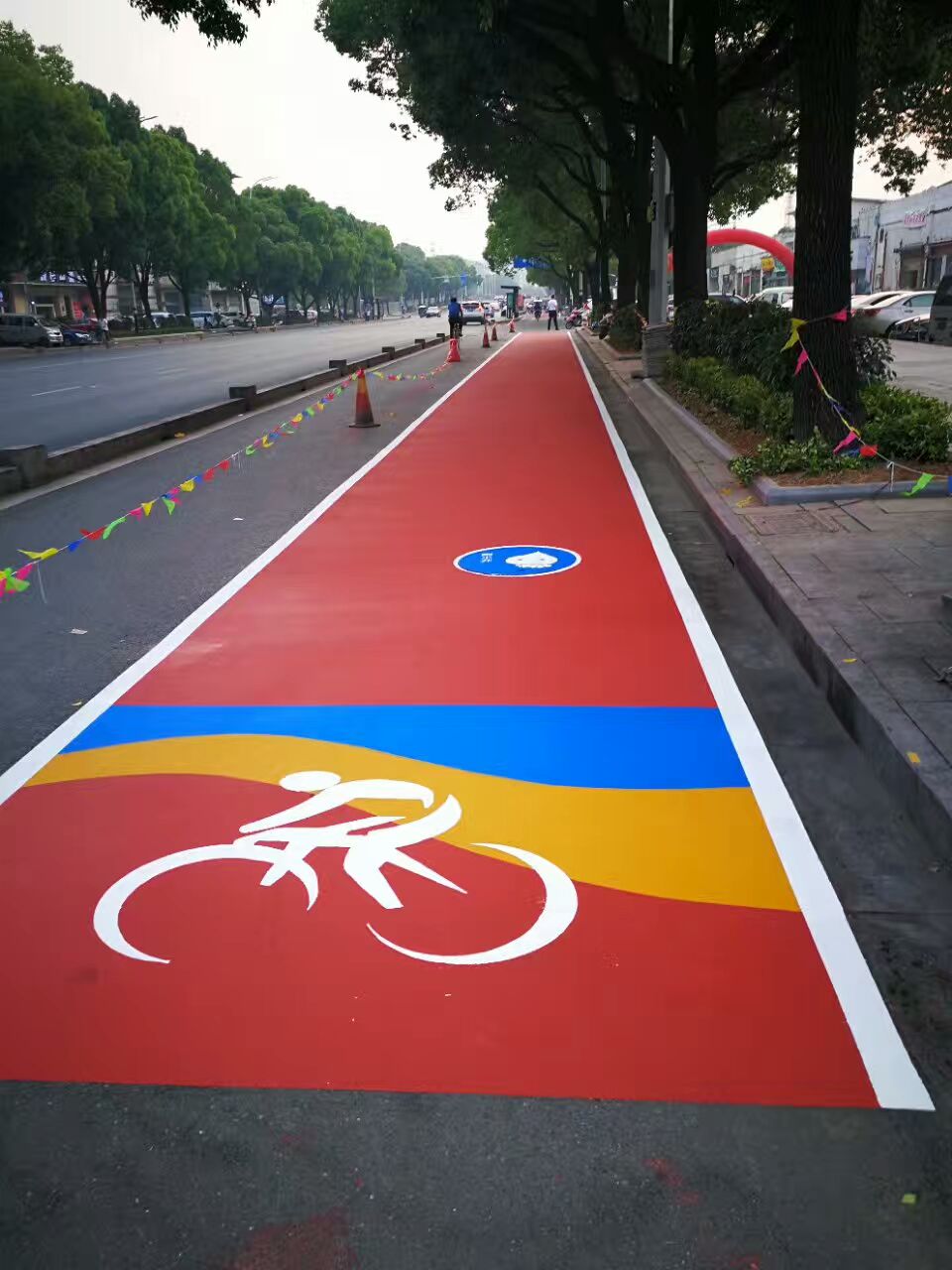
The molded flooring overcomes the drawbacks of traditional colored paving slabs, such as poor integrity, tendency to loosen, unevenness, and splashing mud, which cause inconvenience. With its advantages of good flatness, simple工艺, and strong three-dimensional texture, the colored flooring not only tackles the challenges of long construction periods, concrete cracking, hollowing, peeling, and delamination commonly encountered in traditional ground paving, but also solves the issues that arise from the irregular dimensions and thickness variations of natural materials in flooring.

Pressed floor features
1. Excellent water resistance on road surfaces, high anti-slip performance, vibrant colors, and quick construction, capable of being completed overnight. High laying efficiency means lower labor costs, particularly suitable for safe road surface construction.
2. Traffic delays caused by construction have been significantly reduced, as the specially manufactured modified polyurethane adhesive ensures the necessary time for the continuation of work on the newly opened highway is greatly cut.
3. Reduce the workspace area; a single lane's space is sufficient for construction, offering low costs. Approximately half the cost of other solutions in Europe, while also reducing noise. The fine structure made of aggregates has an audio conduction effect; applying it to concrete road surfaces can reduce noise by 3 to 4 decibels.
4. The anti-slip function reduces the braking distance by 40%. Additionally, heavy trucks will not lock up when braking on turns.
5. Thinner thickness: The planned thickness is 3-4MM, requiring no adjustment of street equipment and without affecting drainage. Lightweight: The covering layer for every square meter weighs just 3.35 kg.

Poured-in-Place Concrete Flooring Construction Technique
1. After the concrete is evenly spread at the site, it is vibrated and leveled. Then, a color intensifier (dry powder) is evenly sprinkled on the concrete surface, creating a colored layer of approximately 3mm. Using professional tools, the intensifier is blended into the concrete surface, integrating it seamlessly, and then the surface is polished.
2. At the point when the surface begins to solidify but has not yet hardened, start evenly sprinkling (colored) release powder.
3. Mold the surface with the selected rubber mold to complete the surface pattern treatment.
4. After 4-7 days of maintenance, perform an acid wash on the floor surface; remove the color of the demolding powder from the protruding parts, and complete the surface color treatment.
5. Apply a clear protective coating to the surface, providing anti-pollution, anti-slip treatment, and sealing reinforcement for the cementitious stamping floor. At this point, the concrete base has fully cured into one with the colored hardener surface layer, with surface strength and wear resistance exceeding that of ordinary concrete surfaces by three times or more.