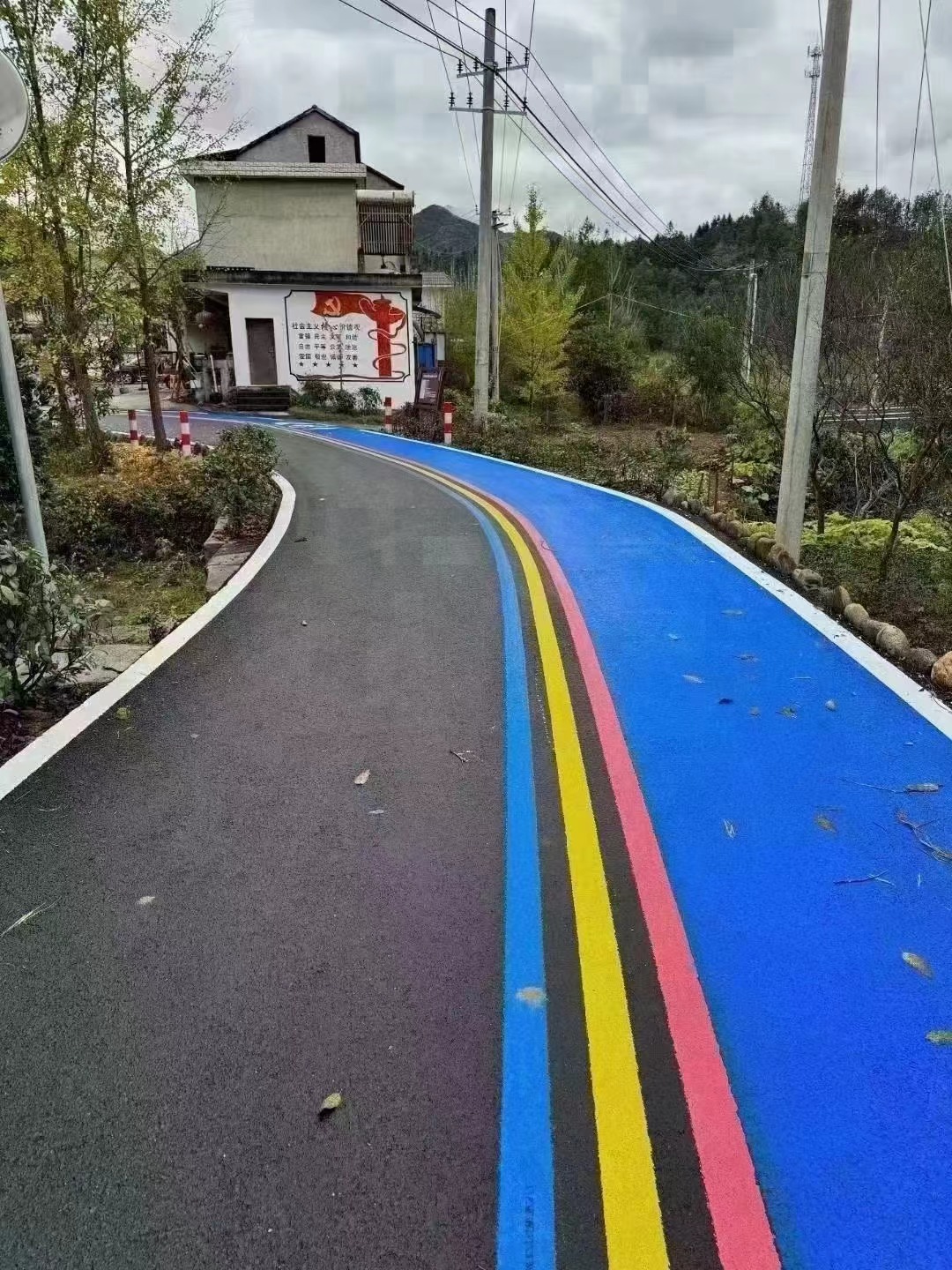
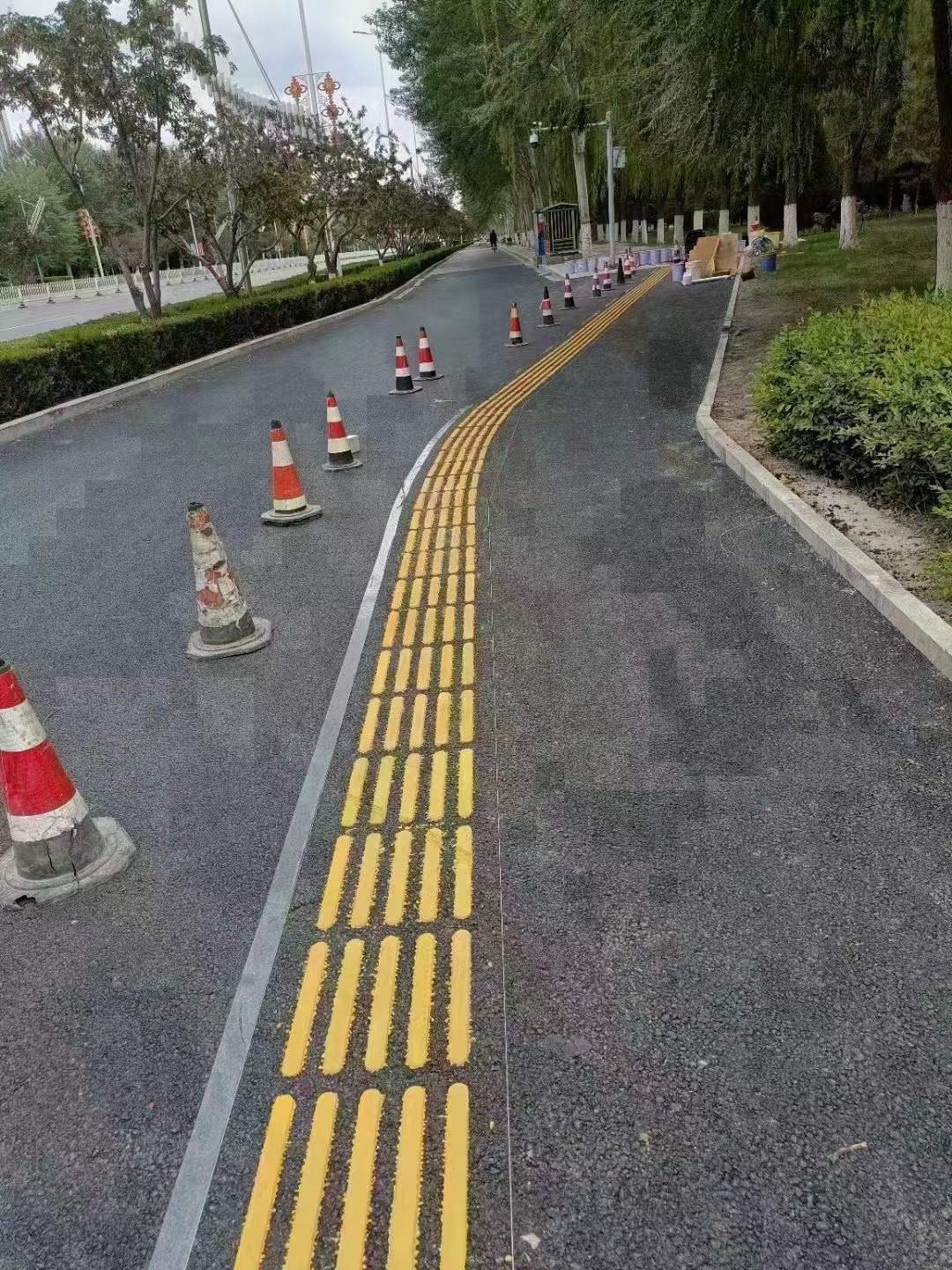









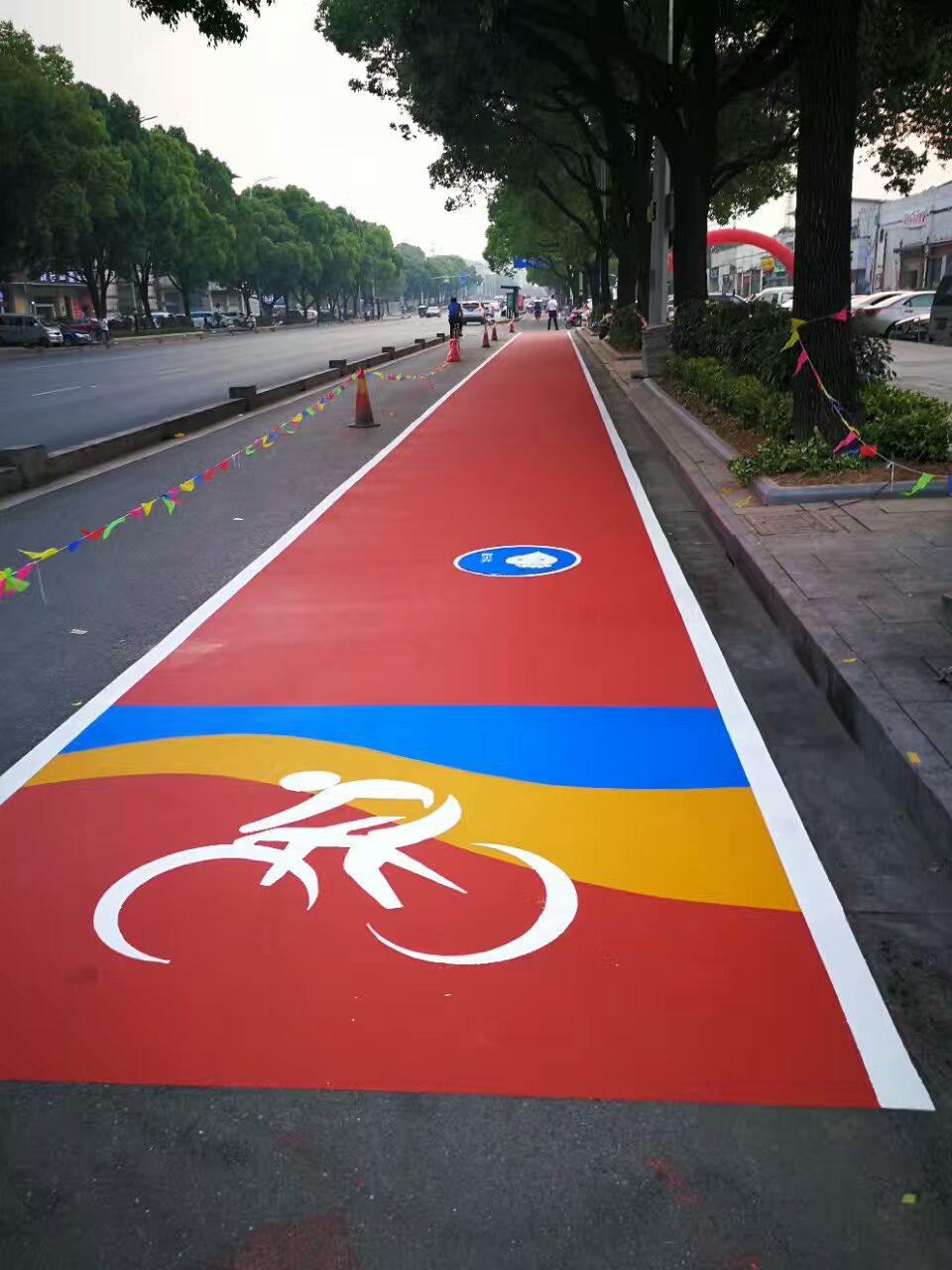
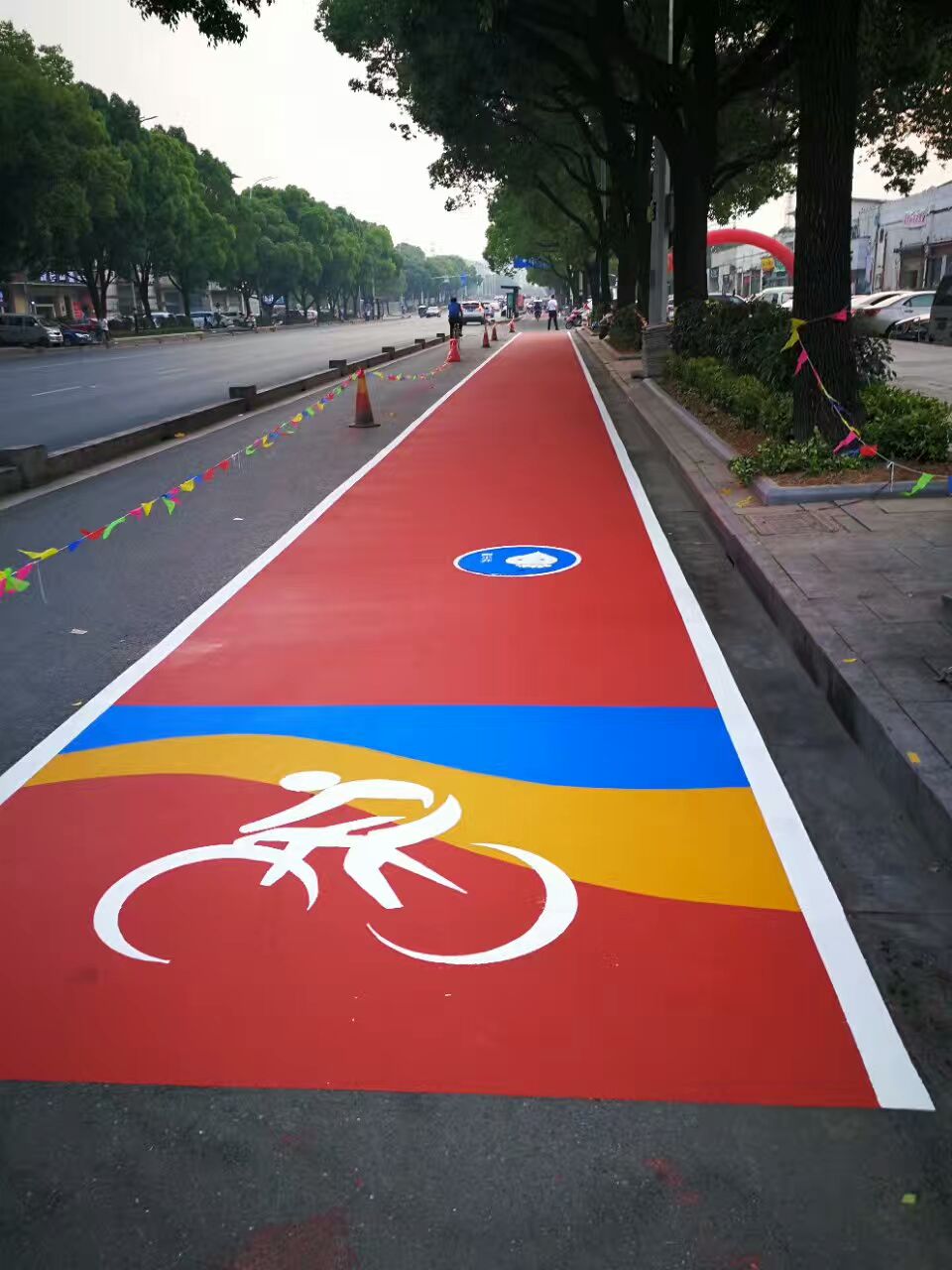
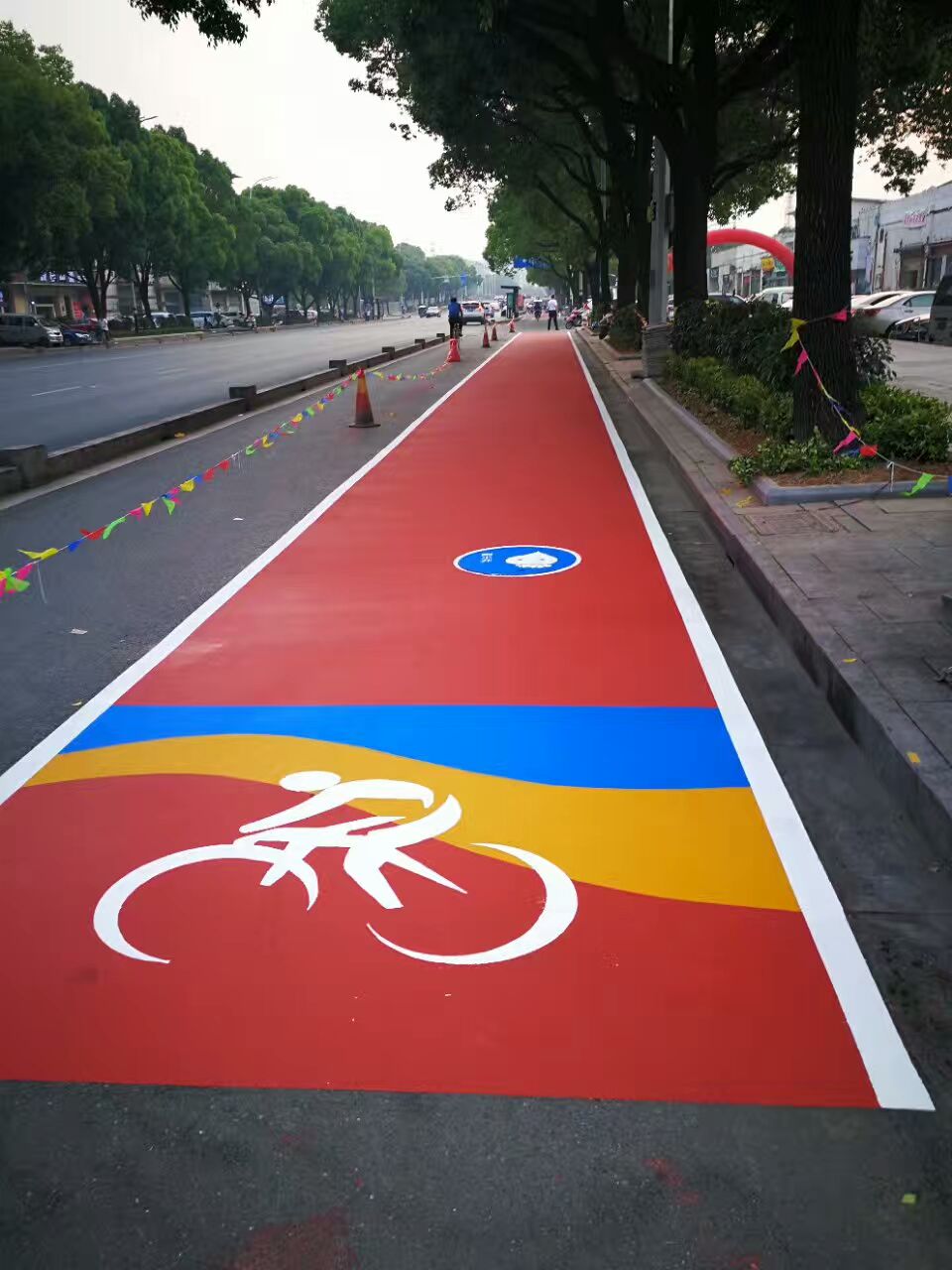
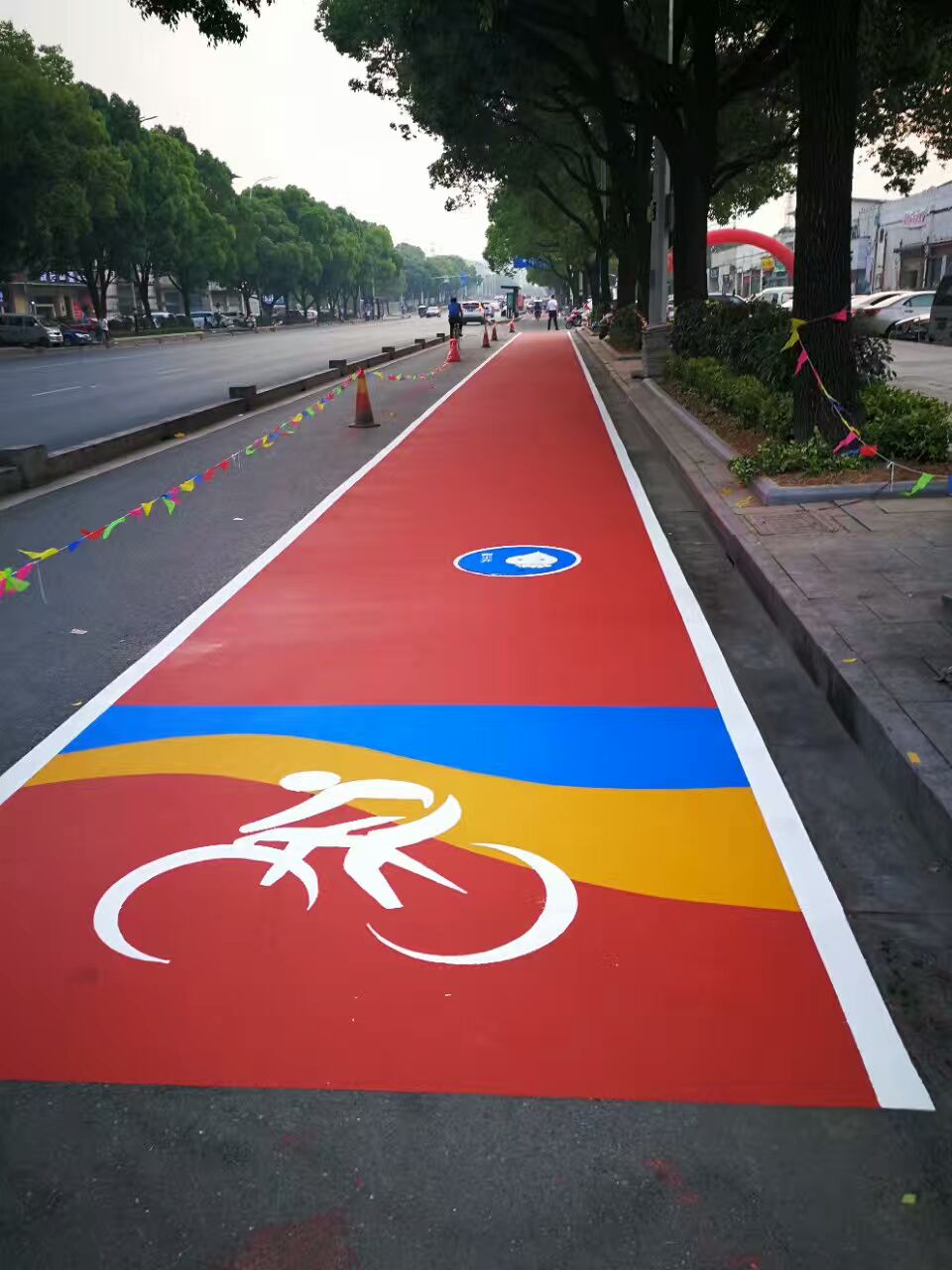
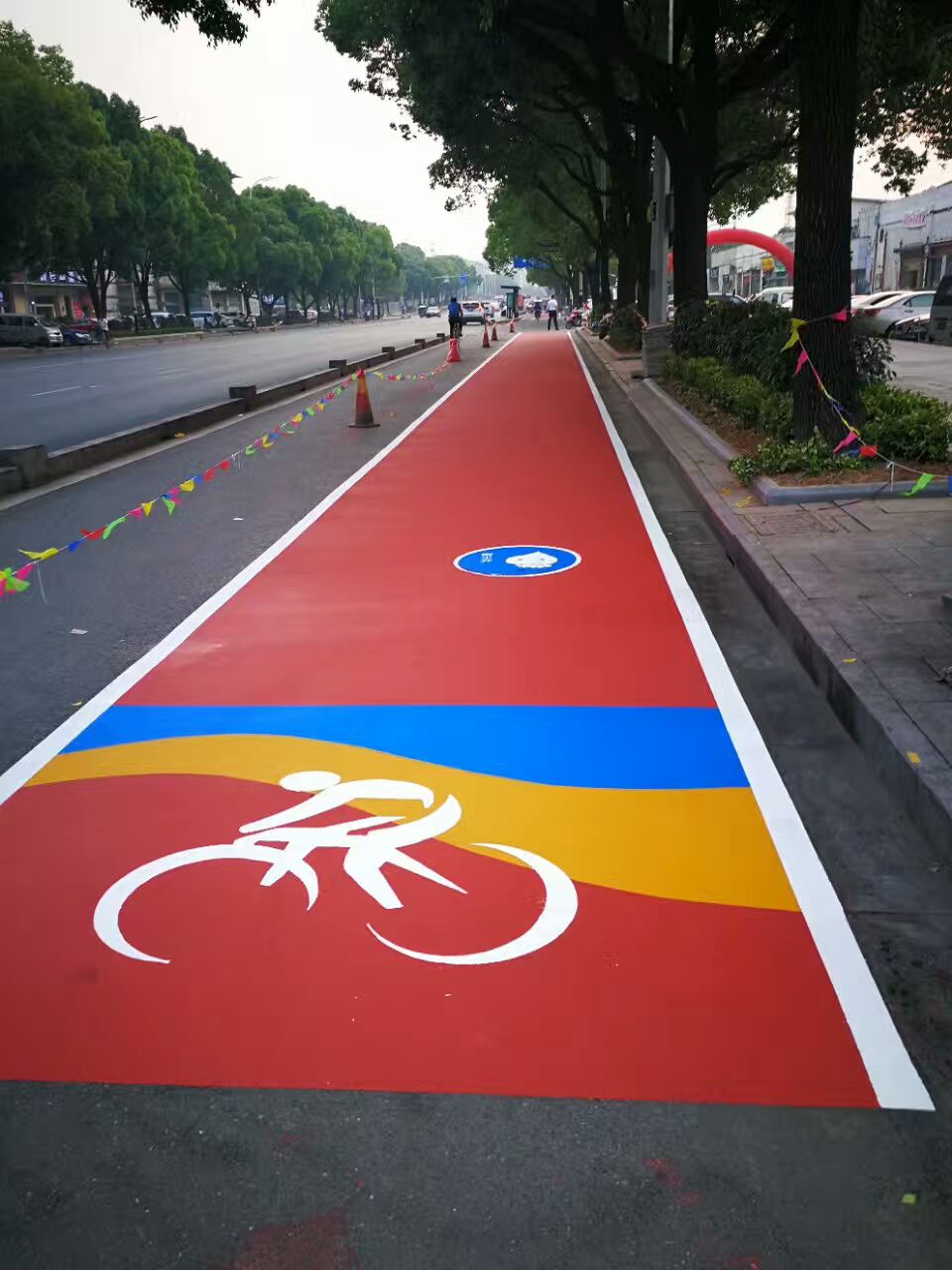
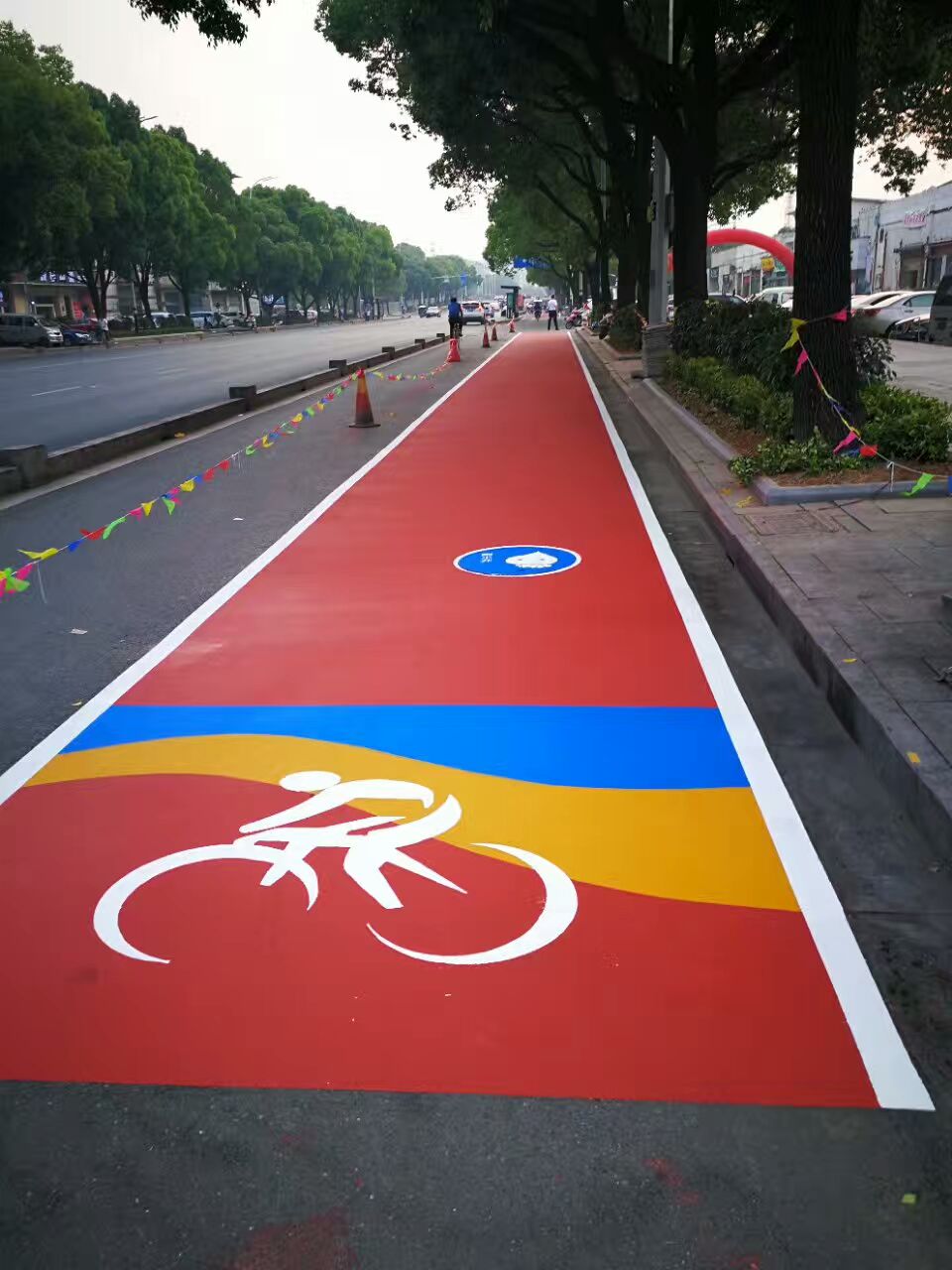
Porous concrete is highly practical, benefiting the benign development of the human living environment; it also holds significant importance in rainwater management and utilization, as well as in the prevention of water pollution. It is a "Key Promoted Project of Scientific and Technological Achievements in National Construction," widely used in sidewalks, bike lanes, light rail tracks, public squares, outdoor parking lots, park walkways, and scenic roads, among other locations.

1.When heavy rainfall occurs, it can alleviate the burden on urban drainage facilities, prevent river flooding, and reduce water pollution.
2.Facilitates rapid rainwater infiltration into the ground, replenishing groundwater and maintaining soil moisture.
3.Prevent road surface ponding, reduce nighttime glare, enhance road safety and driving comfort.
4.Regulate the temperature and humidity of urban spaces, improve the urban heat cycle, and alleviate the heat island effect.
5.High porosity can reduce road noise during vehicle travel, creating a comfortable traffic environment.
6.Large gaps can absorb urban pollutants.(As dust)Reduce dust pollution.
7.Easy to maintain, gaps won't tear, and not prone to traffic jams.
8.Patterns can be custom designed to blend seamlessly with the surrounding environment.

Porous pavement allows rainwater to quickly permeate the ground, effectively replenishing groundwater, alleviating urban heat island effects, and protecting natural urban water systems from damage, offering significant environmental value. Additionally, it addresses the issue of easy waterlogging on regular surfaces, enhancing both safety and comfort for pedestrians, and is crucial for improving the living environment.