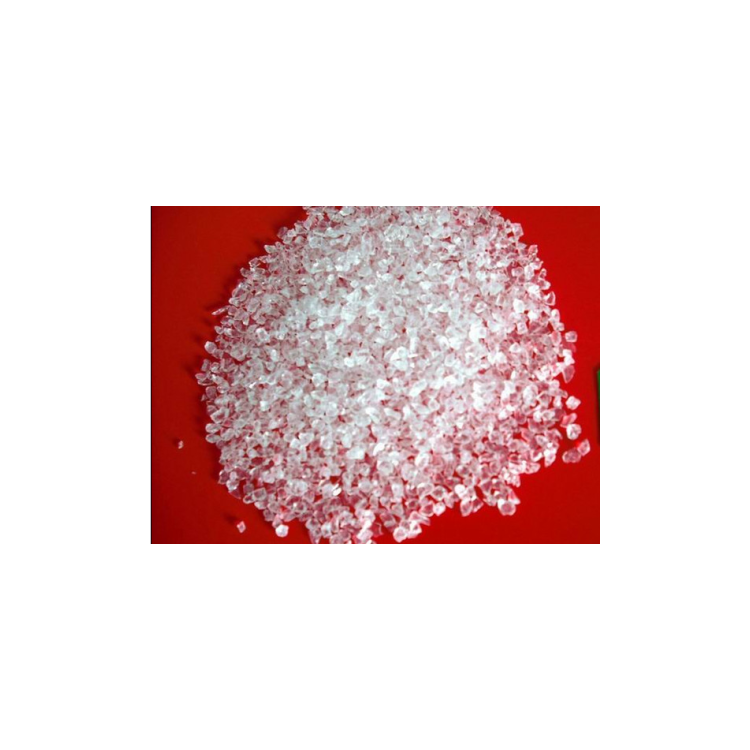







Magnesium Oxide
Parameters:
Chemical Formula: MgO, Molecular Weight: 40.3044
Melting Point 2,852℃ (5,166 °F; 3,125 K)[1]
Boiling Point: 3600°C; Solubility: 6.2 mg/L (at 0°C)
Density 3.58 g/cm³ (25°C), Transmittance Range 200-8000 nm
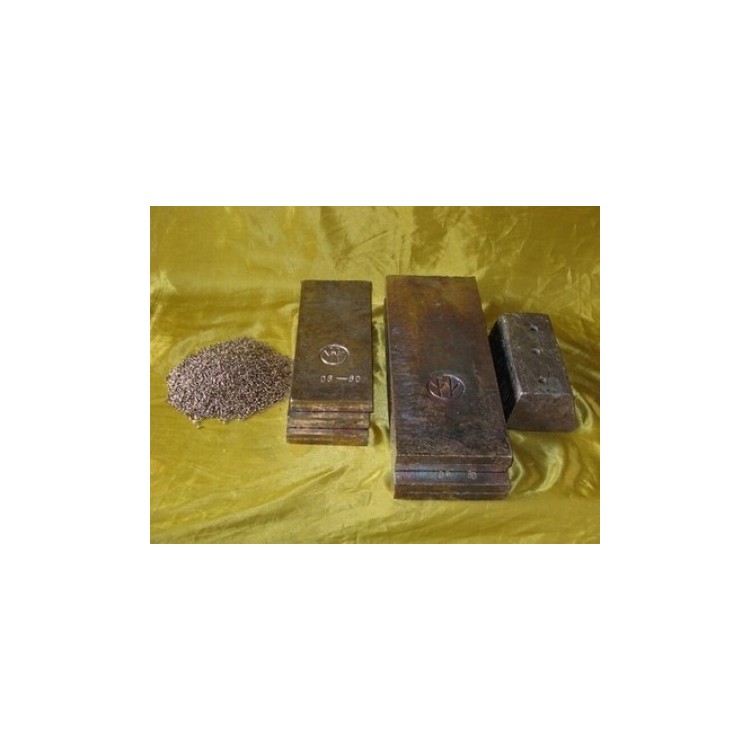
Brief Introduction: Magnesium oxide is an oxide of magnesium, an ionic compound. It is a white solid at room temperature. Magnesium oxide exists naturally in the form of magnesite and is a raw material for magnesium smelting. Magnesium oxide mixture: consists of 60g of magnesium oxide and 60g of magnesia. Magnesium oxide is commonly known as magnesia, also referred to as magnesium oxide. It is an alkaline oxide with the general properties of alkaline oxides and belongs to the category of cementitious materials. The addition rate of magnesium oxide in the ruminant diet is 0.5%-1.0%. Mg(OH)2·5H2O → 5MgO + 4CO2↑ + 6H2O. The mother liquor obtained after the carbonation method of sea salt production (magnesium ion content of about 50g/L) is purified, mixed with ammonium bicarbonate in a suitable ratio, undergoes precipitation reaction, then centrifuged for dehydration, dried, calcined, milled, graded, and packaged to obtain the finished light magnesium oxide.
Application: Used in metallurgy, smelting, production of high-grade magnesia bricks, refractory materials, and moisture-retaining materials. Also widely employed in the rubber, rubber sheet, rubber products, food industry, plastic board accelerators, glass fiber plasticizers, surface coating paints for silicon steel sheets, paper production, steel ball polishing, leather processing, insulating materials, lubricants, dyes, ceramics, desiccants, resins, flame retardants, and more.