









Tin Dioxide
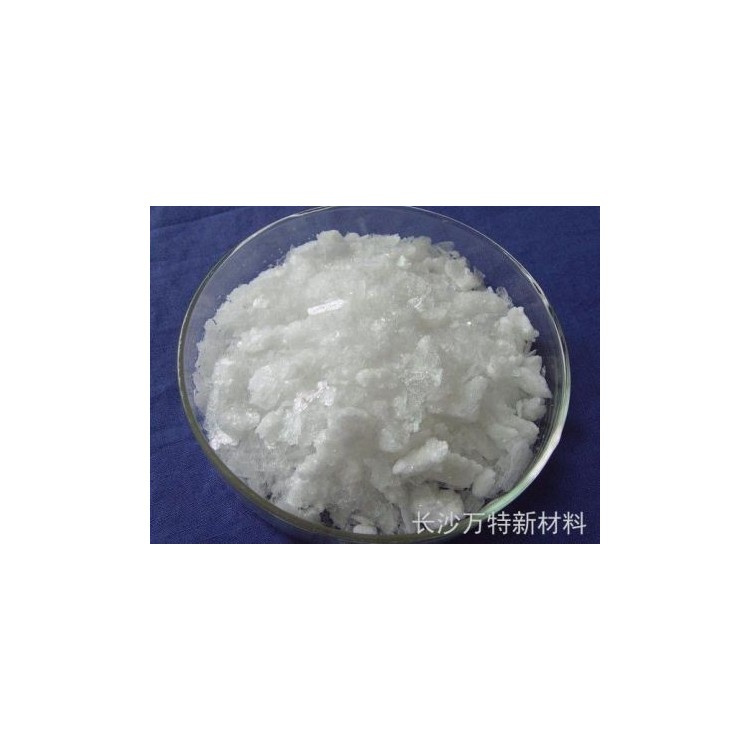
Brief Introduction: White, tetragonal crystals with a density of 7 and a melting point of 1127°C. Insoluble in water, dilute acids, and alkaline solutions. Soluble in concentrated sulfuric acid. Forms stannates when mixed with alkalis. Used in the production of opaque glass, ceramic uranium, and glass polishing agents. Produces cassiterite. Can be obtained by burning tin in air. Chemical formula: SnO2 (Chemical formula: SnO2, molecular weight: 150.71). White, pale yellow, or pale gray powder in tetragonal, hexagonal, or rhombohedral crystal systems. Melting point of 1630°C, boiling point of 1800°C. Also serves as a transparent conductive material. It is a commercialized transparent conductive material, often doped to enhance its conductivity and stability, such as SnO2:Sb, SnO2:F, etc.
Parameters:
Tin Oxide, Purity: 99.99%
Tin Dioxide
Evaporation Temperature: 1600-1800℃
Refractive Index: 2-2.1 Density: 6.59
White Tin Oxide, Tin Gray Oxide, High Tin Oxide
Melting Point: 1630°C
Boiling Point: 1800°C
Purpose: Used in the preparation of tin salts and catalysts. Applied in enamel pigments, tin salt manufacturing, as mordant and weighting agent for fabrics, polishing agent for marble and glass. It is also a raw material for the production of opaque glass, milk glass, catalysts, and reagents. High purity 4N grade is mainly used for transparent conductive films, radiation protection and static shielding coatings, and anti-counterfeiting inks. Used in the manufacture of tin salts. In the pigment industry, it is used in conjunction with chromates, lime, vanadium, chlorine, etc., to produce pink, beige, yellow, and purple gold colors for ceramic and enamel coloring. In the glass industry, it serves as a glass polishing agent and is used in the production of milk glass. In the dyeing and printing industry, it acts as a mordant and weighting agent for fabrics. Additionally, it is used as a catalyst in organic synthesis and in the electronics industry.