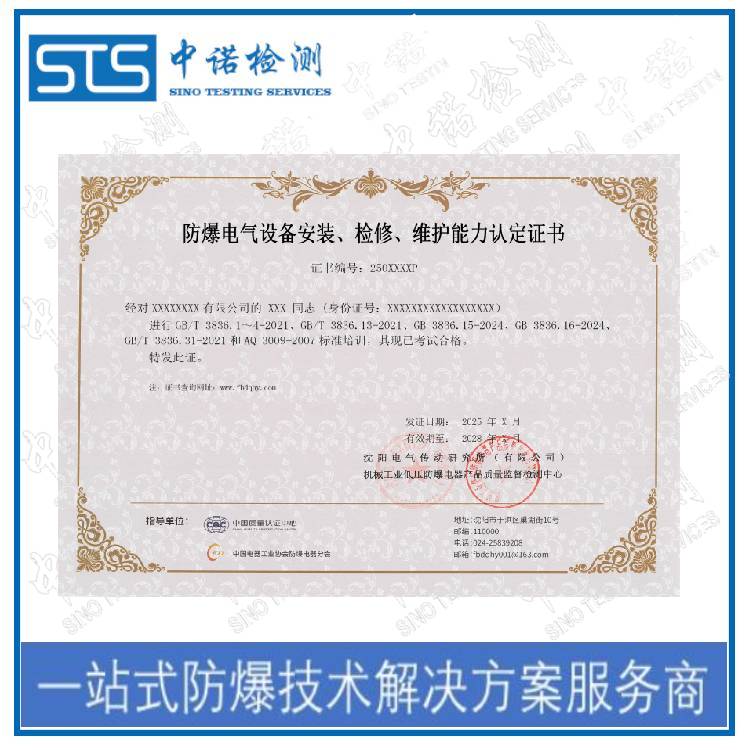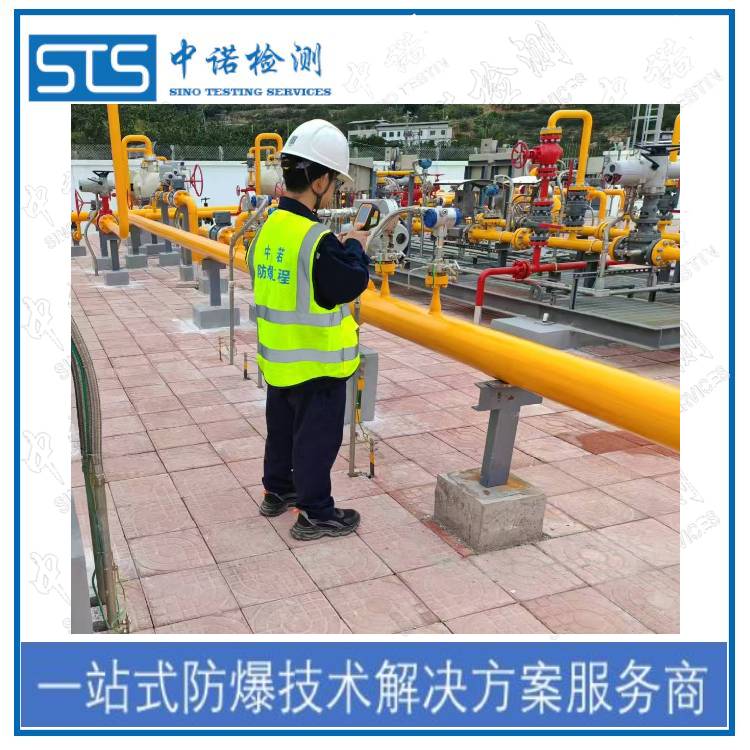

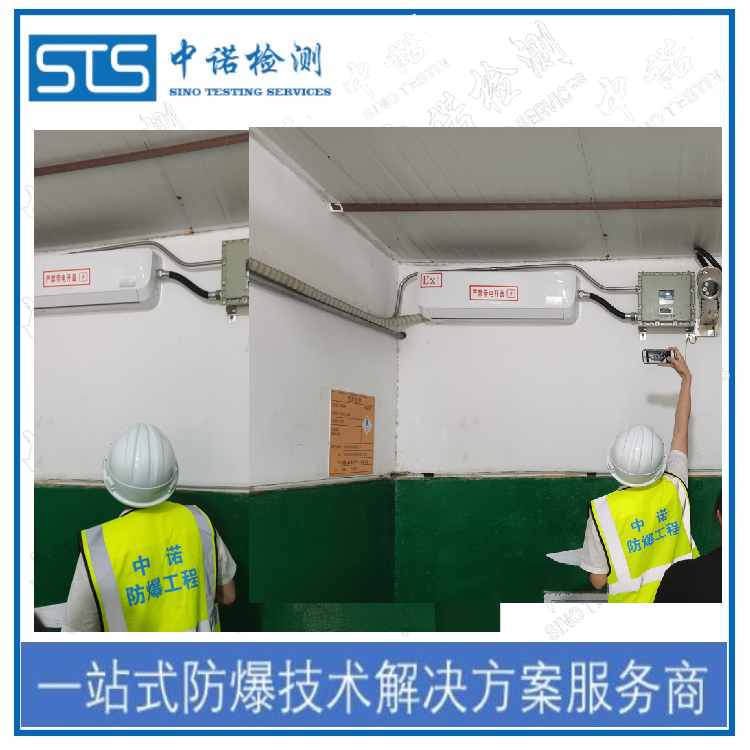
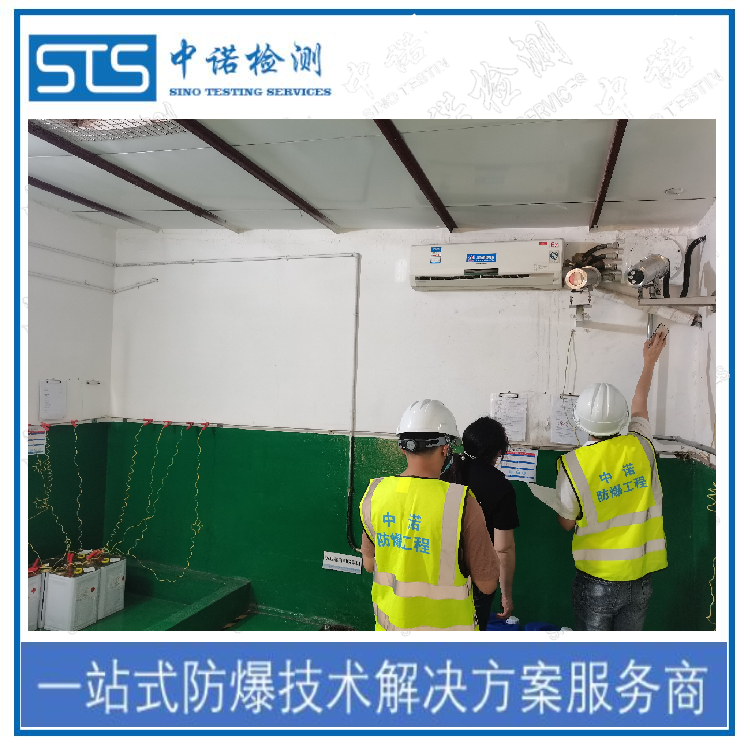



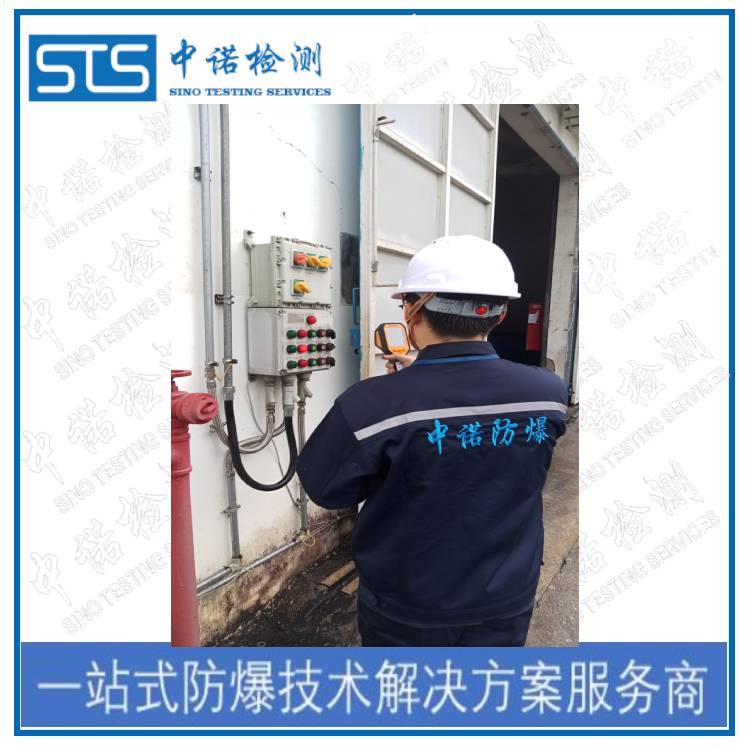








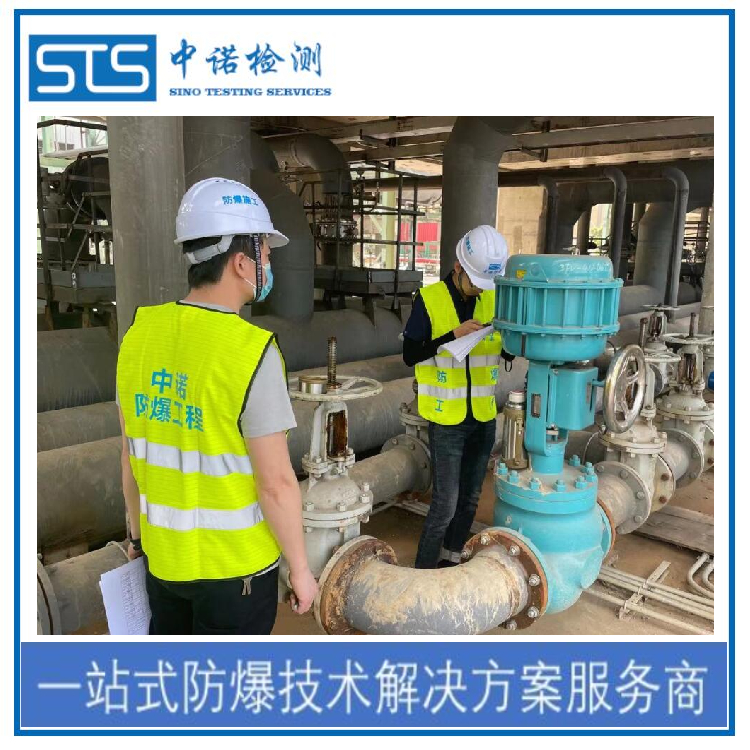

Shenzhen ZhongNuo Inspection & Technology Co., Ltd. offers on-site explosion-proof electrical inspection, explosion-proof project acceptance services, and can provide explosion-proof rectification and construction services for items not meeting inspection standards.
How often is the periodic inspection for explosion-proof electrical equipment?
With the popularity of explosion-proof electrical equipment, many explosive hazard areas have adopted such equipment. Many end-users believe that as long as explosion-proof electrical equipment is installed in hazardous explosive areas, everything is settled. In reality, many so-called explosion-proof electrical equipment lacks the required explosion-proof certification, or the certification is expired or forged, the markings do not match the certification, the type selection does not conform to the explosion-proof standard, gas and dust explosion-proof equipment are used together, holes are drilled in the explosion-proof enclosures, the equipment is subjected to long-term corrosion, high temperatures, and intense vibrations, etc. Regarding the use of explosion-proof electrical equipment, the AQ 3009-2007 "Electrical Safety and Explosion Proof Standards for Hazardous Areas" stipulates: the performance, installation, and maintenance of explosion-proof electrical equipment in use should be inspected by a certification center with explosion-proof expertise at least every 3 years. Necessary corrective measures must be taken for any non-compliance, and the inspection report and correction details must be filed with the安全生产监督管理部门. Conducting on-site explosion-proof checks for electrical equipment in use is not only a requirement of the safety production department but also a reflection of a company's commitment to its own life and property safety.
ZhongNuo Inspection has provided on-site explosion-proof inspections and modification construction services for various facilities such as gas stations, oil depots, food factories, feed mills, and chemical plants, boasting a wealth of successful cases and industry experience.
If you happen to need a report on explosion-proof electrical inspections for this kind of on-site work, feel free to DM us for specific discussion.
Standards and Schedules for Regular Inspections of Explosion-Proof Electrical Equipment
As explosion-proof electrical equipment becomes more widespread, it is installed and used in many explosive hazard areas.
Many end-users believe that installing explosion-proof electrical equipment in hazardous explosive areas is all that's needed.
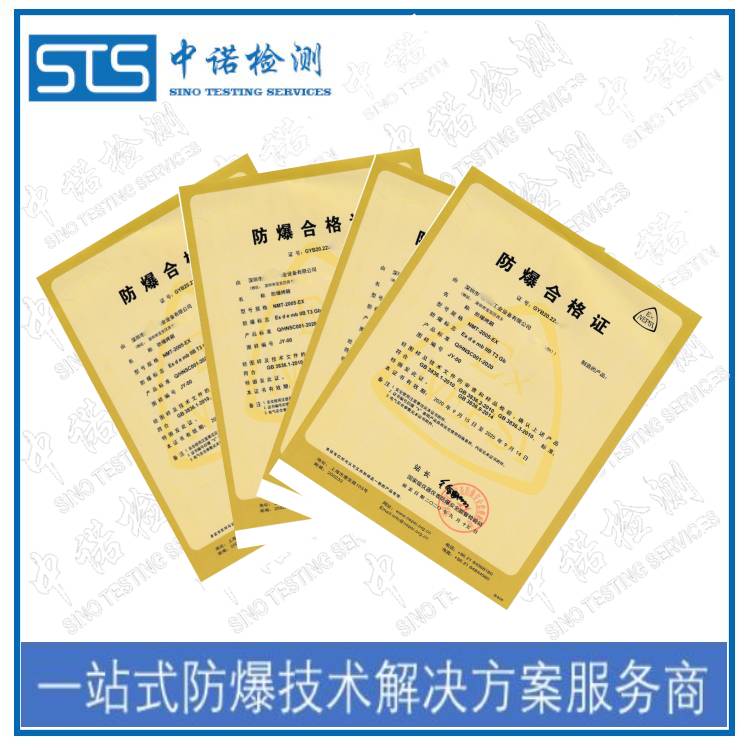
In many cases, so-called explosion-proof electrical equipment lacks a valid explosion-proof certificate, or the certificate has expired or is fraudulent. The label does not match the explosion-proof certificate.
Inadequate selection of explosion-proof types, co-mingling of gas explosion-proof electrical equipment with dust explosion-proof electrical equipment, improper wiring of explosion-proof electrical equipment installation, lack of grounding for the circuit.
Holes are drilled in explosion-proof casings, and buttons are installed, leading to loss of explosion-proof properties. Explosion-proof electrical equipment is subject to long-term corrosion, high temperatures, and intense vibrations.
For explosion-proof electrical equipment in use, the AQ 3009-2007 "Electrical Safety and Explosion-Proof Code for Hazardous Areas" standard stipulates:
Electrical equipment for explosion-proof use should be inspected at least once every 3 years by a certified inspection center specializing in explosion-proof services to assess its performance, installation, maintenance, etc.
Immediate corrective actions must be taken for non-compliance items, and the inspection report and rectification status must be filed with the Safety Production Supervision and Management Department.
Conducting explosion-proof site inspections on electrical equipment in use is not only a requirement of the safety production department, but also a testament to the company's emphasis on its own life and property safety.
Application Institution for Explosion-Proof Electrical Installation Completion and Acceptance Report
It's widely known that after electrical work in explosive hazard areas is completed, a third-party organization must conduct a post-completion inspection. Only upon passing the inspection can the facility be put into use. Additionally, beyond the company's regular checks, a facility with explosion-proof inspection qualifications must conduct periodic inspections every three years.
What are the main contents of the acceptance inspection after completion?
1. Inspect if the explosion-proof electrical equipment has a label, Ex marking, and clear identification of the type, class, and group of the explosion-proof equipment. Does the label indicate the explosion-proof certificate number issued by the inspection unit?
2. Verify that the type, class, group, environmental conditions, and special markings of explosion-proof electrical equipment comply with regulations.
3. Inspect the shell of explosion-proof electrical equipment for cracks or damage; check the integrity of the paint, ensure the tightness of the junction box cover, and verify the security of the fixing bolts and anti-loosening devices.
4. Check for oil leakage and seepage in oil-filled electrical equipment, and ensure the oil level meets the required specifications.
5. The ventilation and exhaust systems of explosion-proof electrical equipment with positive pressure should be unobstructed, connections should be correct, and the installation positions of the inlets and outlets should meet the requirements.
6. Are the extra entry ports of the explosion-proof electrical equipment properly sealed in accordance with regulations?
7. The installation of sealed or insulated devices in electrical circuits should comply with regulations.
8. The wiring engineering of intrinsic safety explosion-proof electrical equipment should comply with design requirements for the route and elevation of the lines; the lines should be marked with a sky blue sign.
9. Grounding or neutral connection of explosion-proof electrical equipment, as well as antistatic grounding, should meet design requirements and ensure a firm and reliable connection.
10. Upon completion of the construction and acceptance inspection, the relevant documents, materials, manufacturer's product user manuals, test records, qualification certificates, and installation drawings, along with other technical files, should be submitted.
11. At the time of acceptance, the following measurement records should also be submitted:
Measurement records of single-side air gap for explosion-proof motor stator and rotor, type increased safety.
(2) Adjustment records for pressure-relief devices protecting explosion-proof electrical equipment against wind and air pressure, high-temperature records of the equipment's housing during trial operation, and test records of the grounding resistance for static electricity protection.
12. Explosion-proof electrical equipment operation records
The shell temperature of explosion-proof electrical equipment, including the internal temperature of intrinsic safety and non-sparking explosion-proof electrical equipment, should not exceed the specified limit.
(2) After the internal wiring of the junction box is securely fastened, the electrical clearances and creepage distances between the live parts and the metal housing should comply with the regulations.
(3) The exhaust of explosion-proof electrical equipment with positive pressure should not emit sparks. When reducing wind pressure and air pressure, the low-pressure relay should operate reliably.
(4) Protection devices and interlock devices for explosion-proof electrical equipment should operate correctly and reliably.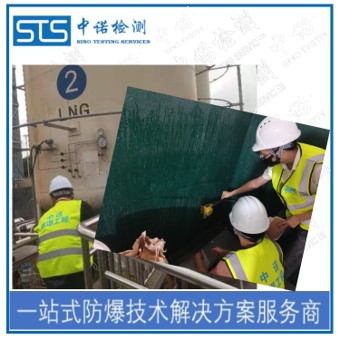
Do you need to conduct a防爆 electrical inspection and acceptance report after the explosion-proof site construction? What standards are followed?
The explosion-proof performance of explosion-proof products is not just about the equipment itself; it also involves the selection of the equipment, the installation method, the field wiring, and the daily maintenance and upkeep practices.
Improper selection and installation of explosion-proof equipment, non-compliance with standard wiring requirements on-site, and daily maintenance damage that compromise the explosion-proof characteristics of the equipment can all lead to the loss of explosion-proof properties, posing a risk of explosion.
Therefore, the installation and acceptance of the newly introduced explosion-proof equipment is particularly necessary and important.
The explosion-proof acceptance standards are primarily based on AQ 3009, GB/T3836.15, GB/T3836.16, GB 50257, GB 50058, and others, with an explosion-proof electrical inspection report provided.
After the installation and acceptance of explosion-proof equipment, it is not a one-time task. To ensure the equipment operates effectively and can be safely used in hazardous areas over the long term, continuous supervision and regular inspections of the in-use explosion-proof equipment are necessary.
The interval for regular inspections typically does not exceed 3 years.
ZhongNuo Inspection has provided on-site explosion-proof electrical inspections and explosion-proof renovation services for various gas stations, gas stations, oil depots, food factories, feed mills, chemical factories, etc., with a wealth of successful cases and industry experience.
If you happen to need a report on explosion-proof electrical inspections for such on-site work, feel free to message us for a detailed discussion.
On-site explosion-proof electrical equipment regular inspection consultation service - Shenzhen ZhongNuo Testing Technology Co., Ltd.
WeChat Official Account

Scan to follow Official Account