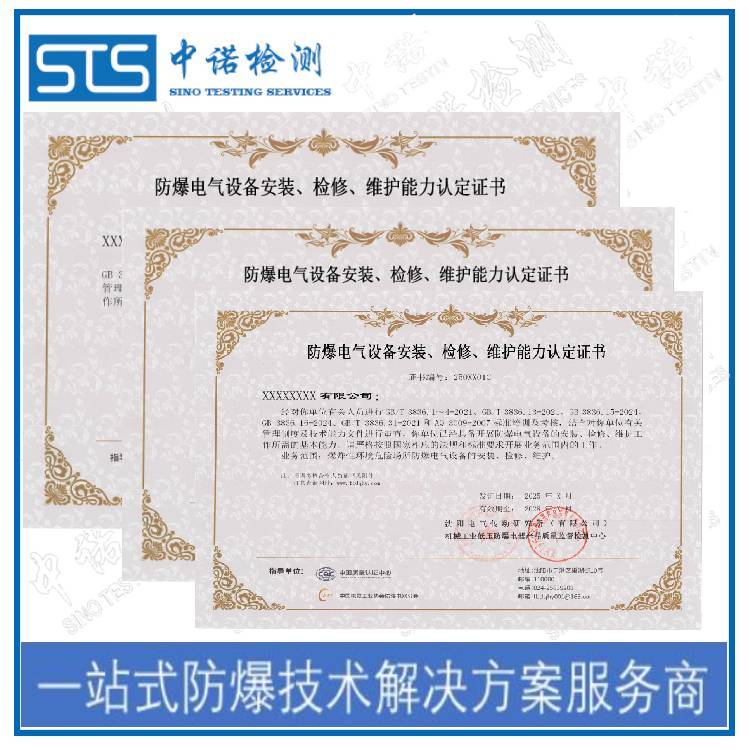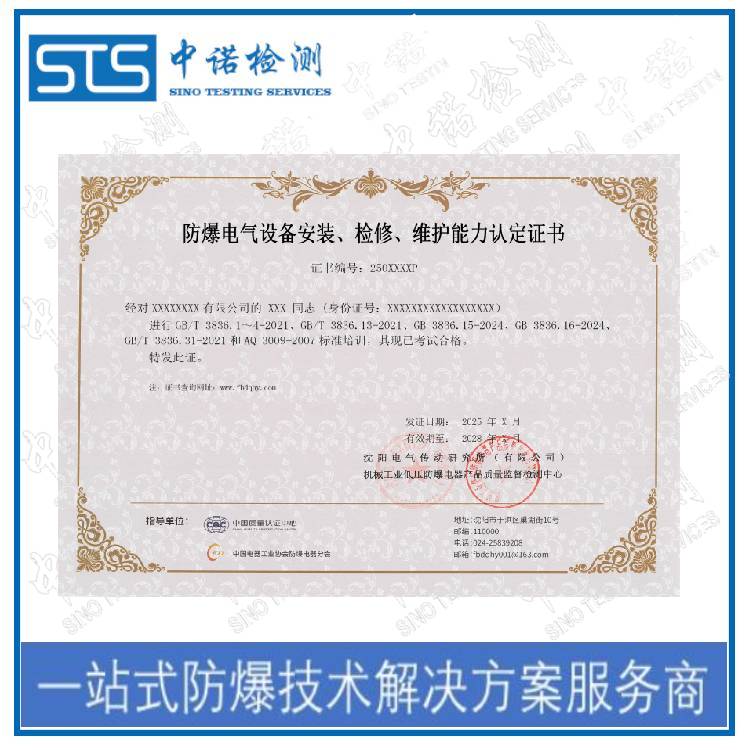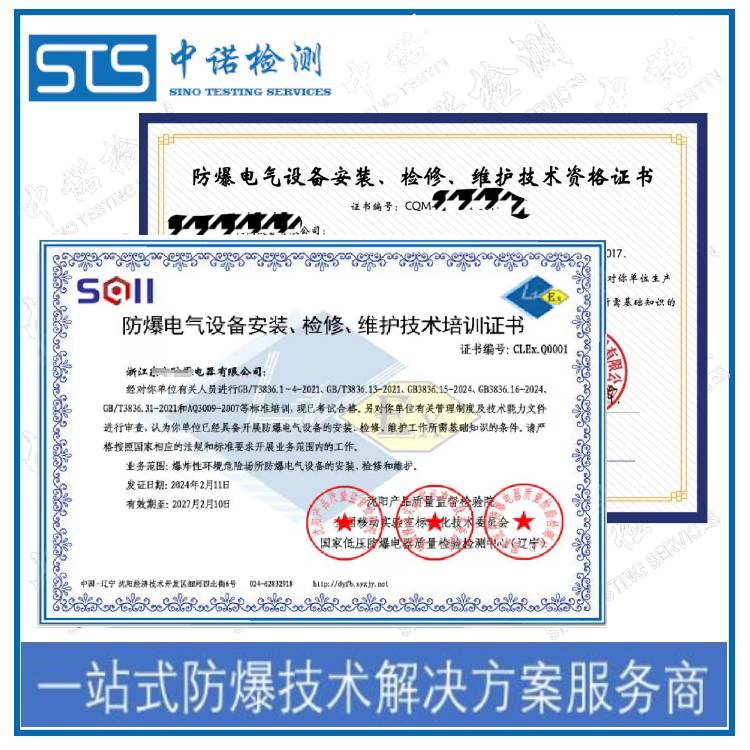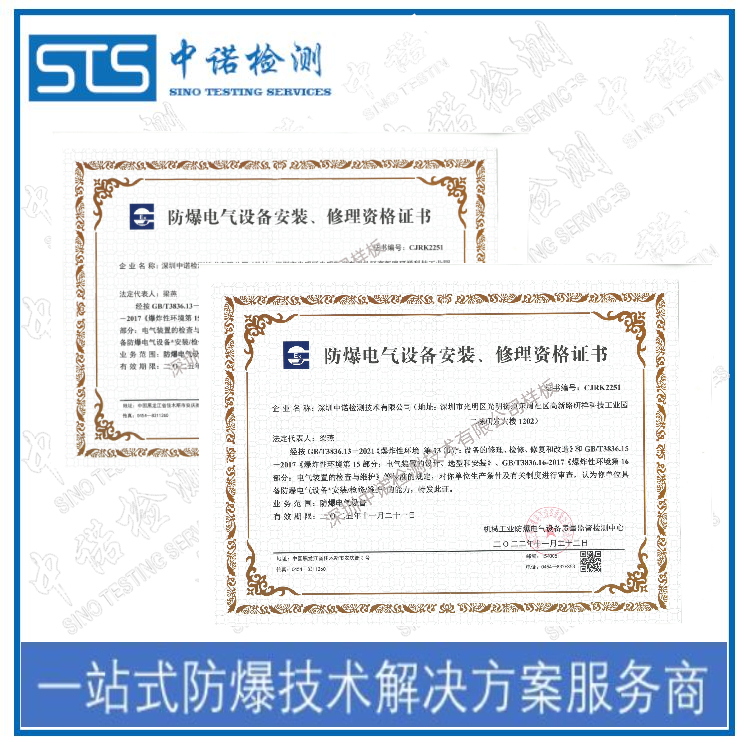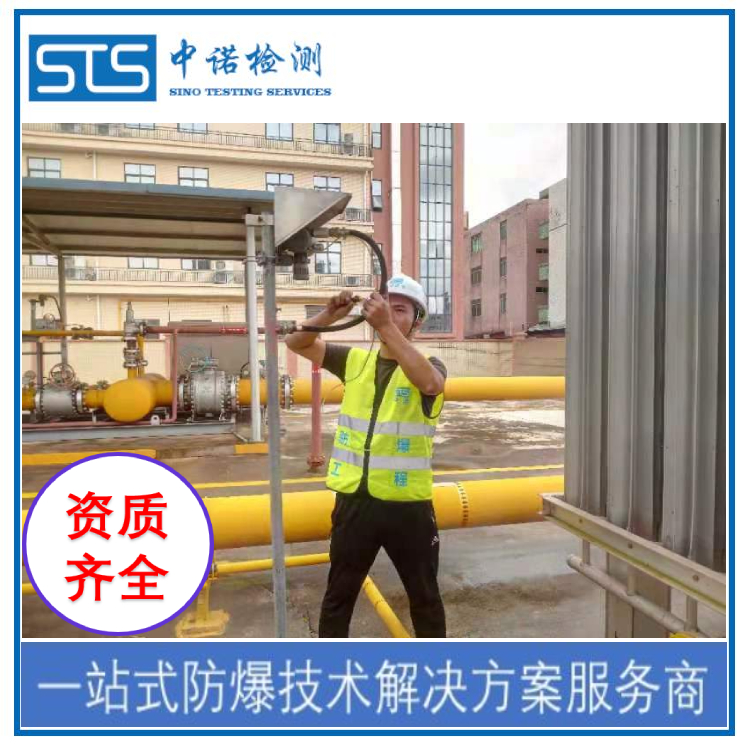

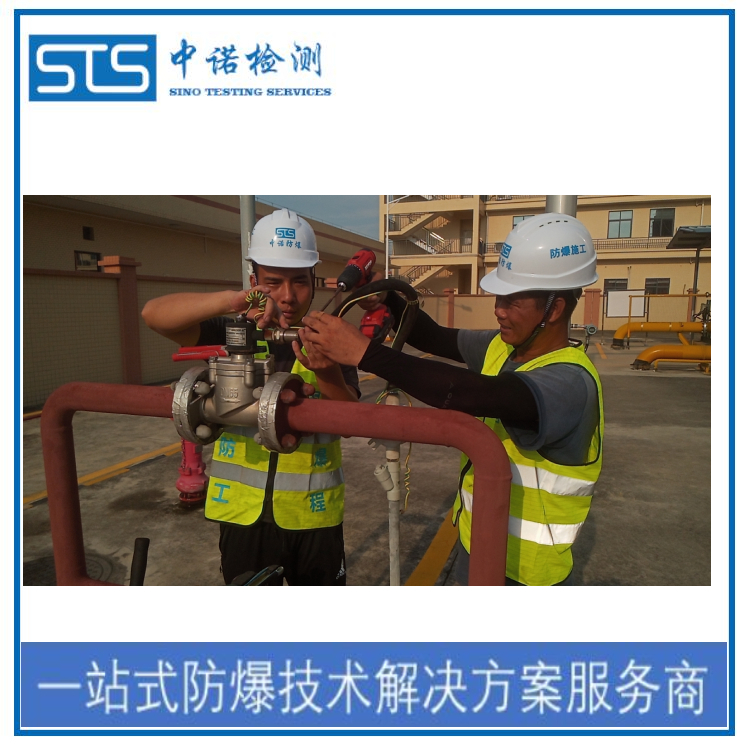
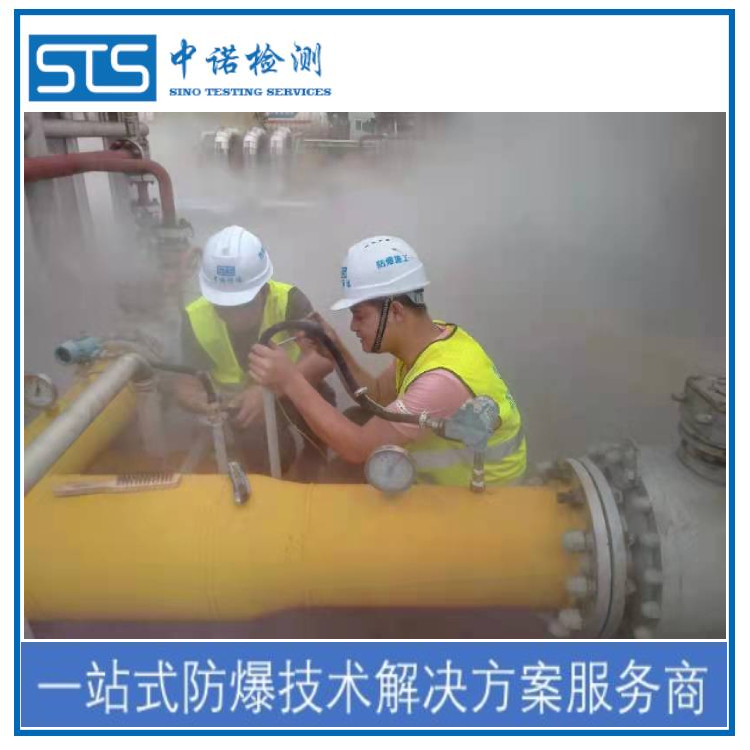


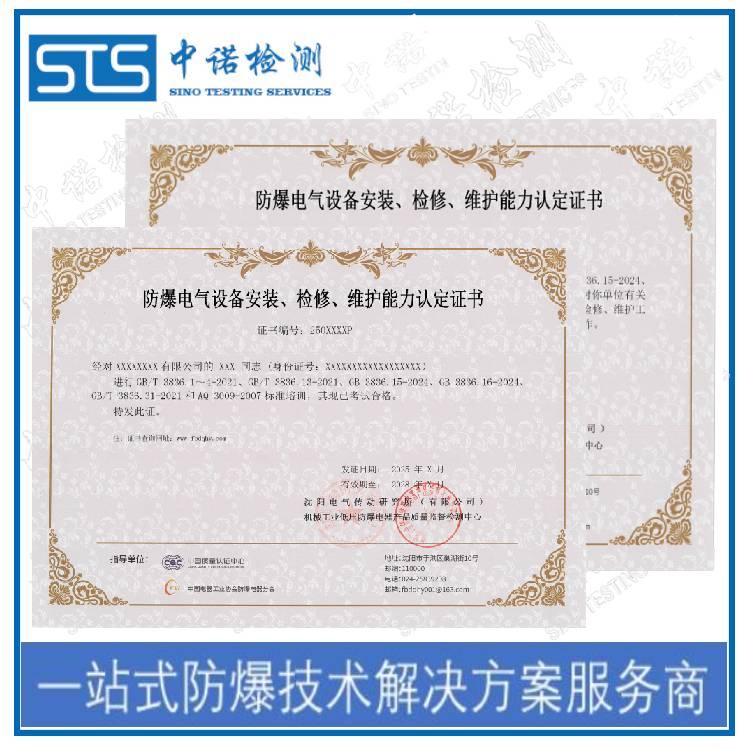
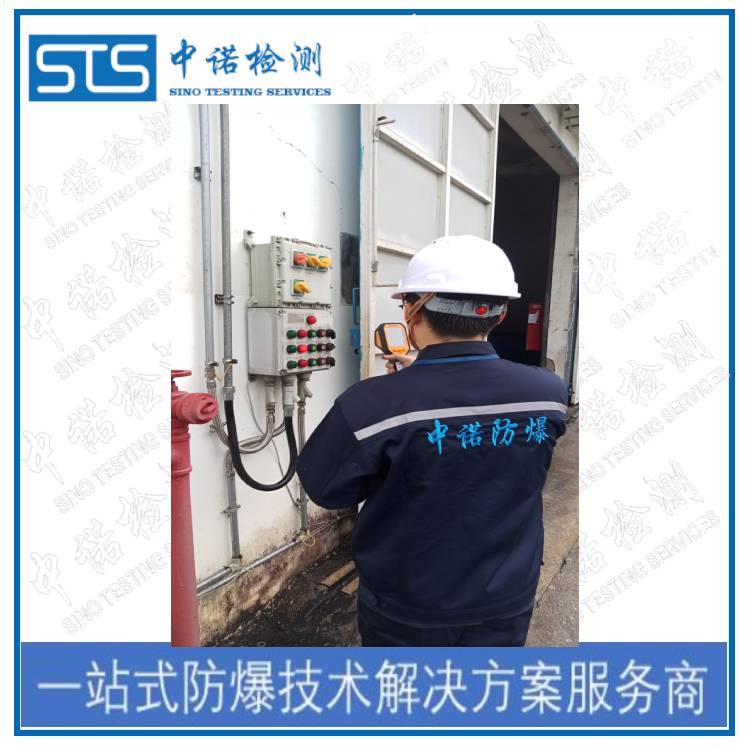
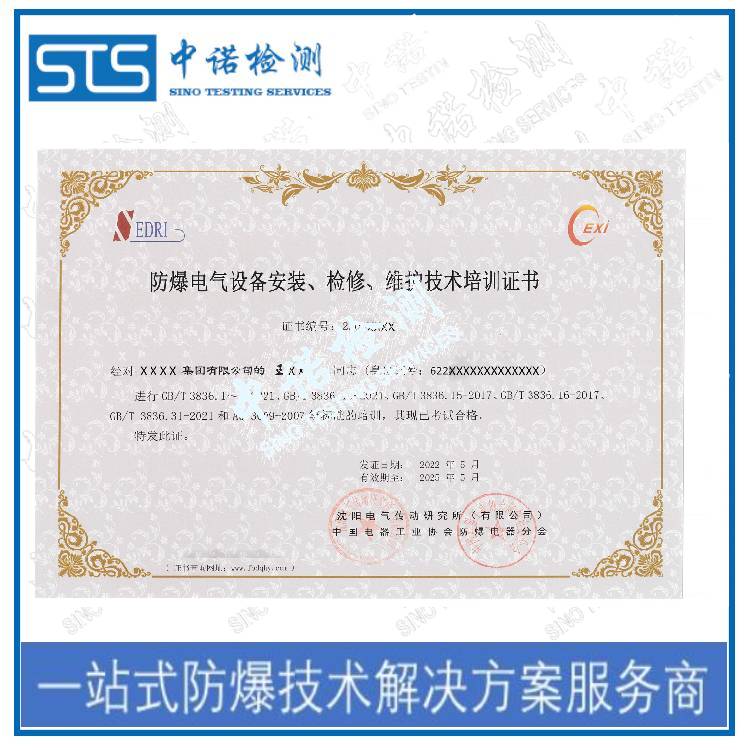
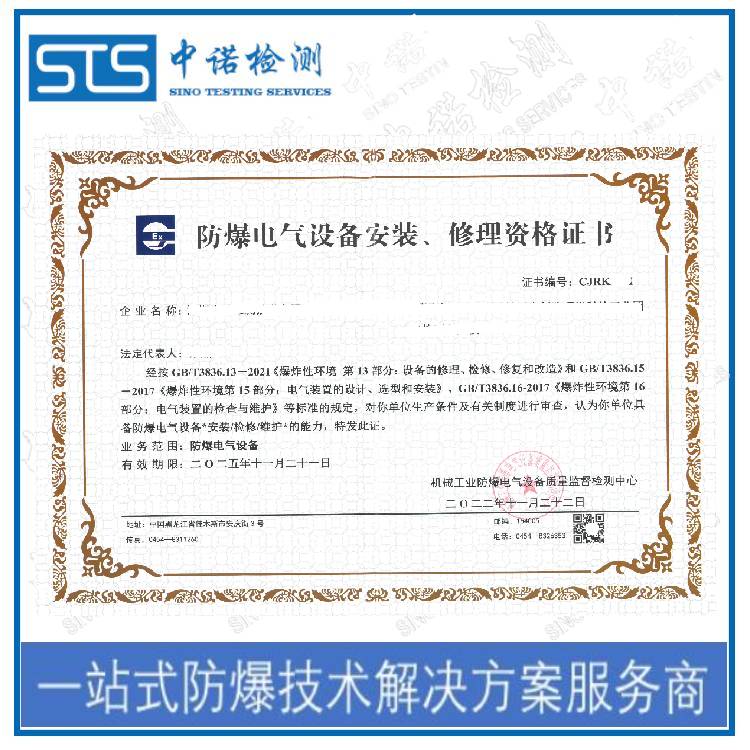
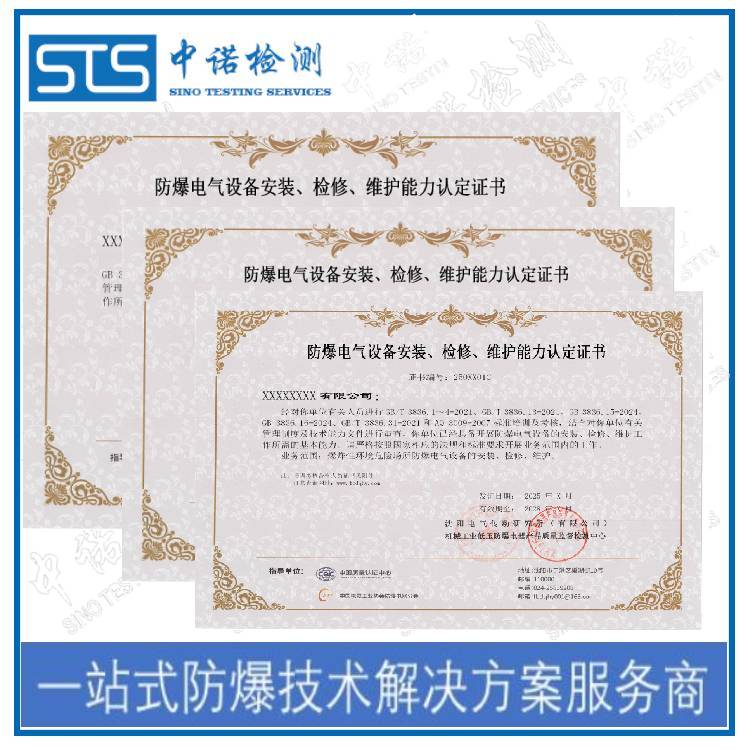





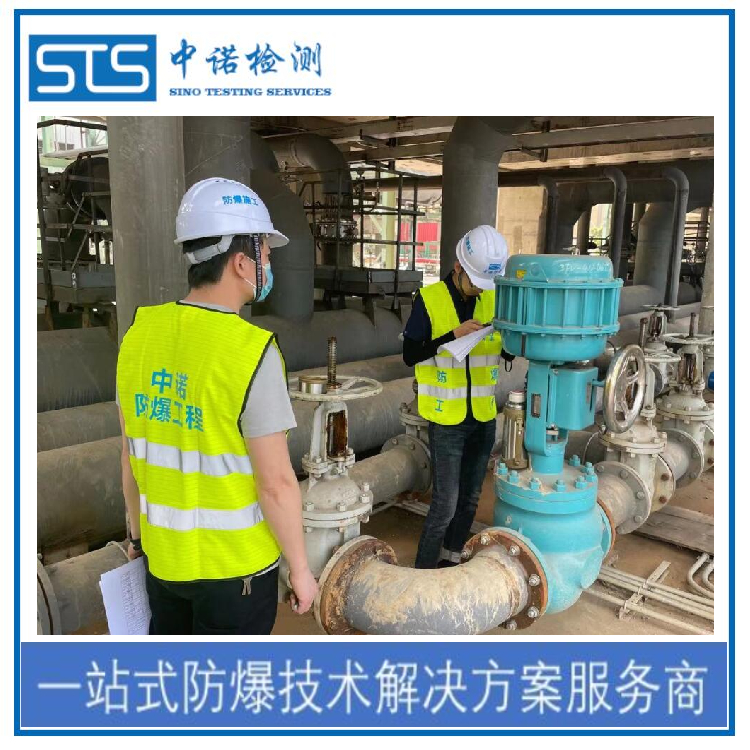
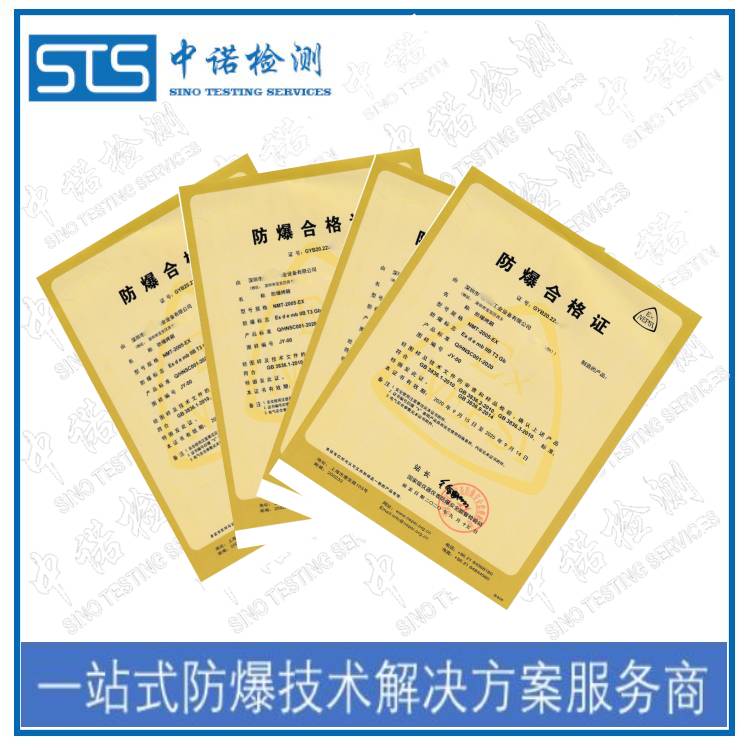
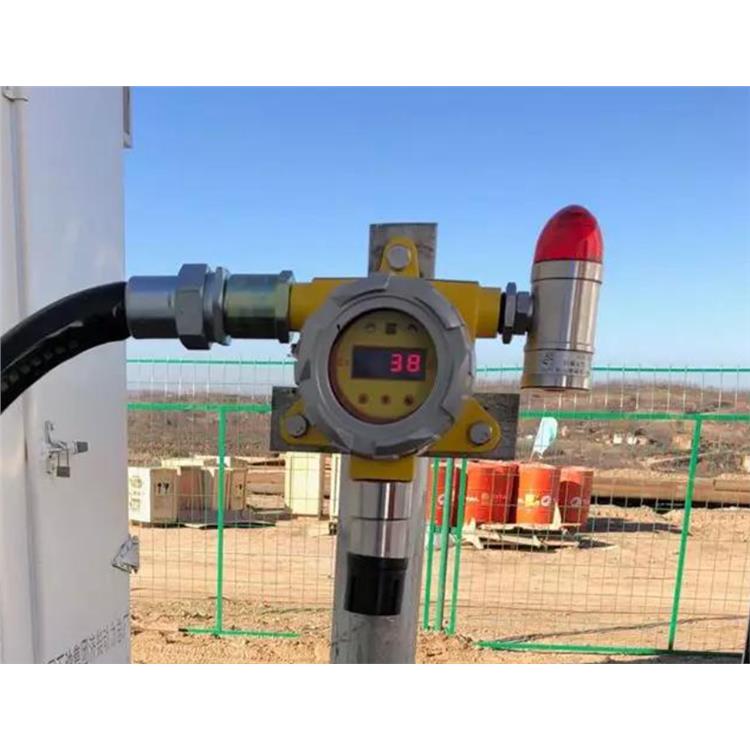
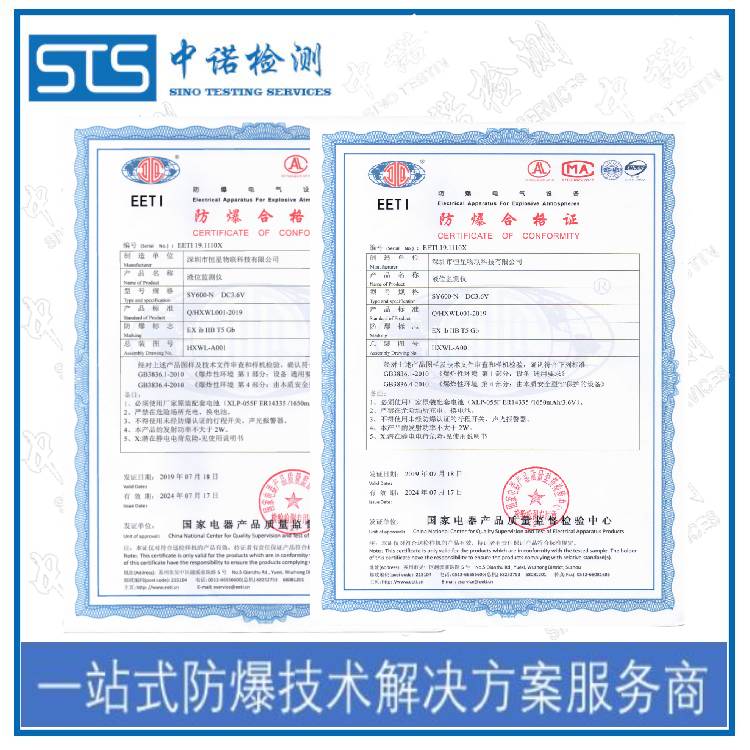
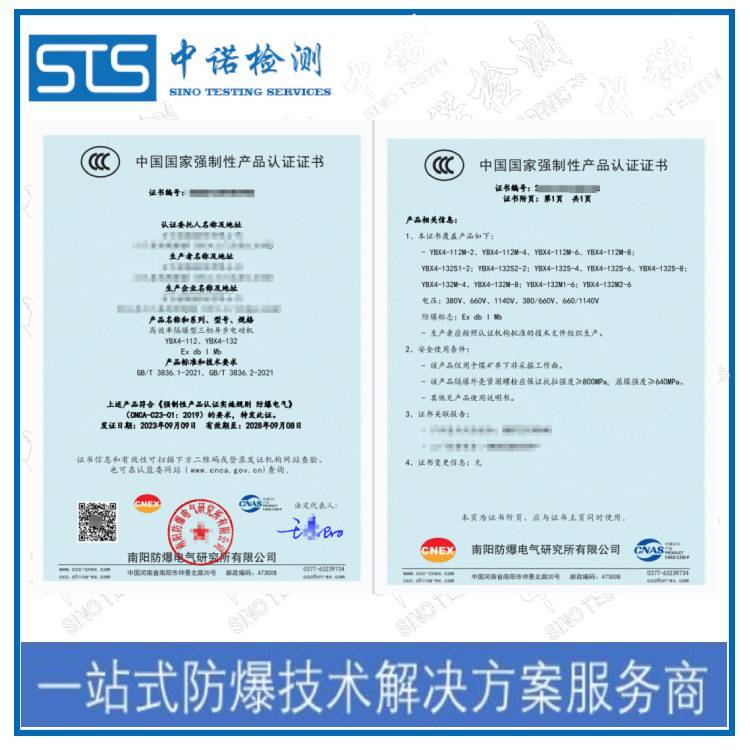

Shenzhen Zhongnuo Inspection Technology Co., Ltd. is based in South China, offering on-site explosion-proof construction, safety inspections, renovations, project acceptance, and explosion-proof installation consulting services. We are well-versed in explosion-proof construction standards, with experienced construction teams and extensive practical experience. We have served major corporations such as PetroChina, LG, Huanlan Environment, BOE Technology Group, and Sinovac Biotech, and have consistently received positive feedback and trust from our clients!
Shenzhen Zhongnuo Testing Technology Co., Ltd. offers explosion-proof construction service in the field of:
Explosive gas environments and hazardous areas with explosive or combustible dust in various industries and fields, including petrochemicals, metal smelting, fine chemicals, petrochemical ground facilities (gas stations, filling stations, petrochemical warehousing and transportation), new energy, special equipment, nuclear power, tunnels, grain processing, wood processing, metal component manufacturing, environmental protection engineering, and more, pose risks. Ensuring explosion-proof safety in these dangerous areas safeguards our and the national economy's development.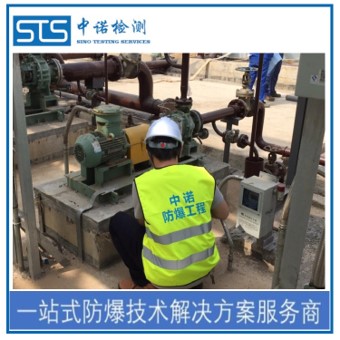
General Requirements for Explosion-Proof Workshop Design (Shared by Shenzhen Zhongnuo Testing Technology Co., Ltd.)
4.1 Floor, Interior Wall
Areas producing flammable gases heavier than air or vapors of flammable or combustible liquids, as well as Class B production workshops with dust or fiber explosion hazards, should use non-sparking floors. To prevent sparks, the floors can be made of rubber, plastic, rubber mixed with graphite, or asphalt concrete.
Interior walls of workshops where combustible dust may settle should be plastered or painted to create easily cleanable (wipeable) surfaces.
4.2 Office, Break Room
For personnel safety, do not establish offices or restrooms in Class A or B production buildings with explosive hazards. If necessary, such rooms can be located outside the workshop, separated from the workshop by non-combustible walls with fire resistance of not less than 3.5 hours.
4.3 Electrical Equipment
Electrical equipment in explosion-proof workshops should be selected and installed with explosion-proof types based on different conditions, such as explosion-proof switches, explosion-proof motors, explosion-proof lighting, etc., and non-explosion-proof types should be strictly avoided.
4.4 Lightning Protection Facilities
In factories and workshops prone to explosion, in addition to installing lightning protection devices on the building itself, it is required to set up grounded lightning rods around the building to ensure the structure is within the protected range of the entire lightning protection system, thereby preventing accidents caused by lightning strikes.
Equipment grounding in explosive environments shall comply with the following regulations (shared by Shenzhen ZhongNuo Testing Technology Co., Ltd.)
In accordance with the relevant provisions of the current standard "Code for Grounding Design of AC Electrical Installations" GB/T50065, the following parts that do not require grounding should still be grounded in explosive environments:
1) Non-electrically conducting surfaces: metal enclosures of equipment, with alternating current rated voltage below 1000V and direct current rated voltage below 1500V, are normally non-powered.
2) In dry conditions, equipment with alternating current rated voltage of 127V or less and direct current voltage of 110V or less typically has a metal housing that is not charged.
3) Equipment installed on a grounded metal structure.
(2) In explosive hazardous areas, the exposed, conductive parts of the equipment should be reliably grounded. All equipment within explosive zones 1, 20, and 21, as well as other equipment in zones 2 and 22 excluding lighting fixtures, should use specialized grounding wires. If the grounding wire is installed in the same protective conduit as the phase wire, it should have insulation equal to that of the phase wire. In zones 2 and 22, where lighting fixtures are located, a reliable electrical connection metal piping system can be used as a grounding wire, but not a pipeline for conveying materials.
(3) In different directions of the slope in the explosive hazard area, the grounding main should be connected to the grounding body at least twice.
Standard for Explosion-proof Construction Acceptance — Shenzhen Zhongnuo Testing Technology Co., Ltd.
G50058 Specification for Design of Electrical Installations in Explosive Hazardous Environments
GBJ54-83 "Code for Design of Low-Voltage Distribution Systems and Equipment"
G50016 Building Design Fire Prevention Code
AQ3009 Electrical Explosion-Proof Safety Standard for Hazardous Areas
GB/T 3836.1 "Explosive Atmospheres, Part 1: Equipment General Requirements"
GB/T 3836.15 "Design, Selection, and Installation of Electrical Equipment for Explosive Environments"
GB50257 "Code for Construction and Acceptance of Electrical Installation in Explosive and Flammable Gas Environment"
14J938 "Explosion-Proof and Explosion Ventilation Windows, Roofs, and Wall Structures"
Explosion-proof electrical改造 and on-site explosion-proof construction consultation services for hazardous areas - Shenzhen ZhongNuo Inspection Technology Co., Ltd.
WeChat Official Account

Scan to follow Official Account