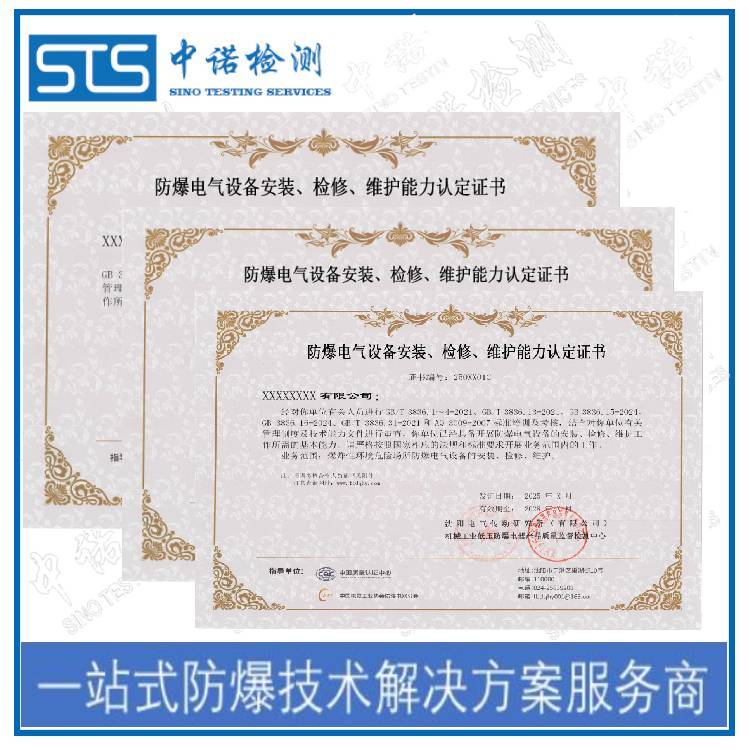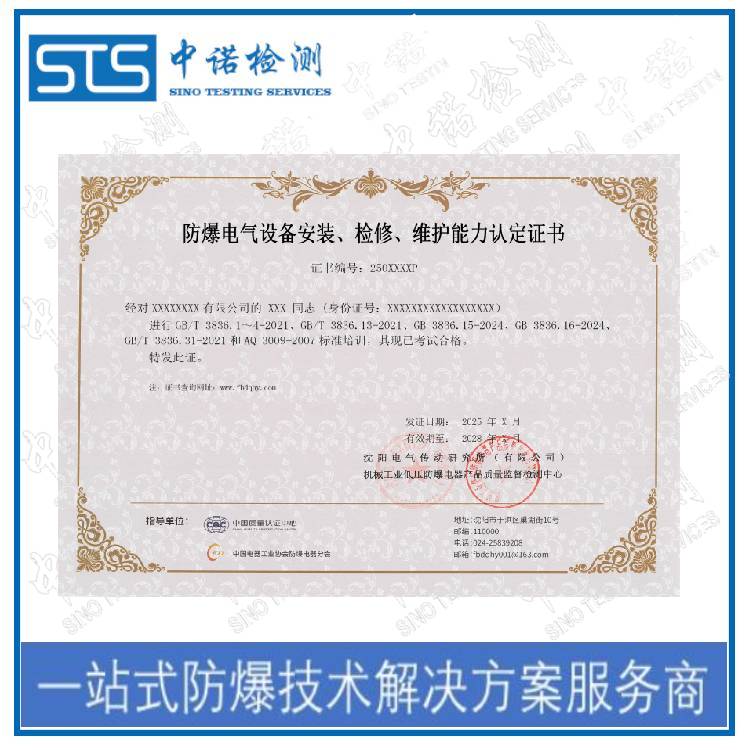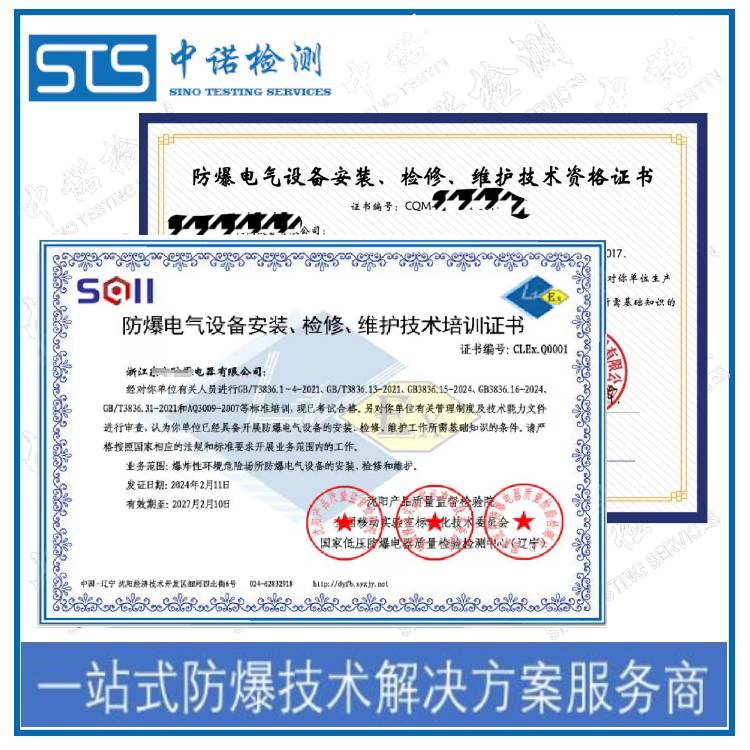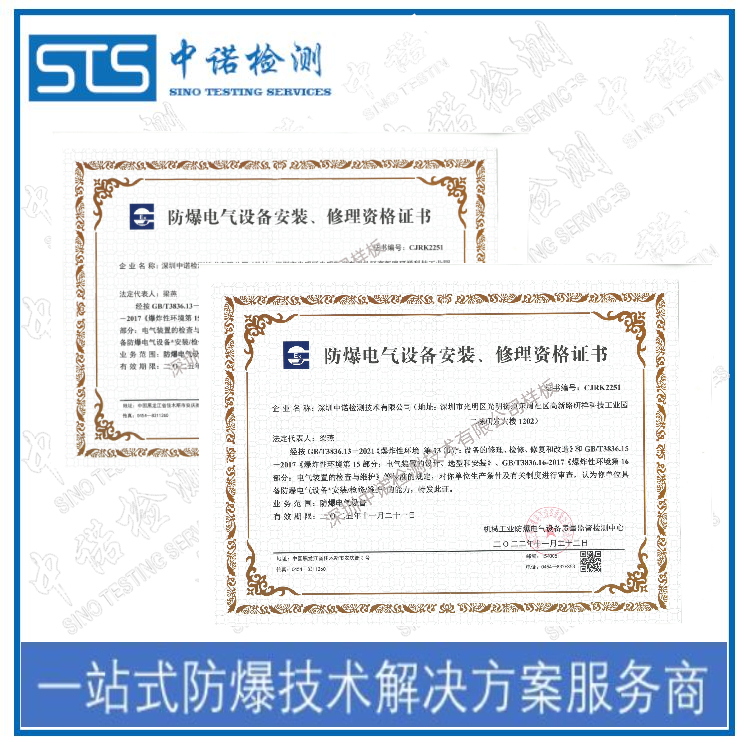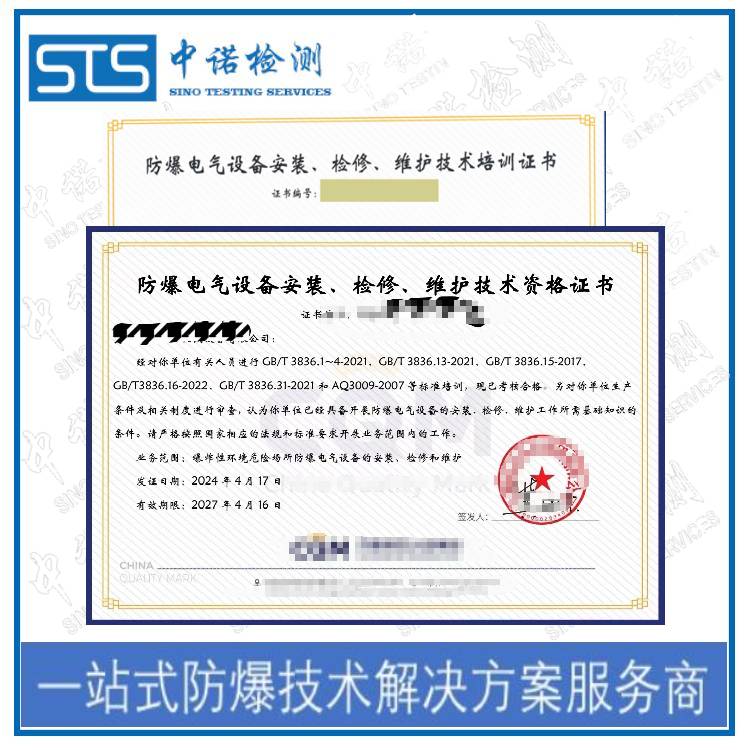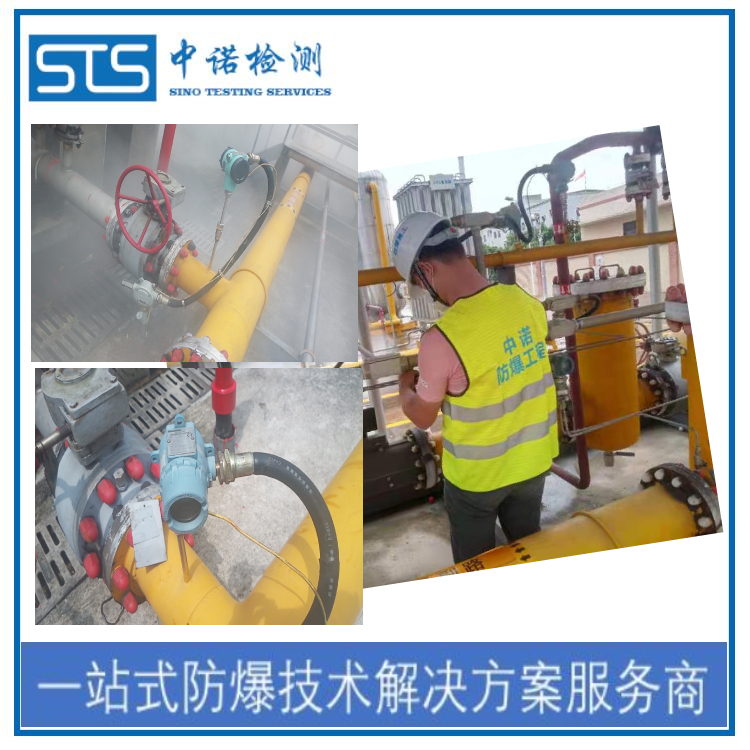

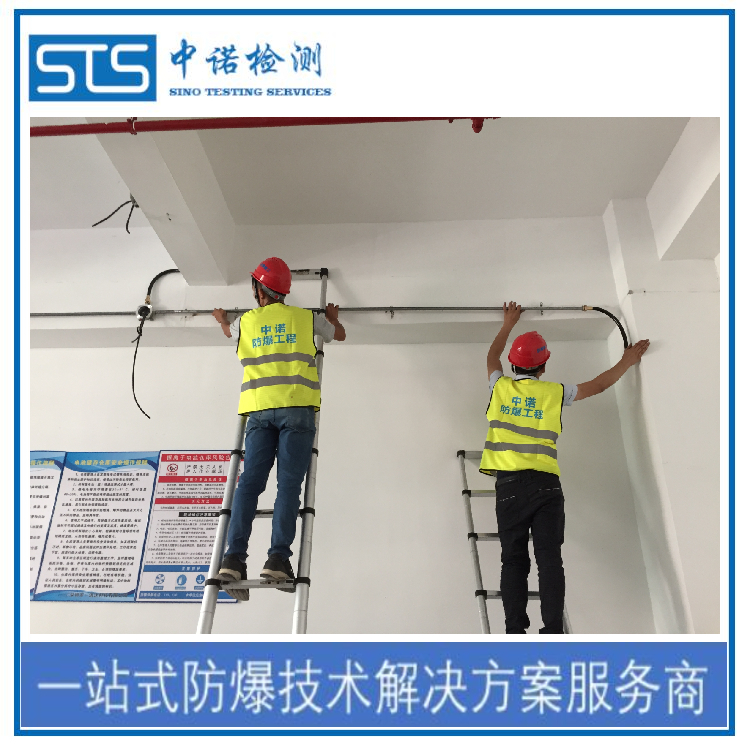
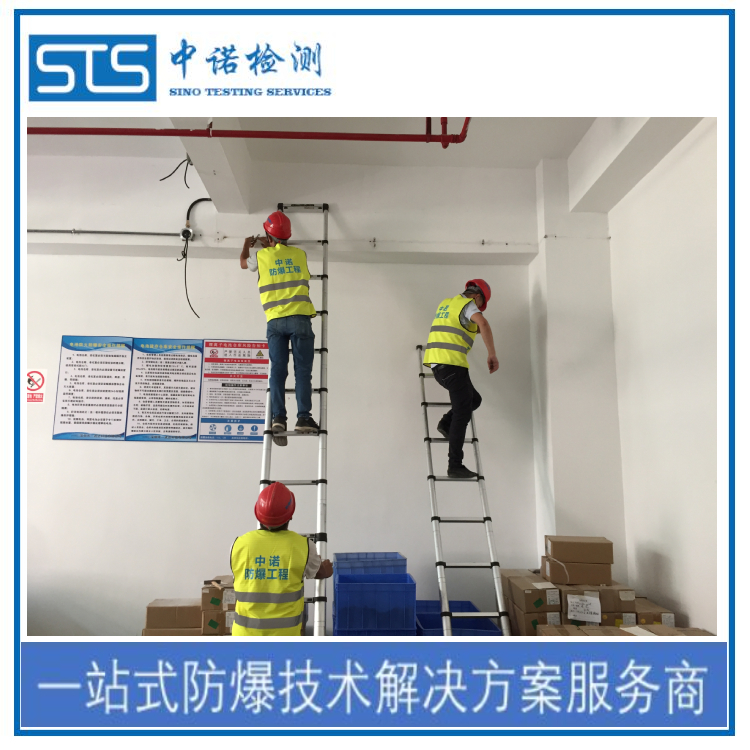


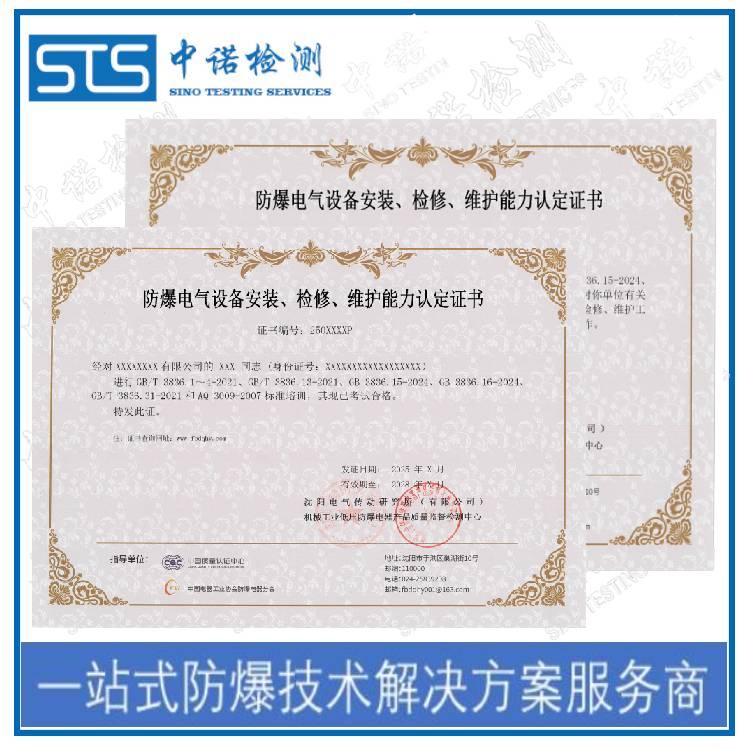
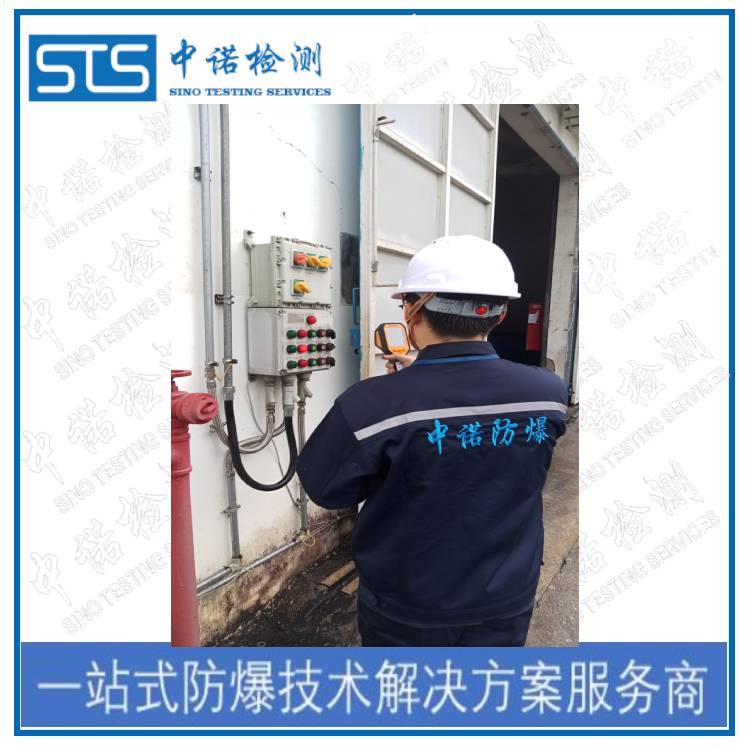
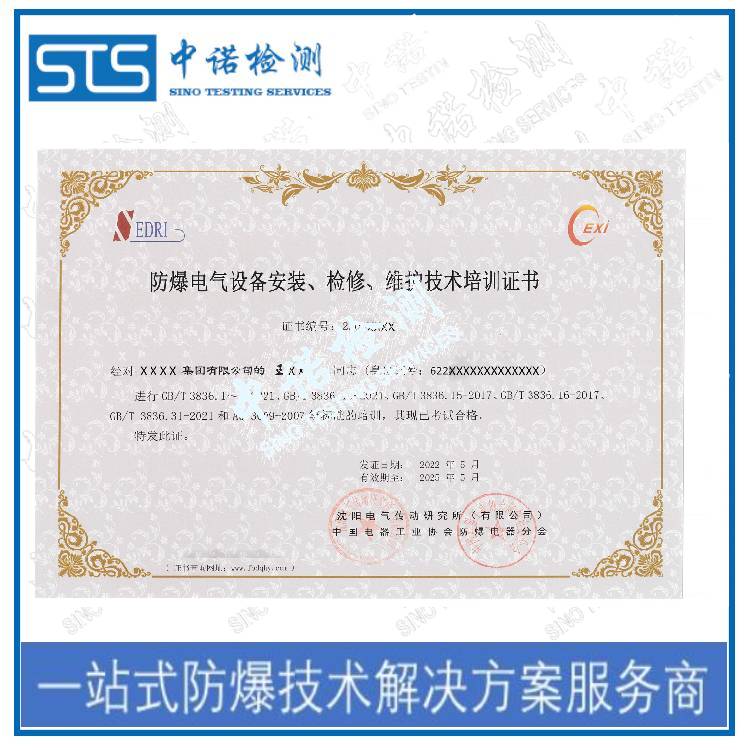
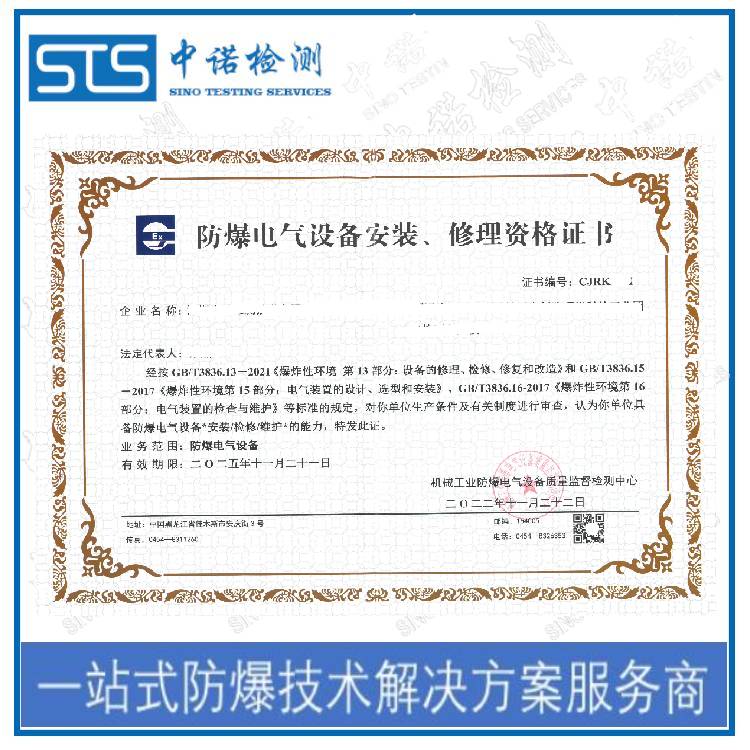
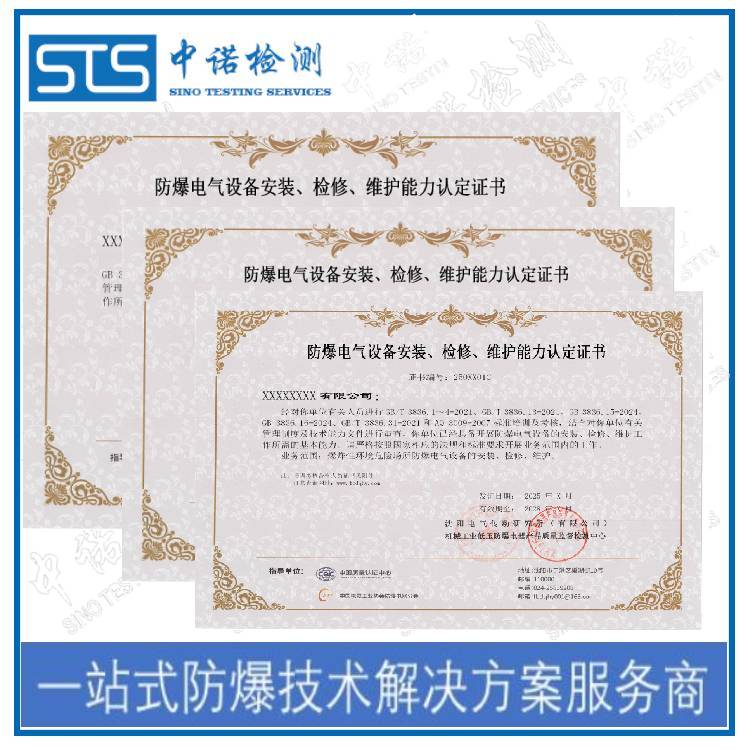





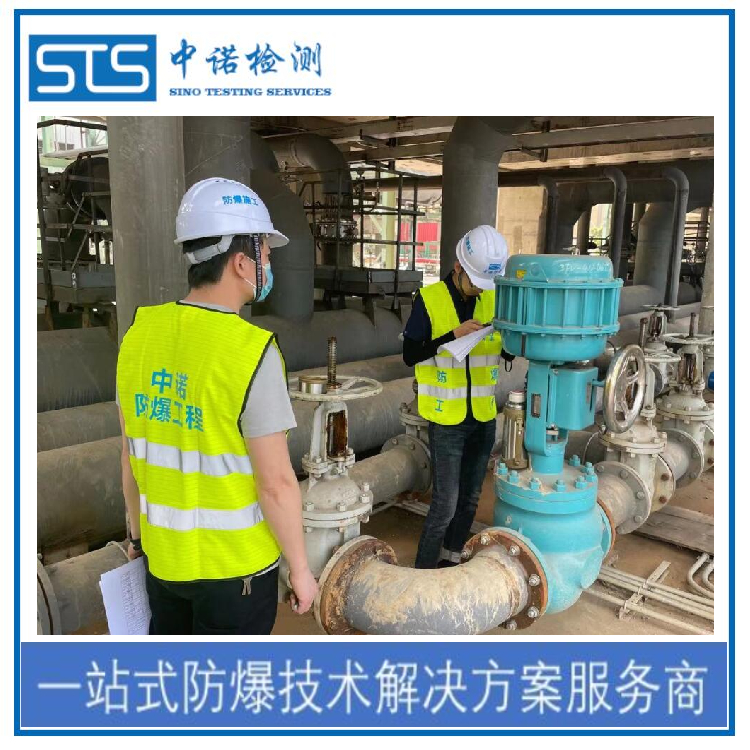
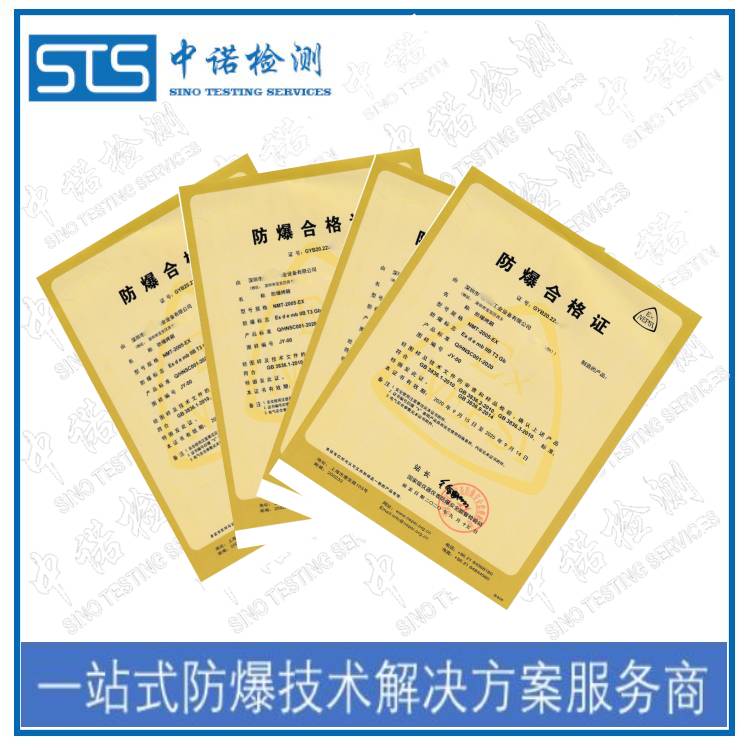
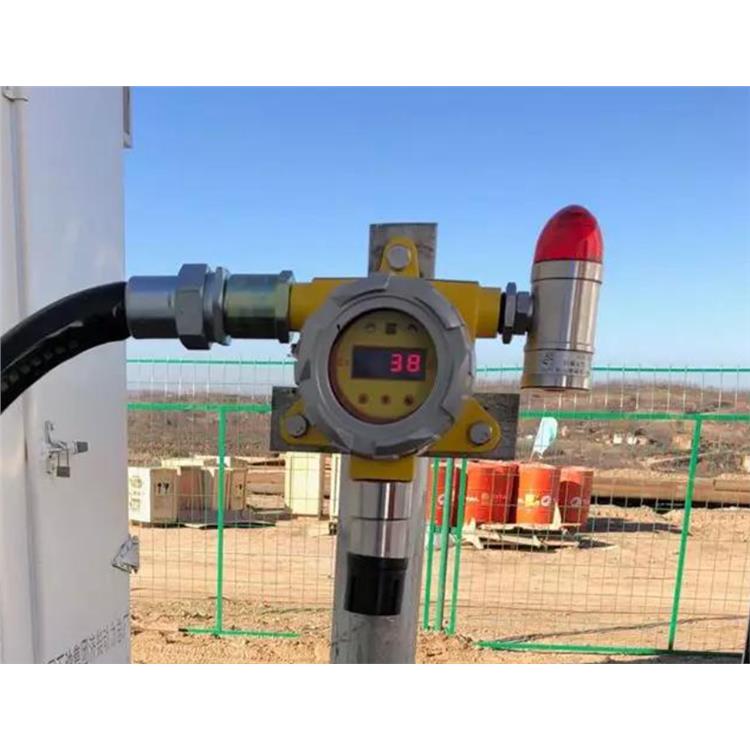
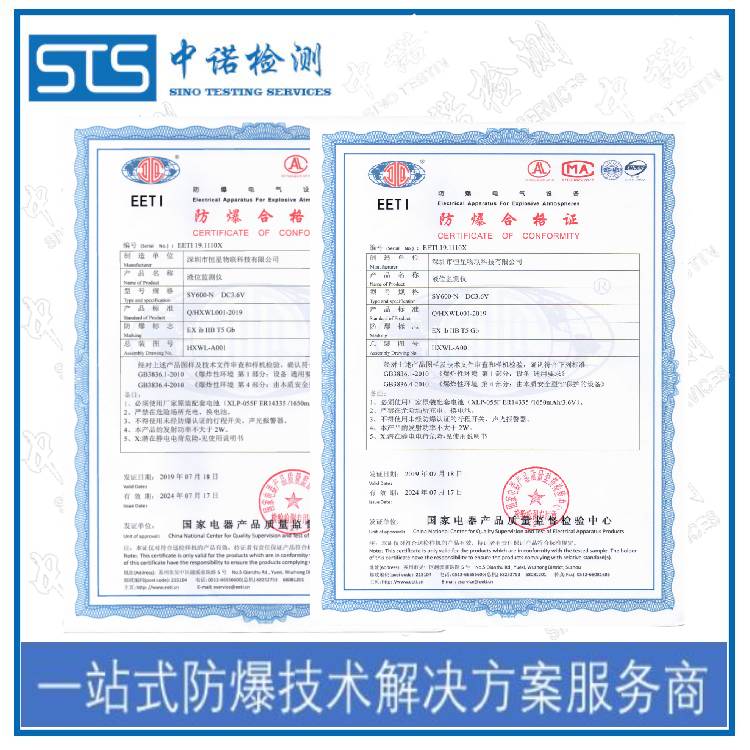
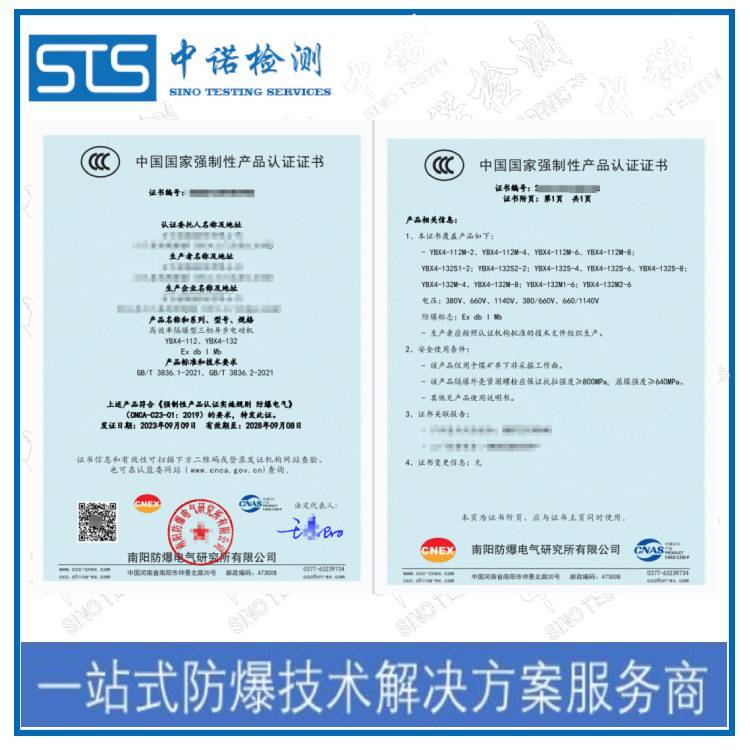
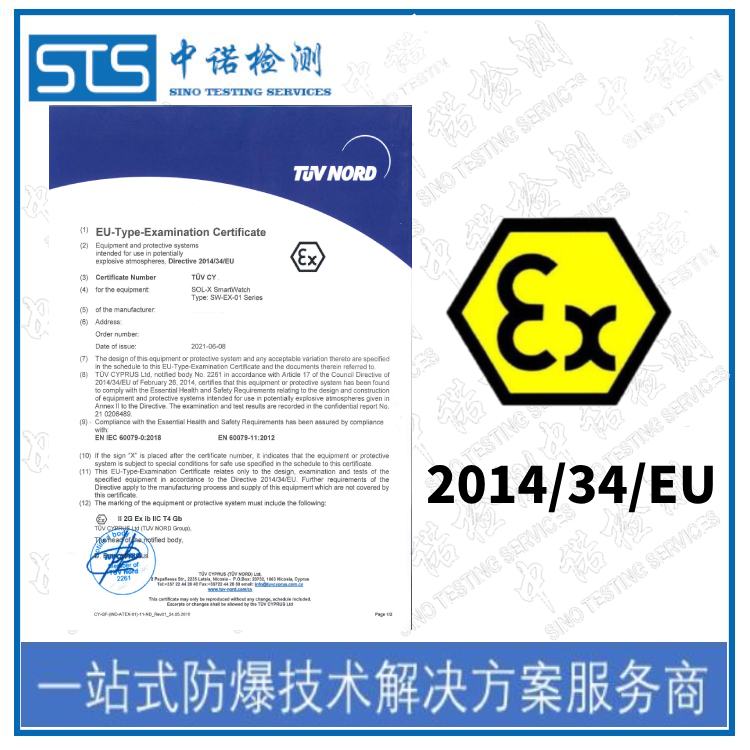
Shenzhen Zhongnuo Testing Technology Co., Ltd. is based in South China and offers on-site explosion-proof construction, safety inspections, renovations, project acceptance, and explosion-proof installation consulting services. We are well-versed in explosion-proof construction standards and have a team of experienced contractors. We have served major companies such as PetroChina, LG, Hanlan Environment, BOE, and Sinovac Biotech, earning consistent praise and trust from our clients!
Installation of electrical circuits in explosive environments shall comply with the following regulations (shared by Shenzhen ZhongNuo Testing Technology Co., Ltd.)
(1) Electrical wiring should be installed in environments with low explosion hazard or far from the source of release, and should comply with the following regulations:
1) When the material is heavier than air, electrical wiring should be installed at a higher level or directly buried. For overhead installation, cable trays should be used; for trench installation, the trench should be filled with sand, and drainage measures should be in place.
2) Electrical wiring should be laid outside the walls of buildings or structures where explosion hazards exist.
3) In an explosive dust environment, cables should be laid in locations where dust does not accumulate easily and is easy to remove.
(2) Holes in walls or floors between different areas traversed by electrical line trenches, cable trays, or conduits should be tightly sealed with non-combustible materials.
(3) When laying electrical lines, it is advisable to avoid areas susceptible to mechanical damage, vibration, corrosion, UV radiation, and heat. If unavoidable, preventive measures should be taken.
(4) The steel pipe wiring can use insulated single-core or multi-core wires without sheath. When the steel pipe contains three or more wires, the total cross-sectional area of the wires including the insulation should not exceed 40% of the steel pipe's cross-sectional area. The steel pipe should be a low-pressure fluid transmission lock zinc welded steel pipe. The threaded part of the steel pipe connection should be coated with lead oil or phosphating paste. In areas where condensation water may form, a sealed joint for draining condensation water should be installed on the pipeline.
(5) Electrical wiring for piping in explosive gas environments should be properly insulated and sealed, and must comply with the following regulations:
1) During normal operation, the 450mm area around all ignited source shells should be sealed with insulation.
2) Steel pipes with a diameter of 50mm or more should be isolated and sealed within 450mm of the junction box.
3) Isolation and sealing should be carried out between adjacent explosive environments, as well as between explosive environments and adjacent other hazardous or non-hazardous environments. During sealing, the bottom or separator layer of the sealing interior should be made of fiber as the filling layer, with an effective thickness not less than the inner diameter of the steel pipe and not less than 16mm.
4) Components for isolation and sealing should not be used for wire connections or branching.
(6) Intermediate joints are strictly prohibited in cable lines within Zone 1, and intermediate joints should not be present in Zones 2, 20, and 21.
(7) When connecting the terminals of cables or wires, if the internal wires are stranded, the terminals should be connected using a molded terminal or a crimped connector. The connection and termination of aluminum-core insulated wires or cables should be made by crimping, soldering, or brazing. When connecting to equipment (excluding lighting fixtures), a copper-aluminum transition connector should be used.
(8) Overhead power lines shall not cross explosive gas environments. The horizontal distance between overhead lines and explosive gas environments should not be less than 1.1 times the height of the pole. In special cases, after taking effective measures, the distance may be appropriately reduced.
Standard for explosion-proof construction acceptance — Shenzhen ZhongNuo Testing Technology Co., Ltd.
G50058 Specification for Design of Electrical Installations in Explosive Hazardous Environments
GBJ54-83 "Code for Design of Low-Voltage Distribution Systems and Lines"
G50016 Building Design Fire Prevention Code
AQ3009 Electrical Explosion-Proof Safety Code for Hazardous Locations
GB/T 3836.1 "Explosive Atmospheres, Part 1: Equipment - General Requirements"
GB/T 3836.15 "Design, Selection, and Installation of Electrical Equipment for Explosive Environments"
GB50257 "Code for Construction and Acceptance of Electrical Installation in Explosive and Flammable Gas Environment"
14J938 Explosion-Proof and Explosion Ventilation Windows and Doors, as well as Roof and Wall Construction
Selection of cables and wires for explosive environments shall comply with the following regulations: (Shared by Shenzhen ZhongNuo Testing Technology Co., Ltd.)
In explosive environments, the rated voltage of the insulated conductors and cables used for low-voltage power and lighting circuits should be higher than or equal to the working voltage, with U0/U not less than the working voltage. The rated voltage of the neutral line should be equal to the phase line voltage and should be laid in the same sheath or protective tube.
(2) In explosive hazard zones, except within distribution boards, wiring boxes, or metal conduit wiring systems, bare wires should not be used as supply and distribution lines.
(3) Copper-core cables should be used in Zone 1. In Zone 2, copper-core cables are recommended except for intrinsically safe circuits. When aluminum-core cables are used, their cross-sectional area must not be less than 16 square millimeters, and copper-aluminum transition joints should be used for connections to electrical equipment. Circuits installed in explosive dust environments in Zones 20 and 21, as well as in areas with severe vibration within Zone 22, should use copper-core insulated conductors or cables.
(4) In addition to the circuit of this pressure safety system, the technical requirements for cable wiring in explosive environments shall comply with the specifications in Table 5.4.1-1.
(5) Technical requirements for piping wiring in explosive environments with voltages below 1000V, excluding circuits of intrinsic safety systems, should comply with the specifications in Table 5.1.1-2.
(6) In explosive environments, the selection of insulated conductors and cable cross-sections shall comply with the requirements of Tables 5.4.1-1 and 5.4.1-2, as well as the following provisions:
The conductor's carrying capacity should not be less than 1.2 times the rated current of the fuse element and 1.2 times the setting current of the long-time delay overload release of the circuit breaker, except for the circumstances specified in clause 2 of this article.
2) The long-term allowable current for the auxiliary line of squirrel-cage induction motors with a voltage rating of 1000V or less should not be less than 1.2 times the motor's rated current.
(7) When installing overhead or bridge cabling, flame-retardant cables are recommended. When using bridge systems that prevent mechanical damage, non-armored cables with plastic sheaths can be used. In areas 2 and 22 where cable trenches are free from rodent and insect damage, non-armored cables may be installed.
With the development of the global energy and chemical industry, construction in explosive hazard environments is becoming more widespread, and the prevention and acceptance of explosive environments are increasingly important.
Especially in flammable dust environments, such as plastic factories, feed/food/cereal processing plants, metal polishing workshops, and paper-making/forestry wood powder/fiber dust factories, the number of projects involving explosion-proof installation, design, and modification is also on the rise.
Whether it's large-scale explosion-proof or local explosion-proof, if there are hidden dangers in product quality or installation/renovation quality,
Our personal and property safety is greatly threatened, so we must control the quality at every stage to ensure the reliability and safety of explosion-proof installations and renovations.
Shenzhen ZhongNuo Testing Technology Co., Ltd. offers explosion-proof construction and modification consulting services, boasting a wealth of qualifications and case studies – it's a worthwhile choice!
Explosion-proof electrical modifications and on-site explosion-proof construction consulting services for hazardous areas — Shenzhen Zhongnuo Testing Technology Co., Ltd.
WeChat Official Account

Scan to follow Official Account