







UG CNC Programming Software Training
UG Programming Content Brief (UG programming is like various techniques, and the process is akin to internal kung fu skills)
1. UG 2D product programming; the fundamental principles of deep learning boundary milling, face milling, and various practical change techniques.
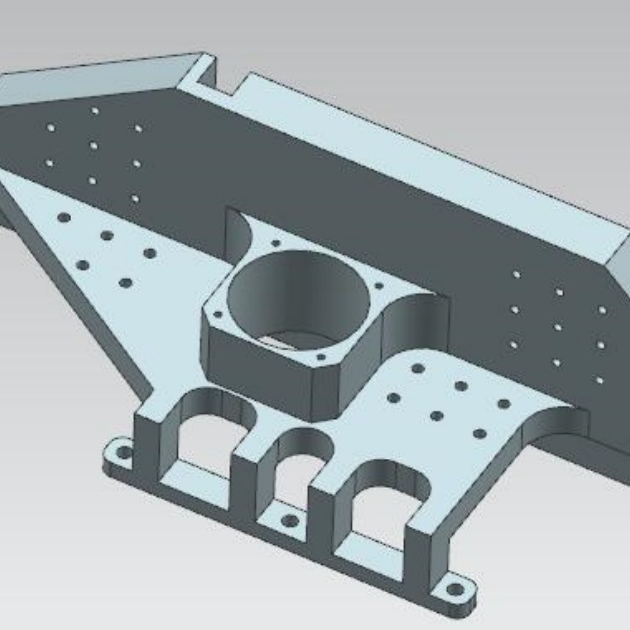
2. Learning types include face milling thickness, through slots, enclosed slots, multi-level components, and 2D chamfering.
3. Line profile cutting programming, such as milling chamfers, countersinks, and hook slots, as well as fine processing for tool radius compensation output.
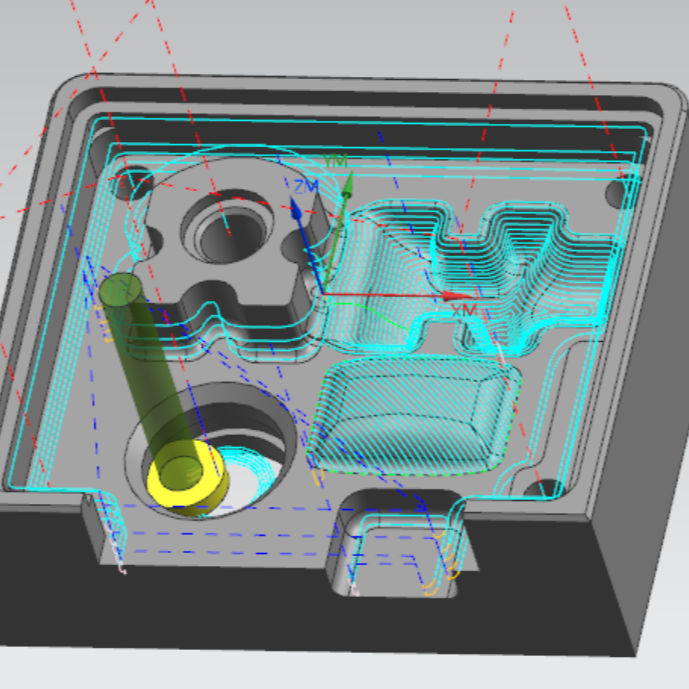
4. 3D Mold Programming: Single roughing, secondary leftover tracking, and practical techniques for sharp corner clearing.
Advantages of parallel milling, applications of streamline and curved driving.
5. Hole positioning machining programming; use UG to program for spot holes, deep holes, threading, boring, etc., to generate programs in the correct format.
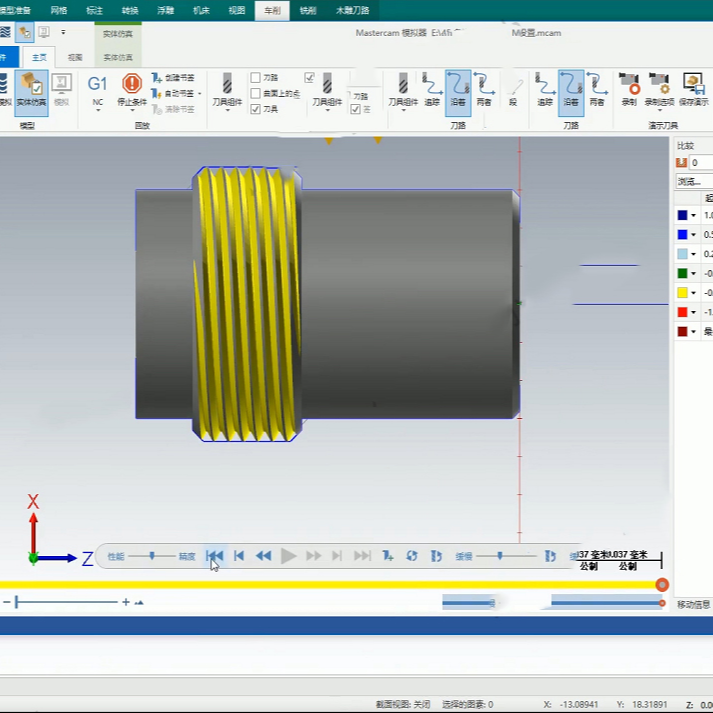
Helical boring and threading techniques for internal and external threads.
6. 3+1-axis programming, horizontal milling machine programming, gantry milling tool change axis positioning programming.
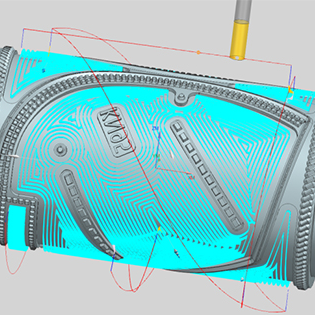
7. Four types of engraving programming: flat engraving, curved engraving, concave lettering in cavity, and convex lettering in cavity.
8. Common UG parameters, practical applications, and experience explanation
9. Summary of the essential principles, key parameters, and common application scenarios of the top 10 programming methods commonly used in UG.
10. Share years of practical processing craft experience and skills, as one must not only have a good weapon in hand but also possess excellent craft programming concepts and processing thinking.
Includes post-processing (FANUC, Siemens, MITSUBISHI, FANUC_Aaxis, etc.), programming lists, etc.
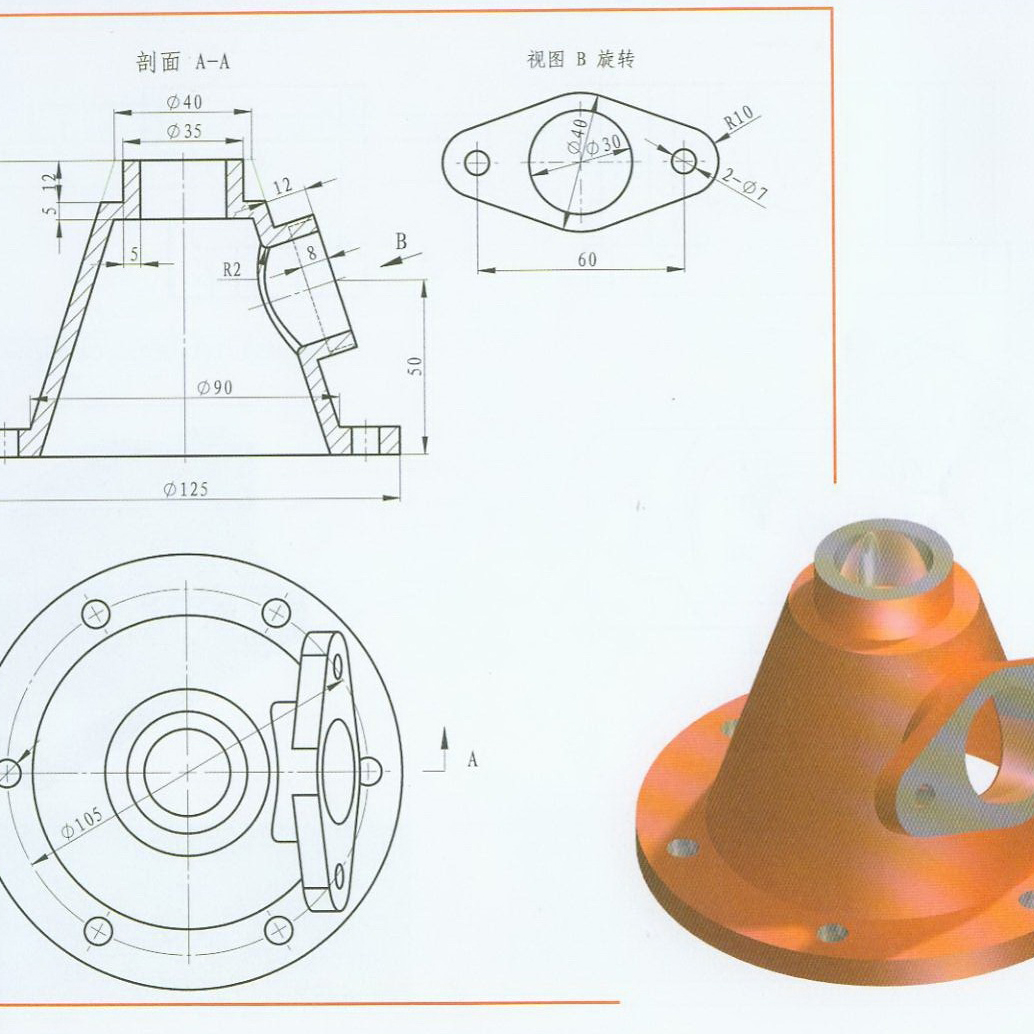
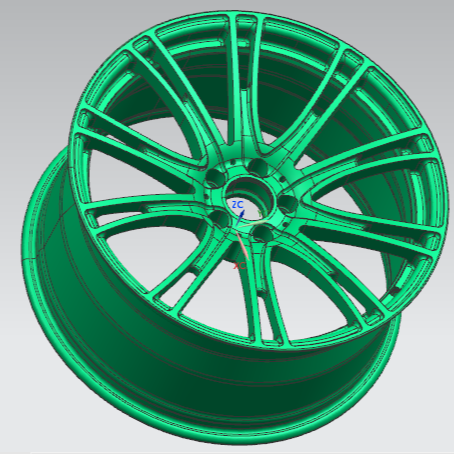
11. Programming Example Exercises: 2D products, 3D cavity surfaces, various hole positions, irregular shapes, thin walls, deep cavities, and engraving.