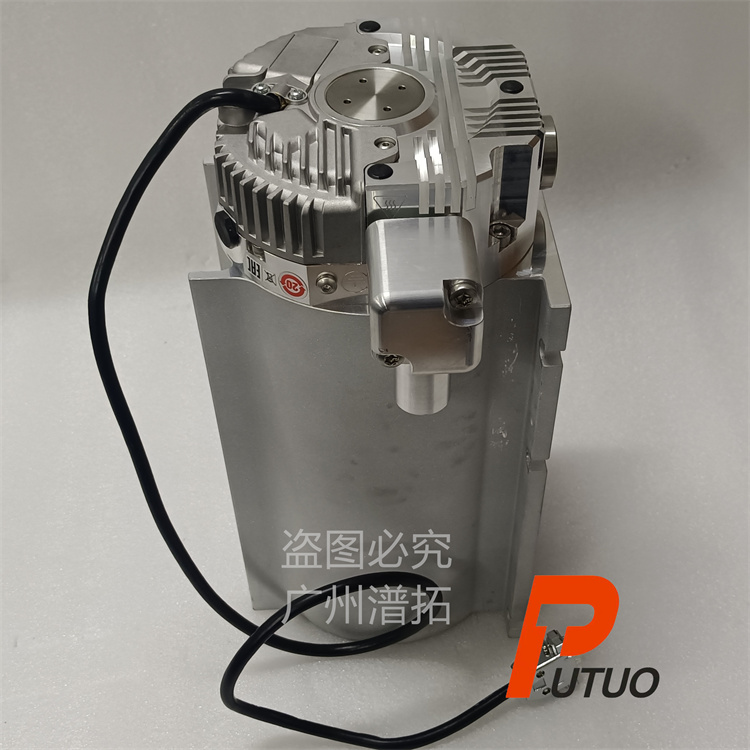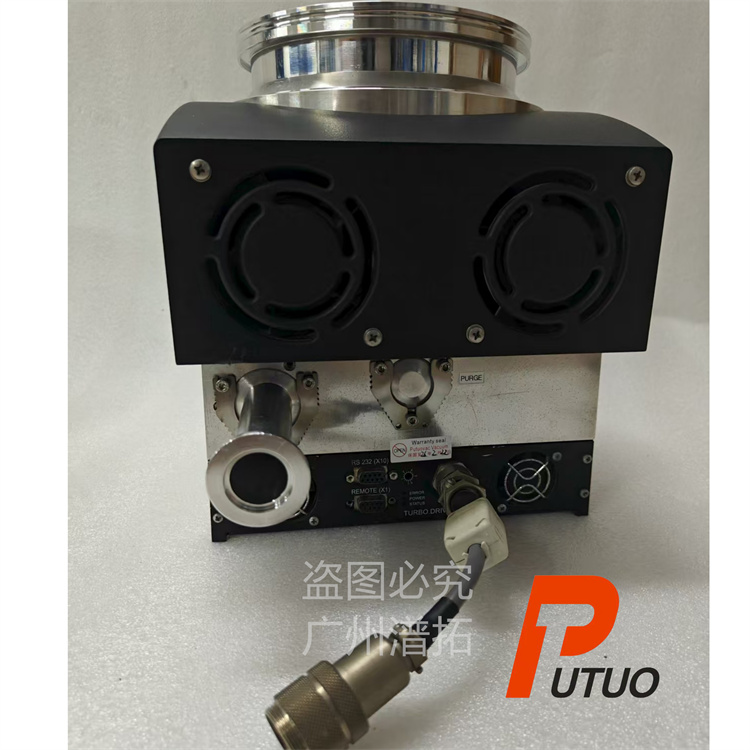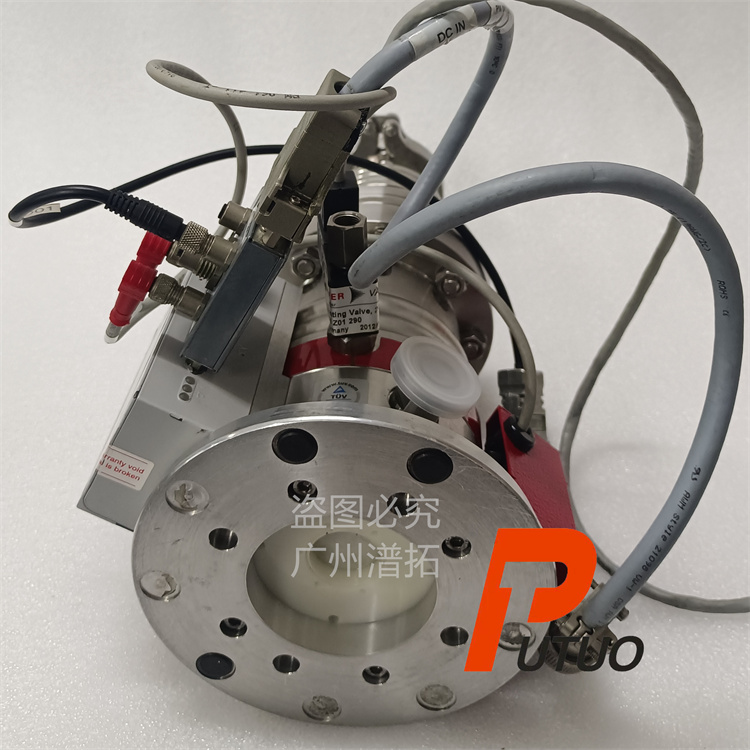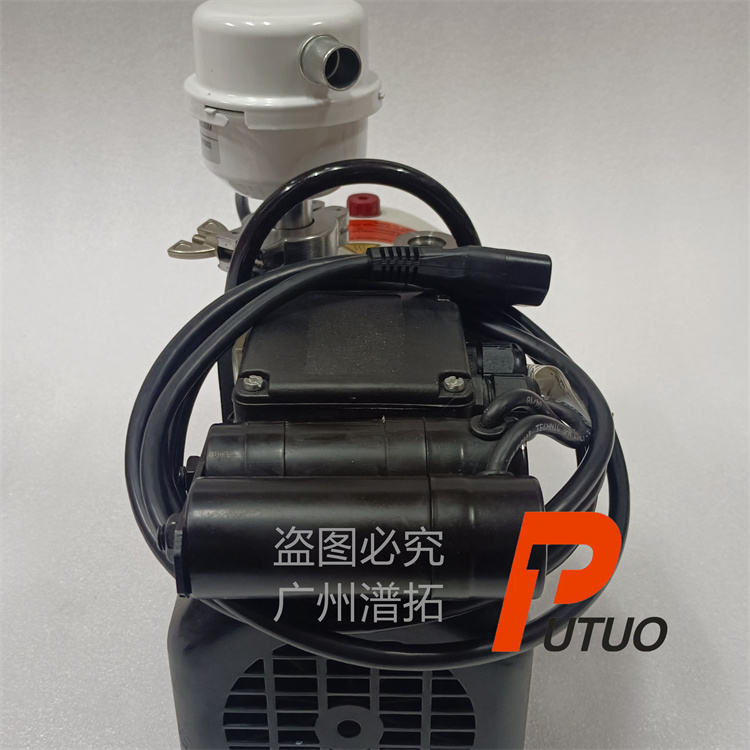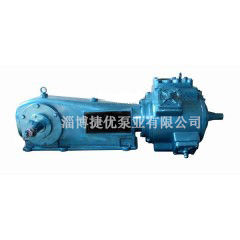


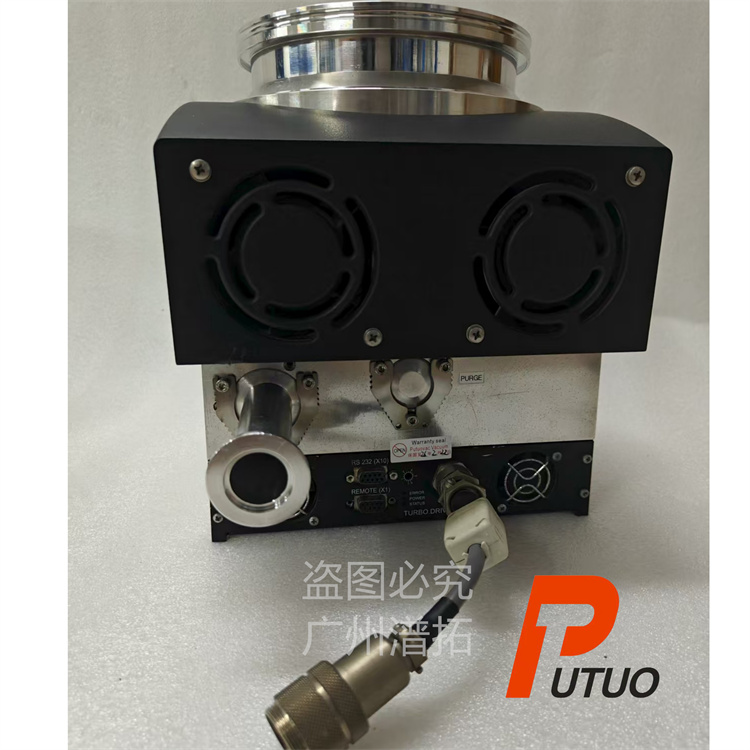
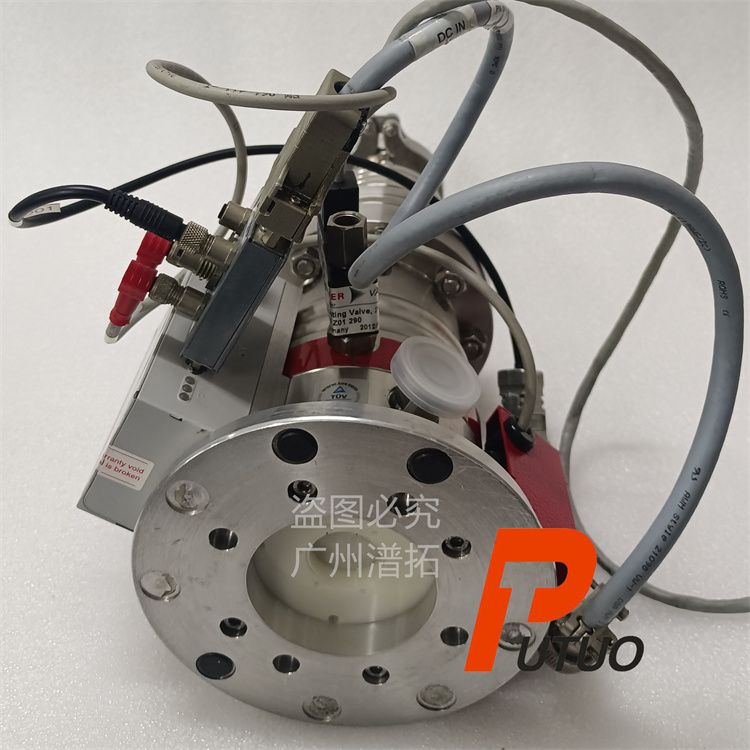
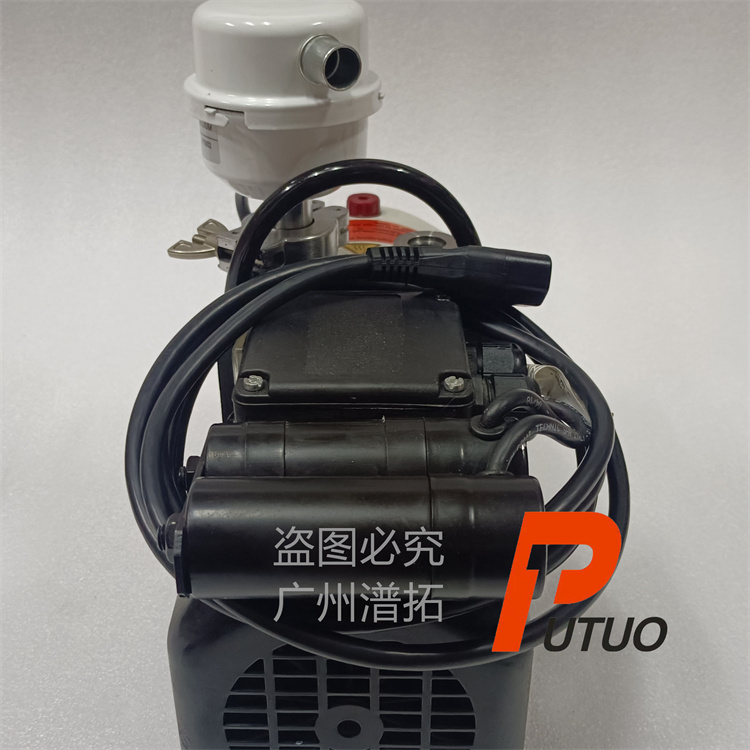





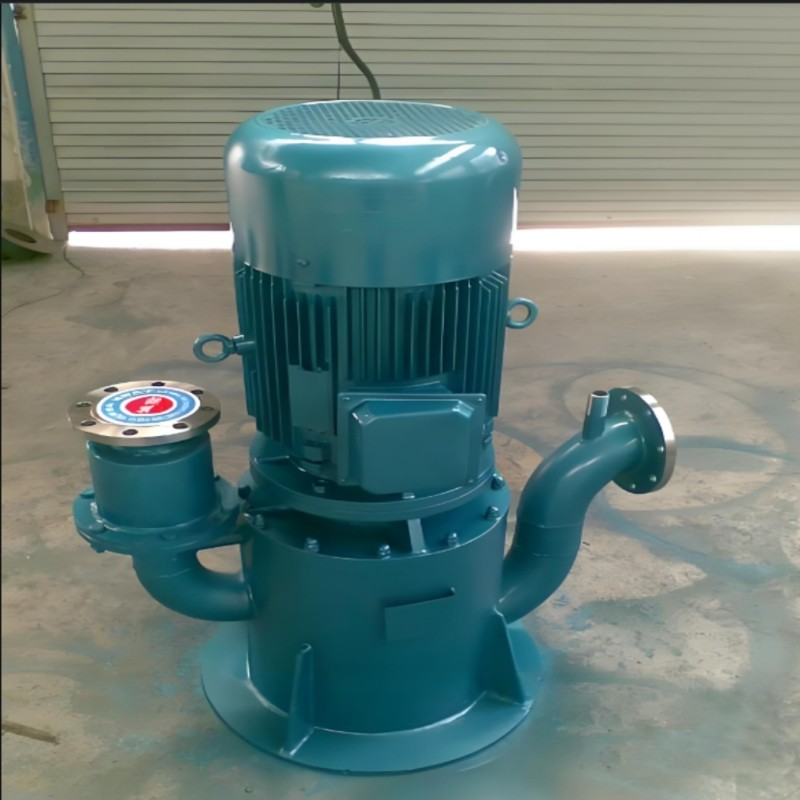
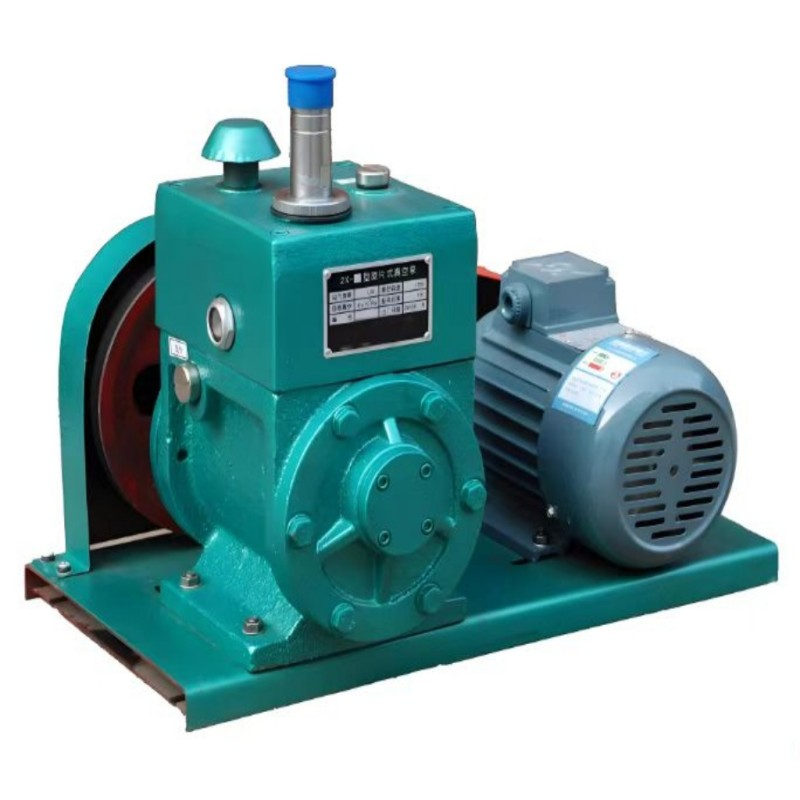
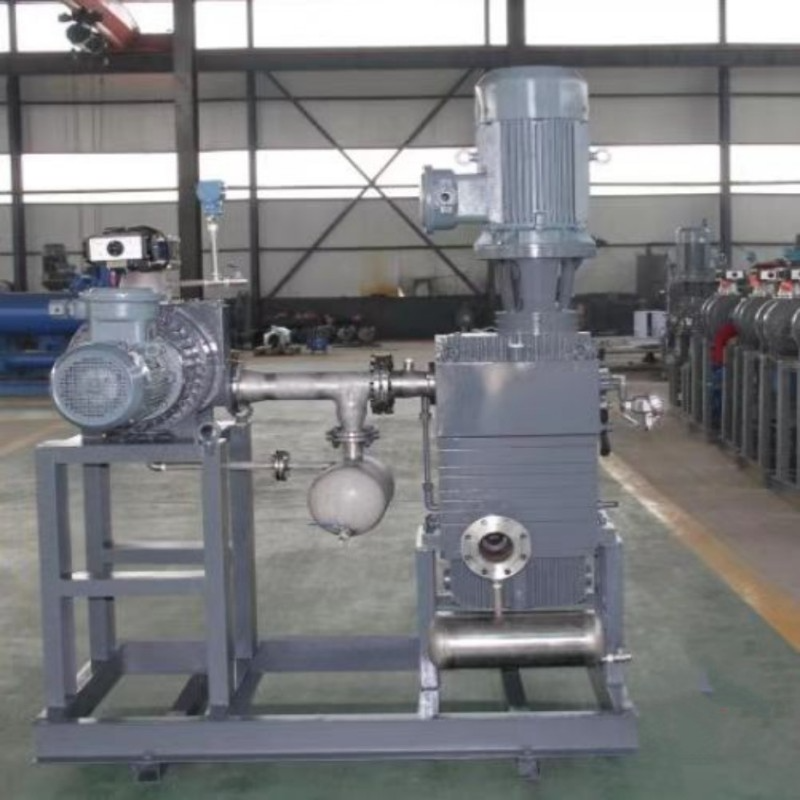
W, WY type reciprocating piston vacuum pumps are one of the main equipment for obtaining rough vacuum. They are used to remove air or other gases from sealed containers or reaction kettles. They are not suitable for corrosive gases or gases containing hard particle dust. The structure consists of two main parts: the mechanical transmission part and the gas flow part.
Mechanical Transmission Section:
The mechanical transmission part of the entire mechanism is housed within an enclosed casing, with the vacuum pump crankshaft supported in cone roller bearings on both sides of the casing. One end of the crankshaft is equipped with a large belt wheel to drive the transmission. A connecting rod connects the crankshaft journal and crosshead. The piston rod is also fitted with a large belt wheel to drive the transmission, with the other end mounted in the conical bore of the piston and secured with a nut. The motor and a small belt wheel mounted on the shaft are driven by a V-belt to rotate the crankshaft, thereby causing the piston to reciprocate within the cylinder through the action of the connecting rod and crosshead. Shanghai Wan Jing Pump Valve
The connecting rod crank mechanism moves within the body, causing the lubricating oil in the oil pan to splash and lubricate the friction surfaces such as the bearings, crankshaft journals, crosshead, and slider. For easy inspection and maintenance of the transmission mechanism, removable door covers are installed on both sides and the rear of the body. An oil window is fitted on the rear cover to indicate the oil level height within the oil pan. Shanghai Wanjing Pump Valve
2. Gas Flow Section:
The gas chamber and cylinder are cast as a single unit. The gas chamber is equipped with an intake valve at the top, serving as the intake port, and an exhaust valve at the bottom, functioning as the exhaust port. An anti-reversal valve is formed by a valve plate and a helical spring in the gas groove of the valve, which controls the intake and exhaust as well as automatically completes the fuel-air mixture distribution.
A piston is within the cylinder, fitted with piston rings to ensure a sealed environment between the cylinder ends separated by the piston. As the piston moves back and forth within the cylinder, it continuously alters the volume at each end—expanding one end to intake gas and contracting the other end to exhaust gas. The combined action of the piston and the valve cyclically completes the vacuum pump's intake and exhaust functions.
Coolant flowing through the cylinder water jacket removes heat generated from the compression of gases and friction on the metal surface, preventing the cylinder from overheating. The cooling water enters from below the cylinder head, flows through the water jacket above the cylinder bore, and exits into the vacuum pump.
The interior wall of the cylinder and the friction surface of the piston ring are lubricated by injecting lubricating oil from a cup mounted on the cylinder.
The W and WY type vacuum pumps have been widely applied in various industrial sectors. For instance, in chemical or food industries for vacuum distillation, evaporation, crystallization, drying, and filtration; in vacuum metallurgy for degassing; and in electrical industries for infiltration.