










Glass fiber reinforced plastic (FRP) corrosion protection is a structural protection technique achieved through the composite of glass fiber reinforced materials and resins, widely used in corrosive environments such as chemical industry, metallurgy, electricity, and wastewater treatment. The following are its key points:
One. Corrosion Prevention Principle
Material Characteristics: Glass fiber provides high strength (carbon fiber, aramid fiber, basalt fiber, polyphenylene sulfide fiber, ultra-high strength high modulus polyethylene fiber, etc. can be used in special environments), while resins (such as nano-polymer corrosion-resistant materials, epoxy resins, vinyl resins, phenolic resins, etc.) form a dense protective film, blocking the penetration of various corrosive media. The combination of both offers impact resistance, acid and alkali resistance, and electrochemical corrosion resistance. Structure Advantages: The surface is smooth and sealed, preventing water and chemical substances from侵入; the even distribution of glass fiber enhances the overall impermeability.
Section II: Construction Techniques
Surface Treatment: Concrete needs alkali removal and repair; metal substrates require sandblasting to achieve a Sa2.5 surface roughness. Optimal humidity is ≤80%, with temperature between 5-25℃. Multi-layer Application: Three-coat-five-layer process: Base coat → lay fabric → apply resin → repeat for three layers of fabric → surface coat, five layers of resin; each layer must be compacted and overlap width should be 50mm. Five-coat-seven-layer process: Used for environments with strong corrosion, such as strong acids and alkalis, where increased fabric and resin thickness is required. Curing and Topcoat: Natural curing for 24-48 hours, environmental control is crucial; if subsequent acid-resistant tile bonding is needed, sprinkle quartz sand after the surface coat to enhance wear resistance, anti-slip, and bonding properties.
Section 3: Application Scenarios
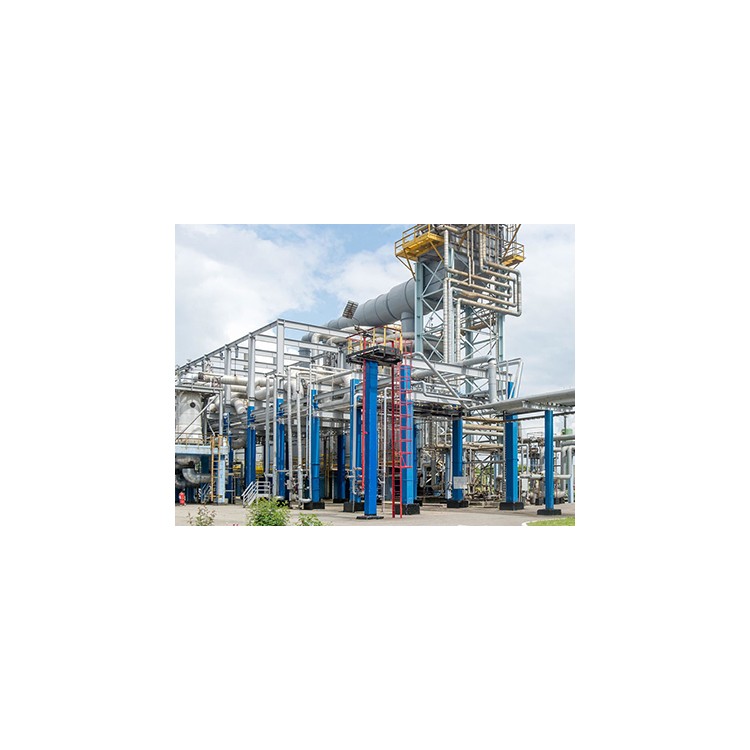
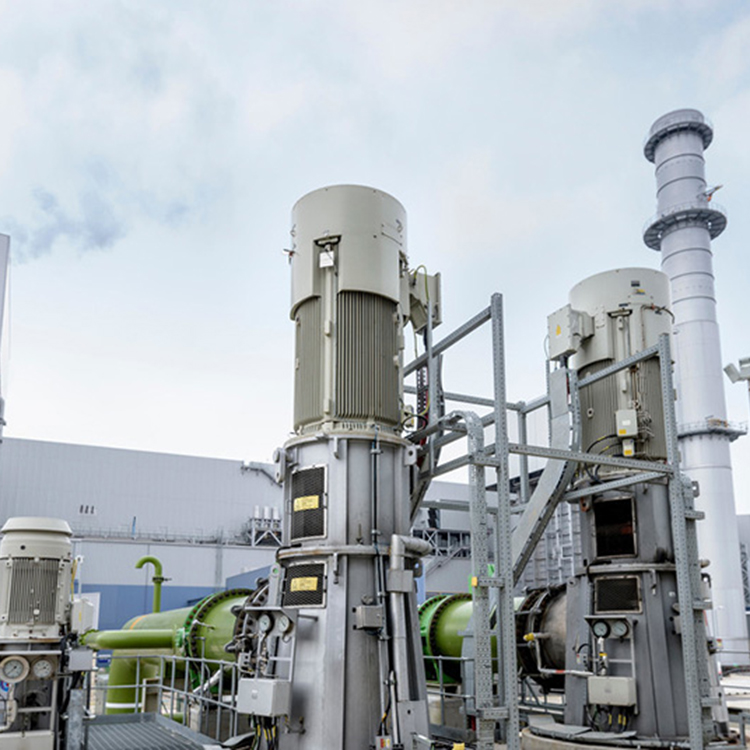
Chemical Equipment: Pipe and tank inner wall replacements for stainless steel
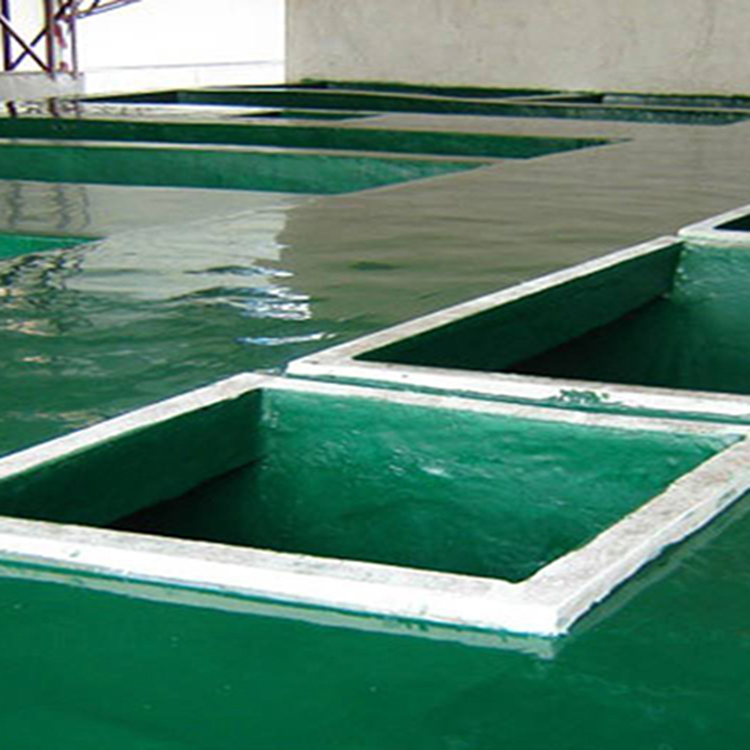
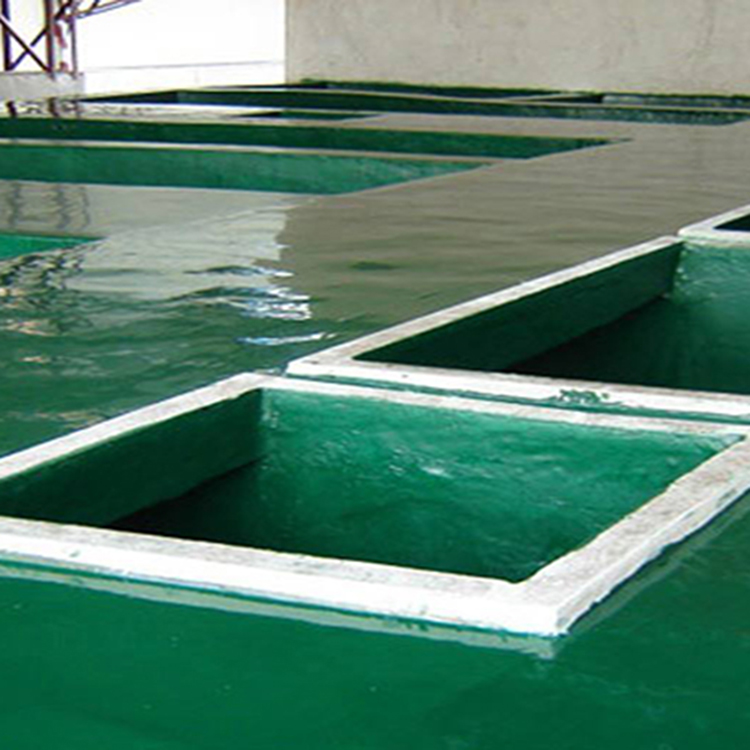
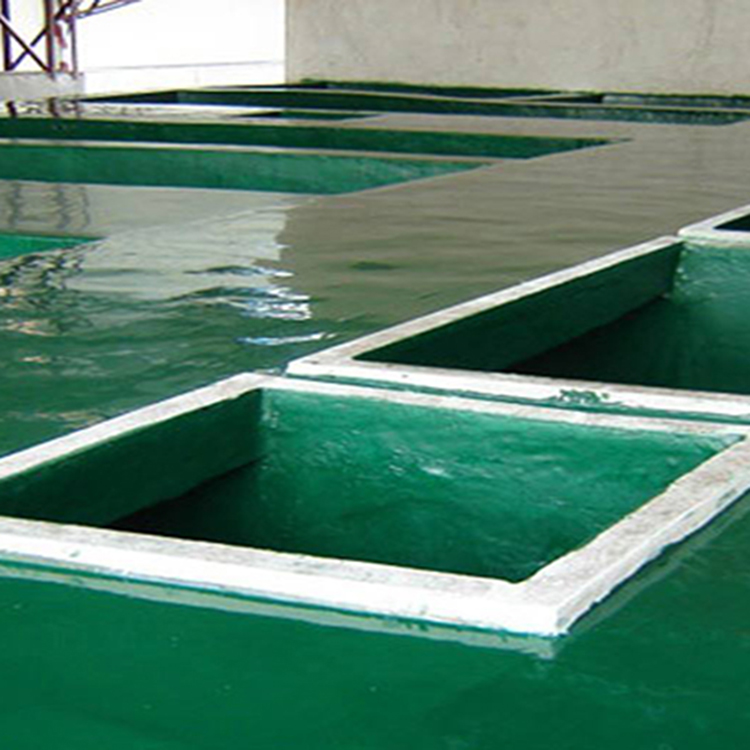
Wastewater Treatment: Sewage ponds, effluent ponds, industrial water ponds, oxidation pond corrosion protection;
Section 4: Precautions
Resin must be mixed according to the ratio (e.g., epoxy resin hardener = 100:20) and used within 30 minutes.
Construction Standard: Building Corrosion Prevention Construction Specification GB50212-2014