
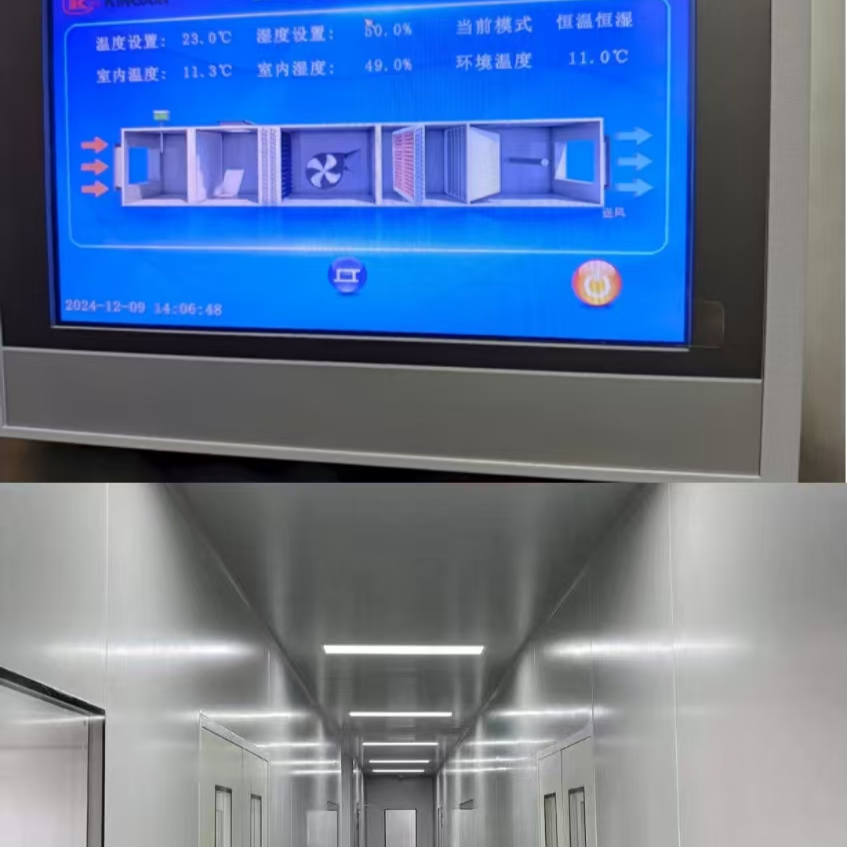

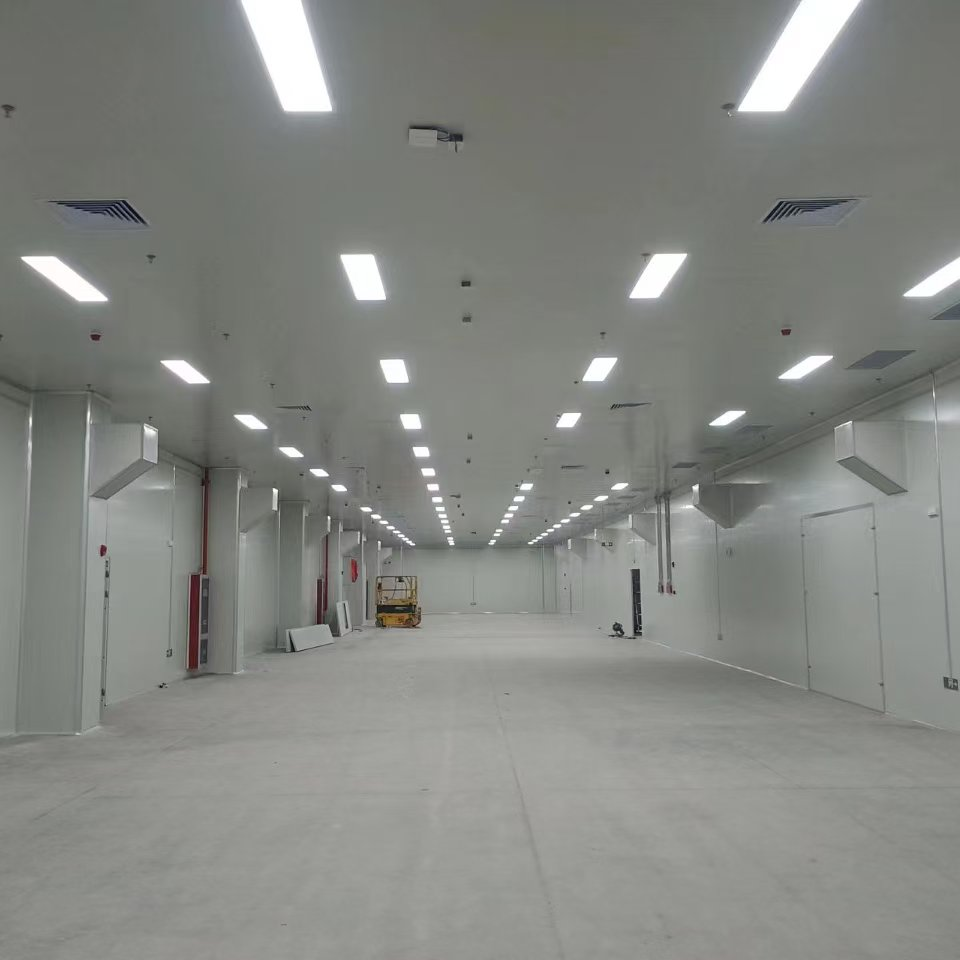


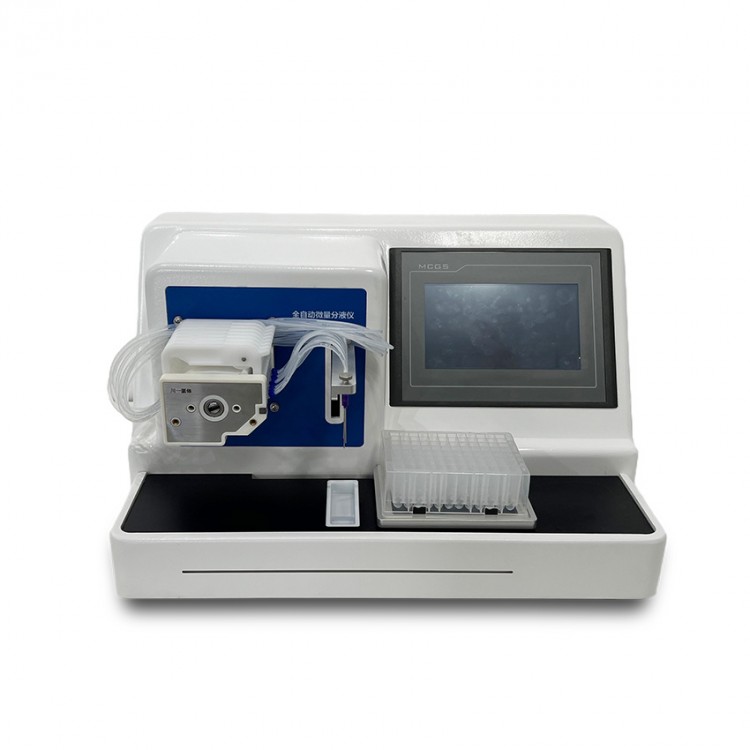








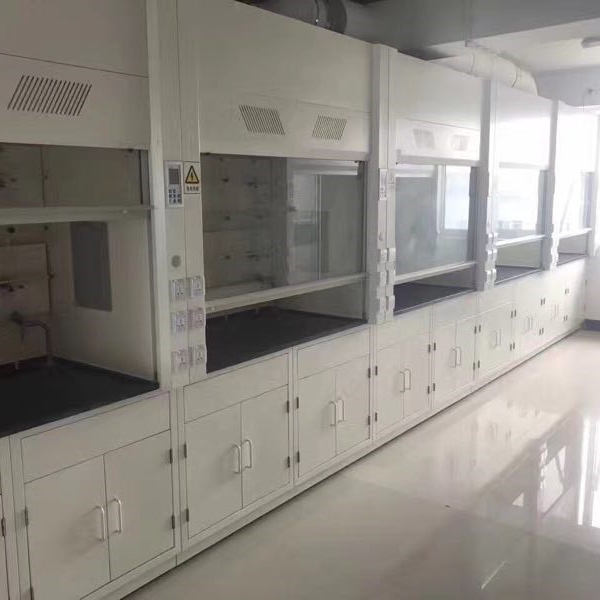
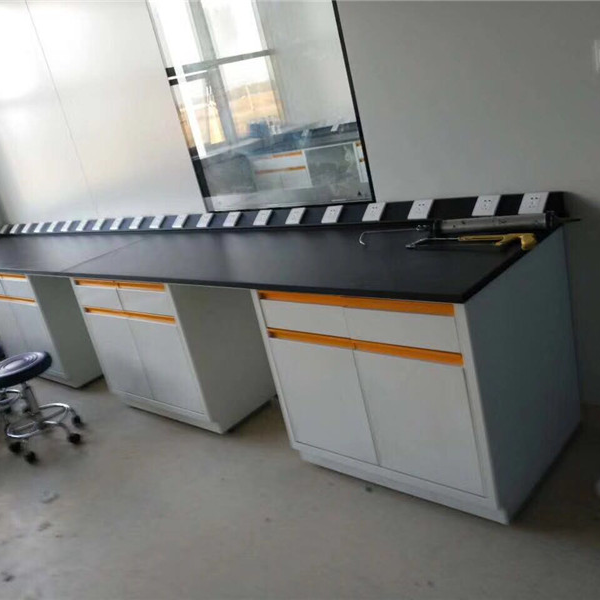
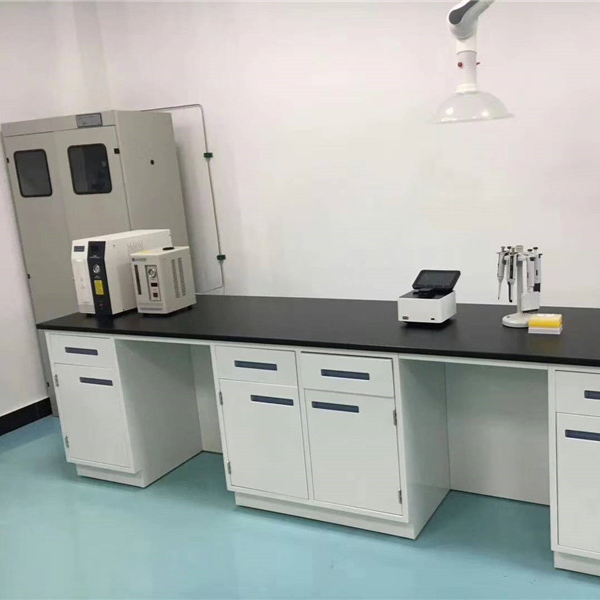
A climate-controlled laboratory is a specialized experimental space that employs precise environmental control systems to strictly regulate parameters such as temperature, humidity, and cleanliness within a specific range. It is widely used in scientific research, industrial production, pharmaceuticals, electronics, and other fields, providing a stable and reliable environmental guarantee for processes sensitive to environmental conditions. The following provides a detailed introduction from aspects such as core functions, system composition, application areas, design points, and advantages.
I. Core Functions
- Temperature ControlThrough air conditioning systems, heating/cooling equipment, and intelligent algorithms, temperature fluctuations are controlled within an extremely small range (such as ±0.1℃ to ±1℃), meeting the high-precision experimental requirements.
- Humidity ControlUtilize humidifiers, dehumidifiers, and humidity sensors to maintain stable humidity levels (±2%RH to ±5%RH), preventing variations in humidity from affecting materials or experimental results.
- Air purityRemove airborne particulates (such as dust and microorganisms) through high-efficiency particulate air (HEPA) filters to ensure the laboratory meets specific cleanroom classification levels (e.g., ISO 5 to ISO 8).
- Airflow OrganizationUtilizing laminar or turbulent airflow design to control the direction and speed of air flow, preventing cross-contamination or local deviations in temperature and humidity.
Section II: System Composition
- Air Conditioning SystemIncluding refrigeration units, heaters, humidifiers, and dehumidifiers, responsible for regulating temperature and humidity.
- Air Handling Unit (AHU)Integrated filtration, humidity and temperature control, and air flow distribution functions ensure air quality.
- Control SystemUtilizing PLC or DDC controllers, combined with real-time sensor monitoring of environmental parameters, the equipment's operating status is automatically adjusted.
- Retaining structureUtilizing thermal insulation materials (such as polyurethane sandwich panels), airtight doors, and double-glazed observation windows to minimize external disturbances.
- Auxiliary EquipmentAir shower rooms, pass-through windows, differential pressure gauges, etc., for personnel/items entry and exit management and environmental monitoring.