

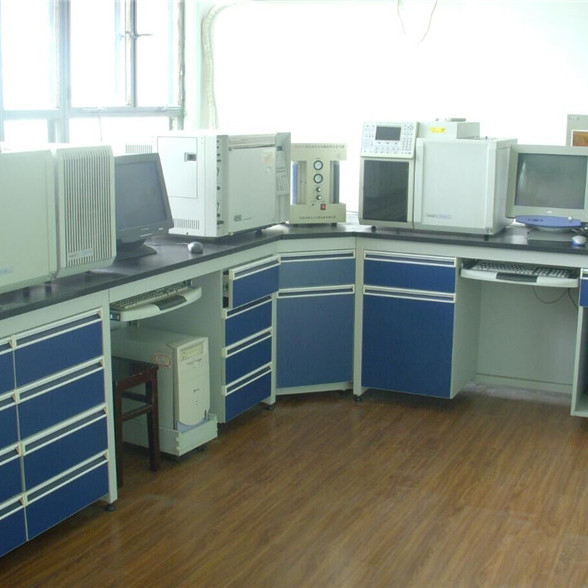









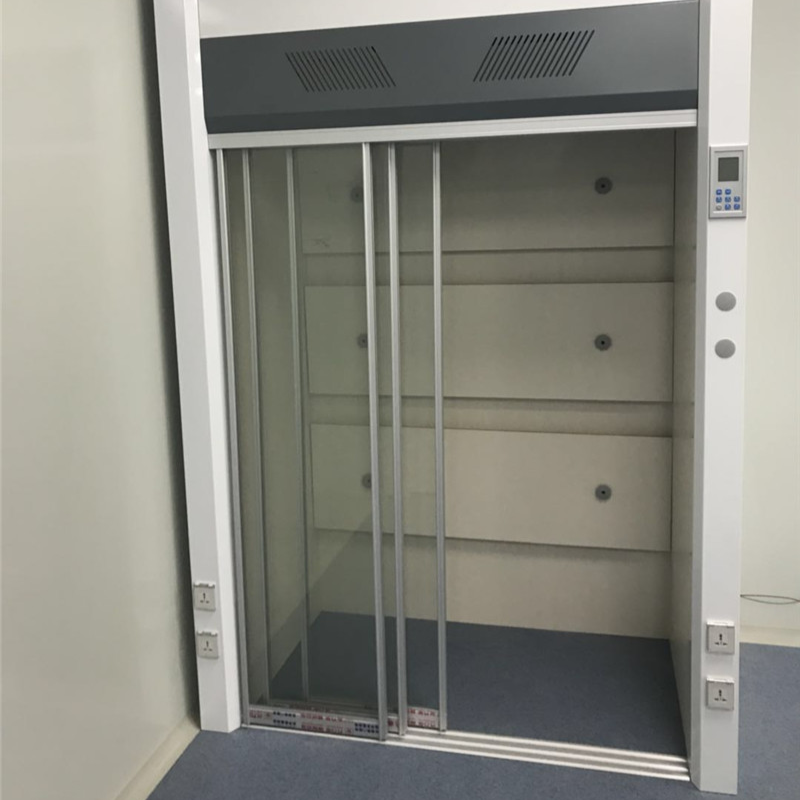

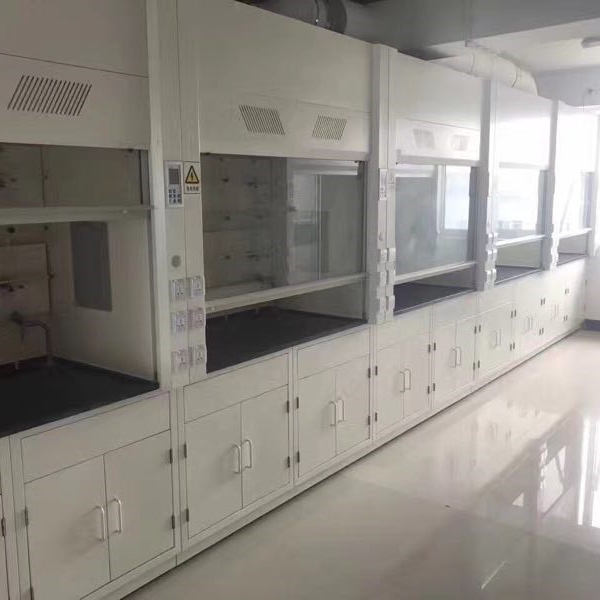
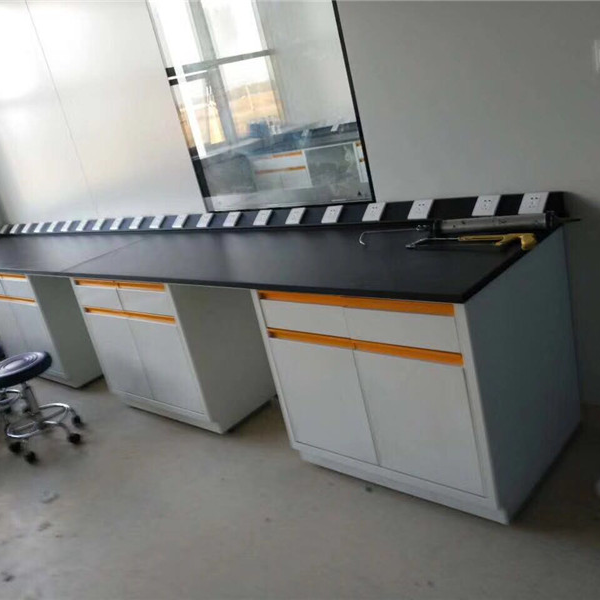
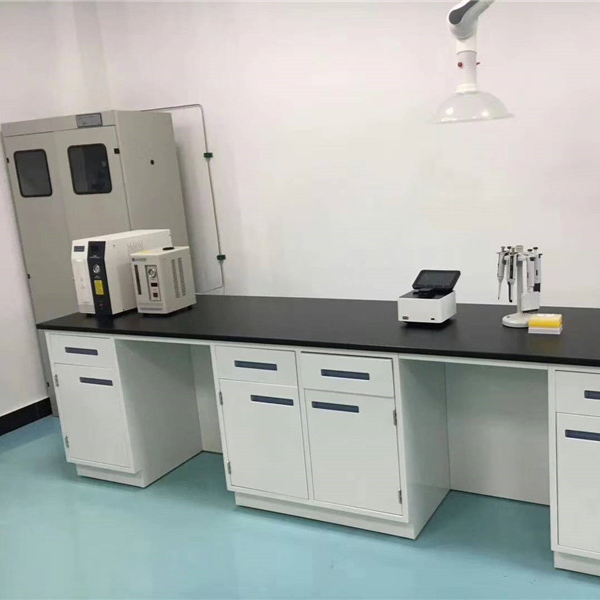
Steel and wood instrument standAn essential lab bench type, it combines the strength and durability of steel with the aesthetics and practicality of wood, widely used in various laboratory settings. Below is a detailed introduction to the steel-wood instrument bench:
I. Structural Features
- Frame structure:
- Typically uses high-quality cold-rolled steel pipes (such as 40)60Manufactured into an I-beam or U-shape structure with a thickness of 1.5mm, ensuring the experimental workbench's load-bearing capacity and the functionality of water and electrical conduits.
- The metal surface is treated with chemical rust prevention methods such as pickling and phosphatizing, followed by high-pressure electrostatic powder coating with epoxy resin, ensuring the steel frame does not rust or corrode.
- Screw holes connected to fasteners are焊接 with pull rivet welding technology, resulting in a smooth surface free of weld marks. All screws on the support frame are connected with GB standard stainless steel screws, offering excellent corrosion resistance, tightness, and strength, ensuring no deformation under long-term heavy loads.
- Counter Material:
- Standard thickness solid-core chemical board countertops (12.7mm or 25.4mm) or domestic chemical board countertops, resistant to strong acids and alkalis and various organic reagents, with excellent scratch and abrasion resistance.
- Also available for selection according to customer requirements are high-end countertops such as Vicsen from the USA, Kaindl from the Netherlands, Enomic, Stiflex epoxy resin boards, stainless steel, and ceramic boards.
- Box structure:
- The wood-based material is made of high-quality medium-density fiberboard (such as 18mm thick) and both sides are bonded with superior polyurethane fireproof and waterproof panels.
- Drawer panel and door panel sections are sealed with waterproof PVC edging, ensuring a firm, neat finish with no burrs. The lines are straight and the joints fit perfectly. It offers anti-corrosion, waterproof, fireproof, and termite-proof properties, as well as being aesthetically pleasing and durable.
- Foot design:
- Comprised of high-quality stainless steel and reinforced nylon feet, offering anti-slip and shock-absorbing features with adjustable height (up to 50mm). Resistant to acid and alkali corrosion, with strong load-bearing capacity.
II. Core Advantages
- High load-bearing capacity:
- Steel frames offer robust support, capable of bearing heavier experimental equipment and machinery.
- Wooden countertops ensure load-bearing capacity while reducing overall weight, making them easy to move and install.
- Good stability:
- The steel-wood structure combines the rigidity of steel with the toughness of wood, making the lab table resistant to deformation or damage over long-term use.
- Adjustable feet further enhance the stability of the lab table, accommodating different ground requirements.
- Aesthetically pleasing and practical:
- The steel and wood instrument stand boasts a refined and aesthetically pleasing appearance, complementing various laboratory settings.
- The countertop is easy to clean and maintain, enhancing laboratory efficiency.
- Flexible Customization:
- Adjust the desk height and storage space according to the different experimental projects.
- Equipped with drawers, cabinets, and adjustable platforms, offering increased storage and operational space.
- Environmental Protection and Energy Efficiency:
- The materials selected strictly comply with national or international environmental protection standards, effectively reducing their environmental impact throughout their entire lifecycle.