

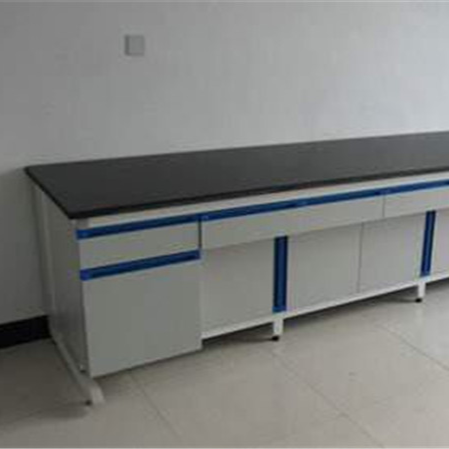
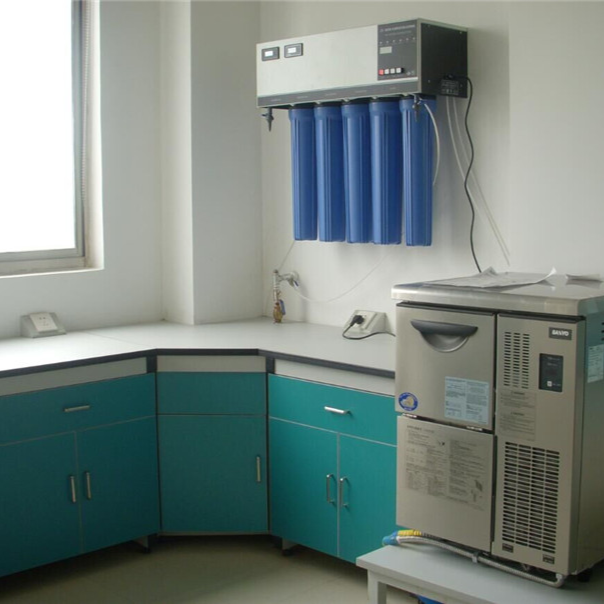


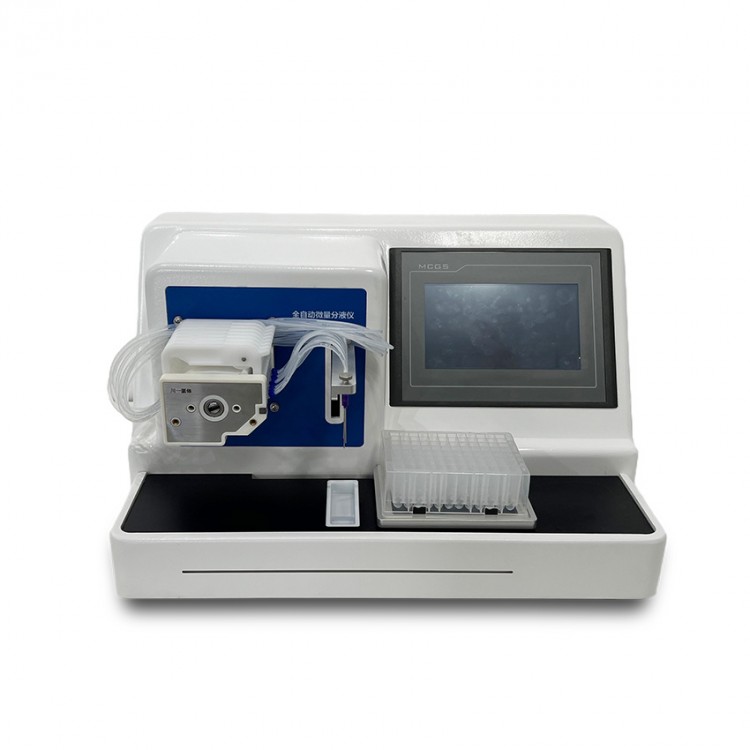








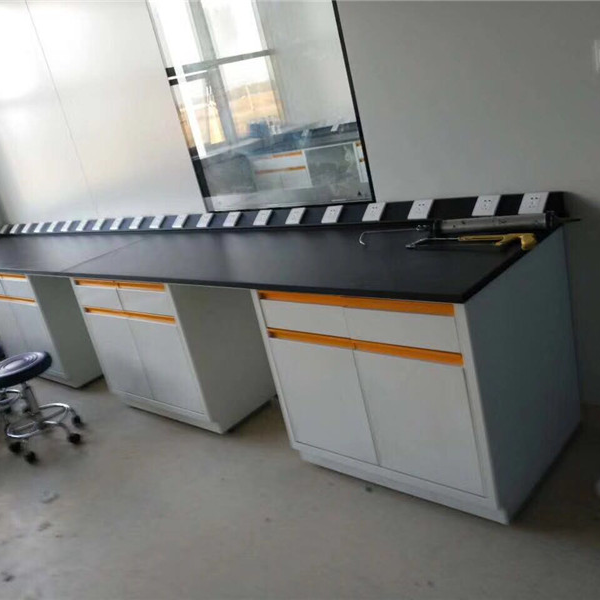
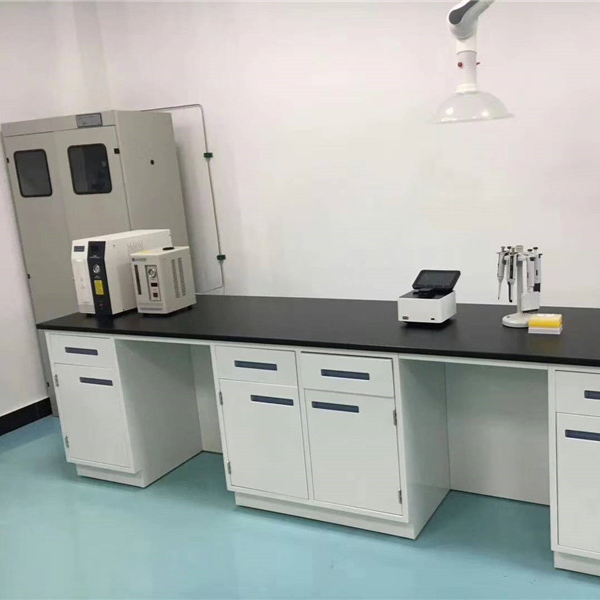
Steel-wood edge tables are a common type of laboratory bench, combining the strength and durability of steel with the ease of wood processing. They feature strong load-bearing capacity, good stability, high cost-performance, and flexible design. They are widely used in the peripheral areas of chemical, biological, and physics laboratories for placing experimental equipment, reagent bottles, and small devices.Here is a detailed introduction to the steel and wood edge table:
I. Material and Structure
- Frame Material:
- Master FrameTypically made from high-quality cold-rolled steel plates or channels, the surface is treated with processes such as acid washing, phosphatizing, and electrostatic powder coating, featuring rust prevention, corrosion resistance, and easy cleaning.
- ConnectorsUtilize stainless steel or galvanized steel screws, nuts, and other fasteners to ensure structural stability.
- Counter Material:
- Solid-core physical and chemical boardAcid and alkali-resistant, corrosion-resistant, and heat-resistant, with a smooth surface for easy cleaning, it is a commonly used material for laboratory countertops.
- Epoxy resin boardWith superior chemical corrosion resistance and high-temperature performance, suitable for strong acid and alkali experimental environments.
- Ceramic CountertopHigh-temperature and wear-resistant, easy to clean, but expensive; commonly used for special experimental requirements.
- Stainless Steel CountertopCorrosion-resistant and easy to clean, but prone to scratching; suitable for laboratories with high hygiene requirements.
- Cabinet Material:
- Wooden cabinet bodyGenerally made of high-quality particleboard or medium-density fiberboard (MDF), with fire-retardant panels or solid wood veneer on the surface, it is both aesthetically pleasing and practical.
- Steel cabinet bodyAll-steel construction with high corrosion resistance; however, it is more expensive, suitable for laboratories with high requirements for corrosion resistance.
- Structural Features:
- Steel and wood compositeThe frame is made of steel, and the cabinet is wooden, ensuring structural stability while also reducing costs.
- Modular designSide desks are typically modular in design, allowing for flexible combination and adjustment according to laboratory space and requirements.
- Adjustable footThe side table is equipped with adjustable feet at the bottom, which can accommodate uneven ground surfaces, ensuring the tabletop remains level.
II. Core Advantages
- High load-bearing capacity:
- Steel frameworks offer robust support, capable of bearing heavier experimental equipment and machinery.
- Wooden cabinet bodies ensure load-bearing capacity while reducing overall weight, making them easy to move and install.
- Good stability:
- The steel-wood structure combines the rigidity of steel with the toughness of wood, making the side table resistant to deformation or damage over long-term use.
- Adjustable feet further enhance the stability of the side table, accommodating different ground requirements.
- High cost-performance ratio:
- Compared to all-steel lab benches, the steel-and-wood edge benches offer cost savings while maintaining performance, making them more suitable for labs with limited budgets.
- Wooden cabinet bodies offer more design options, such as colors and textures, to meet the decoration styles of different laboratories.
- Design Flexible:
- Modular design allows the side table to be flexibly combined and adjusted according to the lab space and requirements.
- Equipped with drawers, cabinet doors, and shelves for storage, convenient for the storage and management of laboratory supplies.
- Easy to clean and maintain:
- The steel surface is electrostatically powder coated, making it easy to clean and corrosion-resistant.
- The wooden cabinet bodies feature fire-resistant panels or real wood veneers, making them easy to clean and maintain as well.