

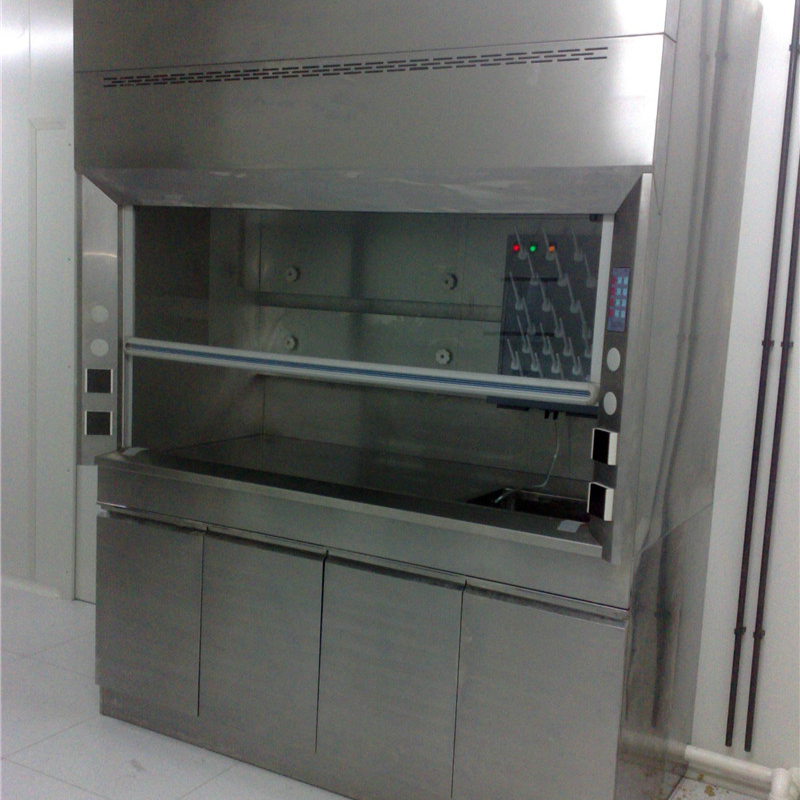









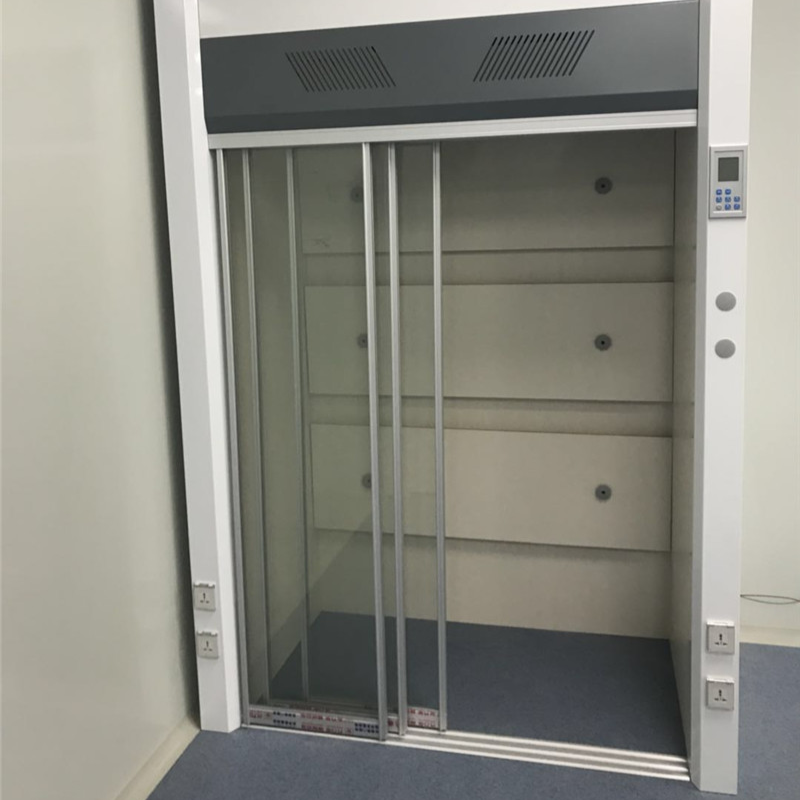

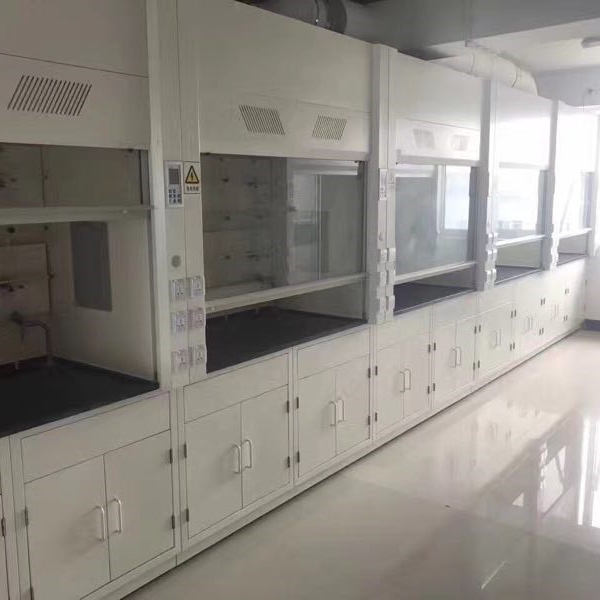
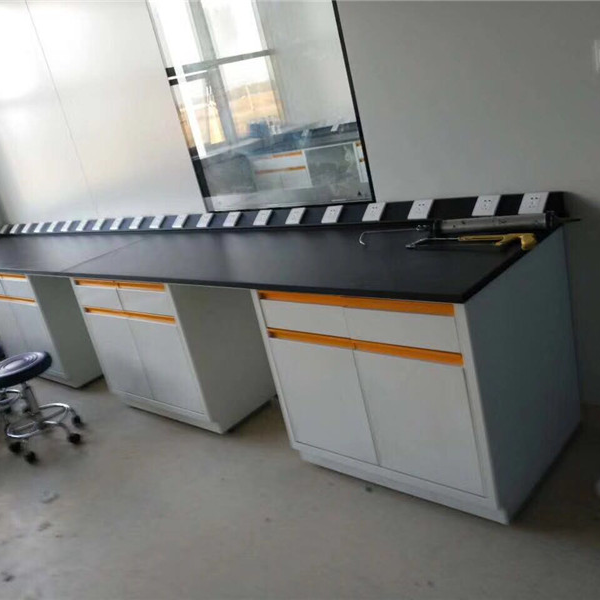
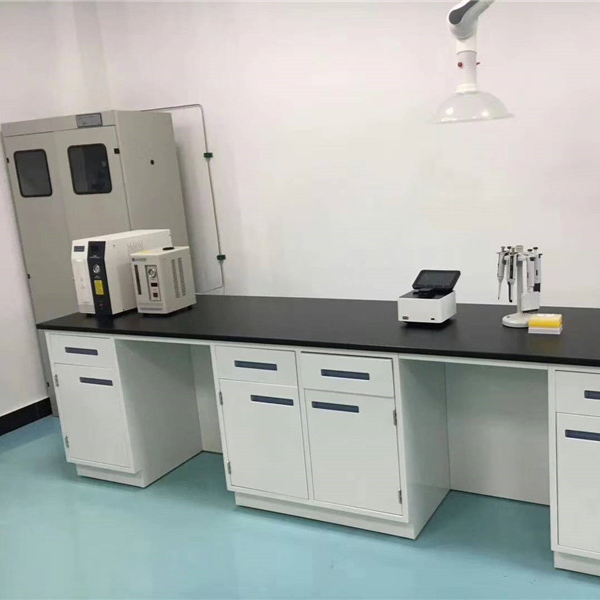
Stainless steel fume hoods are essential safety equipment in laboratories, featuring corrosion resistance, fire resistance, durability, and ease of cleaning and maintenance. They are suitable for experimental operations involving strong acids and bases, as well as toxic and harmful gases, in fields such as chemistry, biology, and pharmaceuticals.Here is a detailed introduction to the stainless steel ventilation cabinet:
Section 1: Material and Structure
- Material:
- CabinetPrimarily made from 304 or 316 stainless steel, 304 stainless is suitable for most laboratory environments, while 316 stainless, due to its molybdenum content, offers enhanced resistance to chloride ion corrosion, making it ideal for marine biology and high-salinity experiments.
- Counter topTypically, materials like stainless steel, ceramics, or epoxy resin boards, which are resistant to corrosion and high temperatures, are chosen to ensure they do not easily deteriorate when in prolonged contact with chemical reagents.
- WindowUtilizing 5mm explosion-proof tempered glass, it prevents shattering and splintering, ensuring the safety of operators.
- Structure:
- Cabinet DesignThree-section modular structure (upper cabinet, worktop, lower cabinet), internally equipped with a flow guide plate to optimize air distribution, reduce turbulence, and enhance ventilation efficiency.
- Exhaust SystemThe exhaust outlets are connected to the laboratory's exhaust ventilation system, where they expel polluted air outdoors. Some models are equipped with an air supply system to reduce air conditioning energy consumption.
- Supporting FacilitiesIncluding lighting, water valves, gas valves, power outlets, etc., to meet experimental operation requirements.
II. Core Advantages
- Corrosion resistance:
- Stainless steel material resists the侵蚀 of most chemicals and corrosive gases, making it suitable for environments involving strong acids, alkalis, and organic solvents.
- 316 stainless steel performs better in chloride ion environments (such as seawater, salt fog) and has a lifespan of up to 12-15 years.
- Fire-resistant properties:
- Stainless steel has a high melting point, is non-flammable, and meets laboratory fire safety requirements.
- Durable & easy to maintain:
- Smooth surface, easy to clean, resists dirt accumulation, reduces cross-contamination risk.
- High wear resistance, long service life, reduces long-term replacement costs.
- Safety Performance:
- Sealed structural design effectively isolates harmful gases and particulate matter, ensuring the safety of operators and the environment.
- Equipped with explosion-proof devices, leakage protection, etc., to ensure experimental safety.