
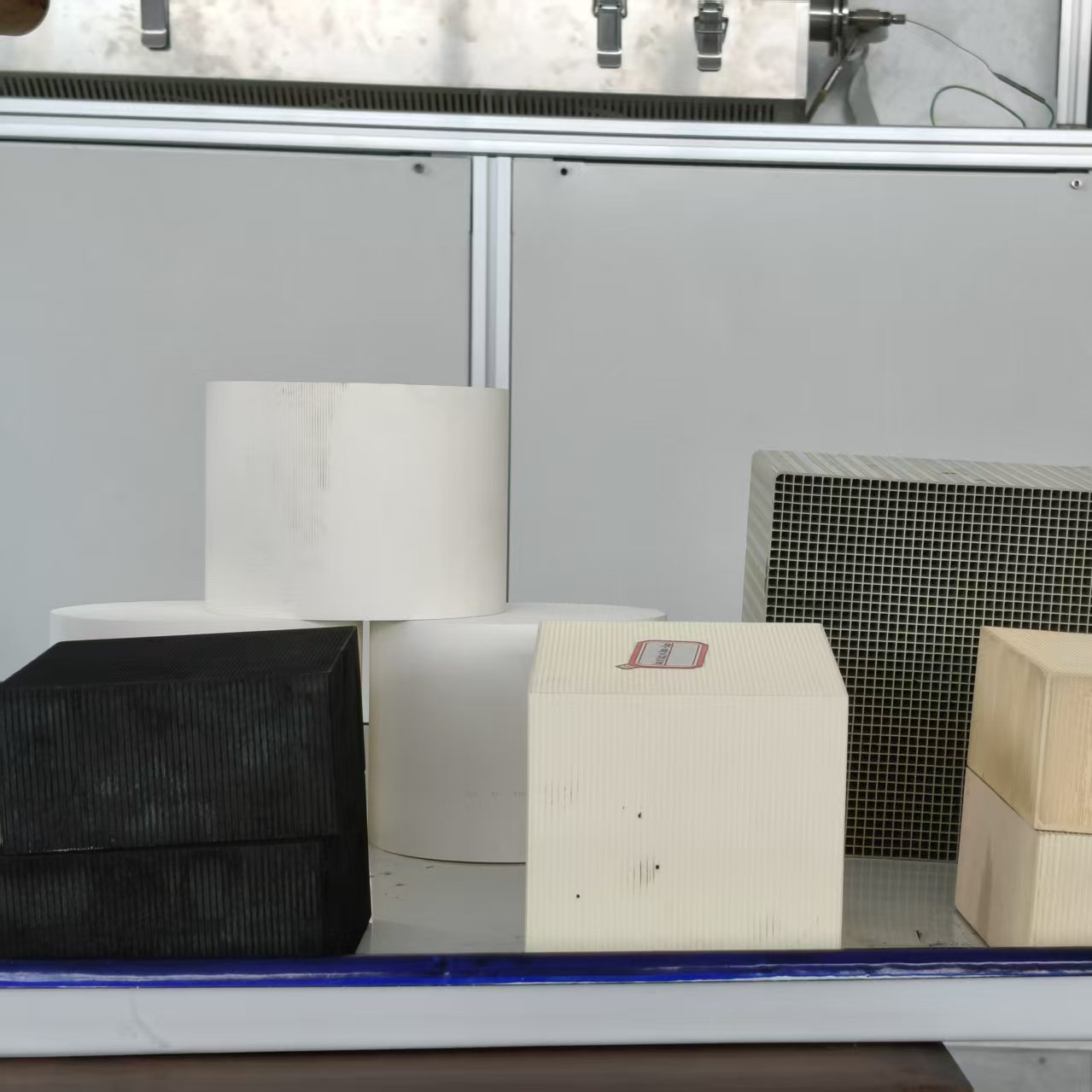

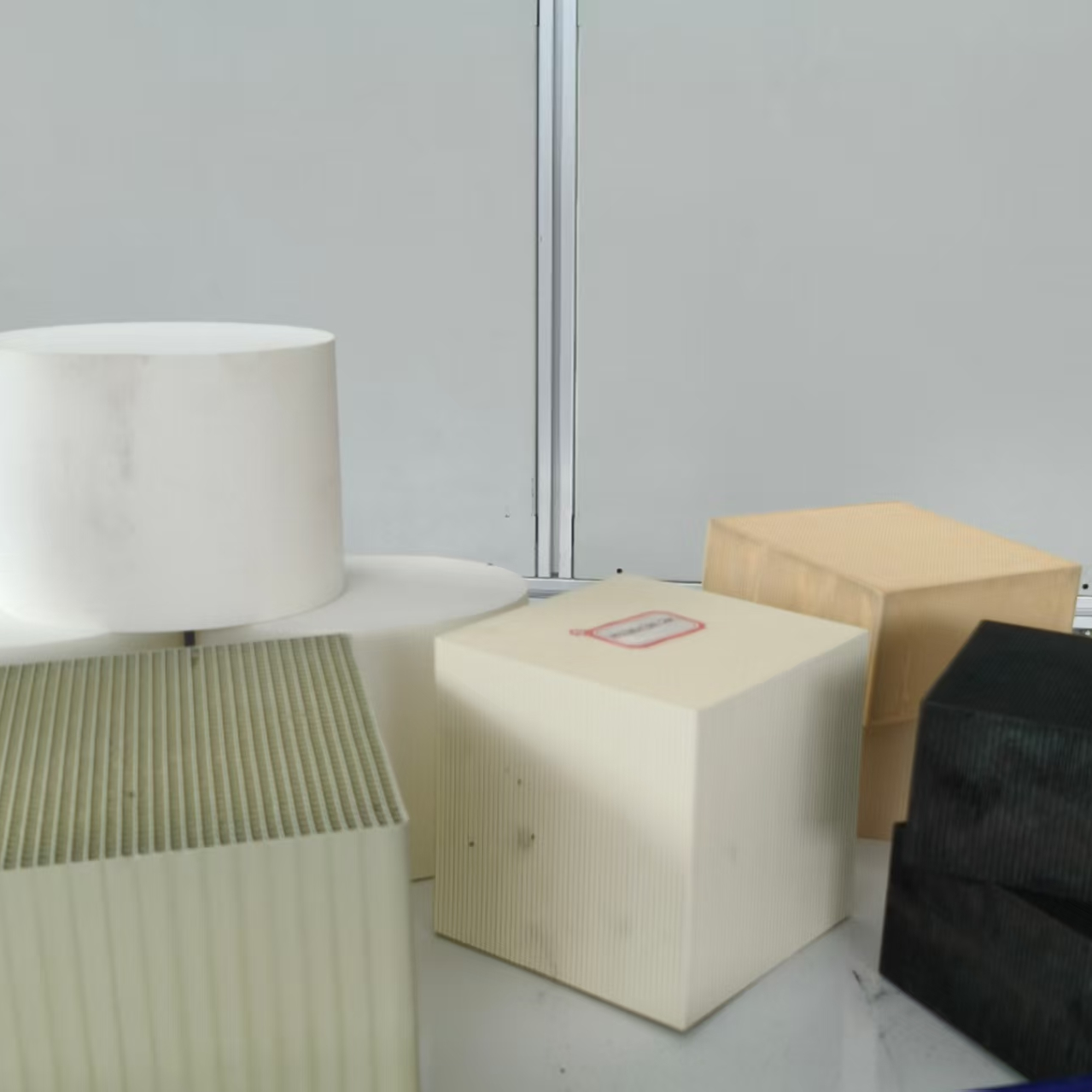


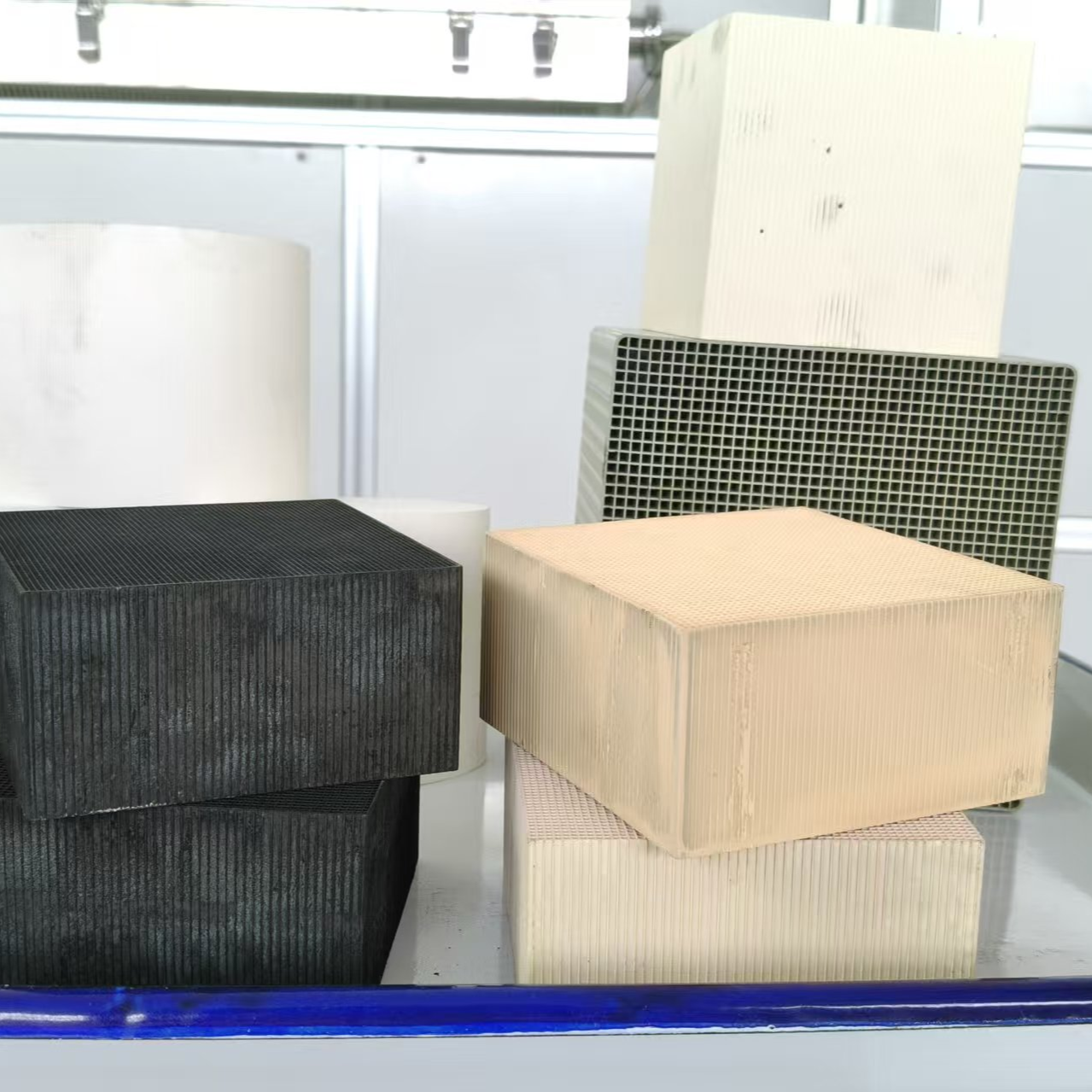







VOC (volatile organic compounds) catalysts are crucial materials for treating volatile organic emissions, primarily functioning by catalytically converting harmful VOCs into harmless carbon dioxide and water, while reducing the activation energy for the reaction to achieve high-efficiency purification at low temperatures. Below is a detailed introduction to VOC catalysts:
I. Working Principle
The VOC catalyst facilitates flameless combustion of organic waste gases at lower temperatures (typically below 350℃) by reducing the activation energy of the reaction, resulting in the formation of carbon dioxide and water. This process is a typical gas-solid phase catalytic reaction, where active oxygen participates in deep oxidation, with reactant molecules accumulating on the catalyst surface, significantly enhancing the reaction rate.
II. Core Performance Indicators
- Ignition Temperature: The temperature at which the catalyst becomes active, typically measured by the conversion rate of 99% in the lab, can be as low as 200°C for high-quality catalysts.
- Oxidation conversion efficiency: The oxidation conversion efficiency of high-efficiency catalysts must be ≥95% to ensure that the exhaust meets the emission standards.
- Pore density and compressive strength: The pore density is typically 200-400 cpsi, with compressive strength ≥8 MPa, to withstand mechanical stress in industrial environments.
- Space Velocity: The amount of gas processed per unit time and volume of catalyst (unit: m³/(m³ catalyst·h)), reflecting the treatment capacity of the catalyst. For example, a space velocity of 30,000 h⁻¹ indicates that one cubic meter of catalyst can process 30,000 cubic meters of waste gas per hour.