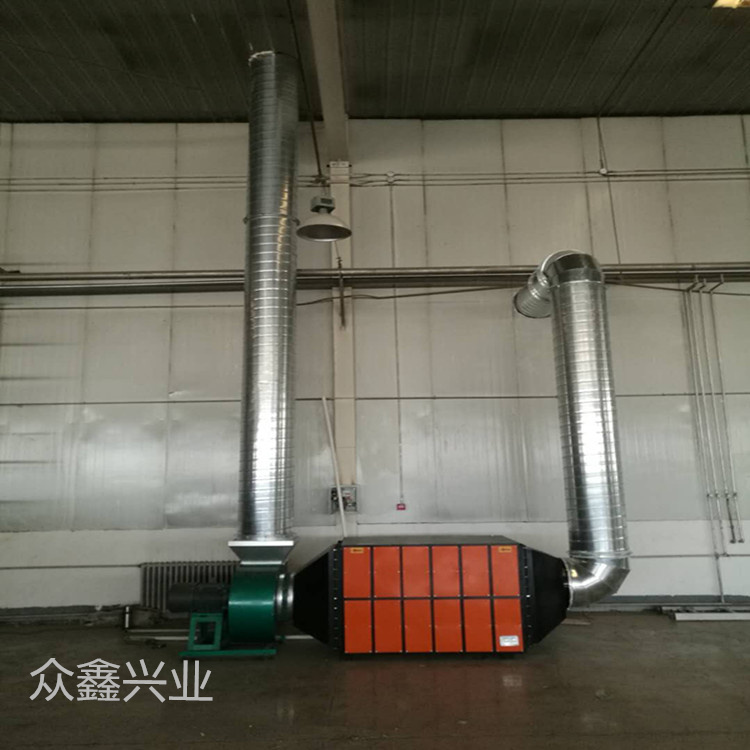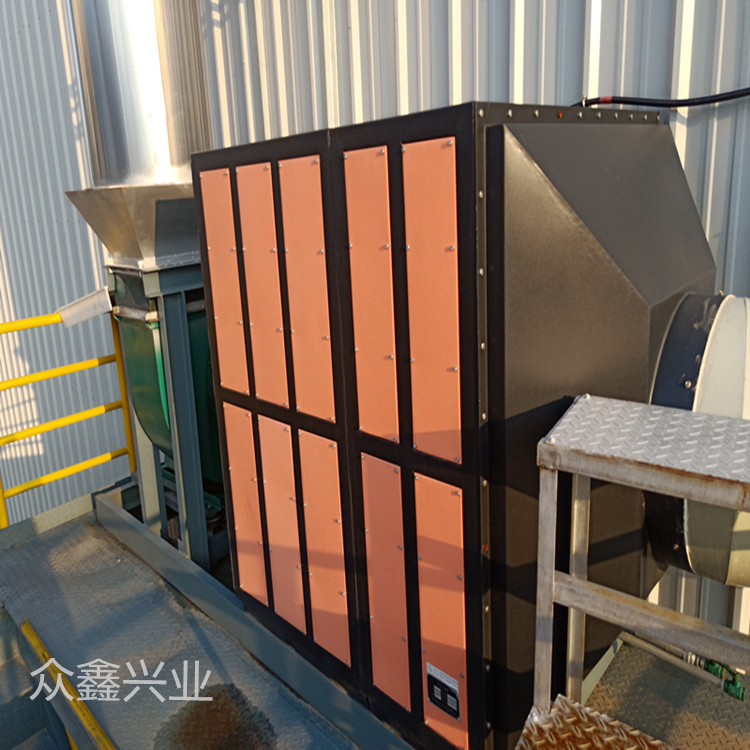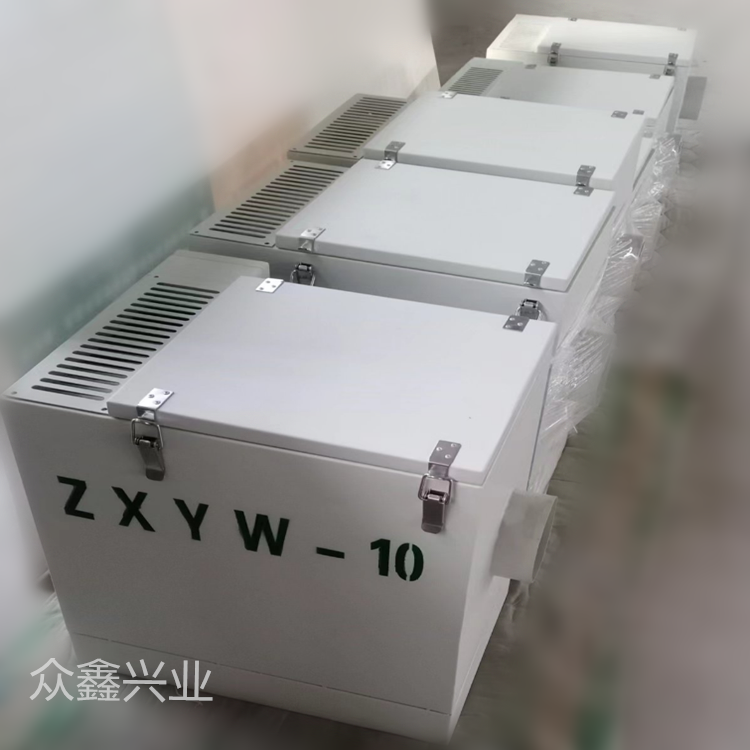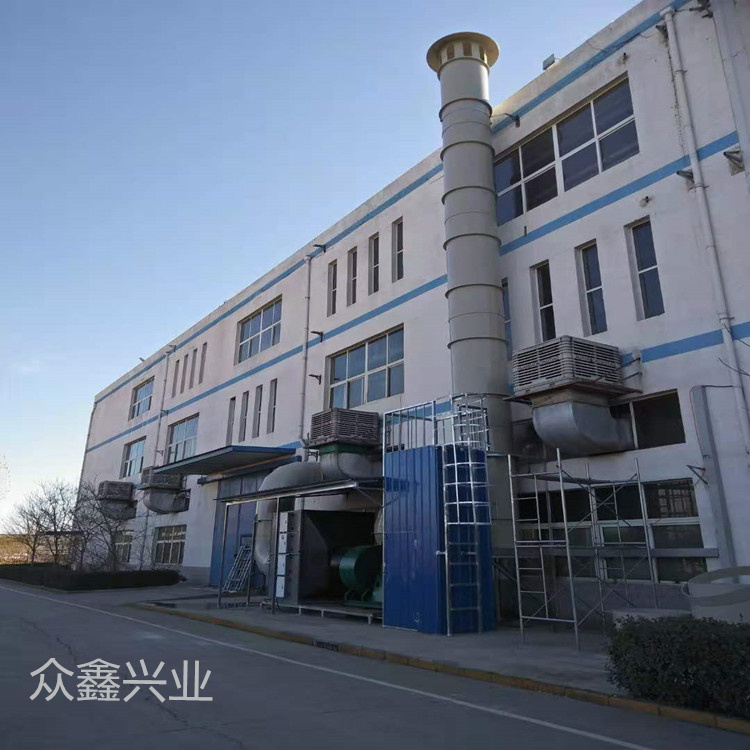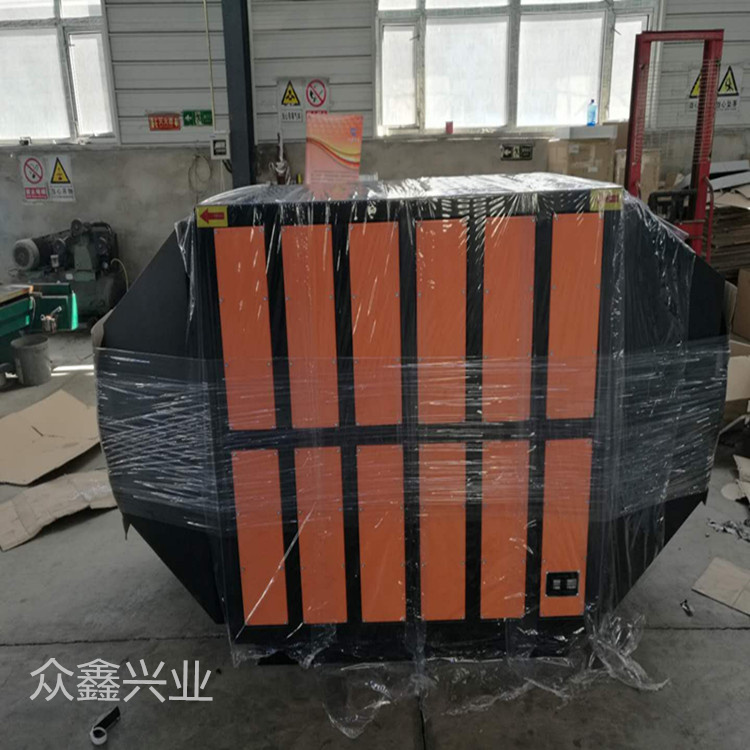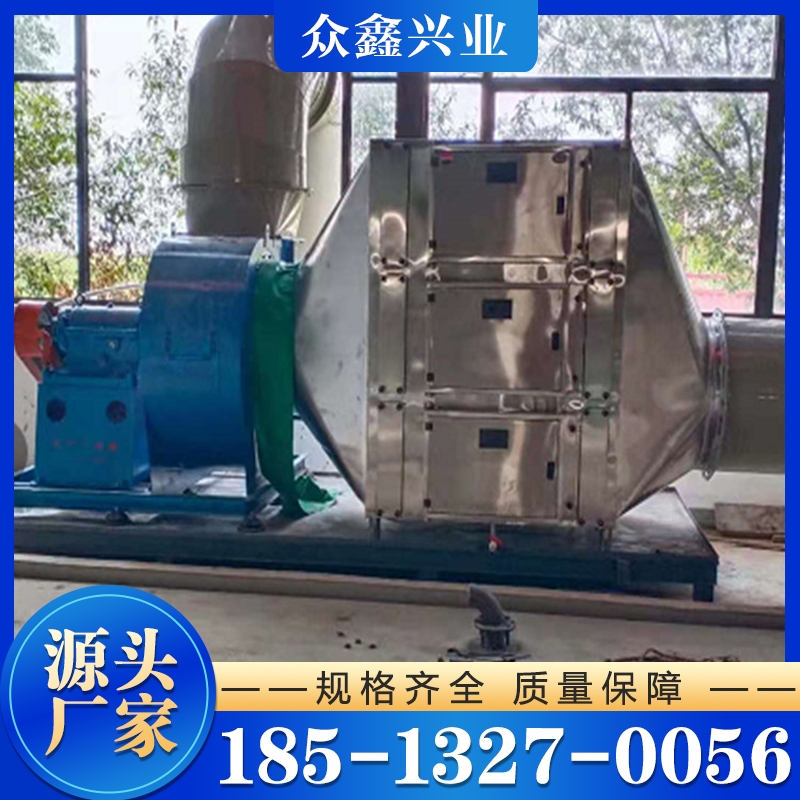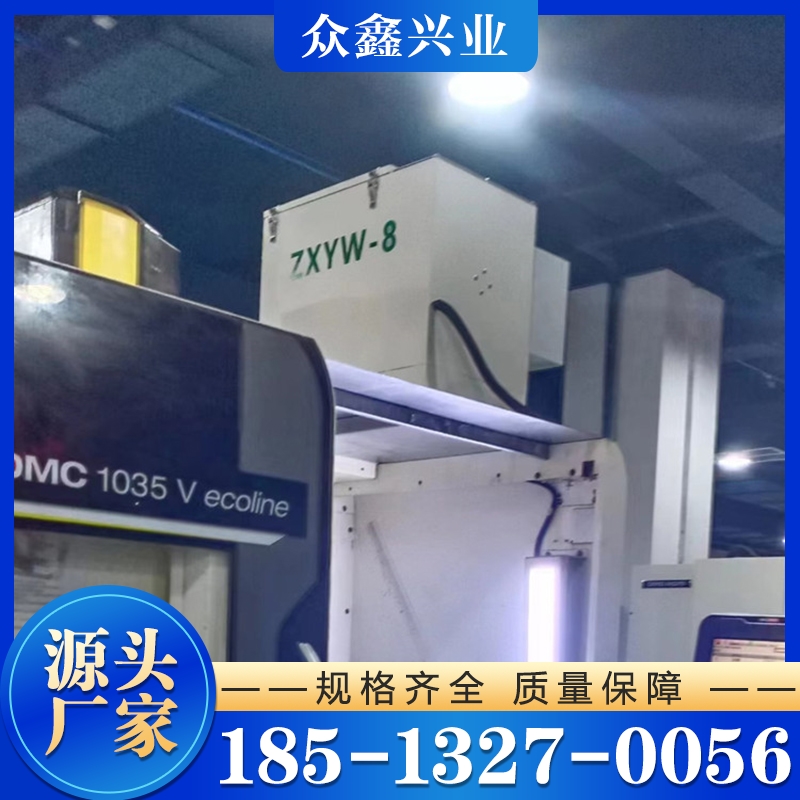

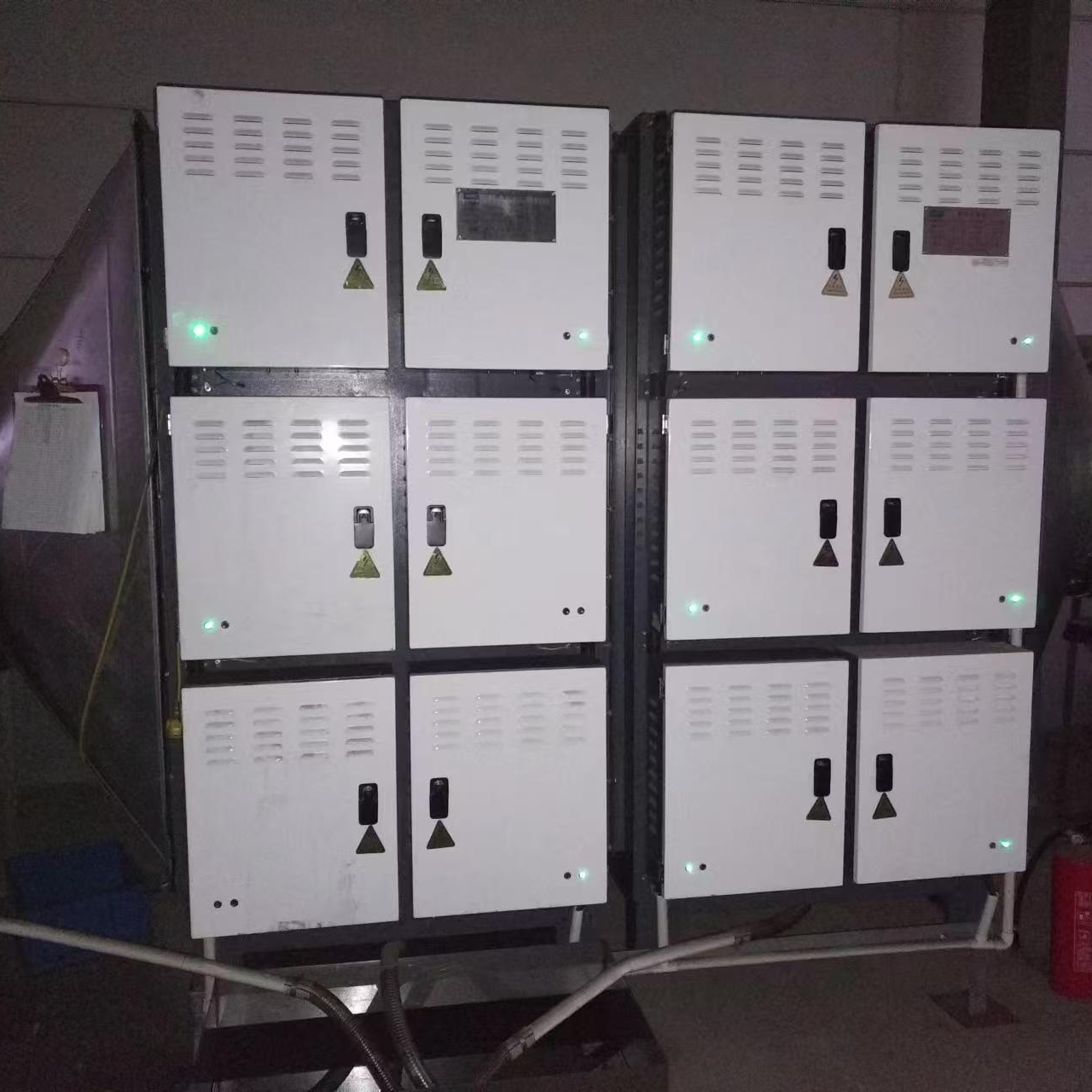

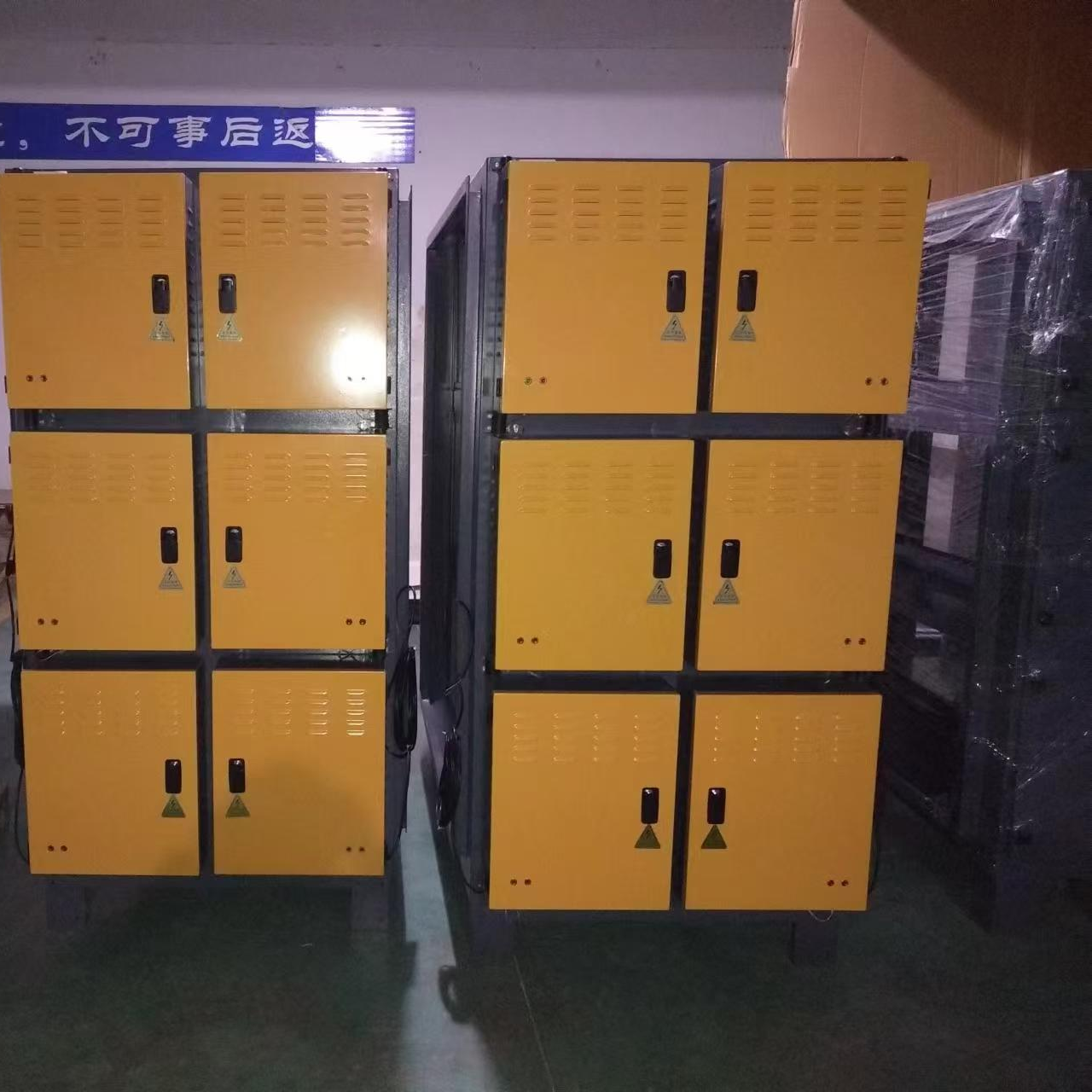


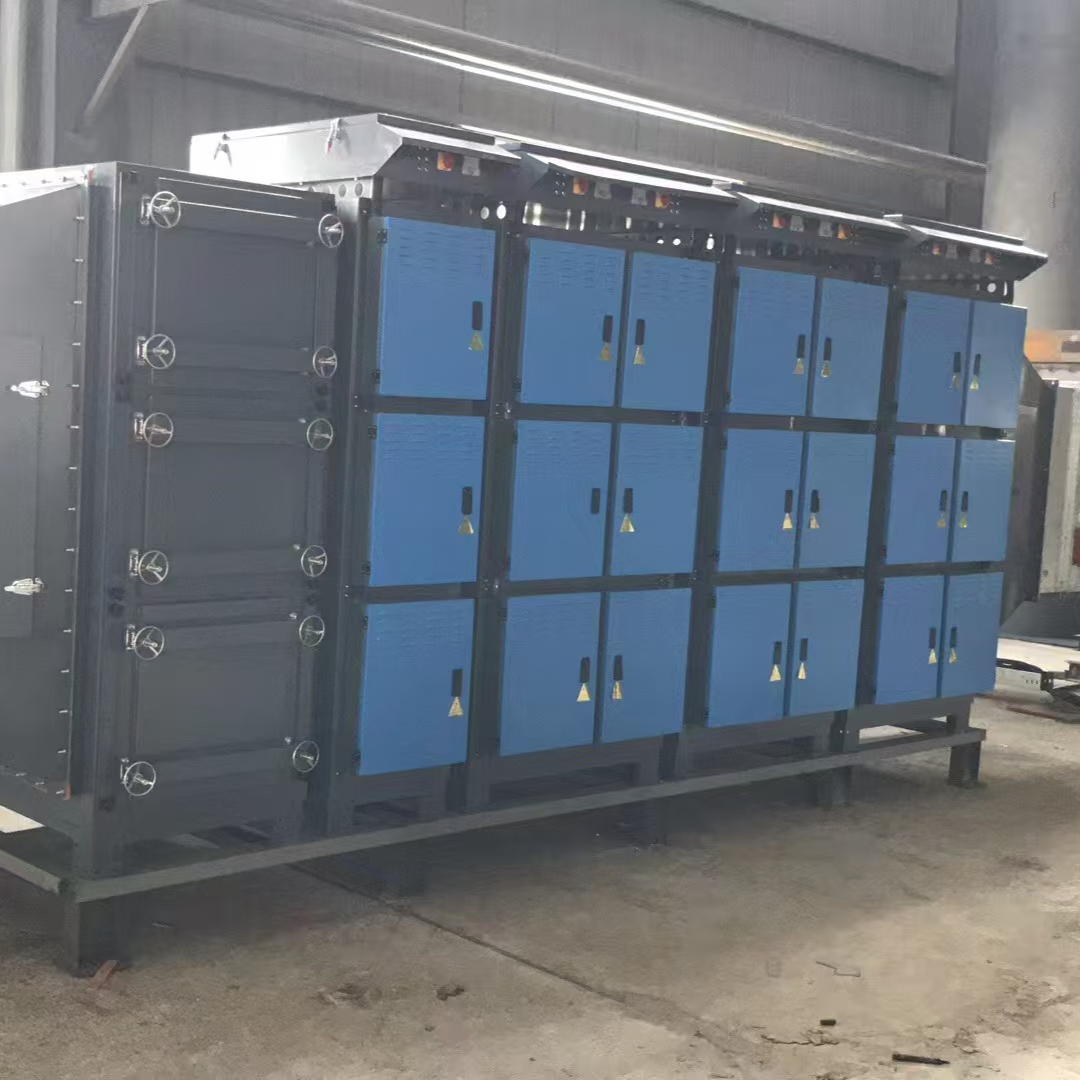
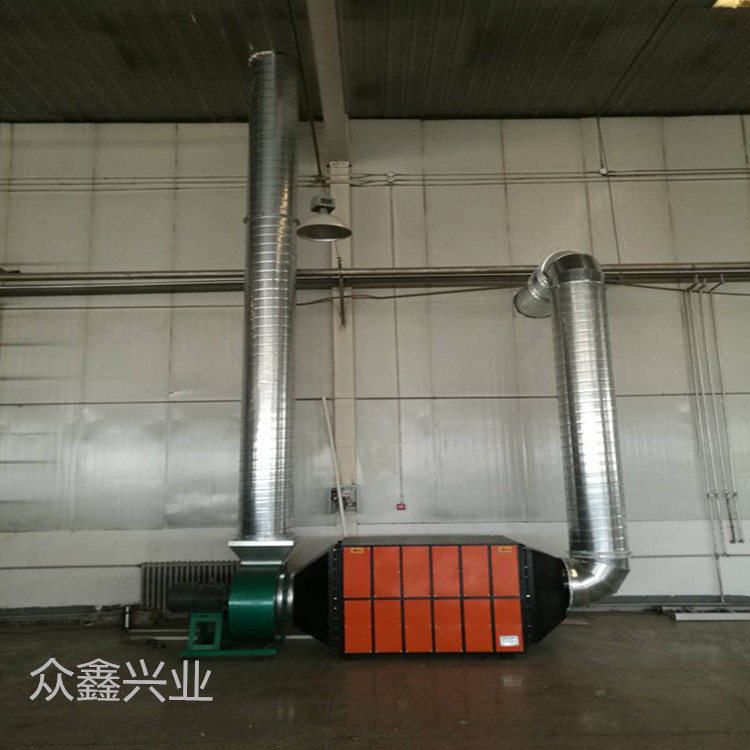
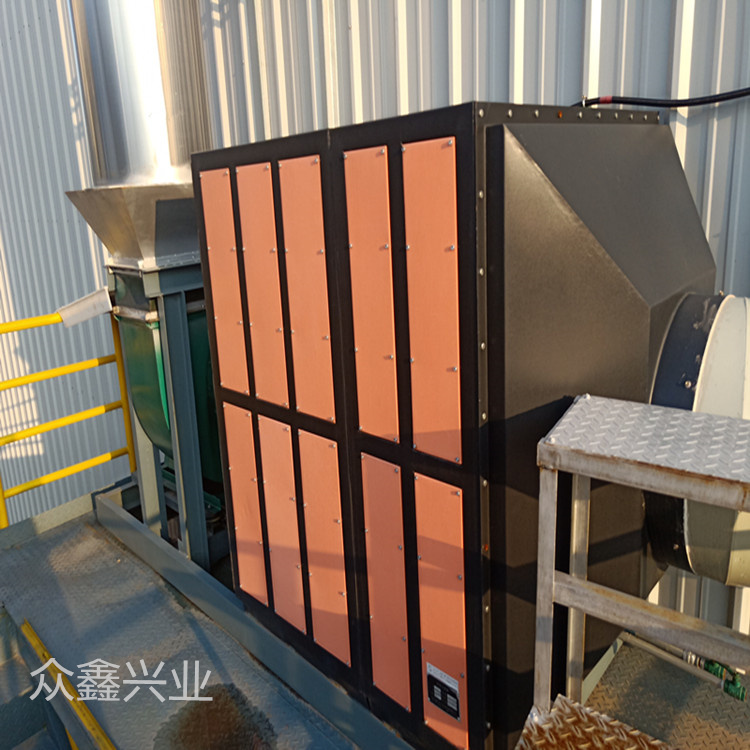









An oil mist collector is an environmentally friendly equipment specifically designed for industrial environments, primarily used to collect and process oil mists, smoke, and particulates generated in fields such as mechanical processing, metalworking, food processing, chemical industry, automotive manufacturing, electronics manufacturing, aerospace, pharmaceuticals, and printing. Its core function is to improve the working environment, protect worker health, extend the service life of equipment, and reduce environmental pollution.
I. Operating Principle
The working principle of the oil mist purifier is primarily based on physical filtration and electrostatic adsorption technology, with some equipment also incorporating modules such as centrifugal separation and activated carbon adsorption, forming a multi-stage purification system. The specific process is as follows:
- Pre-filtering stageThe air laden with oil mist first enters the pre-filter, where large oil droplets and dust are intercepted and collected in the oil trap.
- Charging StageFine oil mist particles enter the charged area, becoming charged through the high-voltage electric field.
- Dust Collection PhaseCharged particles move towards the electrode plate with the opposite polarity under the action of the electric field and adhere to the electrode plate.
- Post-processing stageExcess oil mist is further purified through a secondary filter or an activated carbon adsorption layer, with clean air then exhausted through a fan.
Some equipment is equipped with an automatic cleaning system, which regularly cleans the electrode plates and filters using an ultrasonic cleaner or specialized cleaning agents to ensure purification efficiency.
Section II: Technical Advantages
- High-Efficiency PurificationThe multi-stage filtration system can remove over 95% of oil mist particles, with some equipment achieving purification efficiency of up to 99%, significantly improving workshop air quality.
- Energy-saving and environmentally friendlyRecycled liquid oil mist can be reused, reducing coolant waste; a low-resistance design reduces fan energy consumption, lowering operating costs by 30%-50% compared to traditional equipment.
- Safe and reliableElectrical shock protection, overheat prevention, and mechanical hazard prevention designs ensure safe operation of the equipment; modular structure facilitates maintenance, reducing downtime.