










Product Description
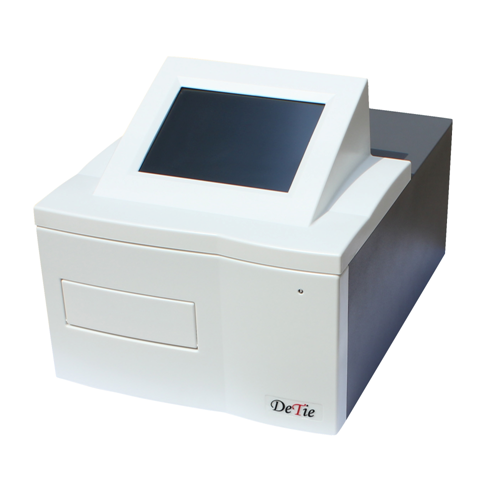
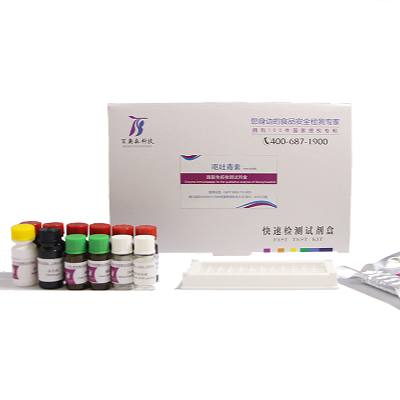
The HBS-3096A Veterinary Drug Residue Rapid Test Kit employs Enzyme-Linked Immunosorbent Assay (ELISA) technology and is compatible with 48T or 96T test kits for qualitative or quantitative testing. Veterinary drug residues refer to the accumulated or remaining original drugs or their metabolites in the bodies or products (such as eggs, dairy products, meat products, honey, etc.) of animals after administration, including impurities related to veterinary drugs. This encompasses residues of sulfonamides, nitro compounds, penicillins, aminoglycosides, tetracyclines, streptomycins, and some illegal additives like dimethylglycine, clenbuterol, racetam, salbutamol, malachite green, and shell (powder) etc.
Product Features
Industrial-grade color LCD display, touchscreen operation
Eight-channel Fiber Optic Measurement System, Imported Detector
Three linear vibration plate functions, adjustable speed and time
Wide voltage input design, suitable for global voltages
Unique open Cut-Off judgment formula, set as you set
End-point method, two-point method, dynamics, single/dual wavelength testing mode
Dedicated veterinary drug residue calculation methods, applicable to the detection of drug residues in poultry, livestock, eggs, meat products, dairy products, etc.
HBS-6096 full product line, compliant with Deutsche Bahn's three-year warranty service standard
Primary Technical Parameters
Light Source: Imported Halogen Lamps, Energy-Saving Design
Measurement Channels: Vertical 8 Optical Paths
Wavelength Range: 400 - 800nm
Filter Sheets: Standard set includes 4 standard filter sheets at 405, 450, 492, and 630nm wavelengths; other wavelengths available upon request, with a maximum capacity of 15 filter sheets.
Reading Range: 0.000 - 4.000 Abs
Linear Range: 0.000 - 3.000 Abs
Repeatability: CV ≤ 0.3%
Stability: ≤±0.003 Abs
Indication Error: ≤±0.01 Abs
Wavelength Error: ≤±2nm
Resolution: 0.001Abs (Display, Printing), Internal Calculation 0.0001Abs
Vibration Plate Features: 3 levels of vibration plate strength (from weak to strong) available, vibration time adjustable from 0 to 255 seconds, ±2-second error tolerance
8-inch color LCD display, touch screen input
Power Input: Wide Voltage Design AC100V-240V, 50-60Hz
Product Quality: Approximately 11 Kg
Dimensions: 433mm (L) x 320mm (W) x 308mm (H)
Note: No separate notice will be provided for changes in product specifications and parameters.
Common Applications of the Product
Hormone and Metabolite Detection (Veterinary Drug Residues)
Clenbuterol, commonly known as瘦肉精, is a β-agonist. Due to its ability to improve the meat-to-fat ratio in fatty animals and accelerate their growth, it is widely added to animal feed. Clenbuterol can remain in the animals' bodies. It has serious adverse effects on humans, ranging from irregular heartbeat and arrhythmia to potentially triggering heart disease.
2 Ractopamine is a β-agonist, a type of nutritional re-distributor. It is a class of benzene derivatives structurally and functionally similar to and norepinephrine, capable of accelerating the growth rate of livestock and poultry, reducing ketone body fat content, and increasing the lean meat ratio.
3 Estradiol is a steroidal anabolic used extensively to promote the growth of ruminants. However, due to its evident carcinogenicity, developed countries such as Europe and the United States have successively banned or strictly prohibited its use.
4 Norlevo "19-Nortestosterone" is a protein anabolic. It promotes protein synthesis, reduces protein degradation, stimulates bone marrow hematopoiesis, and accelerates bone growth. It may cause sexual dysfunction, liver and kidney damage, and even induce tumors with potential hazards.
4. Antibiotic Detection (Residue in Veterinary Drugs)
Chloramphenicol: Broad-spectrum antibiotic, generally not used for mild infections due to severe toxic side effects. Primarily used for typhoid, paratyphoid, and other Salmonella infections. Chloramphenicol can cause severe aplastic anemia (Varma, et al, 1986) and in some cases can lead to jaundice, even acute liver necrosis in those with pre-existing liver conditions. Many countries have banned the use of chloramphenicol in animal disease prevention and treatment, especially in food animals.
Streptomycin: Extracted from the culture broth of *Streptomyces griseus*. It is an aminoglycoside alkaloid that binds to the ribosomal proteins of the Mycobacterium tuberculosis cell body, interfering with the synthesis of tuberculosis proteins, thereby killing or inhibiting the growth of Mycobacterium tuberculosis.
Penicillin: A type of **penicillin**, it refers to a class of antibiotics that contain penicillinane, extracted from the culture broth of Penicillium, capable of destroying the cell wall of bacteria and exerting bactericidal effects during the reproductive period of bacterial cells. It is the first antibiotic able to treat **human diseases**. Additionally, there are: tetracycline, gentamicin, **nicomycin**, etc.
8 Sulfonamide (3-in-1, 5-in-1): Effective against infections such as hemolytic streptococcus, meningococcus, pneumococcus, etc., with long-lasting efficacy. Used as a feed additive to prevent and treat infections caused by staphylococcus and hemolytic streptococcus, primarily including avian cholera, avian typhoid, and coccidiosis in chickens.
9-nitro compounds are a broad-spectrum antibiotic, widely used in poultry, livestock, and aquaculture due to their low cost and effectiveness. However, due to the carcinogenic and teratogenic side effects of 9-nitro compounds and their metabolites on humans, the EU has banned the use of 9-nitro compounds in food for poultry, livestock, and aquatic animals since 1995, and strictly enforces residual nitro compound testing in aquatic products.
Malachite green is a metallic-shiny green crystalline substance that serves both as a fungicide and a dye. For a long time, fishermen have used it to prevent diseases such as water mold, gill rot, and ich in fish. Additionally, it is often used during transportation and storage to prolong the life of fish with damaged scales. Studies show that malachite green can remain in fish for too long, and it possesses high toxicity, high residue, and carcinogenic, teratogenic, and mutagenic side effects.
Sudan Red pigment: A commonly used chemical agent. As an edible coloring agent, it only slowly affects the health of consumers, does not cause illness quickly, and has strong concealment. However, long-term consumption of food containing Sudan Red may cause significant harm to the consumer's body, potentially altering the liver DNA structure and leading to liver diseases.
Enrofloxacin is a quinolone class antibiotic, known for its broad spectrum of antimicrobial activity, high efficacy, low toxicity, and strong tissue penetration. It has become one of the important anti-infection drugs in veterinary clinical practice and aquaculture, widely used for **prevention, treatment, and growth promotion. However, due to its resistance and potential carcinogenicity, the EU, Japan, and China have all established maximum residue limits in tissues at 1005.













