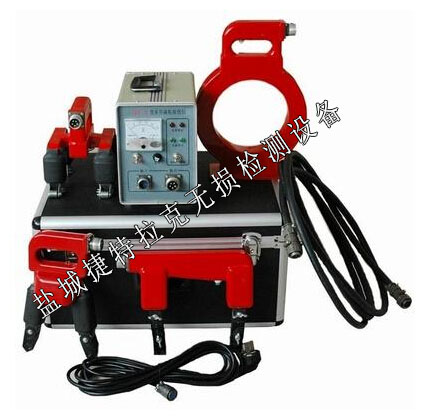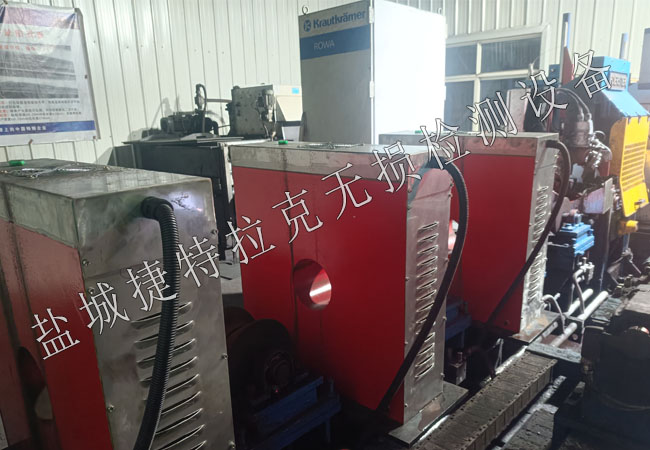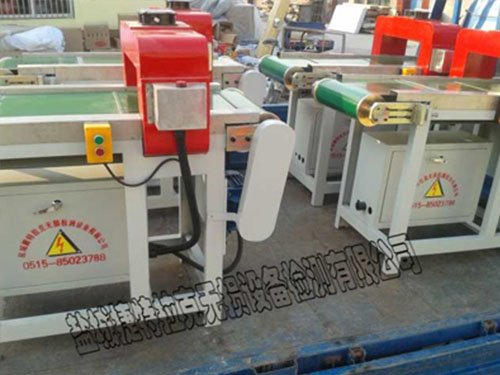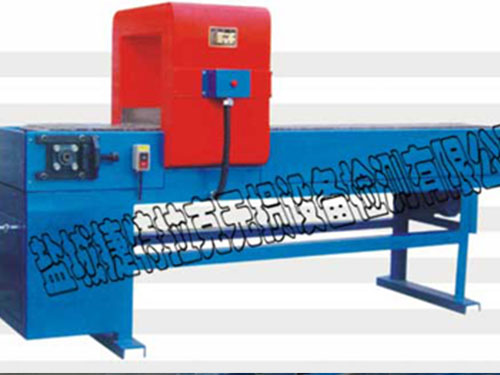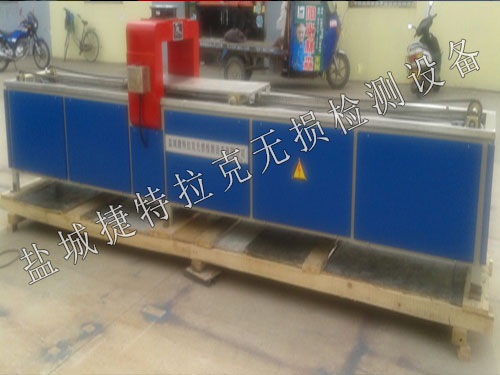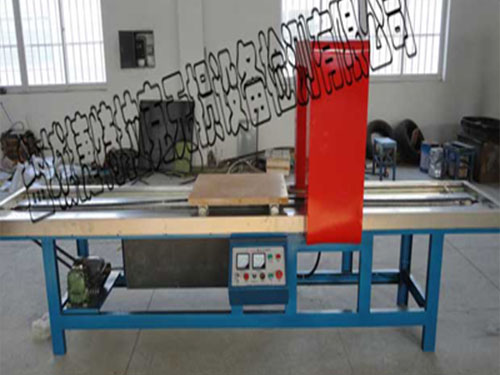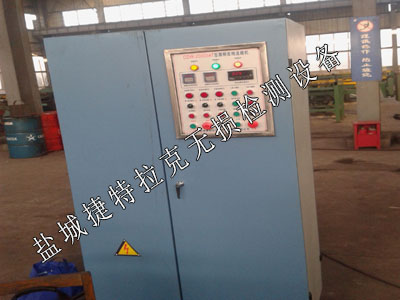

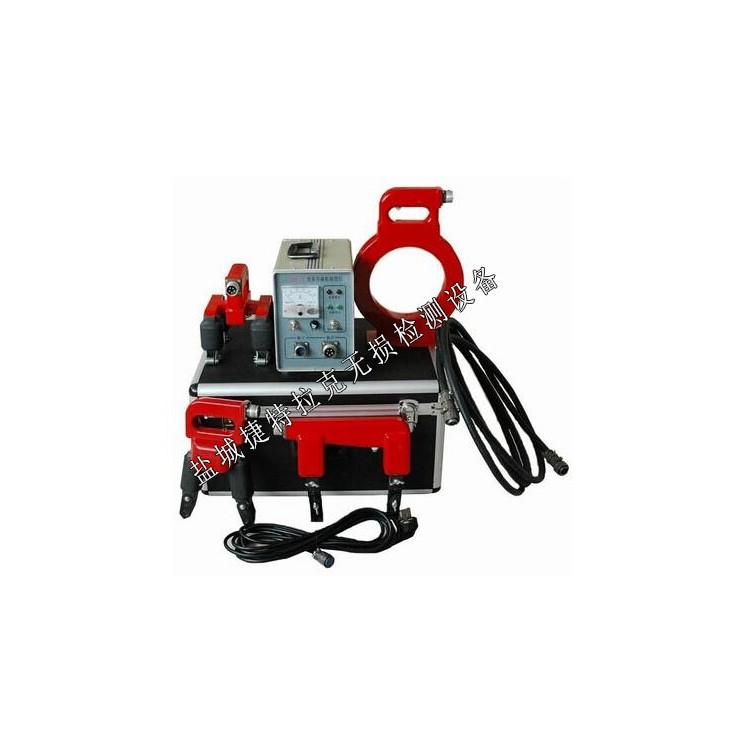

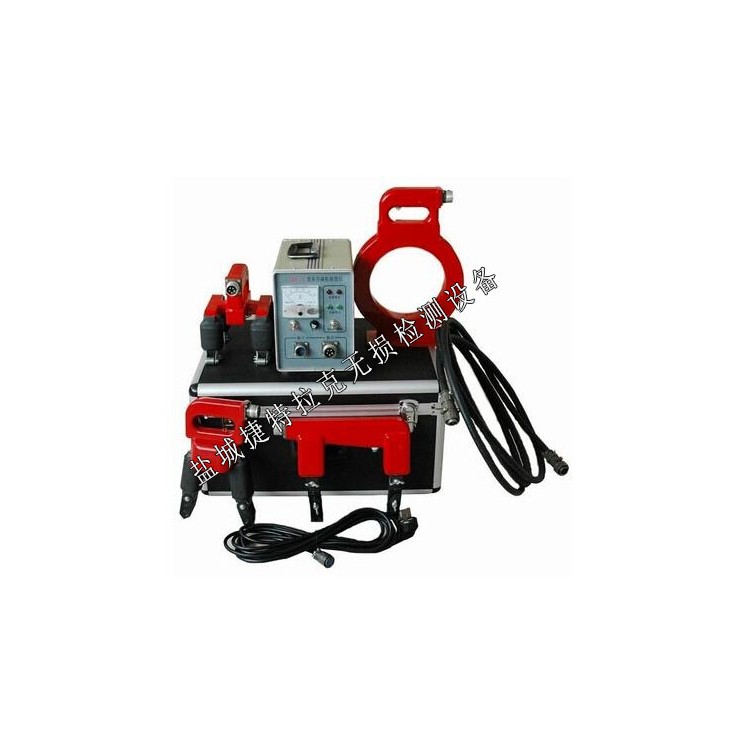







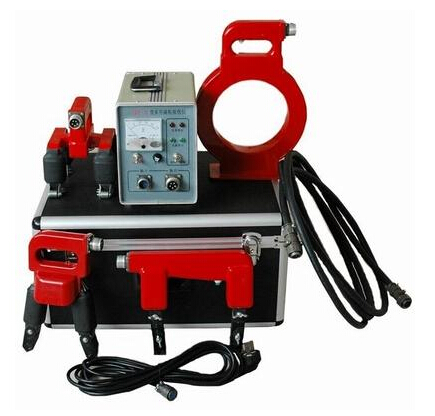
The CDX series multi-functional magnetic powder flaw detector, in addition to all the advantages of portable models, also boasts certain advantages of mobile models. The instrument panel features two output jacks at the bottom, which can separately supply AC current required for E-type, A-type, D-type probes, and O-type ring probe coils. Direct current output is only applicable for DC magnetization of workpieces using A-type and D-type magnet yoke probes. Optional E, D, O, and A probes are available. When conducting DC detection, please switch the E/D selector switch to the D position. At this point, the DC output aviation plug can connect to A or D type probes; for AC detection, please switch the E/D selector switch to the E position. The AC output aviation plug can connect to any of the E, D, O, or A type probes.
1. E-Type Probe (i.e., Rotational Magnetic Field Probe)
2. D-Type Probe (i.e., Electromagnetic Yoke Probe)
It features joints for both AC and DC flaw detection on flat and curved workpieces.
3. Type A Transducer (also known as horseshoe transducer)
It can perform AC and DC local flaw detection on various corner welds and internal/external angles of large workpieces.
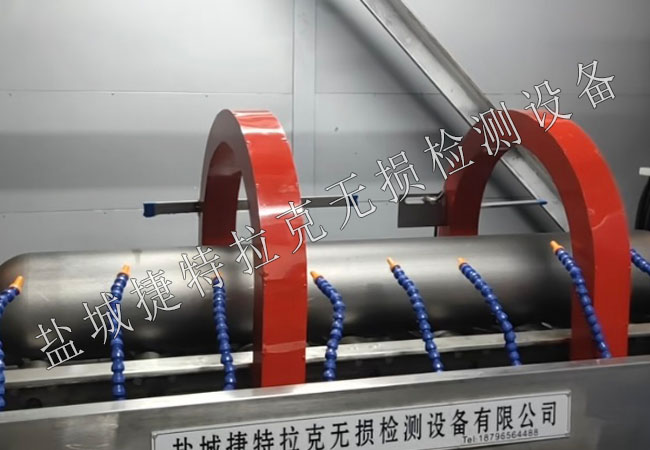
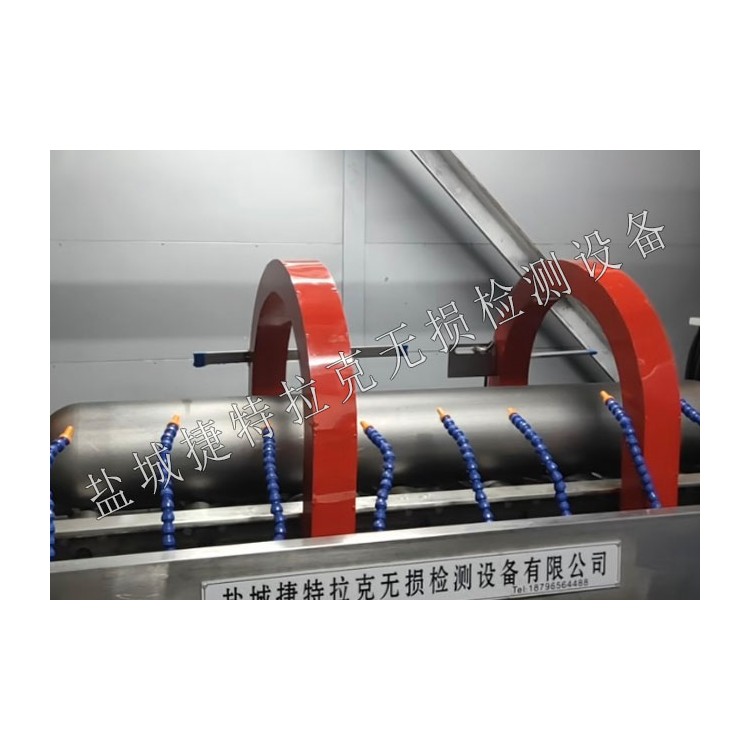
4. O-Type probe (i.e., circular coil)
The O-type probe features an internal magnetic field strength of up to 180 Oersteds, meeting the circumferential crack detection requirements for all workpieces that can fit within the coil. It is extremely convenient to use it for detecting fatigue cracks in workpieces (all fatigue cracks are perpendicular to the axial direction). Additionally, it can be used for remote demagnetization of workpieces, making it possible to non-destructively demagnetize tools and gauges that have been accidentally magnetized in the factory.
This unit employs a silicon-controlled rectifier triggering circuit, with electronic components rigorously selected and the entire machine aged treated for stability and reliability, resulting in a low failure rate. The instrument outputs a safe voltage, making it particularly suitable for environments where high-voltage equipment inspection is not permitted.