








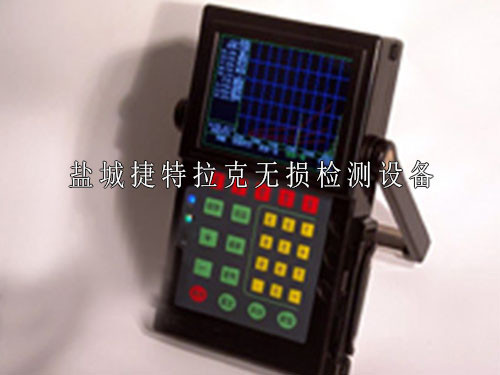
Product Description
Feature Brief:
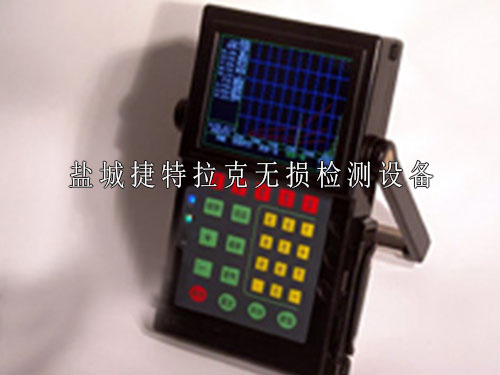
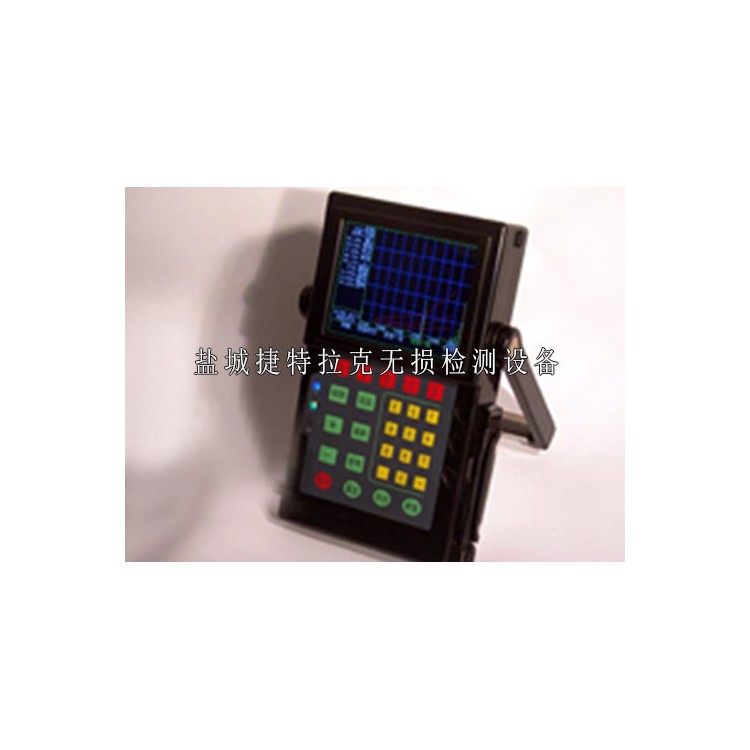
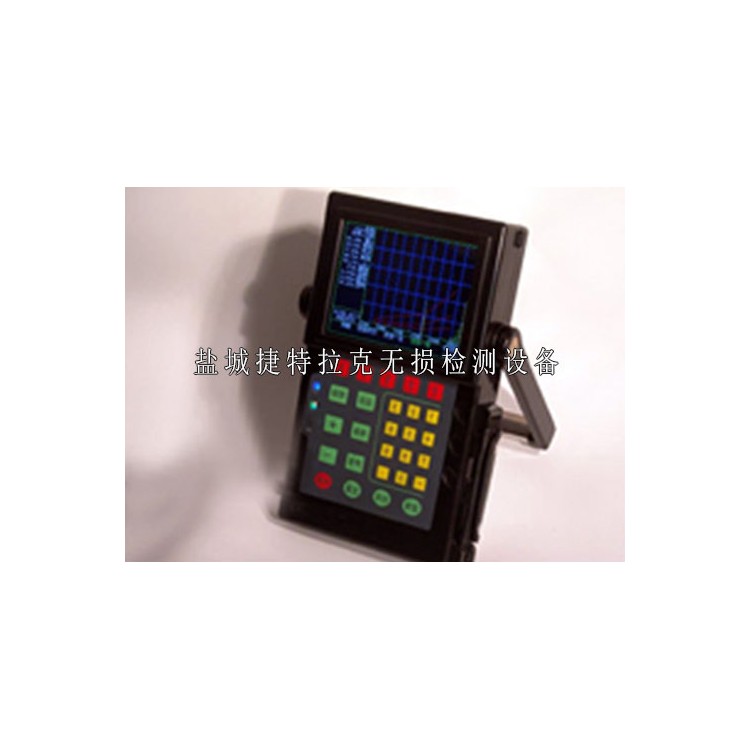
1. Full Chinese touch keyboard, intuitive and easy to remember; the operation process includes full Chinese prompts and graphical displays, requiring only simple training to master proficiently.
2. Automatic performance determination of instruments and probes, automated instrument calibration, capable of measuring thickness and material sound velocity.
3. Ten independent flaw detection channels (electronic switching).
4. Customized flaw detection processes can be generated based on actual workpieces (such as welds, forgings, castings, pipes, plates, shafts, wheels, small diameter pipes, etc.), eliminating the need for test blocks during on-site flaw detection.
5. DAC, AVG, and Decibel DAC curves automatically generated; sampling points are unrestricted, allowing for compensation and corrections. Curves float automatically with gain and expand with distance.
6. Defect echoes (horizontal, vertical, distance, dB equivalent values) are displayed in real-time, along with weld profile visualization.
7. Input gate, loss gate, DAC sound alarm; door position, width, and height adjustable as desired.
8. Peak memory and enveloping function make it easier to find the highest waveform.
9. Storage of 500 sets of flaw detection data instruments.
10. Featuring a new-style, low-glare 5.5" EL flat panel display (color TFT display), it boasts strong anti-EMI interference, high contrast, and high resolution.
11. Low-voltage sound alarm, automatic shutdown protection.
12. Lightweight (with battery, only 1.6 Kg), compact (外形尺寸 260)140x55, easy to use and carry.
13. Utilizes imported nickel-hydride batteries with automatic charging protection (18VDC, 220VAC), capable of continuous operation for over 5 hours.
14. Operates normally in environments from -20℃ to 50℃.
Technical Specifications:
Gain Range: 110dB, Frequency Bandwidth: 0.4~20.0MHz, Detection Range: 0.3~6000.0mm, Sensitivity Margin: >56dB
Resolution > 40dB Dynamic Range > 30dB Horizontal Linearity < 0.5% Vertical Linearity < 3% Noise Level < 10%
Product Specifications: ZN4600 Ultrasonic Flaw Detector Model
Product Advantages: Brief Function Description:
1. Full Chinese touch keyboard, intuitive and easy to remember; the operation process features full Chinese prompts and graphical displays, allowing mastery with minimal training.
2. Automatic performance measurement of instruments and probes, automated instrument calibration, capable of measuring thickness and material sound velocity.
3. Ten independent flaw detection channels (electronically switched).
4. Customized flaw detection processes can be generated based on actual workpieces (such as welds, forgings, castings, pipes, plates, shafts, wheels, small-diameter pipes, etc.), eliminating the need to carry test blocks for on-site flaw detection.
5. DAC, AVG, Decibel DAC curves automatically generated; sampling points are unrestricted; capable of compensation and correction. Curves float automatically with gain and expand with the sound path.
6. Defect echo (horizontal, vertical, distance, dB equivalent values) displayed in real-time, weld section view available.
7. Entry gate, loss gate, and DAC sound alarms; door position, width, and height adjustable as desired.
8. Peak memory and enveloping functions make it easier to find the highest waveforms.
9. Storage of 500 ultrasonic flaw detection data instruments
10. Equipped with a new-style low-glare 5.5" EL flat panel display (color TFT display), strong anti-electromagnetic interference, high contrast, and high resolution.
11. Low-voltage sound alarm, automatic shutdown protection.
12. Lightweight (only 1.6Kg with battery), compact (外形尺寸 260)140x55, easy to use and carry.
13. Utilizing imported nickel-hydride batteries, featuring automatic protection charging (18VDC, 220VAC), it can operate continuously for over 5 hours.
14. Operates normally in temperatures ranging from -20°C to 50°C.
Technical Specifications:
Gain Range 110dB, Bandwidth 0.4~20.0MHz, Detection Range 0.3~6000.0mm, Sensitivity Margin >56dB
Resolution > 40dB Dynamic Range > 30dB Horizontal Linearity < 0.5% Vertical Linearity < 3% Noise Level < 10%