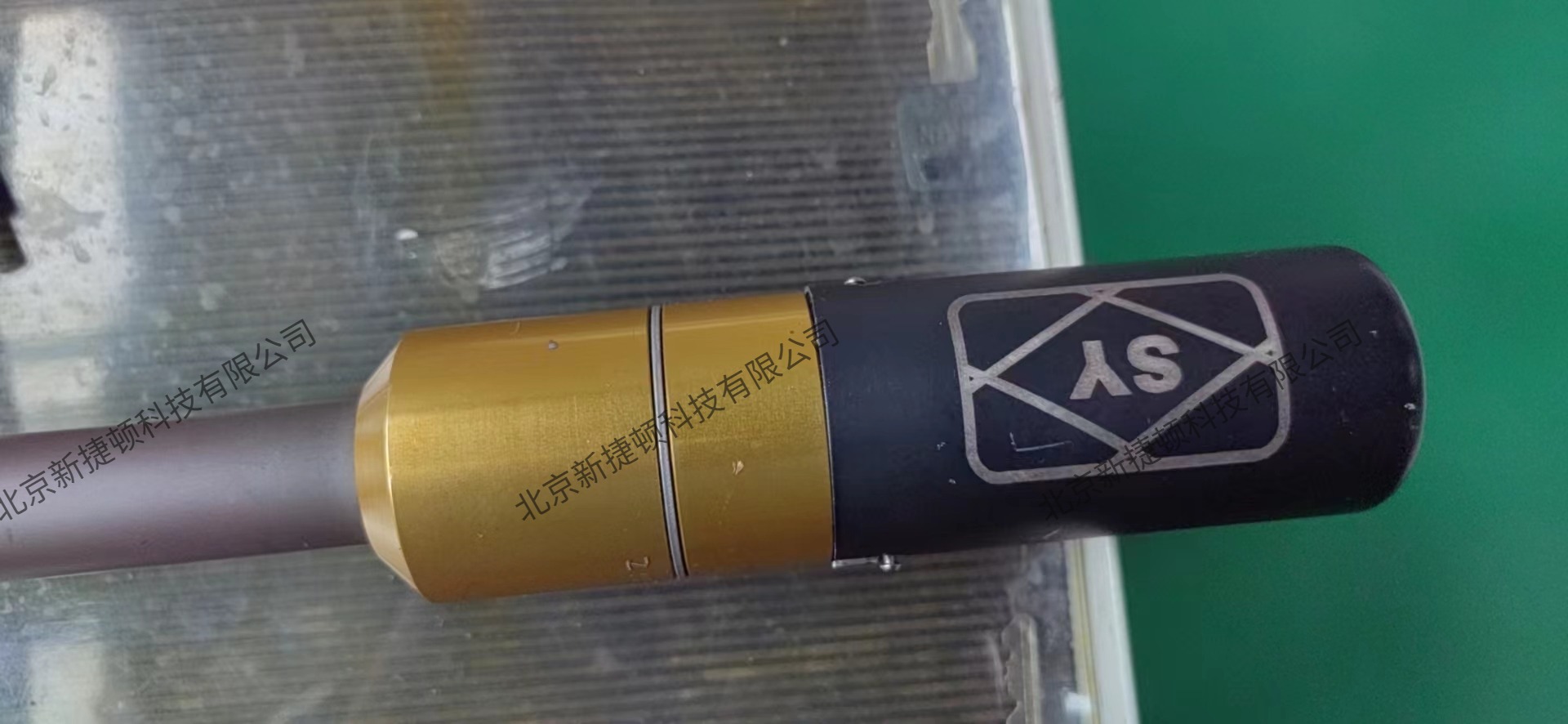


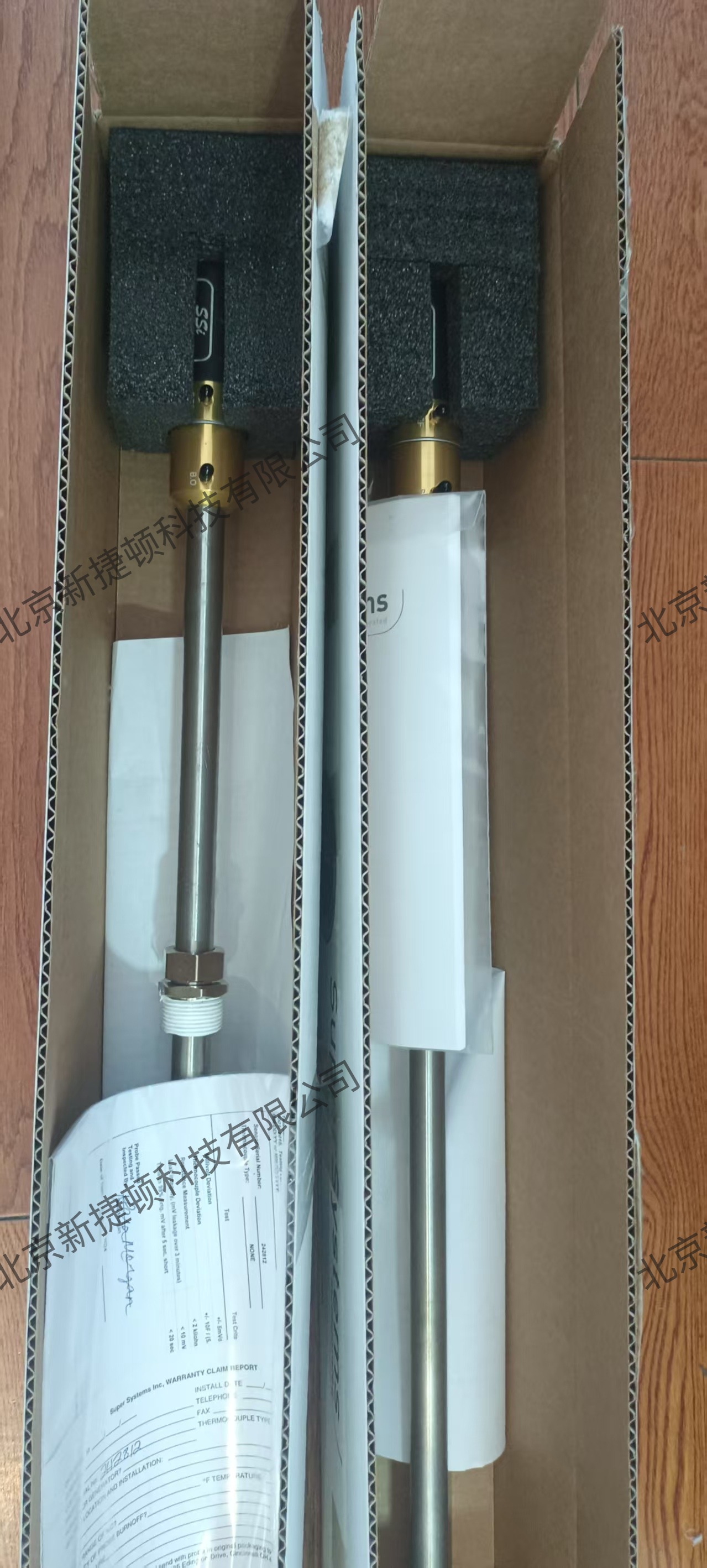


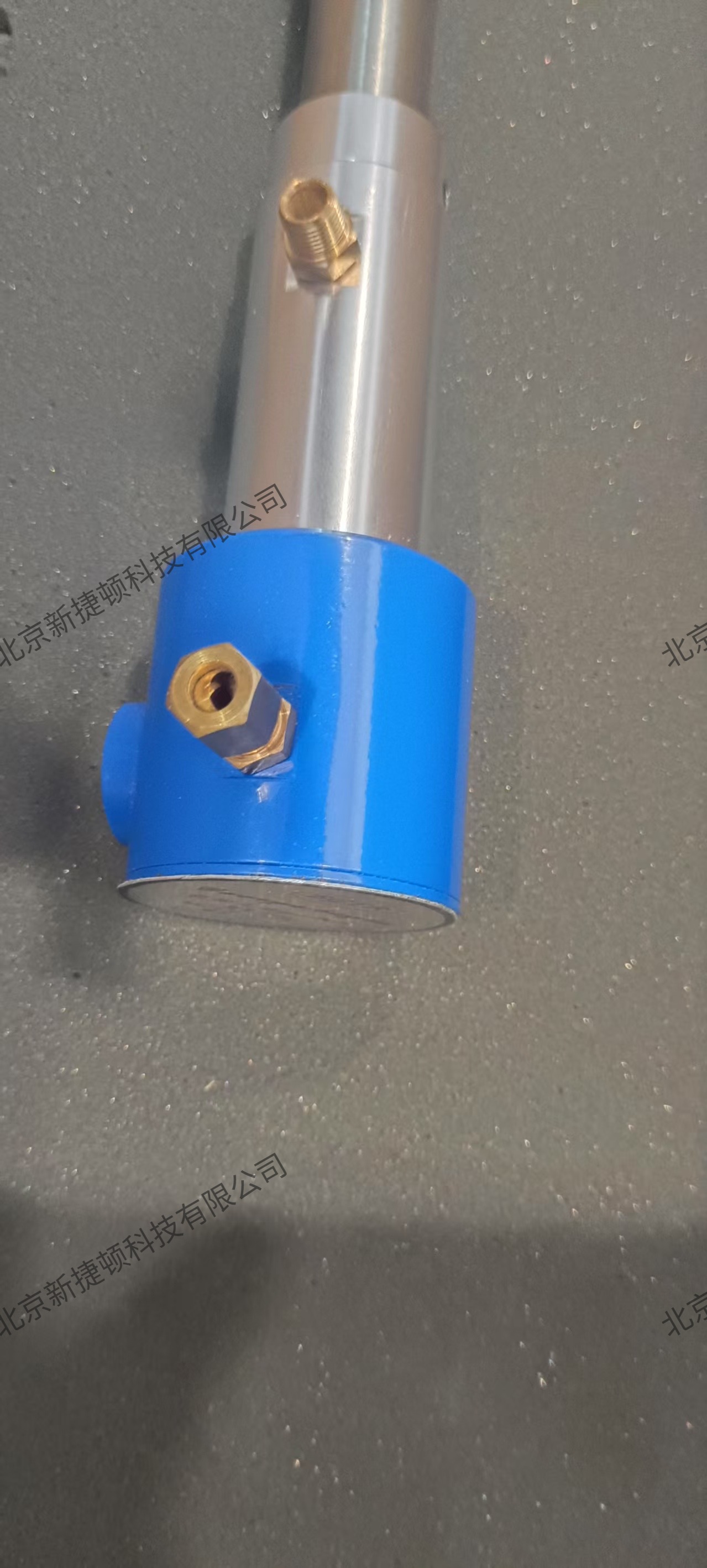



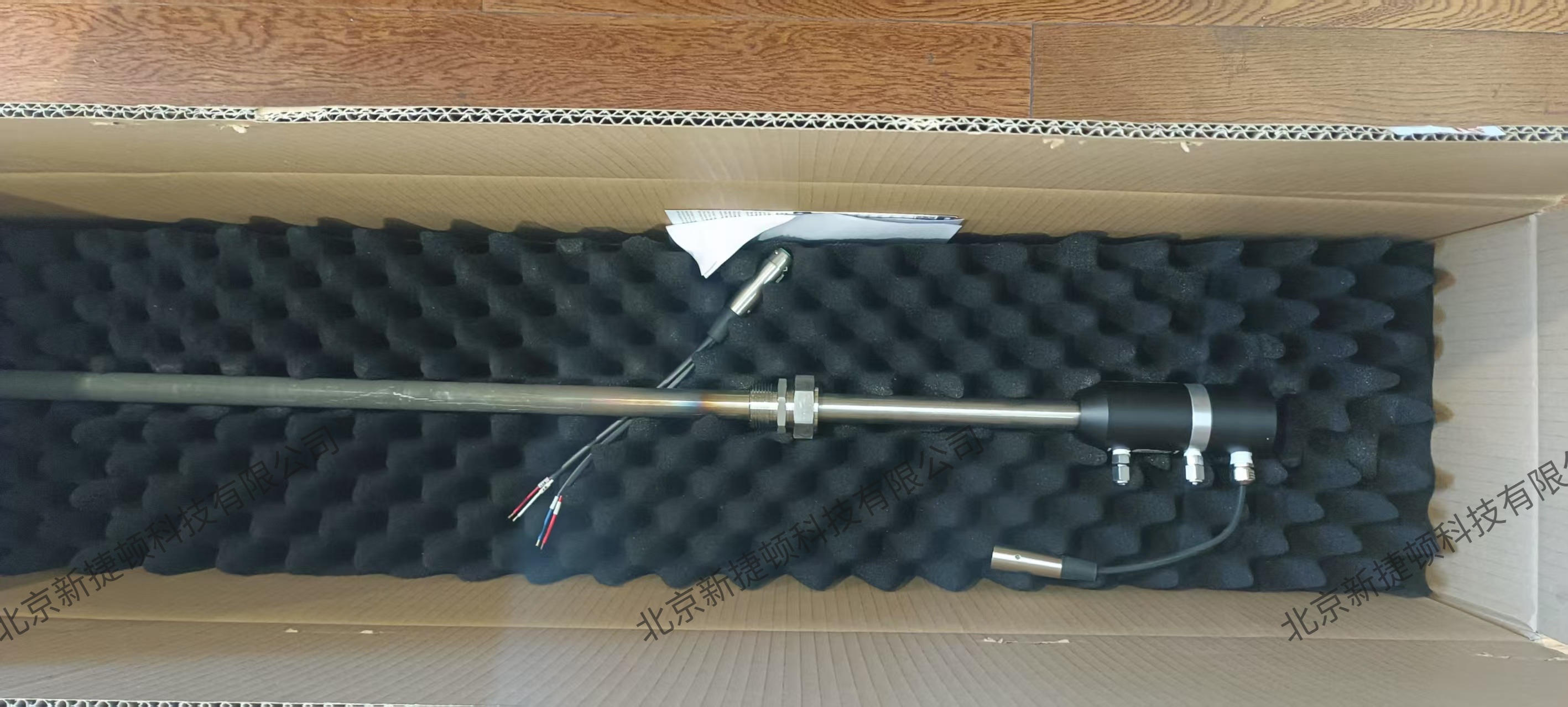





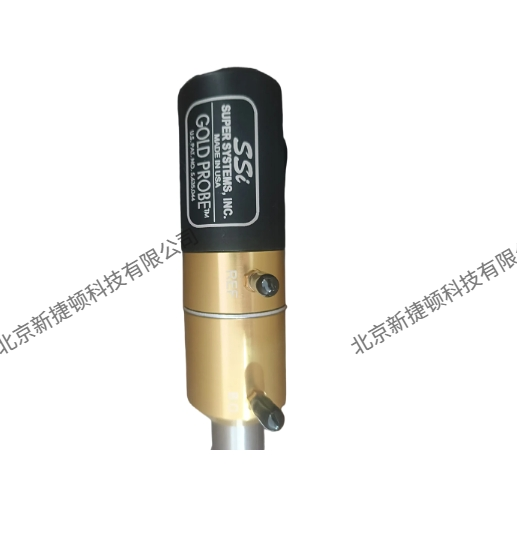
Operating Principle and Technical Features
The SSI oxygen probe utilizes zirconia (ZrO2) as the solid electrolyte, with an operating temperature typically ranging from 700℃ to 1100℃. Once the temperature exceeds 650℃, zirconia becomes a solid electrolyte battery. When the oxygen partial pressures on the inside and outside are different, a concentration difference potential (E) is generated on the inner and outer electrodes. This potential is directly proportional to the oxygen partial pressure difference, thereby enabling the measurement of oxygen concentration.
The SSI oxygen probe plays a crucial role in various industrial fields, particularly in heat treatment processes.
Carbonitriding: Used to control the carbon potential in the carbonitriding atmosphere, ensuring the surface carbon content of the metal material meets the process requirements.
Annealing and Normalizing: Monitor the oxygen concentration inside the furnace to prevent oxidation or decarburization, enhancing the material's mechanical properties.
· Daily Motto: Love turns moments into magic that lingers in our memories.