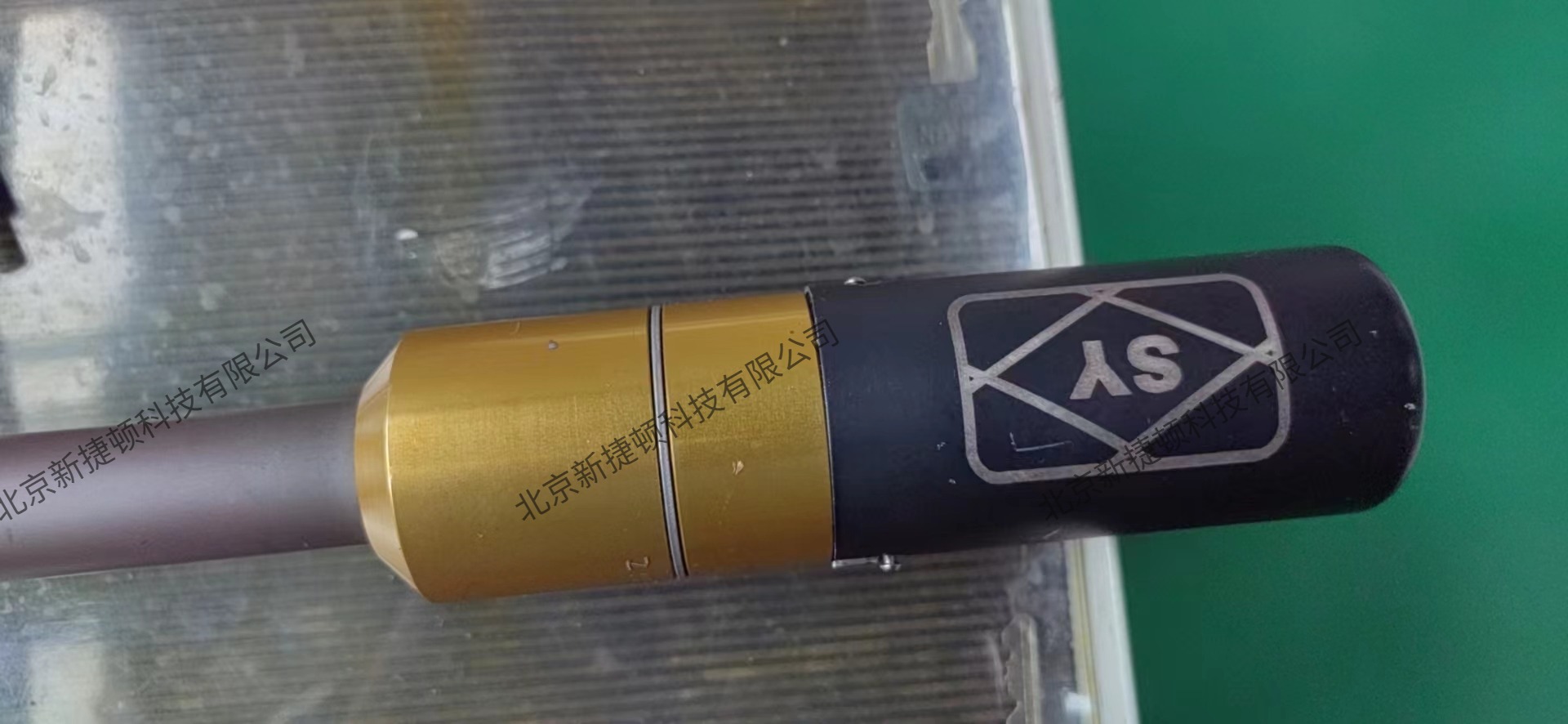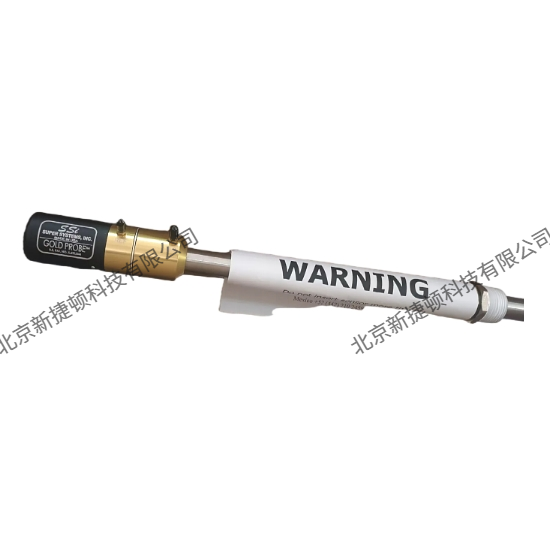

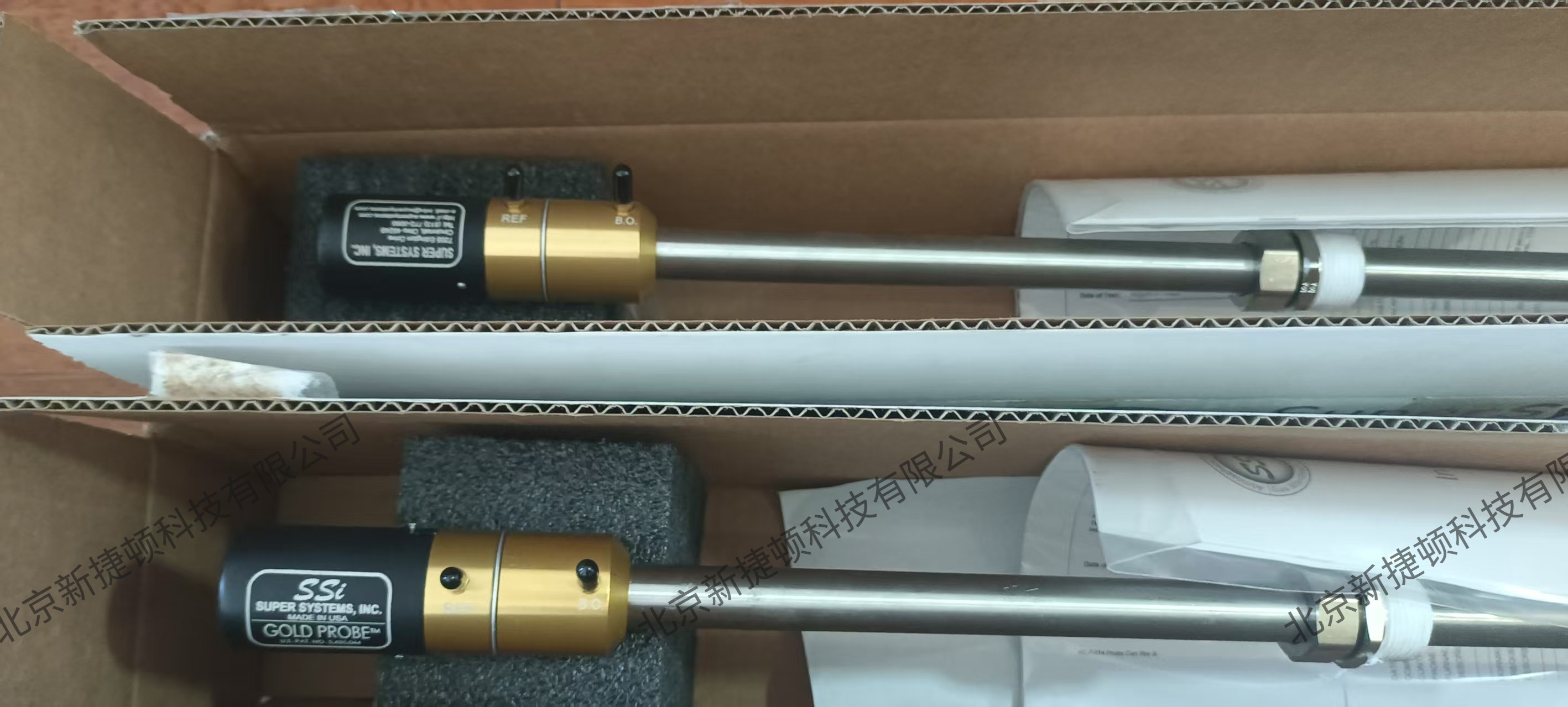
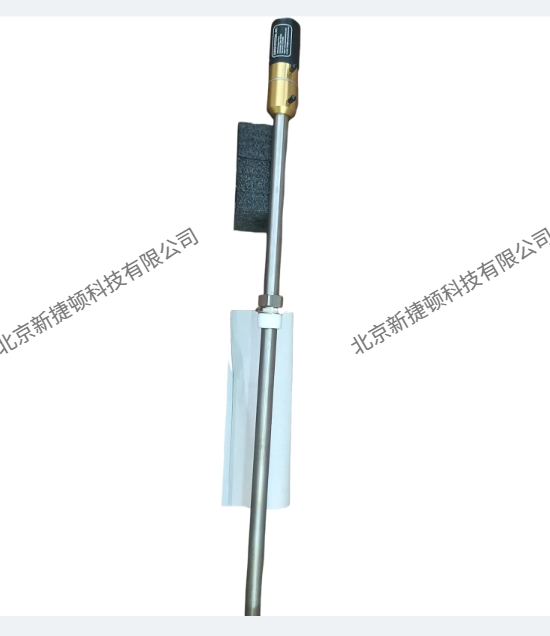


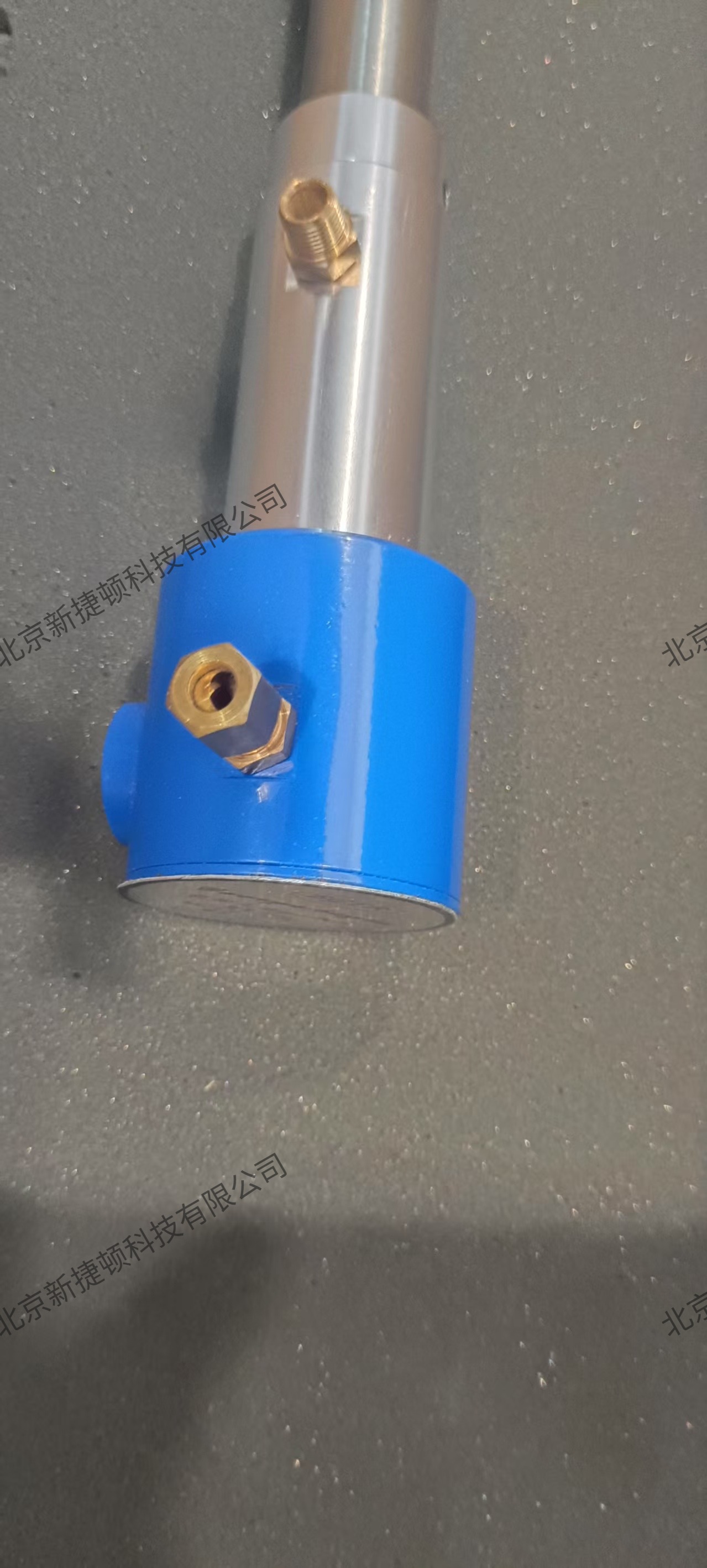
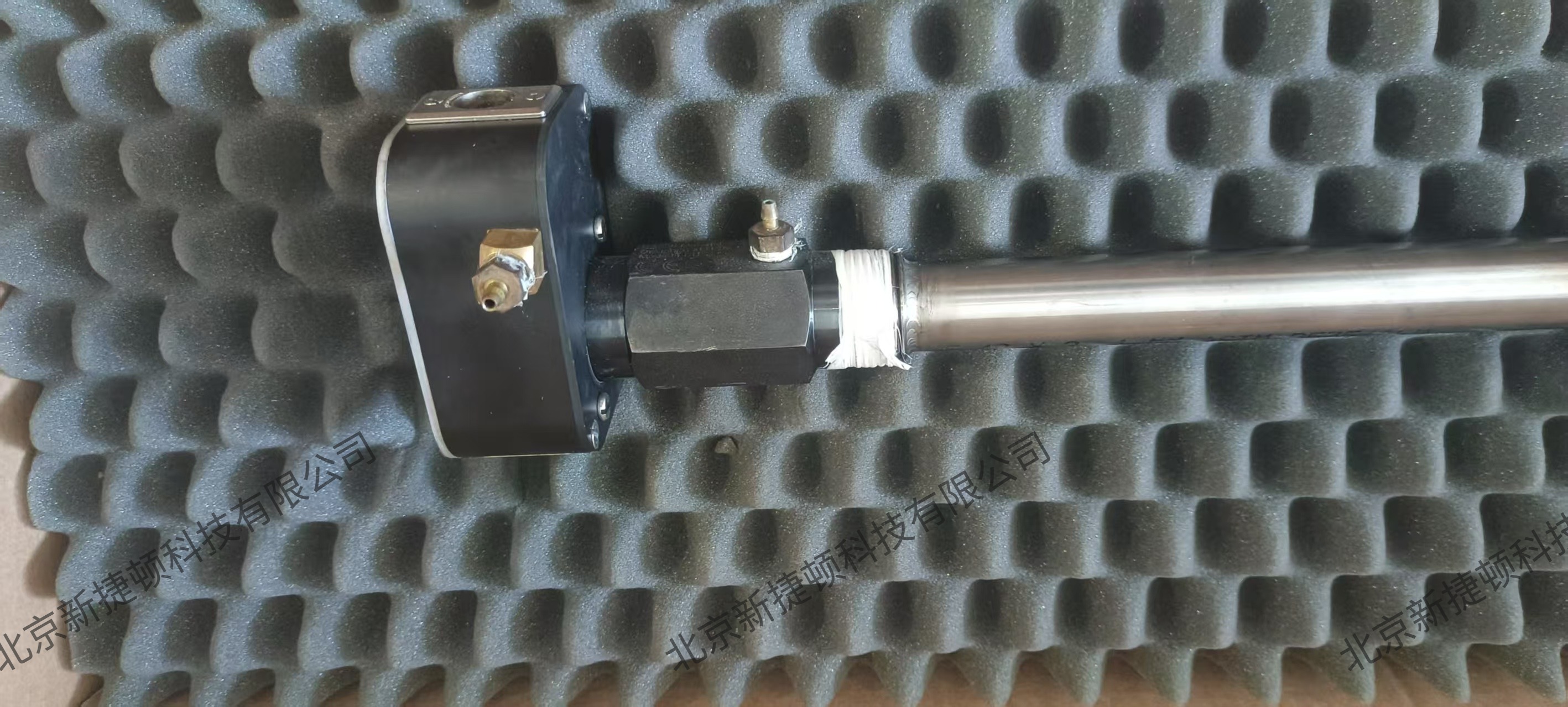
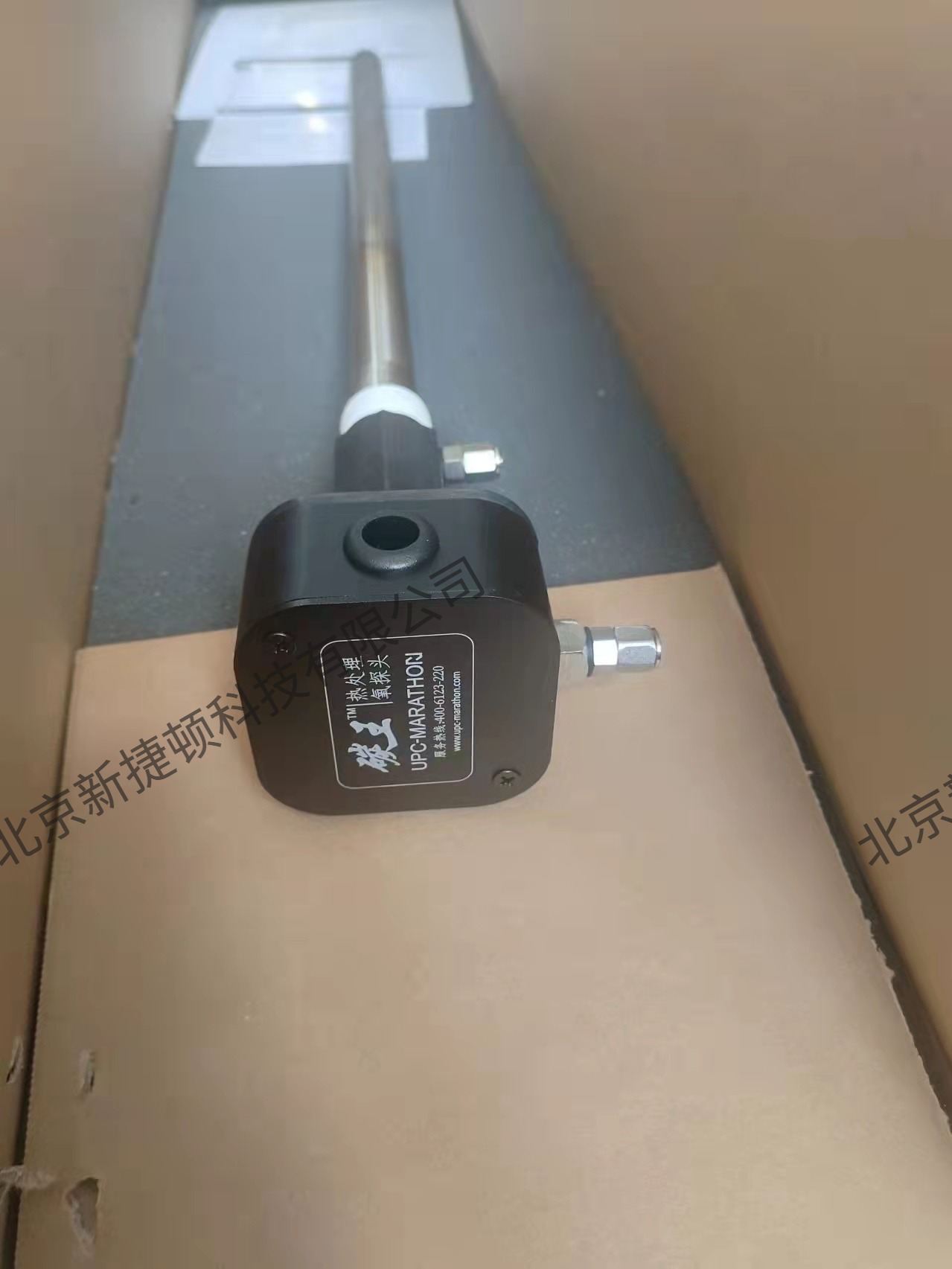
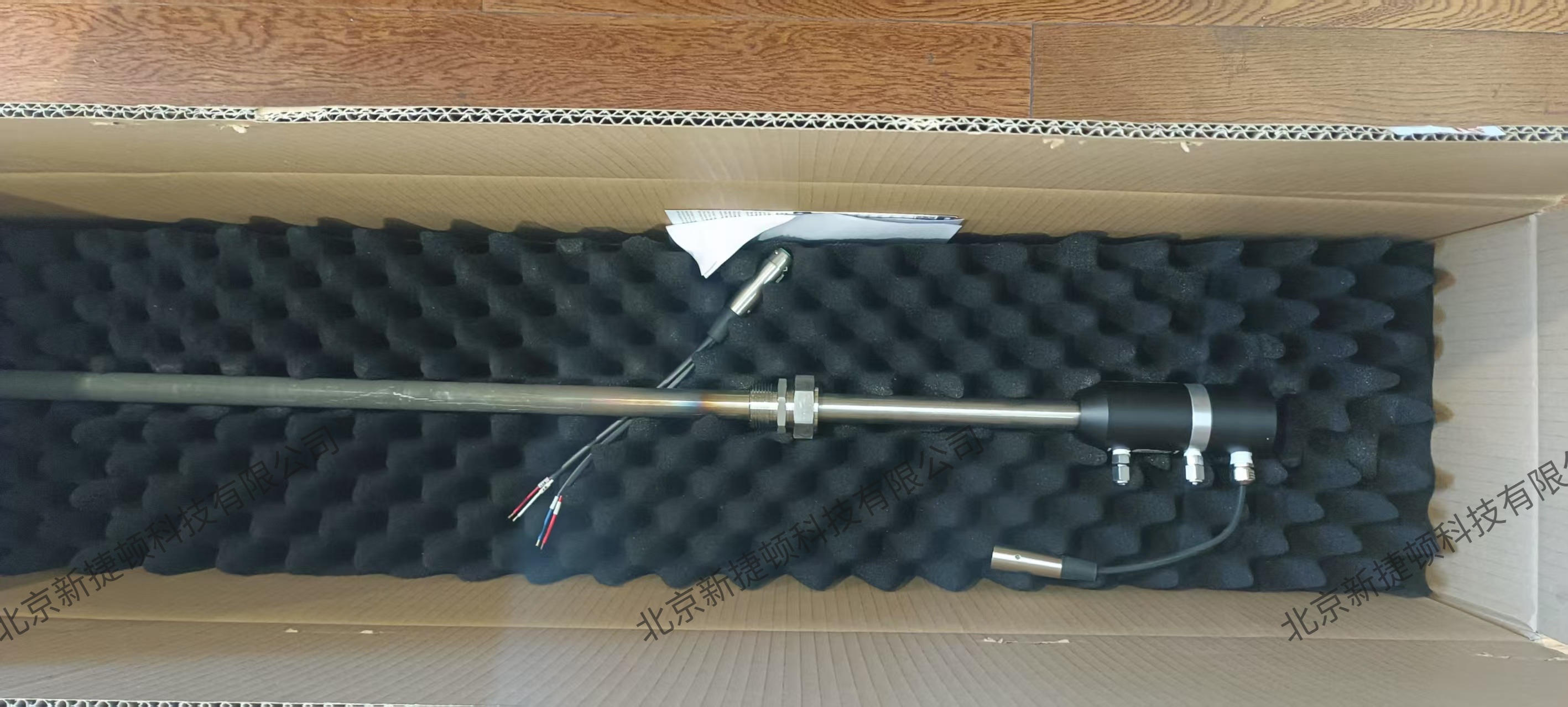





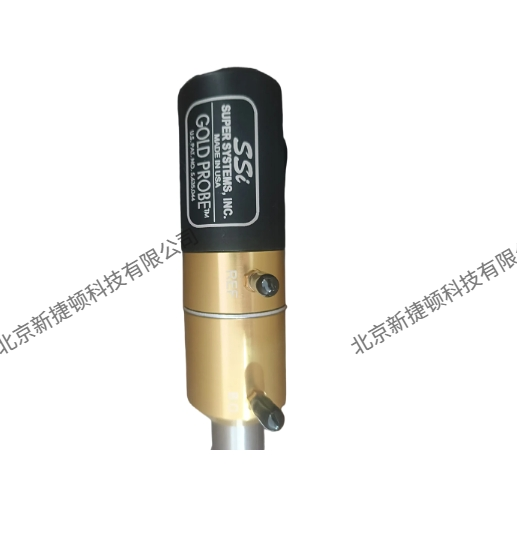
Under fixed placement of the oxygen probe, attention should be given to the correct direction of the agitating fan. The carrier gas and enriched atmosphere must not be directed directly at the oxygen probe. Direct blowing towards the probe may lead to damage to the protective tube, even probe damage, and measurement deviations.
After the new or rebuilt furnace is repaired, when heating, substances like Si and Na are emitted as vapor, adhering to the probe. This can lead to rapid degradation of the probe's ZrO2, increased internal resistance, low potential, and unrepairable issues. Therefore, do not insert the oxygen probe during the drying process. The drying time should be sufficiently adequate.
The furnace body, under conditions of carbon black precipitation and carbon accumulation, accelerates electrode deterioration, leading to reduced probe lifespan. During the initial pre-soaking of a new furnace, the atmosphere carbon potential is typically set very high, which can result in carbon accumulation. Therefore, in principle, oxygen probes should not be inserted during pre-soaking. After the initial pre-soaking, the probe should be inserted only after the furnace has burned carbon or after a period of time using carrier gas. The overall production process should be set up reasonably to prevent carbon black precipitation and carbon accumulation. Carbon accumulation within the oxygen probe protection tube can lead to probe damage.