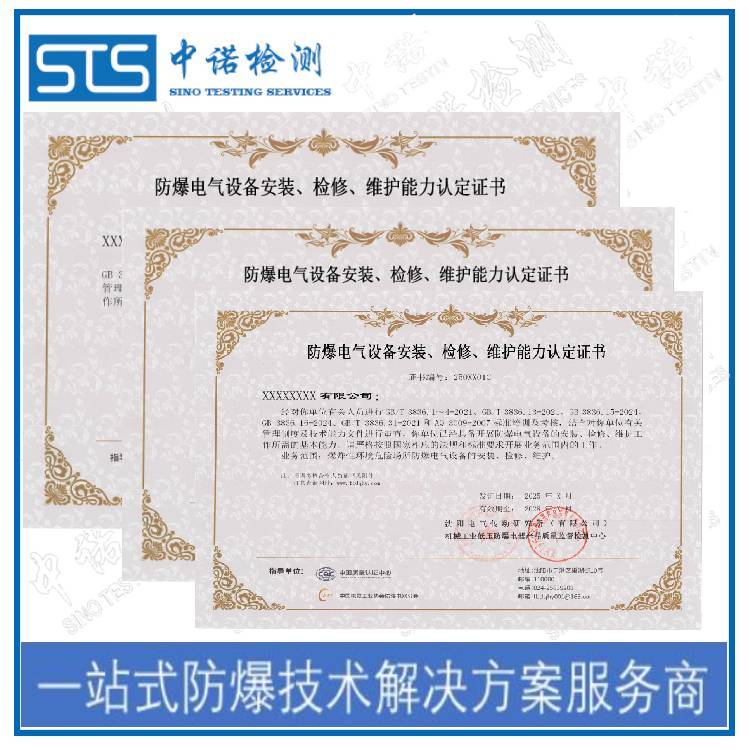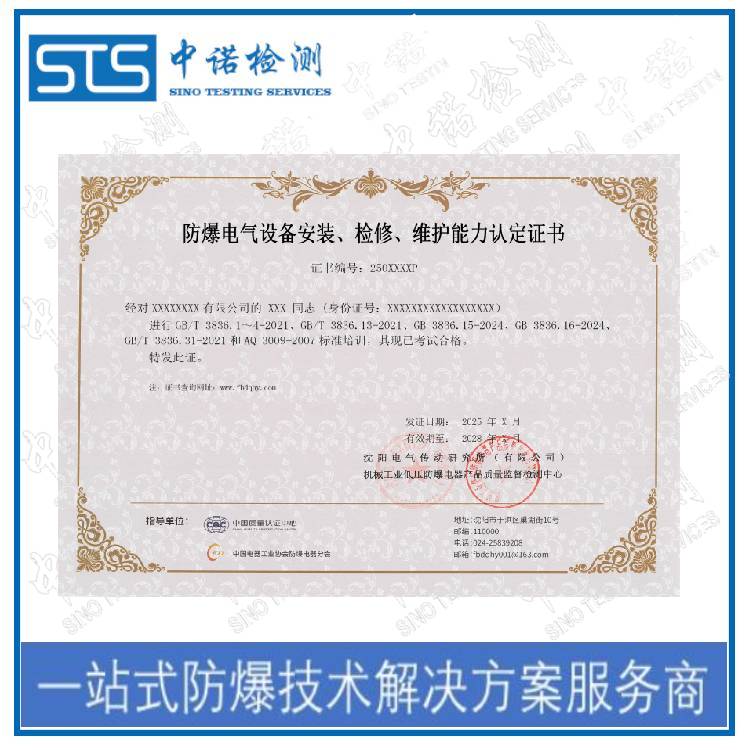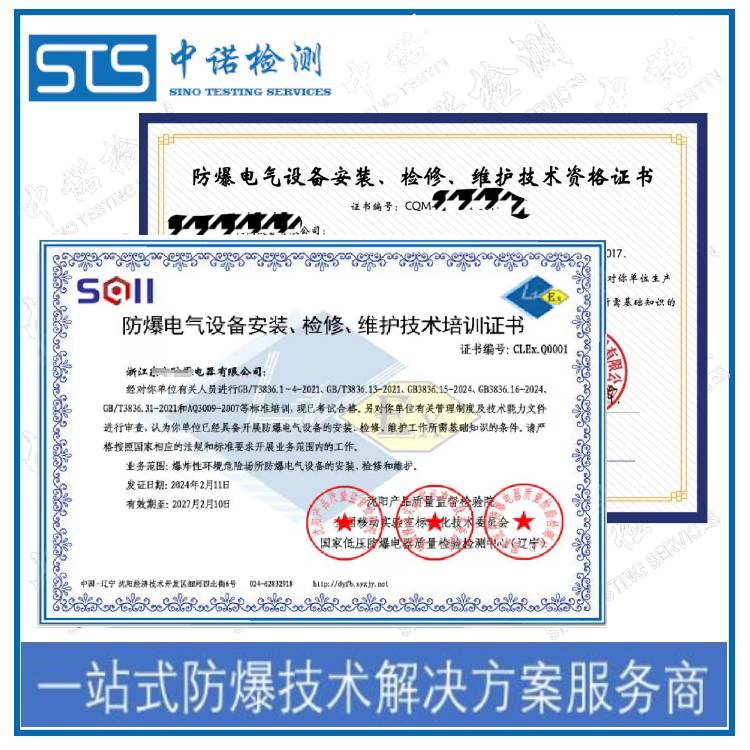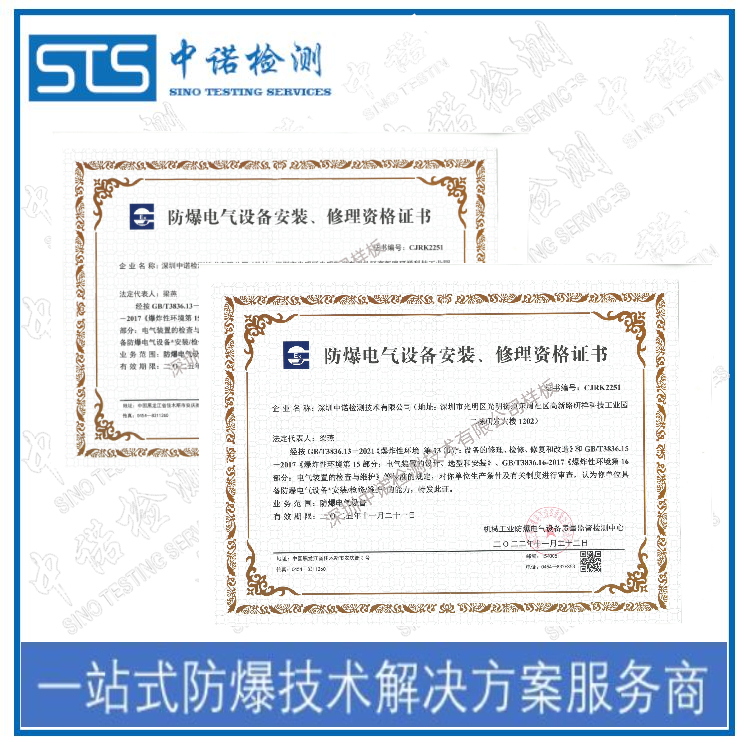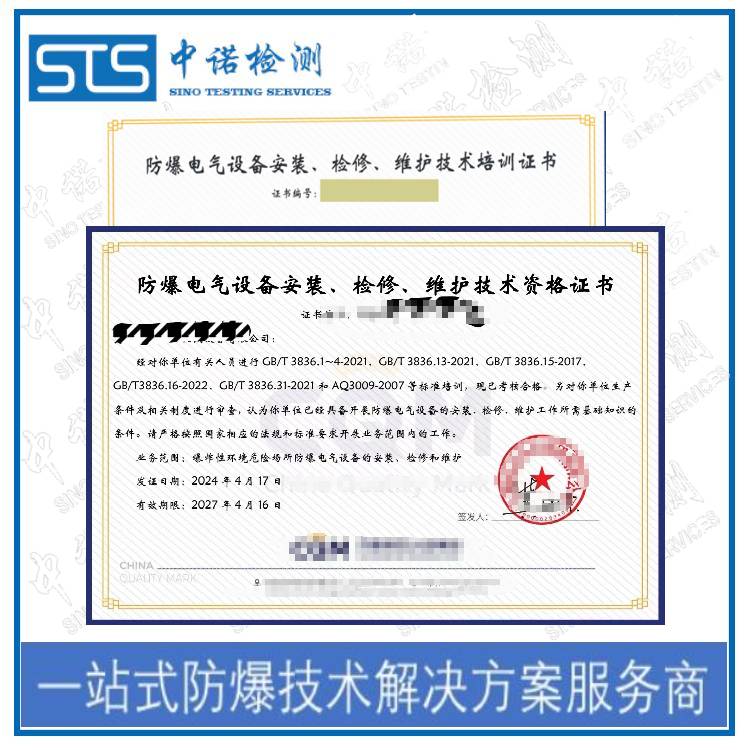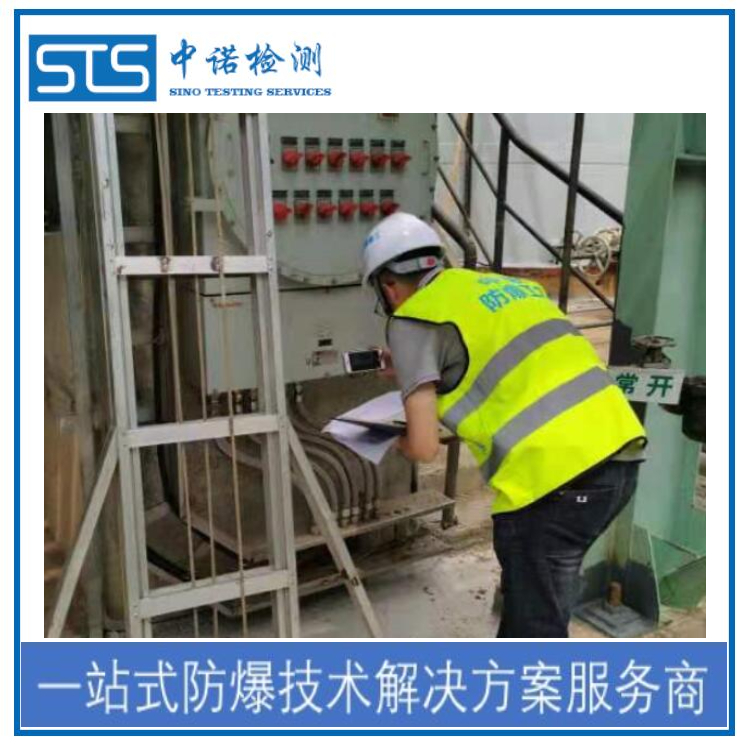

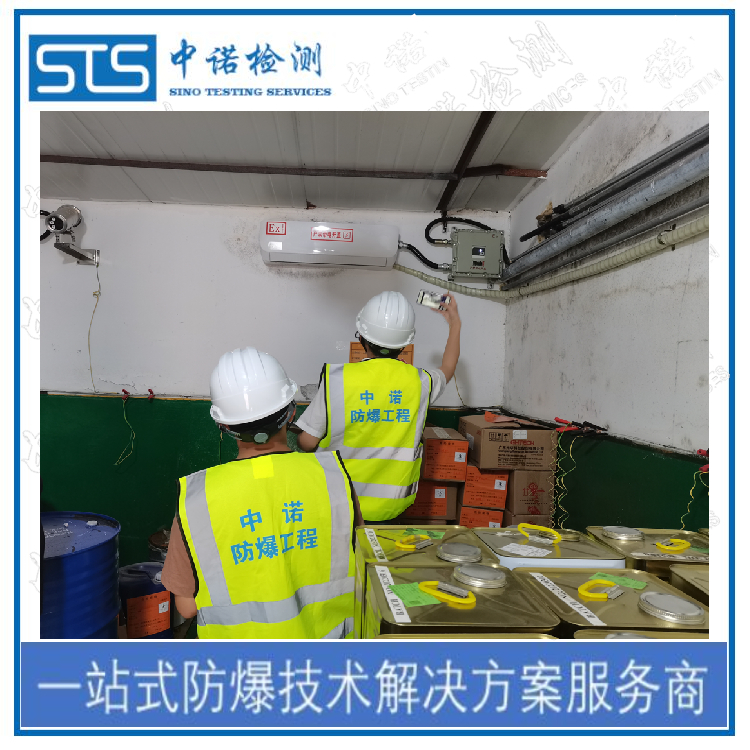
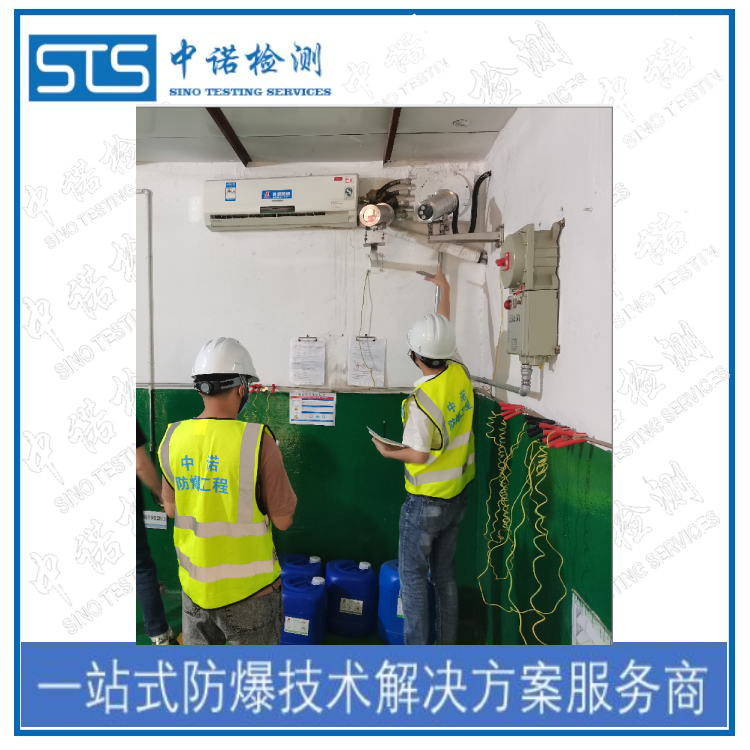


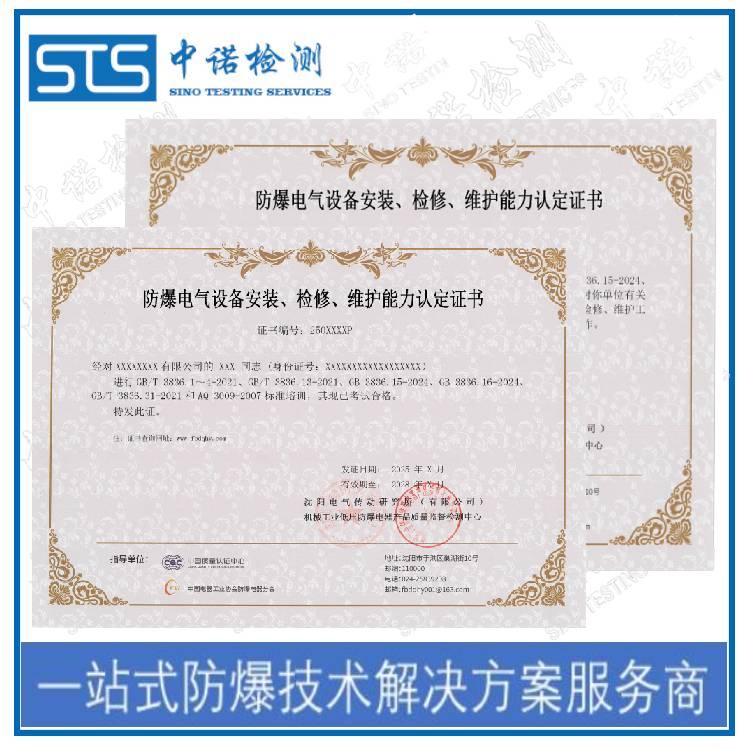
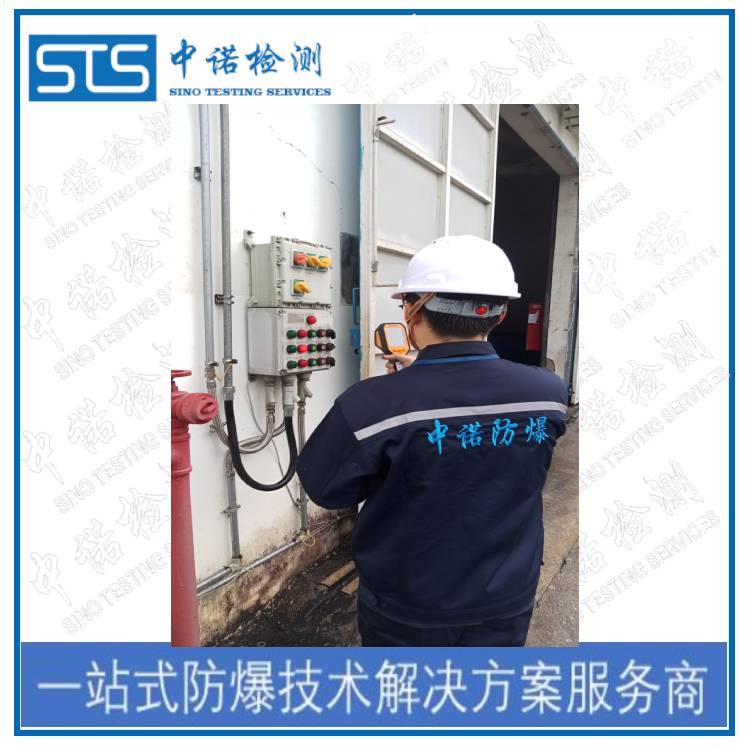
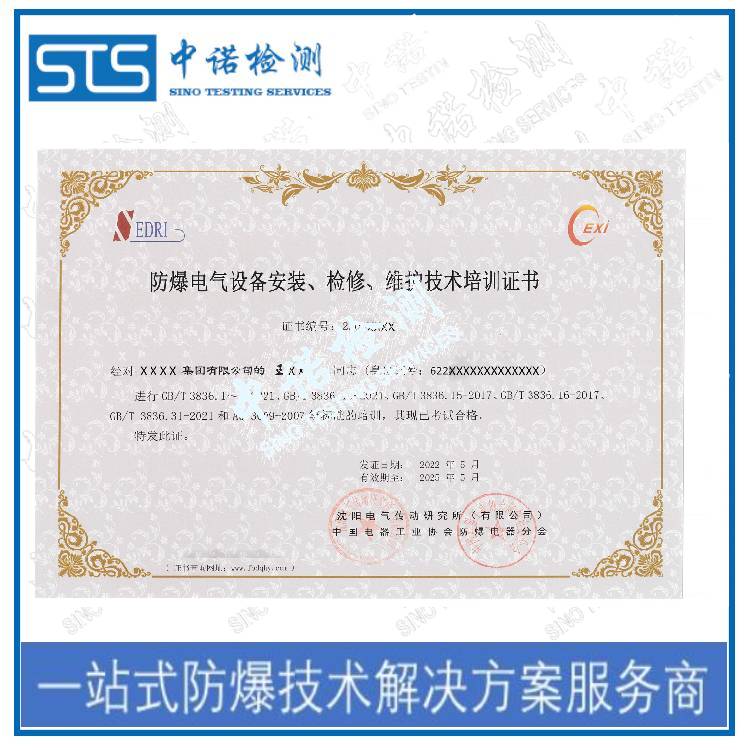
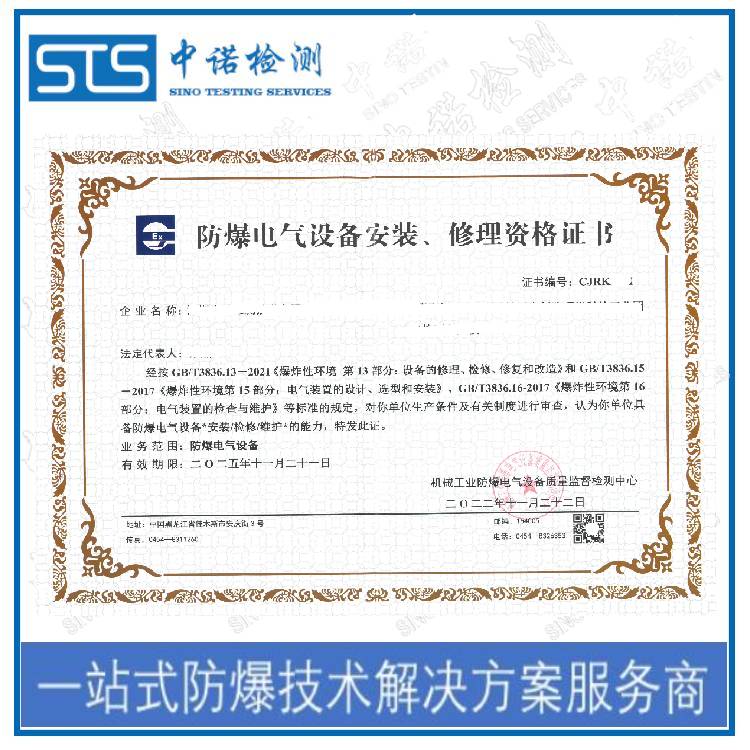
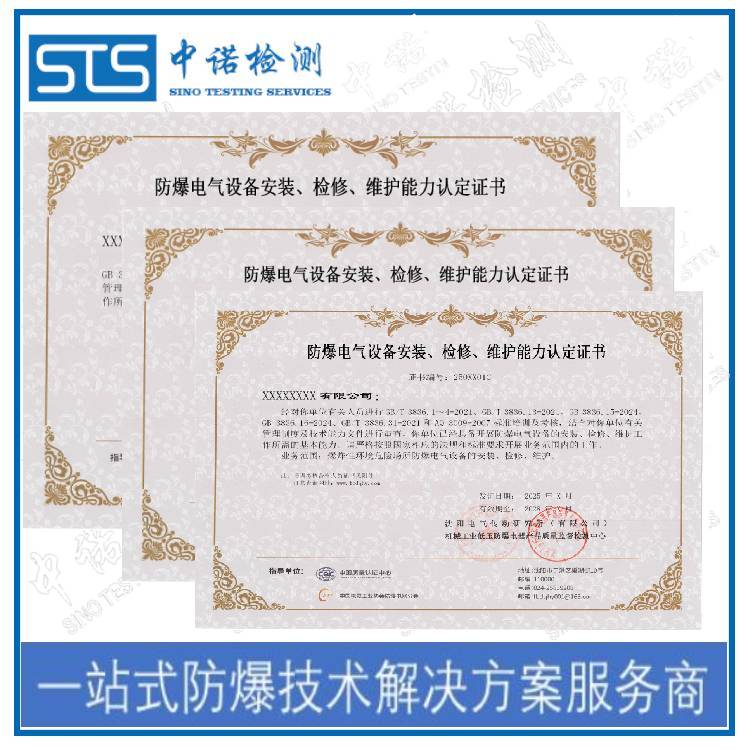





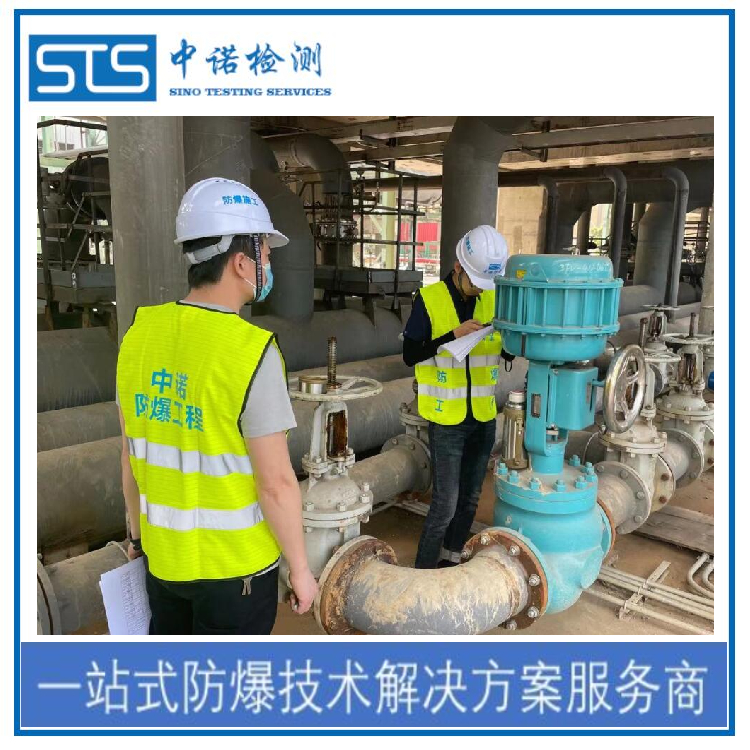
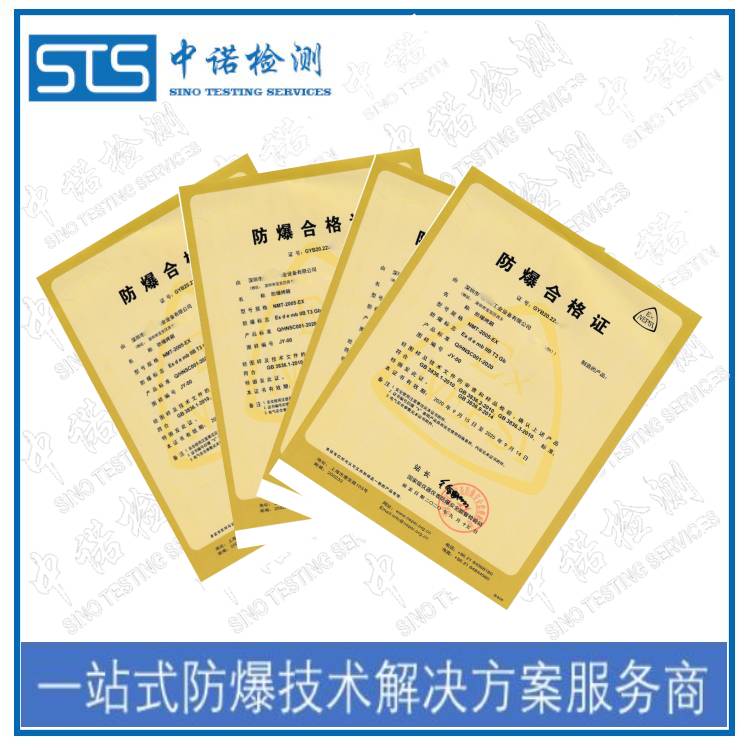
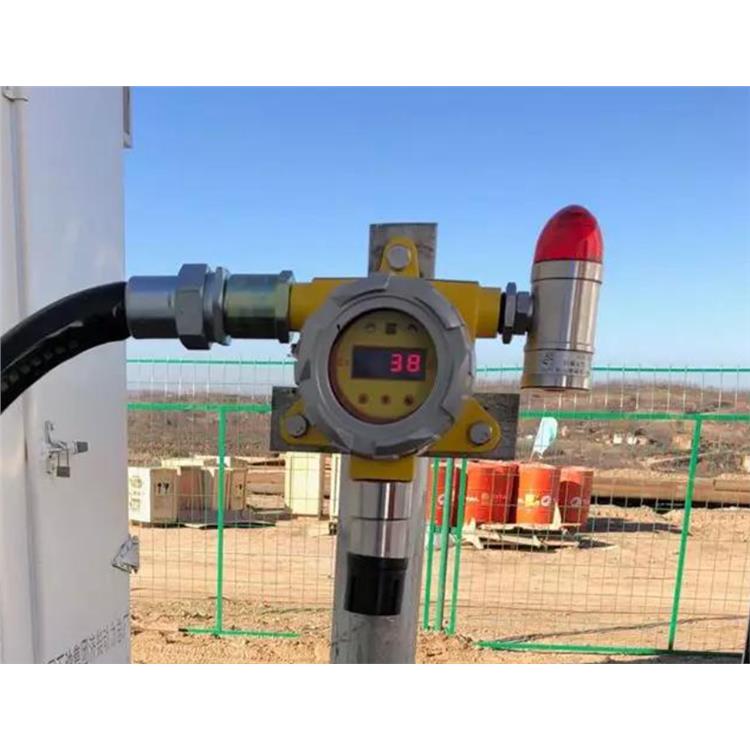
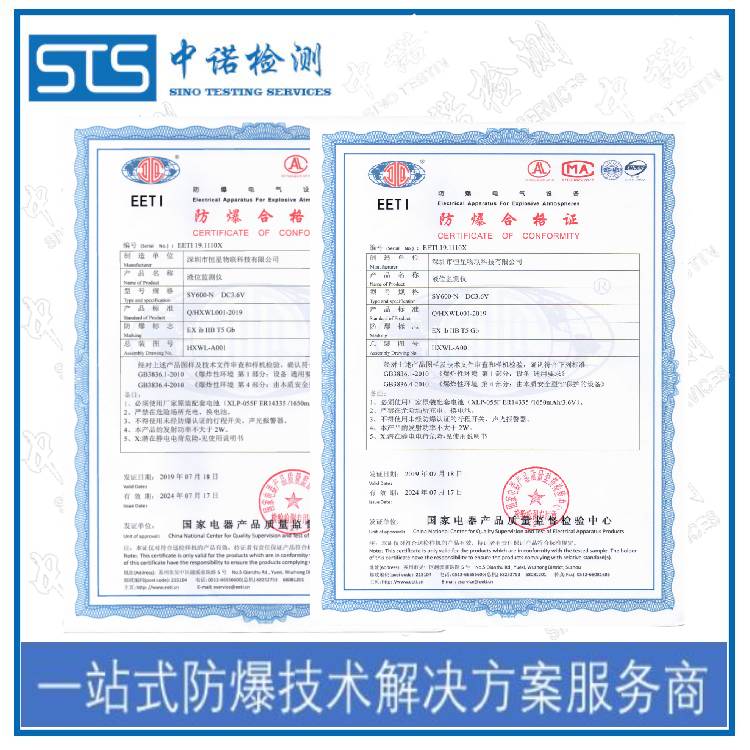
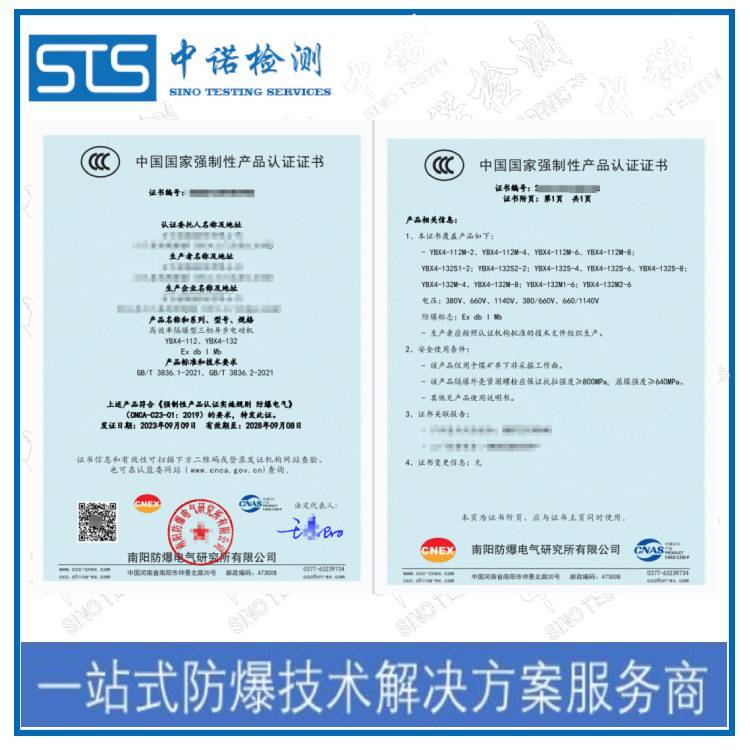
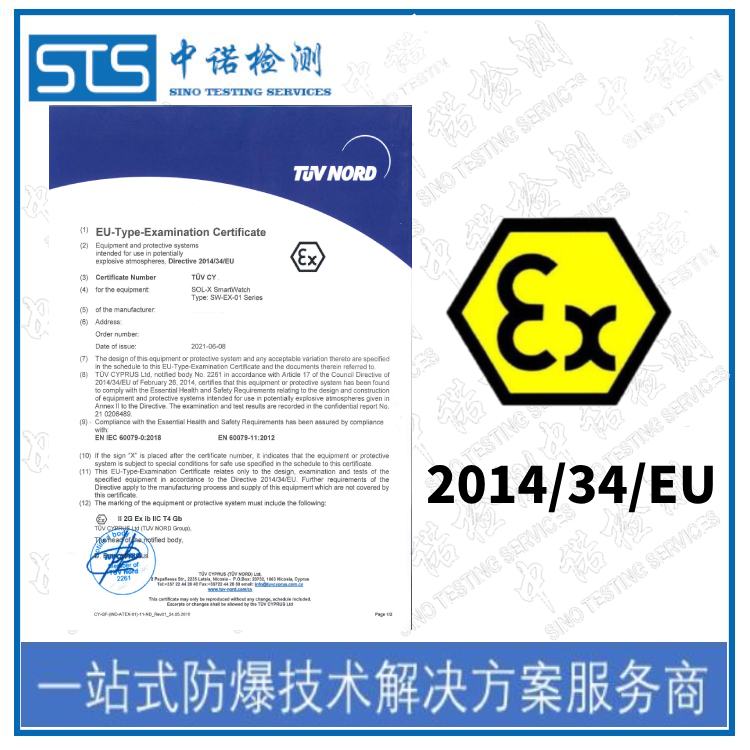
Shenzhen ZhongNuo Testing Technology Co., Ltd. offers on-site explosion-proof electrical inspection, explosion-proof project acceptance services, and can provide explosion-proof rectification and construction services for non-compliant items.
How often should explosion-proof electrical equipment be inspected? How to obtain an explosion-proof electrical equipment inspection report?
Do explosion-proof electrical equipment in use need to be inspected regularly? How often should inspection reports be generated? What specific standards are in place, and how are they enforced? These are urgent questions for many owners and clients in the chemical, grain, oil, and gas station industries with explosive hazards. ZhongNuo Inspection will simply clarify these points for you.
Due to the industry's特殊性, facilities with explosive hazards must purchase and install equipment with valid explosion-proof certification, and ensure proper installation and maintenance. Additionally, regular safety checks and routine maintenance must be conducted on these electrical devices to confirm their continued explosion-proof performance. AQ3009-2007 "Electrical Explosion-Proof Safety Regulations for Hazardous Areas" also stipulates that periodic inspections should be carried out by safety inspection and testing institutions with explosion-proof qualifications, with intervals generally not exceeding three years.
ZhongNuo Inspection has provided on-site explosion-proof inspections and transformation services for various gas stations, gas stations, oil depots, food factories, feed mills, chemical factories, etc., boasting a wealth of successful cases and industry experience.
If you happen to need a report on explosion-proof electrical inspections for this type of site, feel free to send us a private message for detailed communication.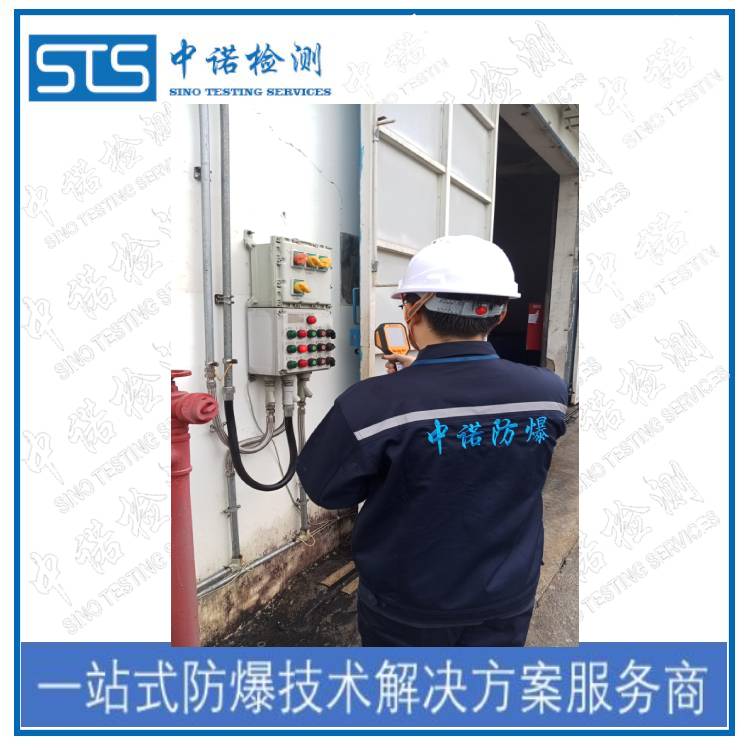
We understand that places involving explosive gases and dusts require regular explosion-proof electrical inspections. What exactly is checked during these inspections?
Electrical Explosion-Proof Safety Inspection for Hazardous Areas
1. Model Inspection
Under strict legal regulations, the explosion-proof markings on explosion-proof electrical equipment must be standardized, and it can only be implemented after obtaining the corresponding explosion-proof standard inspection and passing as qualified. It is necessary to design the appropriate explosion-proof type, explosion-proof level, and temperature class information for the electrical equipment based on the specific working environment.
2. Installation Inspection
During the installation of electrical equipment, any oversight can potentially lead to losses. For instance, if the ventilation and exhaust system is not properly installed and is not sufficiently unobstructed, or if the outer shell of electrical equipment has the potential to explode during operation, these risks must be mitigated. Therefore, utmost care must be taken during installation, and it is imperative to follow relevant standards meticulously.
3. Line Inspection
Electrical equipment is often composed of a large number of interconnected wires, which can be particularly complex. If not properly connected, or if there are incorrect connections, or if the insulation of the wires has worn off, it can lead to short circuits or overloads, potentially causing arcs or sparks. Therefore, it is crucial to strengthen inspections of the circuit, particularly the sealing of the wires, to ensure that the connections meet the required standards.
4. Grounding Inspection
Electrical equipment generates static electricity during operation. If there's an excessive amount of static, a spark can occur upon discharge. Therefore, proper grounding protection is essential to promptly dissipate static electricity and prevent explosions. Common grounding methods include working grounding, static grounding, and lightning protection grounding. Engineers must select the appropriate grounding method based on the specific working environment and ensure that the grounding is both safe and secure.
Chemical companies must regularly maintain and inspect explosion-proof electrical and static electricity prevention facilities in hazardous areas, ensuring they operate in a normal state at all times. For dangerous sites, electrical explosion-proof safety inspections should be scientifically developed, keep pace with the times, enhance the discovery and invention of new inspection methods and means, continuously apply new knowledge and technology, as well as management methods, to prevent latent dangers and eliminate unsafe factors.
Dust Explosion-Proof Safety Inspection Standards for Hazardous Areas
GB15577-2018 Dust Explosion Protection Code
GB17440-2008 Grain Processing Industry Dust Explosion Prevention Safety Standard
GB17918-2009 Dust Explosion Prevention Safety Standard for Bulk Grain Handling Systems at Ports
AQ4229-2013 Grain Silo Dust Explosion Prevention and Safety Specification
AQ4230-2013 Grain Flat Storage Silo Dust Explosion Prevention Safety Standard
AQ4232-2013 Specification for Dust Explosion Prevention in Plastic Production Systems
GB18245-2000 Dust Explosion Protection Safety Regulations for Processing Systems
GB19081-2008 Feed Processing System Dust Explosion Prevention and Safety Regulations
GB16543-2008规范 for Dust Explosion Protection in Coal Injection Systems of Blast Furnaces
GB17269-2003 Aluminum Processing System Dust Explosion Protection Safety Specification
Guide for Dust Explosion Relief Valves - GB/T16505-1995
GB/T 17919-2009 Guidelines for Explosion-proof Dust Collectors in Hazardous Dust Explosion Areas
General Guidelines for Preventing Static Electricity Accidents - GB12158-2006
AQ3009-2007 Electrical Explosion-Proof Safety Code for Hazardous Areas
GB50058-2014 Code for Design of Power Installations with Explosive and Fire Hazard
GB50257-2014 Code for Electrical Installation Engineering in Explosive and Flammable Gas and Dust Environments - Electrical Construction and Acceptance Standards
Does explosion-proof electrical equipment require an explosion-proof acceptance after installation?
Many corporate clients are puzzled: Does the installation of electrical equipment with a valid and authentic explosion-proof certification mean it can be used normally?
Is using explosion-proof equipment equivalent to the entire system being explosion-proof?
We understand that every product has its lifecycle, from production, market launch, end-user use, wear and tear, to obsolescence. As special equipment in a specialized industry, the lifecycle of explosion-proof equipment is not just about the product itself but also its installation methods and maintenance procedures. In reality, accidents often occur due to improper use by the users, leading to the failure of explosion-proof electrical equipment and causing explosions. This is a situation that deserves our vigilance.
Therefore, the installation and acceptance of the newly introduced explosion-proof equipment is particularly necessary and important.
After the explosion-proof equipment is installed, an initial inspection should be conducted by a qualified inspection agency with explosion-proof inspection资质 before the project is handed over to the user, to ensure the entire project's explosion-proof safety performance. The explosion-proof acceptance standards are based on mandatory standards such as AQ 3009, GB/T3836.15, GB/T3836.16, GB 50257, etc.
After the installation and acceptance of explosion-proof equipment, it is not a one-time task. To ensure that the explosion-proof equipment remains in good working condition and can be safely used in hazardous areas for a long time, continuous supervision and regular inspections of the equipment in use are also necessary.
Continuous supervision should be conducted by the company's personnel, with corresponding inspection records kept, and any abnormal phenomena handled promptly.
Regular inspections should be entrusted to qualified inspection agencies, with intervals generally not exceeding 3 years. Enterprises should promptly implement explosion-proof rectification measures for items that do not meet inspection requirements and file the third-party qualification agency's Report and rectification status with the安全生产 supervision and management department.
On-site Explosion-proof Electrical Equipment Regular Inspection Consultancy Service - Shenzhen ZhongNuo Testing Technology Co., Ltd.
WeChat Official Account

Scan to follow Official Account