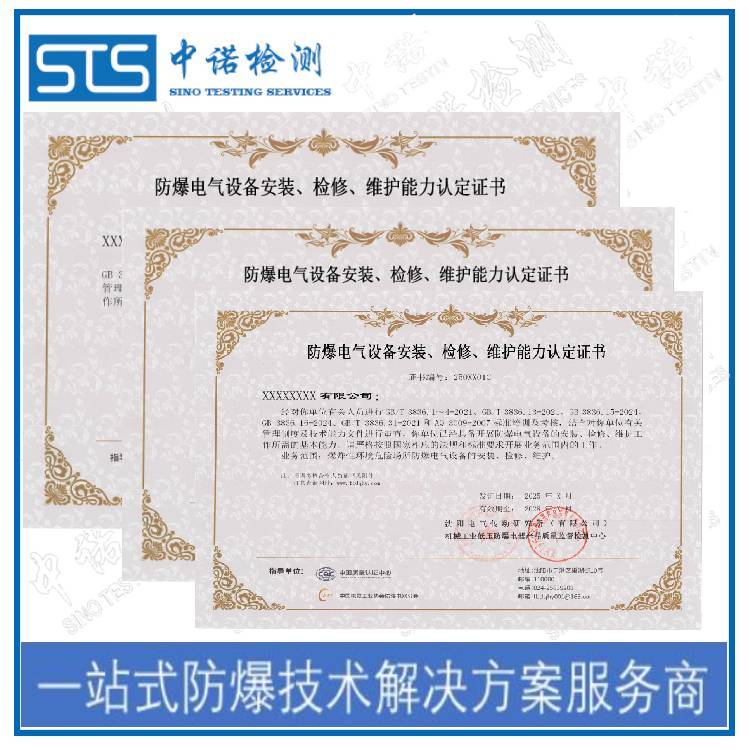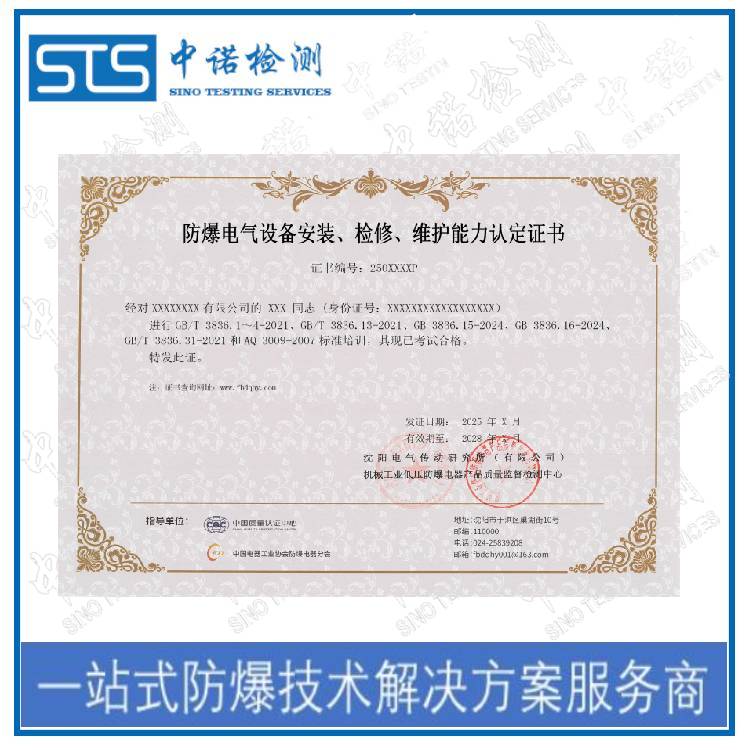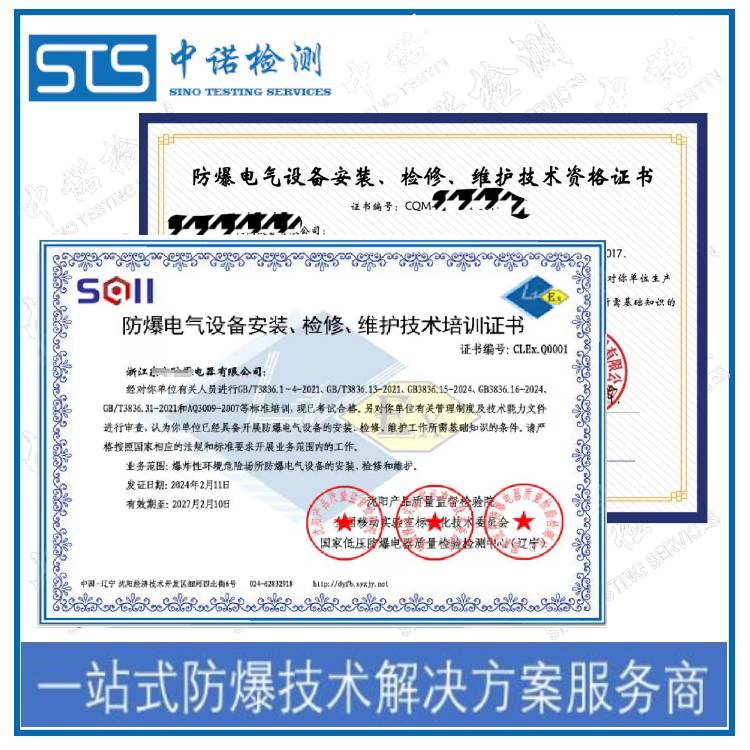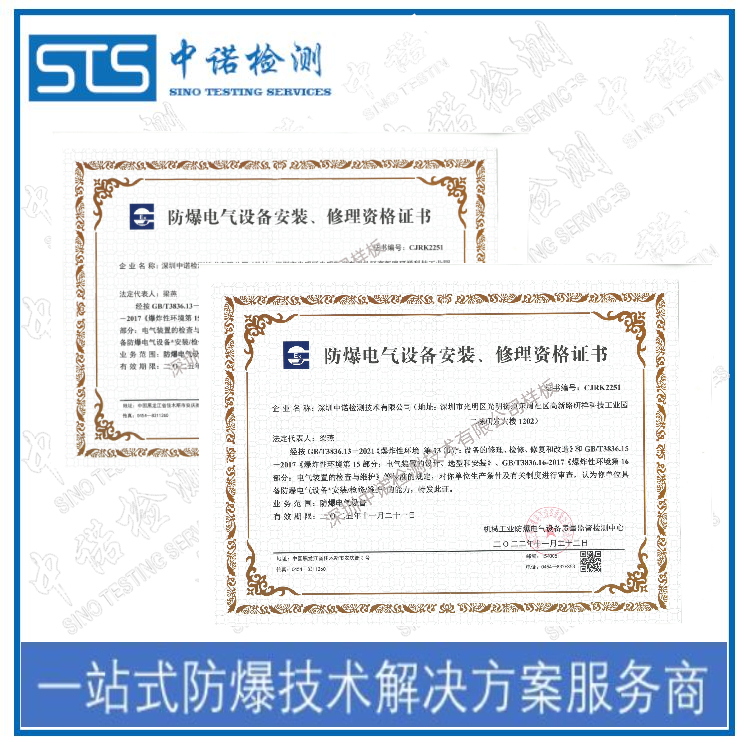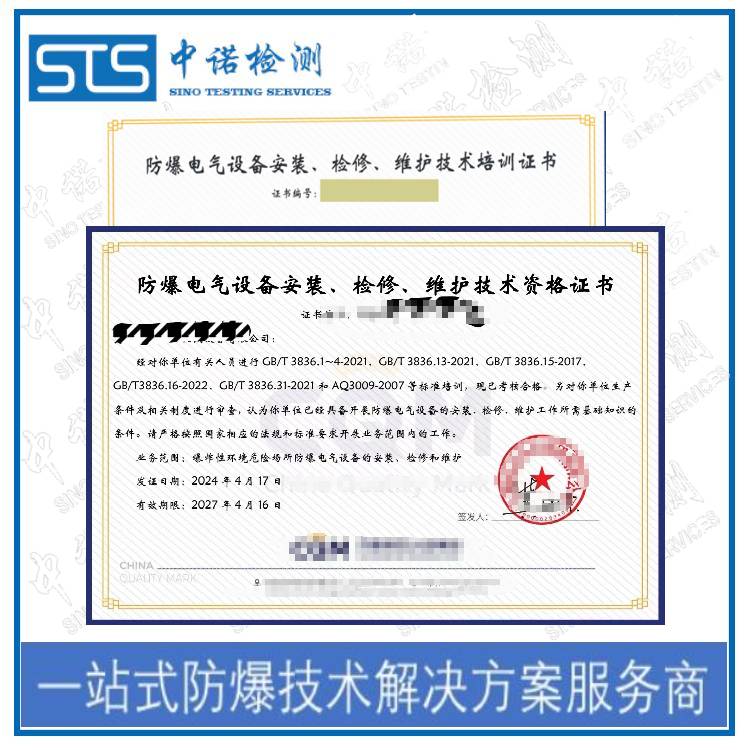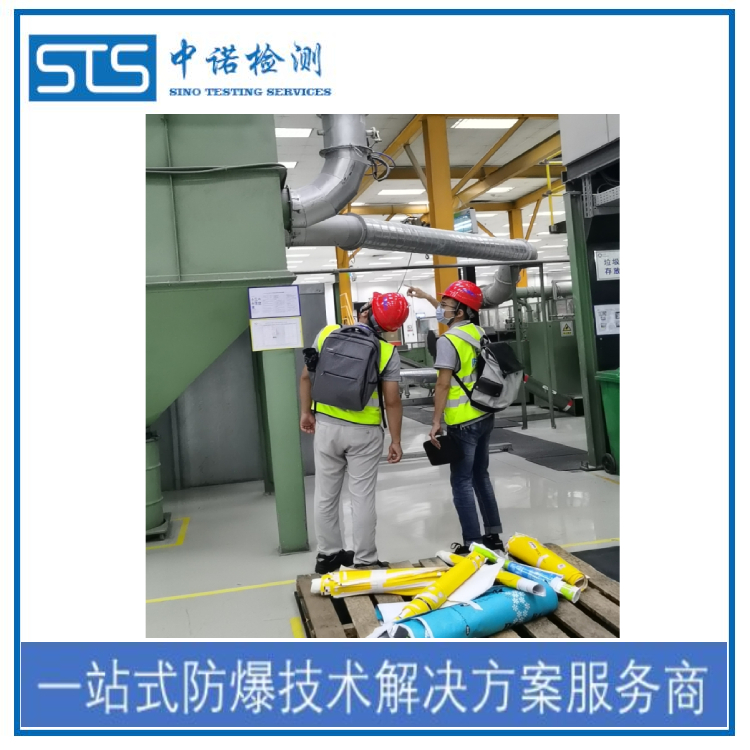

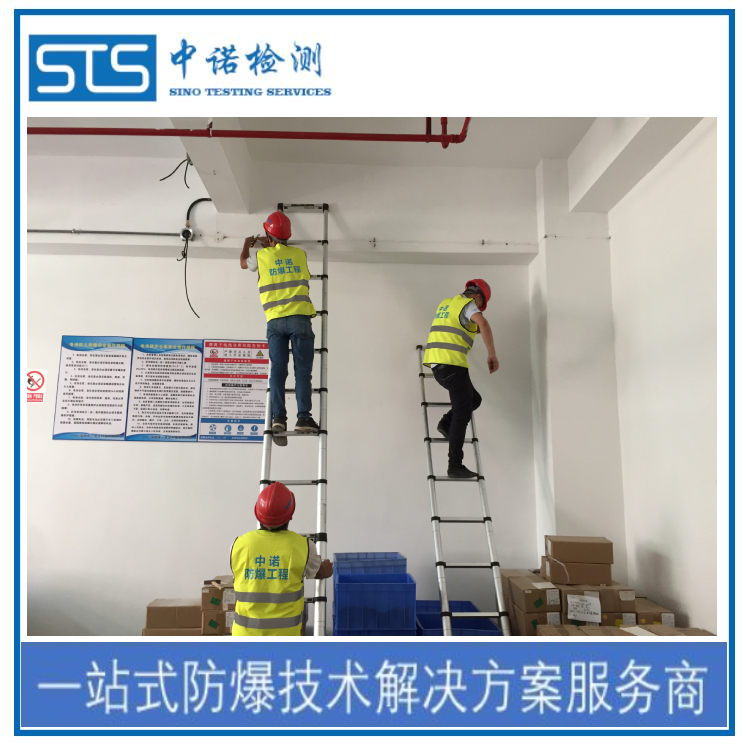
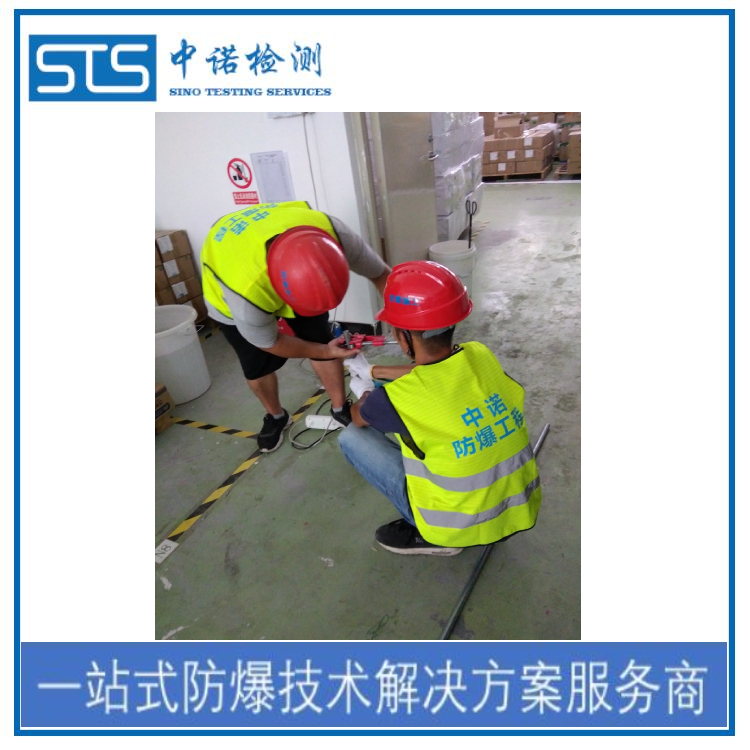


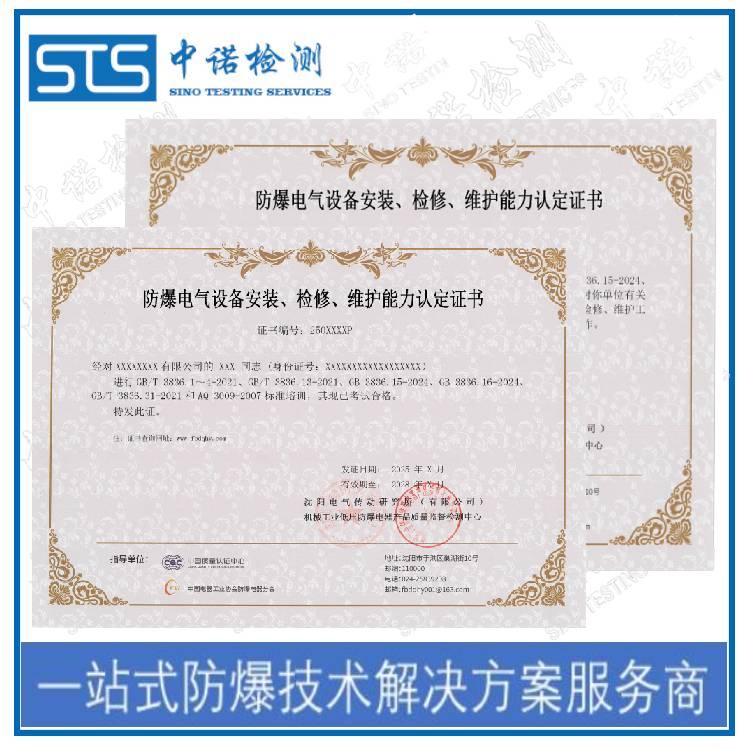
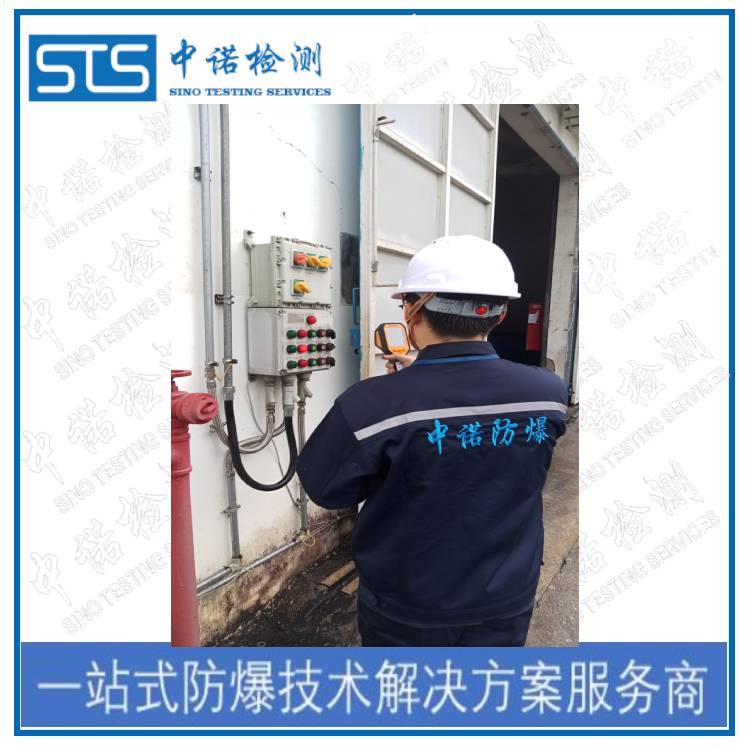
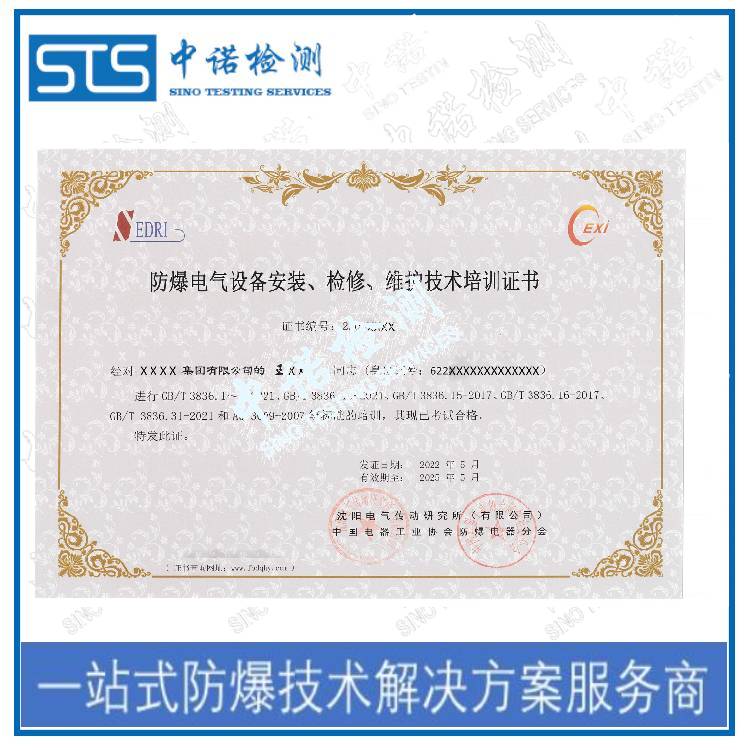
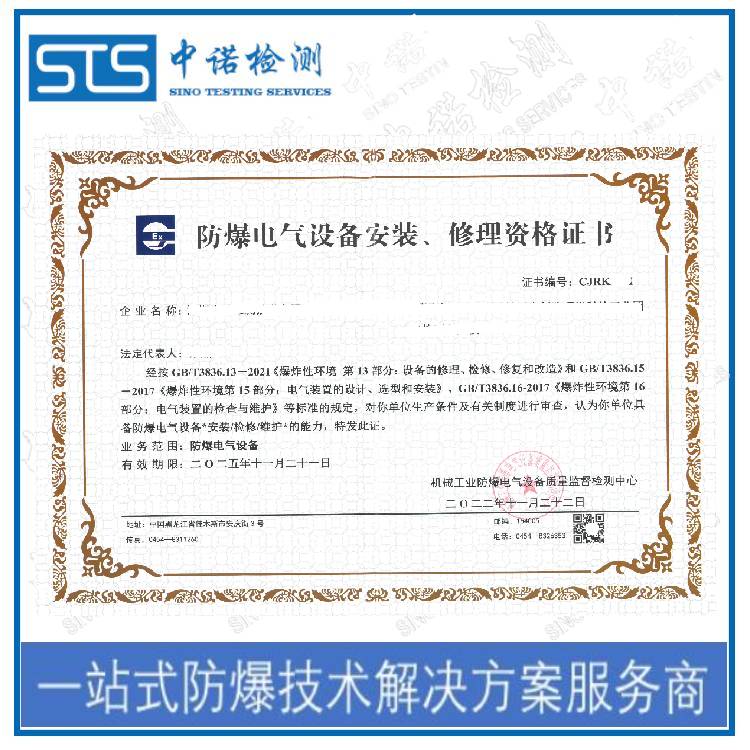
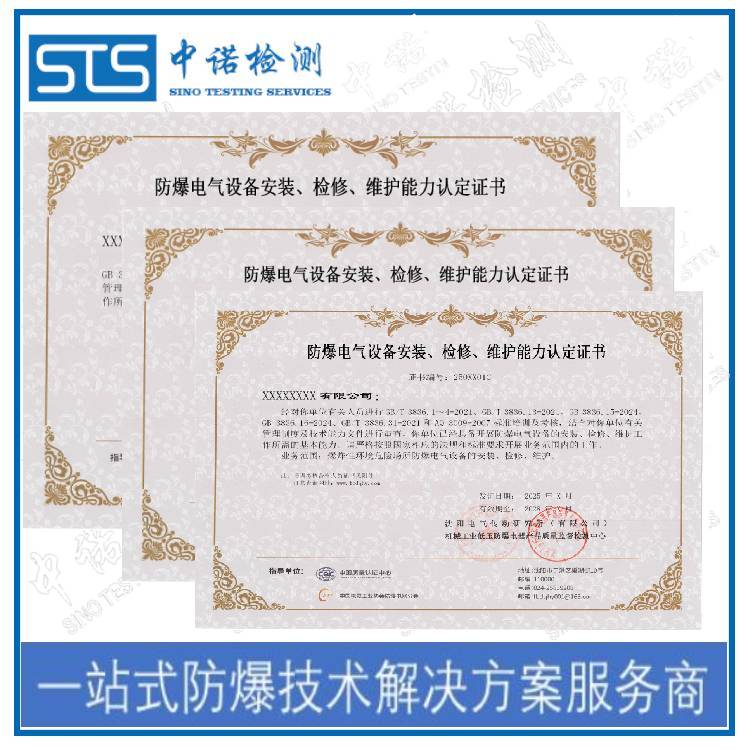





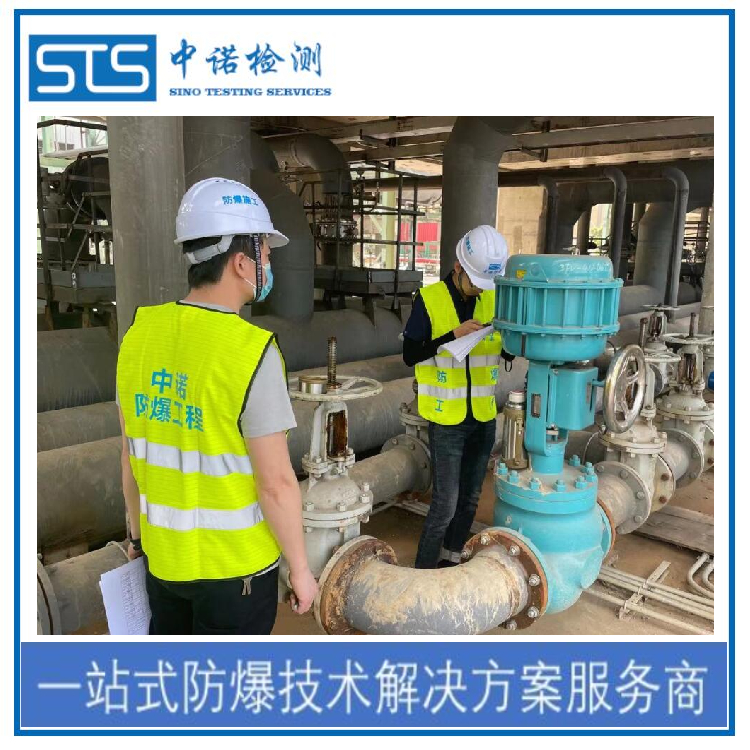
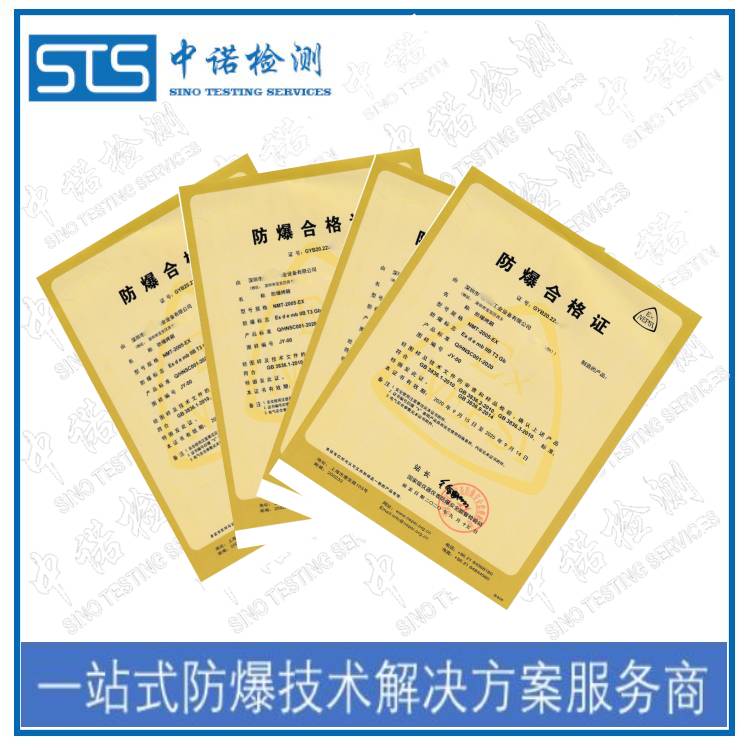
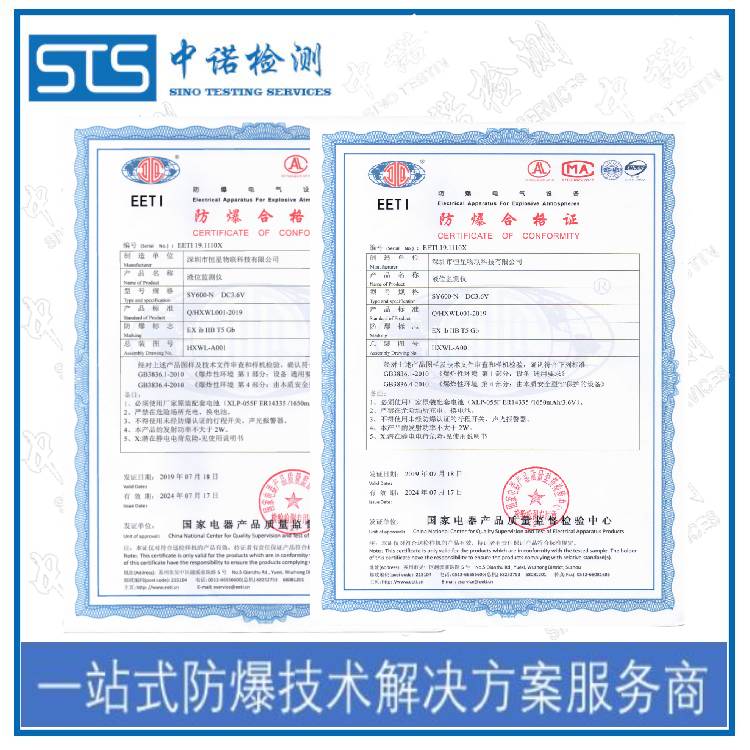
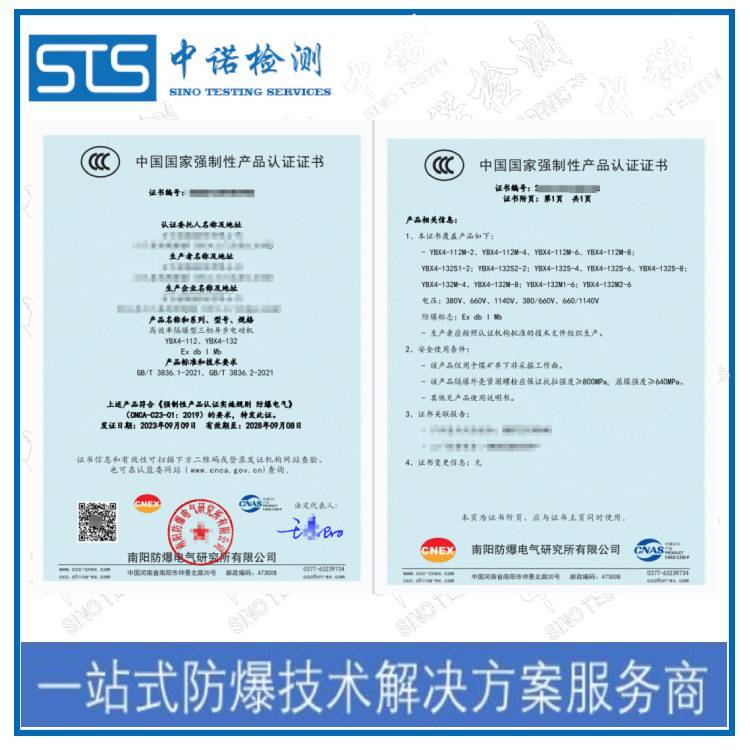
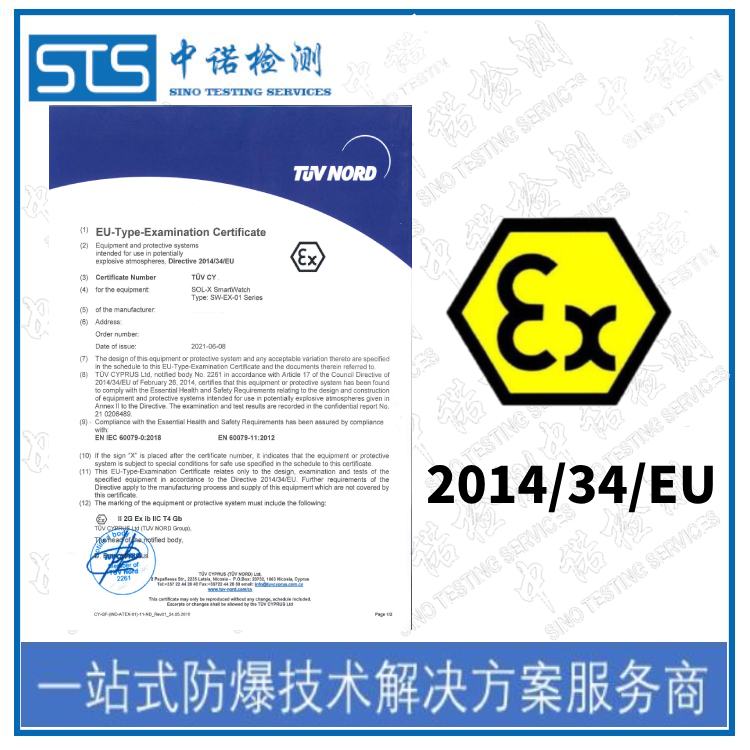
Shenzhen ZhongNuo Inspection & Technology Co., Ltd. is based in South China, offering on-site explosion-proof construction, safety inspections, renovations, project acceptance, and explosion-proof installation consulting services. We are well-versed in explosion-proof construction standards, with experienced construction teams and extensive practical experience. We have served major enterprises such as PetroChina, LG, Huanlan Environment, BOE Technology Group, and Sinovac Biotech, receiving consistent praise and trust from our clients!
In recent years, with the continuous development of society and the frequent occurrence of safety accidents, people's awareness of safety production has been increasingly enhanced, and the governance of hazards in dangerous environments is urgently needed.
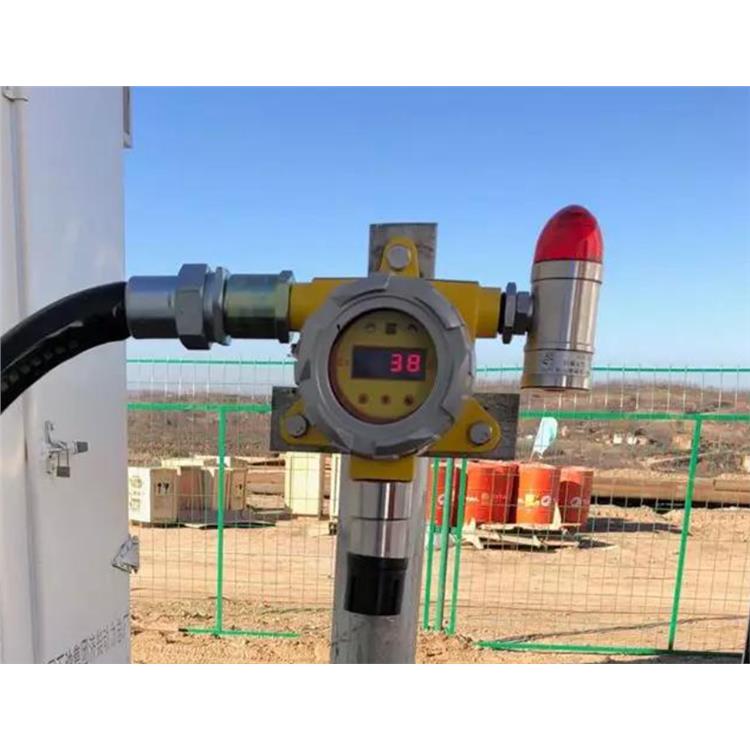
In various industrial sectors in our country, such as oil, chemicals, ports, coal, and others, there may often be leaks or spills of flammable and explosive gases, liquids, dust, and fibers during production, processing, transportation, and storage. When these substances mix with air, they can form explosive mixtures. Once the concentration of the mixture reaches the explosive range, any ignition source can trigger an explosion and severe fires, potentially leading to catastrophic chain reactions. Therefore, equipment used in such hazardous environments must be certified and equipped with explosion-proof features. The use of all explosion-proof environment equipment requires installation and commissioning by experienced engineering companies, strictly adhering to the specifications and acceptance standards for explosion-proof construction. Only then can the safety requirements of all stages in the production process be maximally ensured.
As the world's energy and chemical industries expand, construction in explosive hazard environments is becoming increasingly widespread, making prevention and acceptance of explosive environments more crucial.
Especially in flammable dust environments, such as plastic factories, feed/food/cereal processing plants, metal polishing workshops, and paper/milling wood powder/fiber dust factories, the demand for explosion-proof installation, design, and retrofit projects is also on the rise.
Whether it's large-scale explosion-proofing or local explosion-proofing, if there are hidden dangers in product quality or the quality of installation and modification.
Our personnel and property safety are at significant risk, so we must control the quality at every production stage to ensure the reliability and safety of explosion-proof installations and renovations.
Shenzhen ZhongNuo Testing Technology Co., Ltd. offers explosion-proof construction and modification consultation services. With rich qualifications and case studies, it's a worthwhile choice!
Basic Safety Electrical Installation Standards (Shared by Shenzhen Zhongnuo Testing Technology Co., Ltd.)
Explosion-proof electrical installation differs from standard electrical installation due to the increased explosion-proof requirements of its environment. Based on industry standards, an explosive environment is defined as one where a mixture of gas, vapor, mist, or dust with air can form under atmospheric conditions, ignite, and propagate the flame to the entire unburned mixture. An area where a large number of explosive gas environments or flammable dust environments are present or expected to occur, necessitating special preventive measures for the structure, installation, and use of electrical equipment, is termed a hazardous area. Explosion-proof electrical installation refers to a task that meets the requirements for explosion-proof electrical equipment, conditions, and personnel, and involves work in explosive environments and hazardous areas, emphasizing strength.
Equipment grounding in explosive environments shall comply with the following regulations (shared by Shenzhen ZhongNuo Testing Technology Co., Ltd.)
In accordance with the relevant provisions of the current standard "Code for Grounding Design of AC Electrical Installations" GB/T50065, the following parts that do not require grounding should still be grounded in explosive environments:
1) Non-electrically charged metal enclosures for equipment with an AC rated voltage of 1000V or less and a DC rated voltage of 1500V or less, installed on poor conductive ground surfaces.
2) In dry environments, equipment with alternating voltage ratings of 127V or less and direct voltage ratings of 110V or less typically have non-conductive metal casings that are not normally charged.
3) Equipment installed on a grounded metal structure.
(2) In explosive hazardous environments, the exposed conductive parts of the equipment should be reliably grounded. All equipment within explosive zones 0, 20, and 21, and other equipment within explosive zones 2 and 22 except for lighting fixtures, should use a dedicated grounding wire. If this grounding wire is installed in the same protective conduit as the phase wire, it should have insulation equal to that of the phase wire. Lighting fixtures within explosive zones 2 and 22 can use a metallic piping system with a reliable electrical connection as a grounding wire, but not the pipelines for conveying substances.
(3) In different directions of the slope in the explosive hazard area, the grounding main should be connected to the grounding body at least twice.
Explosion-proof electrical retrofits and on-site explosion-proof construction consulting services for hazardous areas — Shenzhen Zhongnuo Testing Technology Co., Ltd.
WeChat Official Account

Scan to follow Official Account