
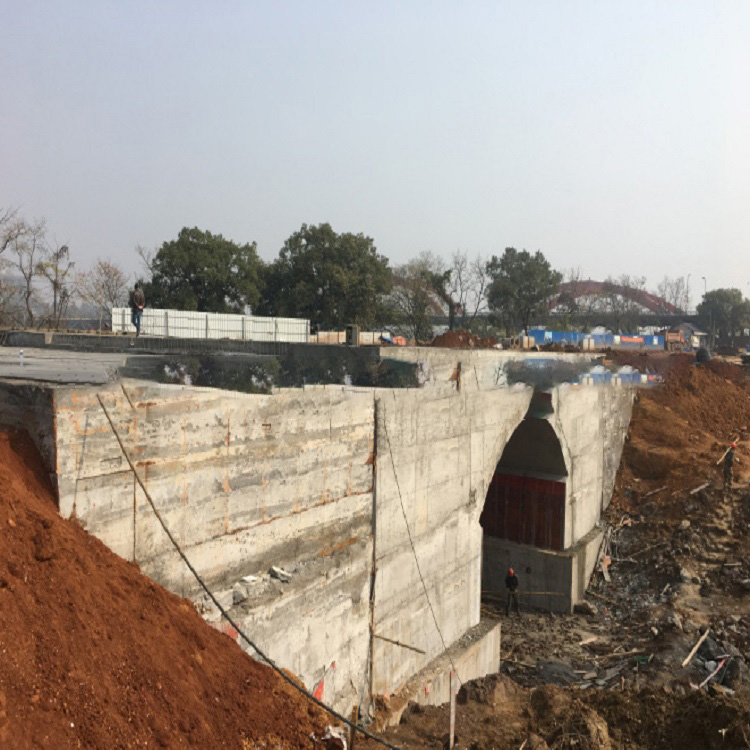








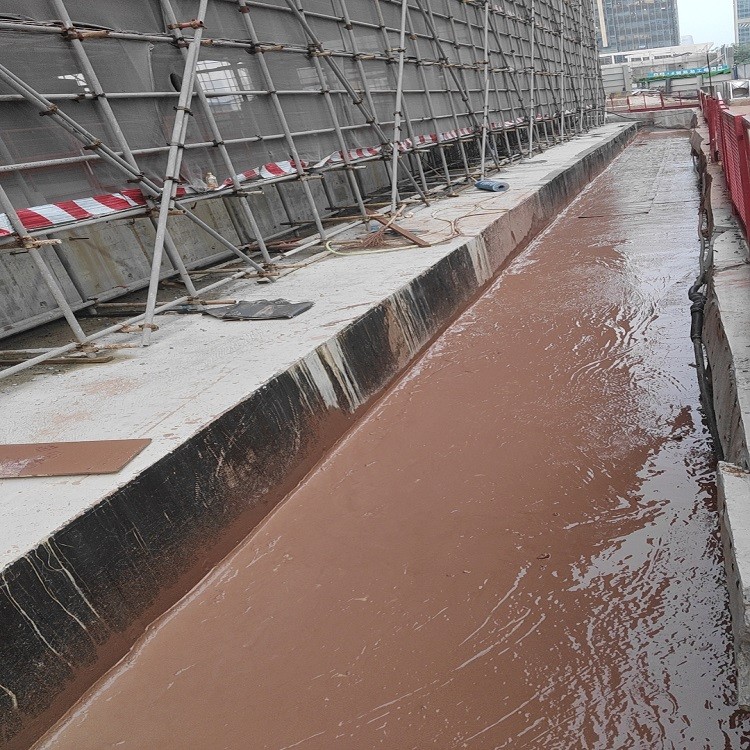
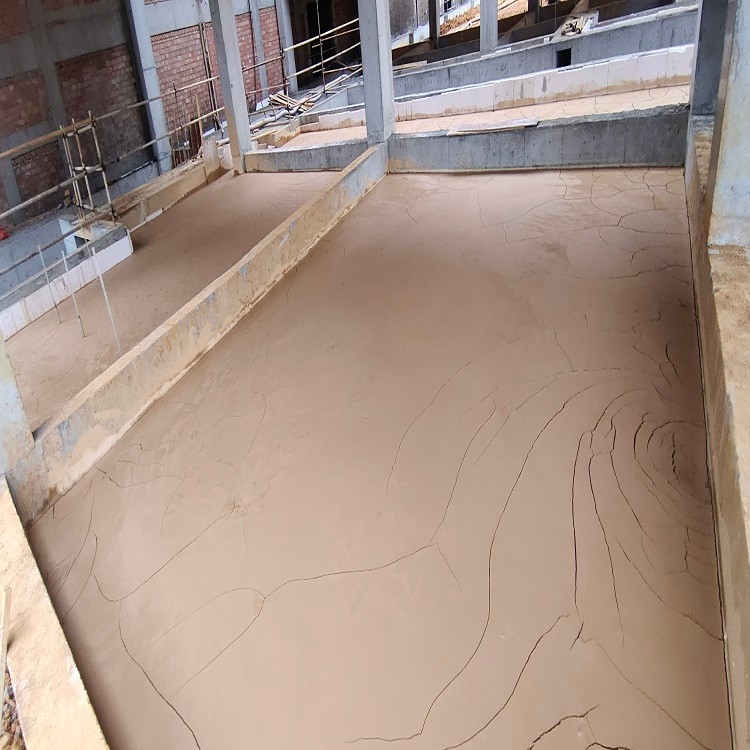
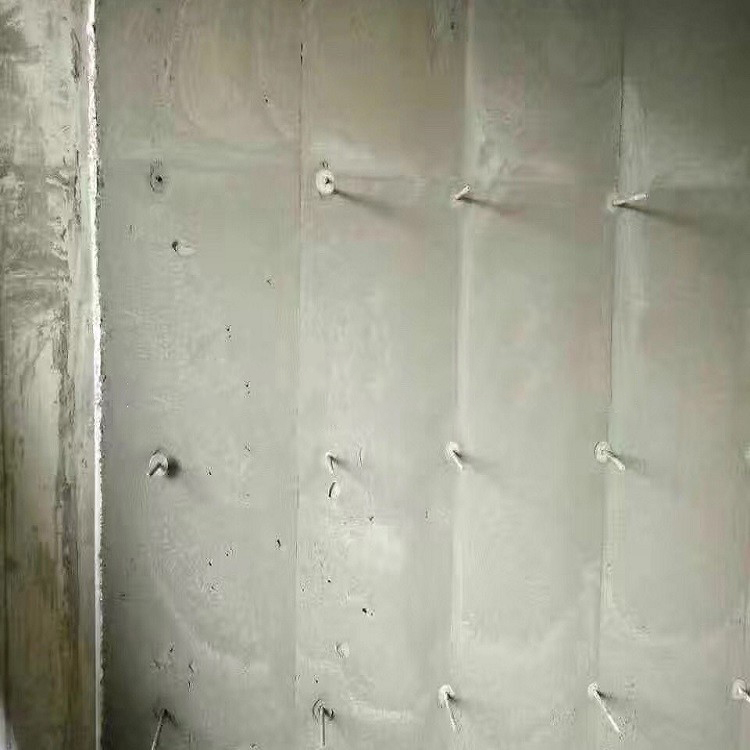
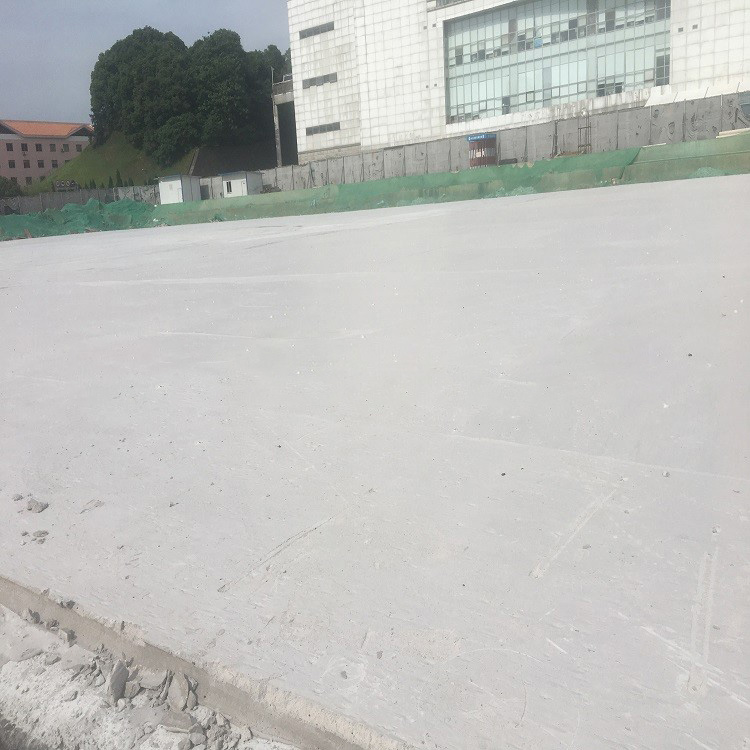
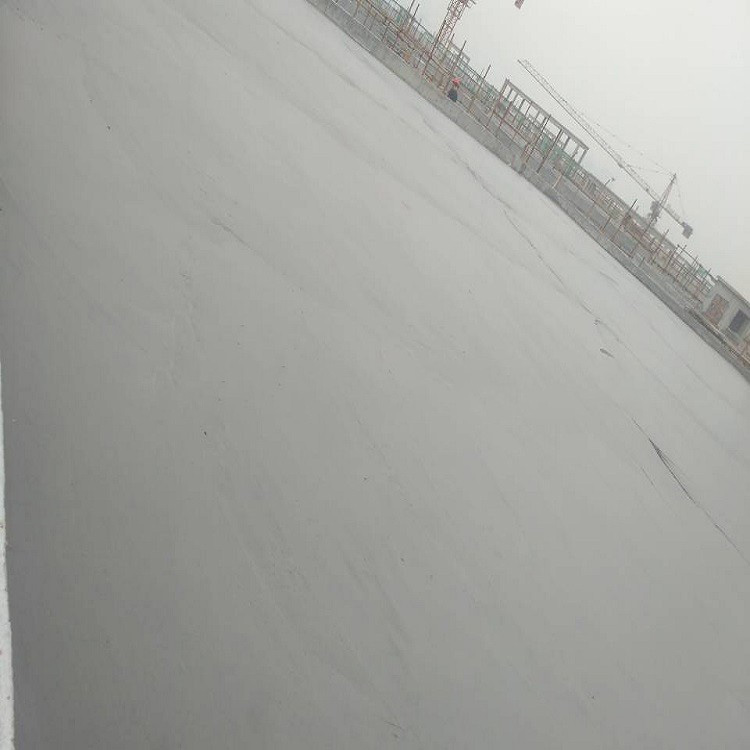
Generally, at transition sections such as the back of bridge abutments, the soft connection between the main bridge and approach bridge.Due to reasons such as loose packing material, excessive load on the packing, insufficient bearing capacity of the foundation, and seepage of rainwater, uneven settlement occurs, which easily leads to the phenomenon of "bridge head jump," also known as "bridge head bounce." The issue of bridge head bounce is an unresolved难题, with 70% of bridge maintenance costs being spent on repairing this problem.
Traditional methods involve enhancing the bearing capacity of the foundation.It's not only difficult to solve the problem fundamentally but also issues like prolonged construction time and high costs exist. During the treatment of the old road bridge jump-up, the conventional method of adding a new layer of pavement directly onto the existing road surface is used to reduce the road slope caused by settlement; however, due to the increased load, the total settlement after repair further increases, inevitably leading to a need for similar pavement repair again at some point in the future, creating a恶性 cycle of post-construction maintenance and post-construction settlement. The application of lightweight soil solves the problem of bridge jump-up effortlessly.
Main advantages of lightweight soil for backfilling bridge abutments:
Significantly reduces the soil fill load, minimizes additional stress on soft foundations, suppresses settlement and lateral movement of soft foundations, and enhances the stability of embankments.
②Alleviate the rigidity abrupt change at the junction of the bridge abutment and subgrade materials.
Completely eliminate the settling of the filling material itself.
④The backfill can stand on its own, exerting minimal pressure on the bridge abutment structure.
⑤ Short construction period.
Lightweight soil for bridge arch backfill:
Primarily leveraging its lightweight properties and superior environmental friendliness, combined with low overall costs, conventional arch backfilling typically uses lightweight materials such as expanded clay aggregate concrete or cinder, but these materials have high water absorption rates and a long construction cycle, and are now increasingly being replaced by lightweight soil.