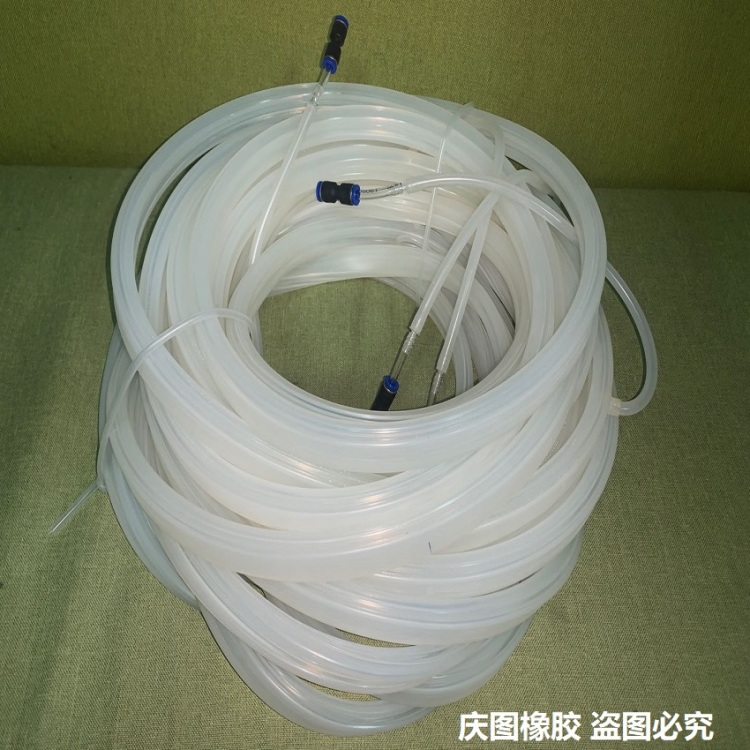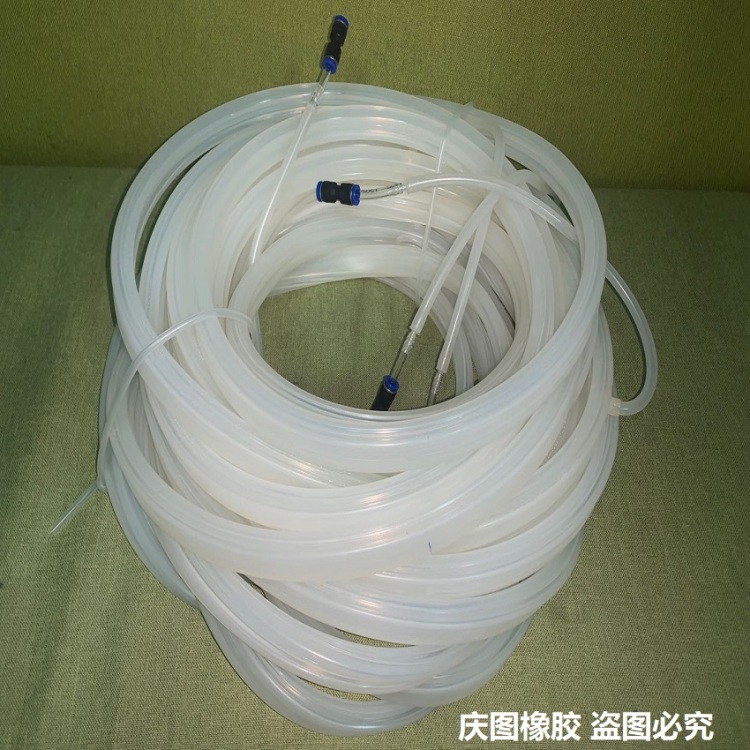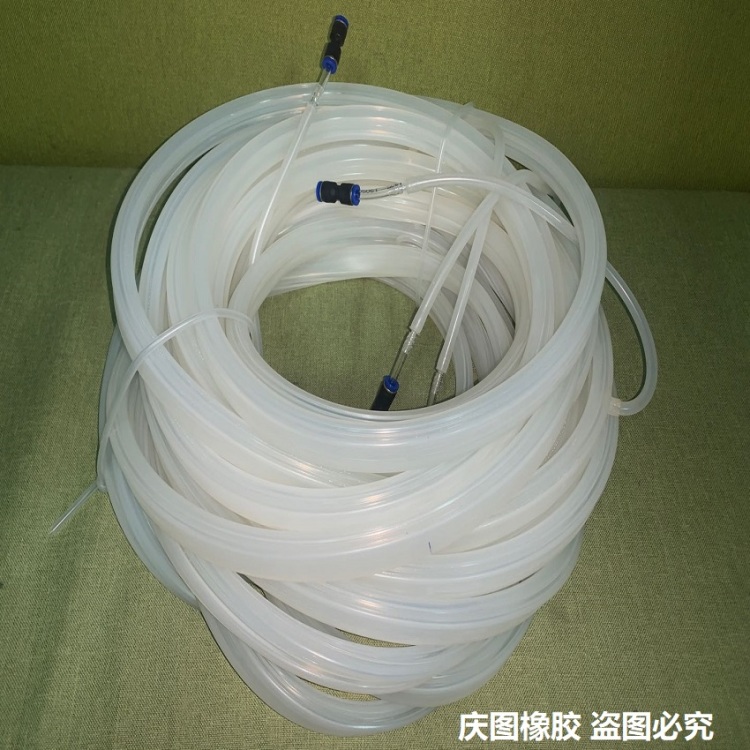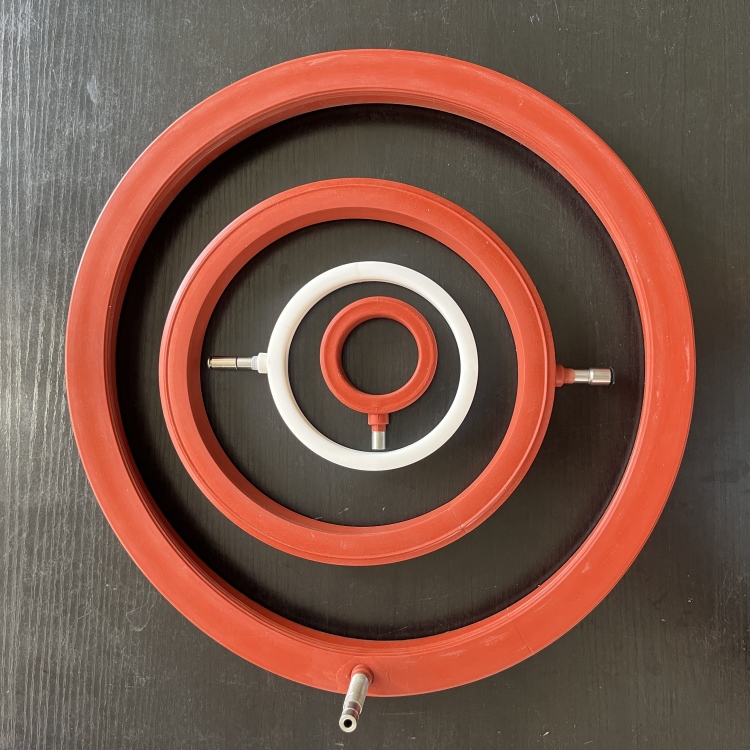

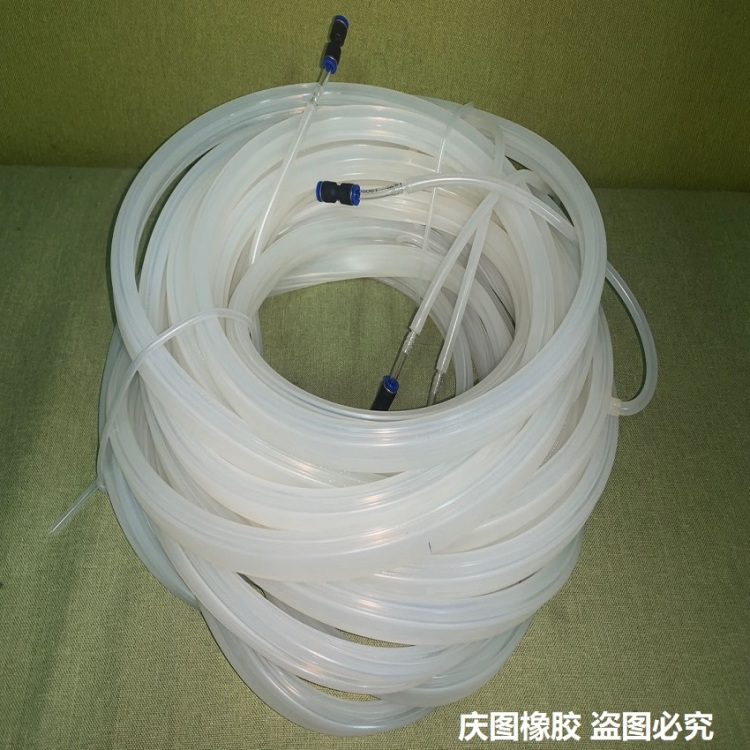

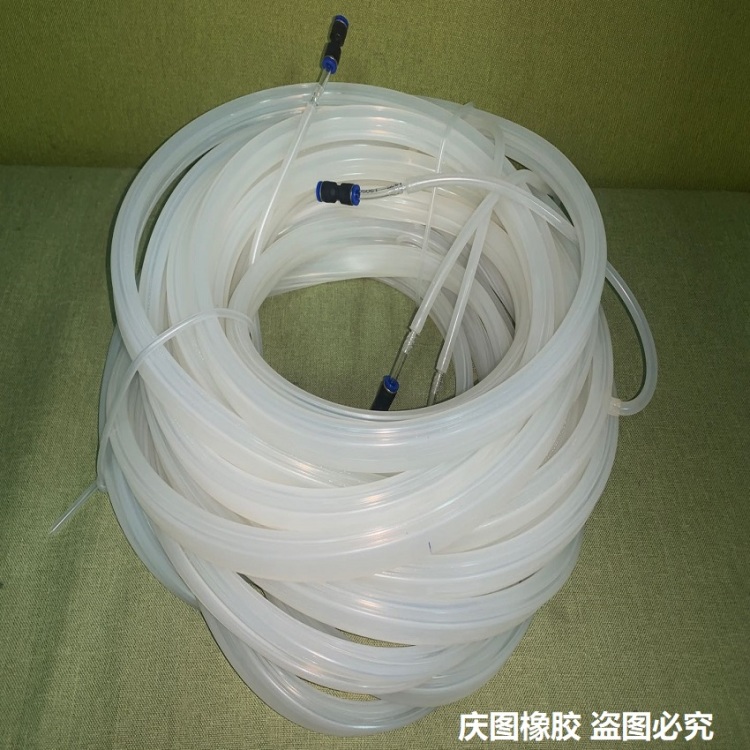
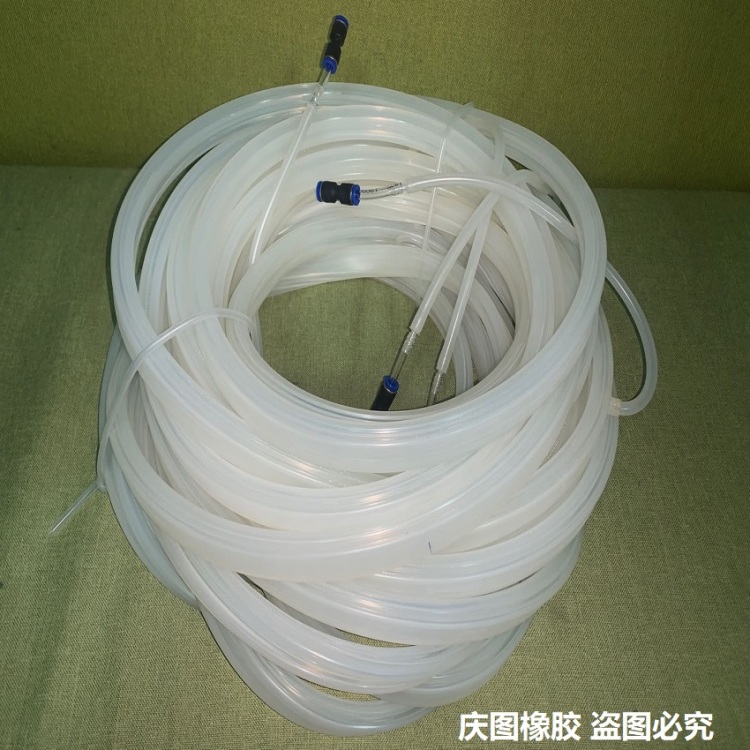







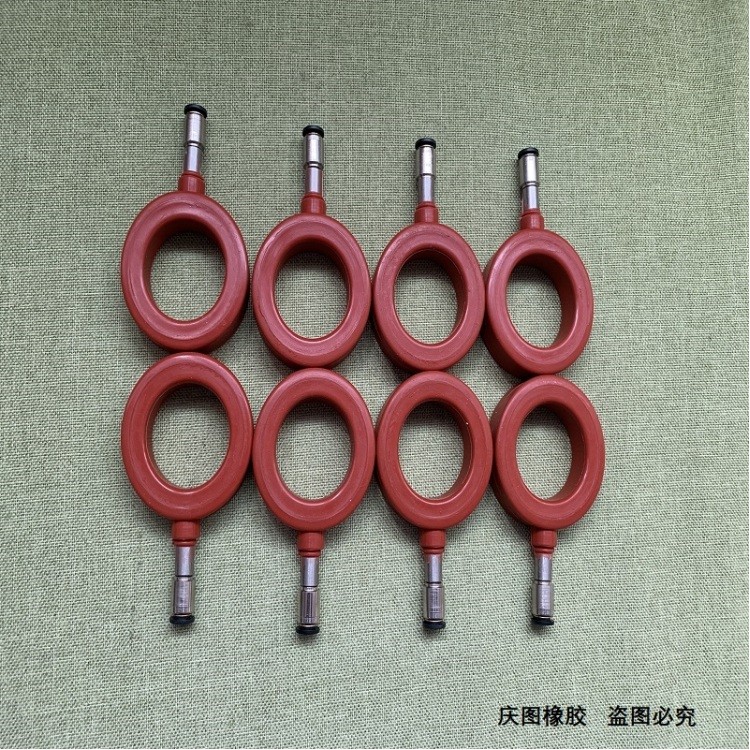
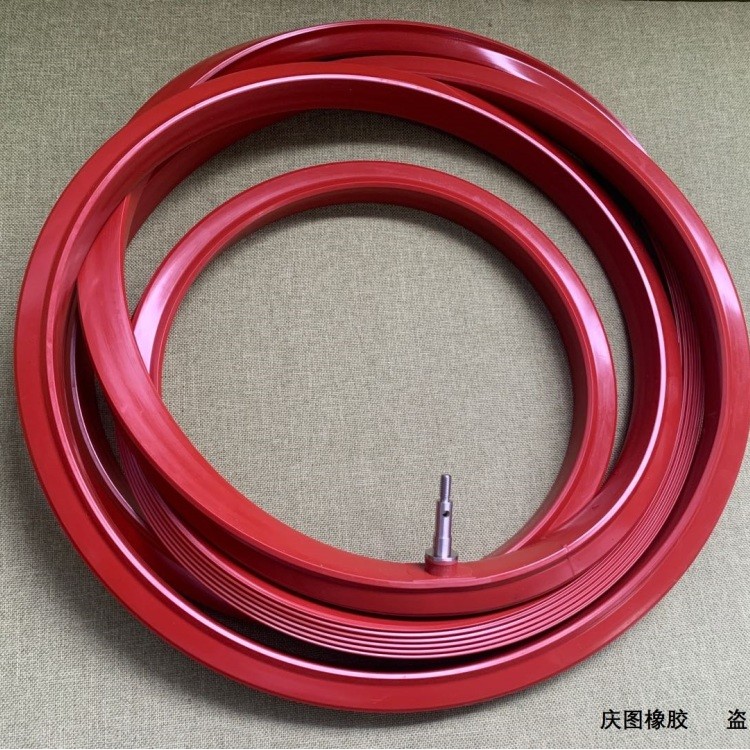
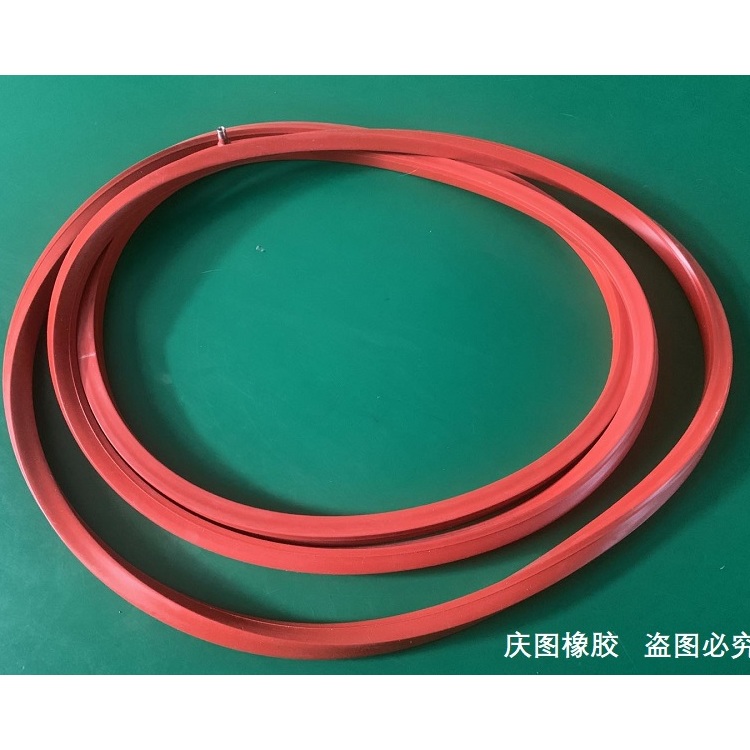
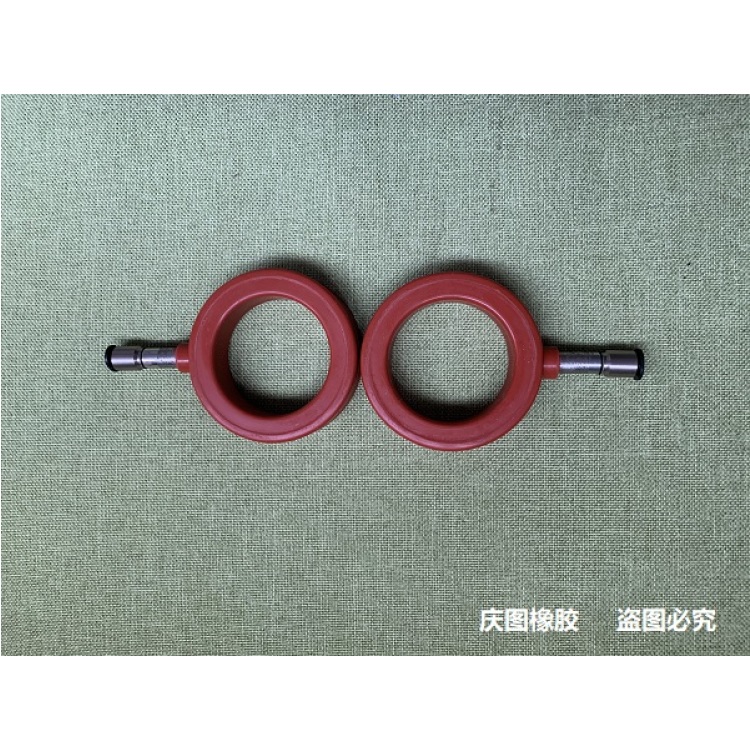
Which factory can customize wind tunnel door inflatable seals? Look no further than Qingtu Rubber. We specialize in the research and production of inflatable seals.
The theoretical basis for wind tunnel experiments is the principle of flow similarity. Due to limitations in wind tunnel size, structure, material, model, experimental gas, and other aspects, achieving complete similarity with real conditions in wind tunnel experiments is impossible. Typical wind tunnel experiments are merely partial similarity simulations. Therefore, before conducting experiments, simulation parameters and the experimental plan should be determined based on the actual content, and suitable wind tunnels and models should be selected. The design and manufacturing of the model are a critical factor in wind tunnel experiments. The model should meet the following requirements: shape should be geometrically similar to the actual object or meet the needs of the research issue (such as simulating internal flow); size should ensure the necessary airflow conditions around the model; surface conditions (such as smoothness or roughness, temperature, and artificial boundary layer transition measures) should be appropriate for the research issue; sufficient strength and rigidity, with the method of supporting the model having minimal impact on the experimental results or being capable of correction; the model should meet the requirements of the testing instruments; it should be easy to assemble and disassemble. Additionally, certain experiments have specific requirements for stiffness and mass distribution. The material of the model is usually high-strength wood or reinforced plastic in low-speed wind tunnels, carbon steel, alloy steel, or high-strength aluminum alloy in high-speed and hypersonic wind tunnels. Some experiments may also use other materials as needed. Models are typically scaled-down, but they can also be full-size or locally magnified to meet certain requirements. For symmetric physical objects, a model simulating half of the actual object can be made using its symmetry.

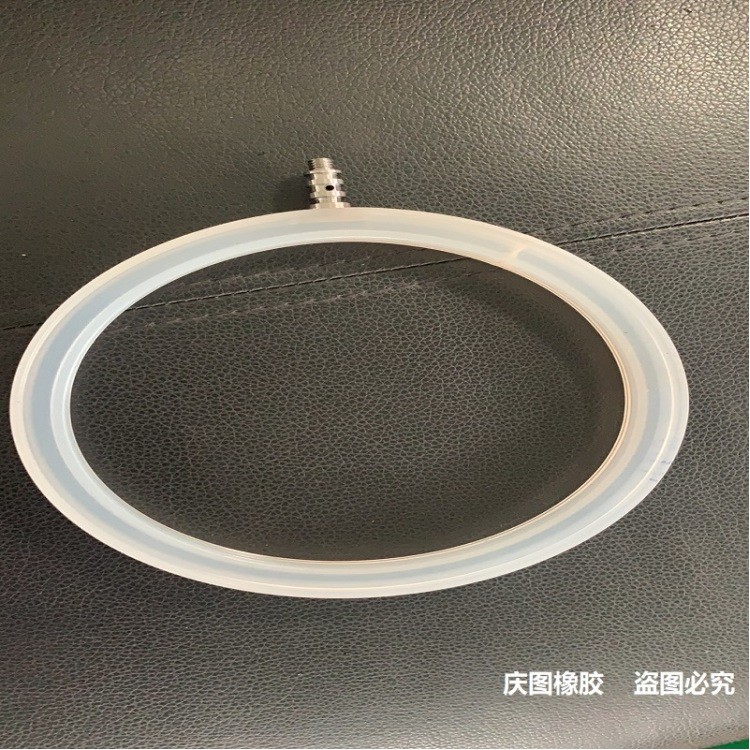
The working principle of inflatable sealing rings: In their natural state, the expandable part of the inflatable sealing ring is retracted within the concave groove of the sealing door. When the equipment requires sealing, air is inflated into the sealing ring bladder through the inlet and outlet nozzles. The sealing ring bladder deforms under the internal pressure, with the concave middle portion expanding outward, fitting tightly against the other sealing surface to achieve the sealing effect. To release the sealed state, air is then expelled through the inlet and outlet nozzles. The expanded part of the sealing ring automatically retracts back into the groove, returning to its natural state and detaching from the sealing surface.
Shanghai Qingtu Rubber Technology Co., Ltd. is a comprehensive enterprise group specializing in the research, design, production, sales, and service of inflatable sealing rings. Since its establishment, Qingtu Rubber has consistently adhered to a policy of high standards and strict requirements, from raw materials to production processes and product inspections. We strive for focus and ensure the continuous stability of the quality of inflatable sealing rings, thereby earning the trust of our clients.