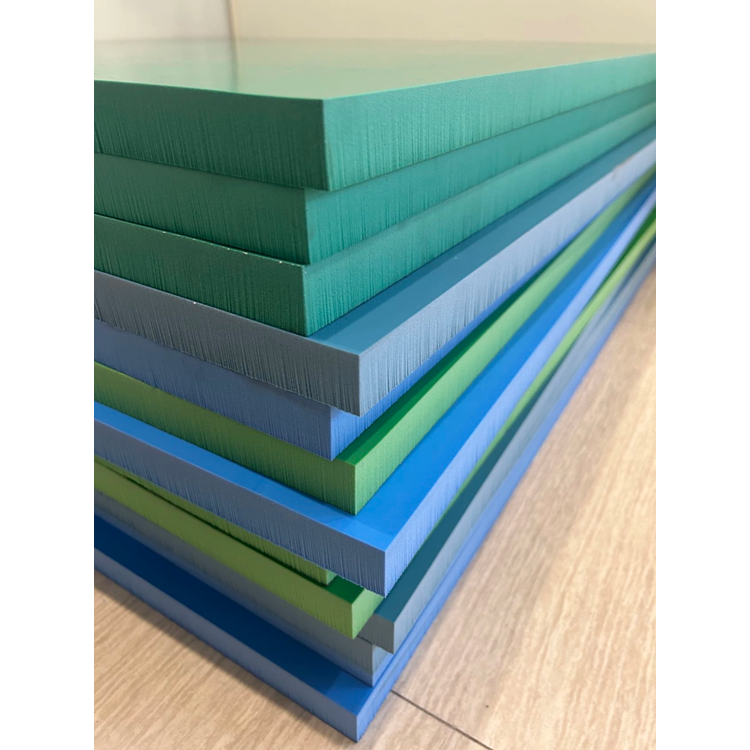

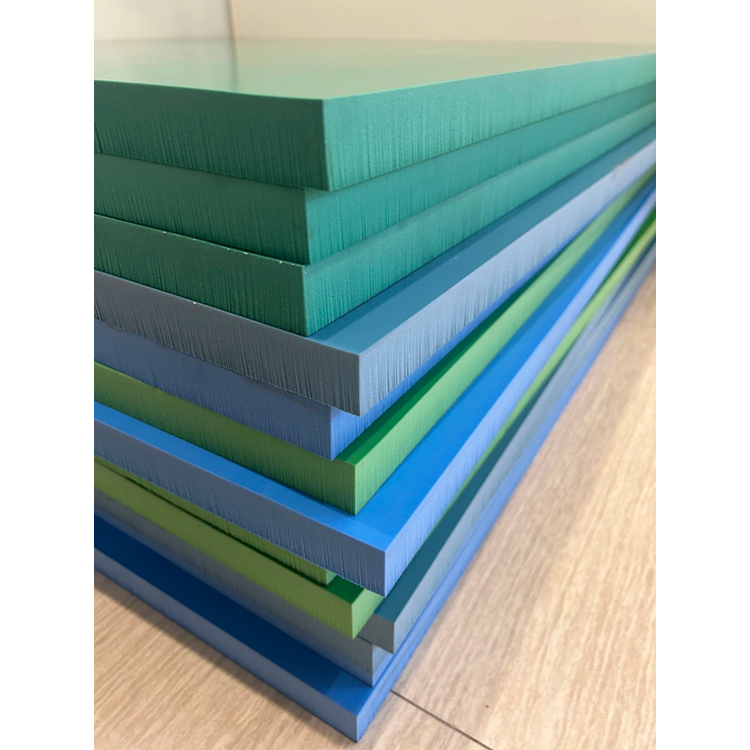

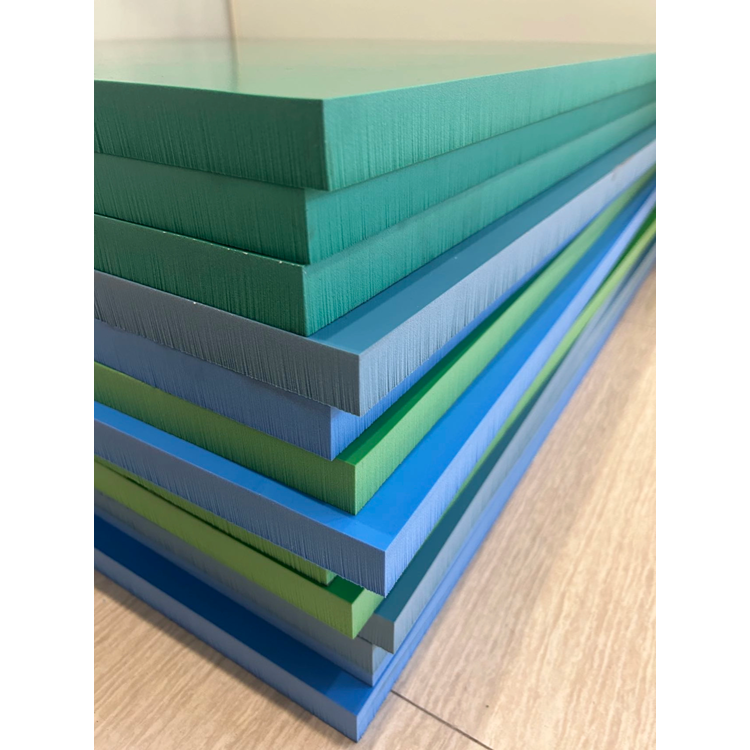












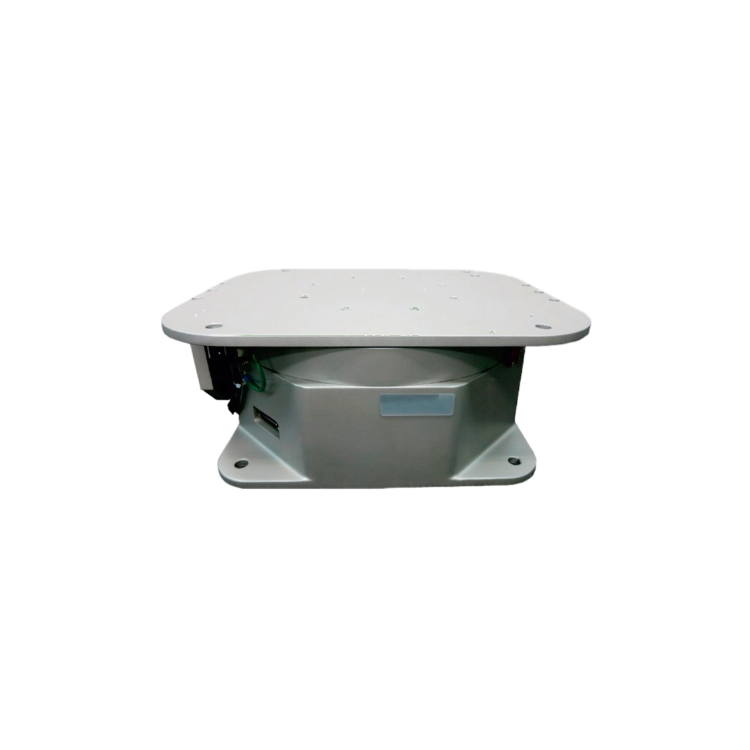
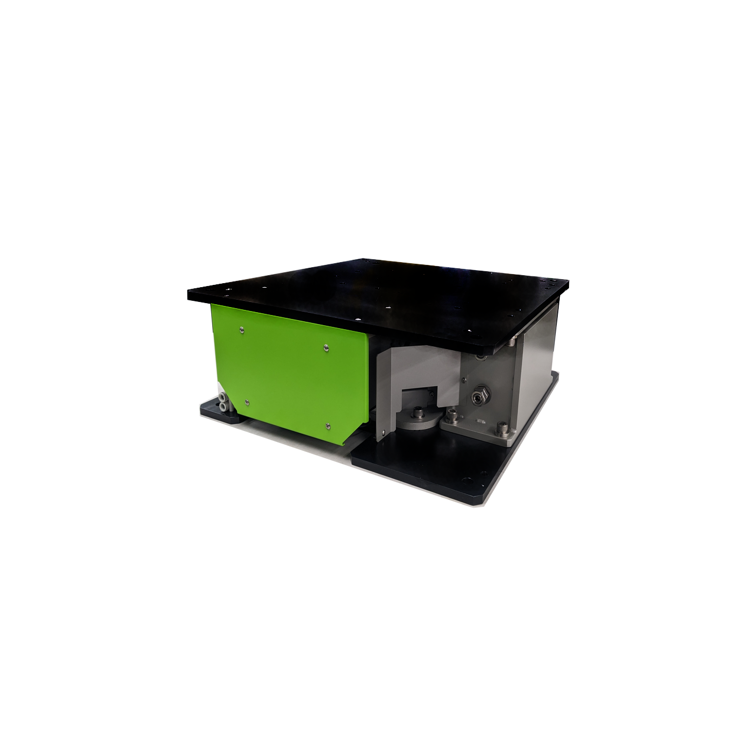
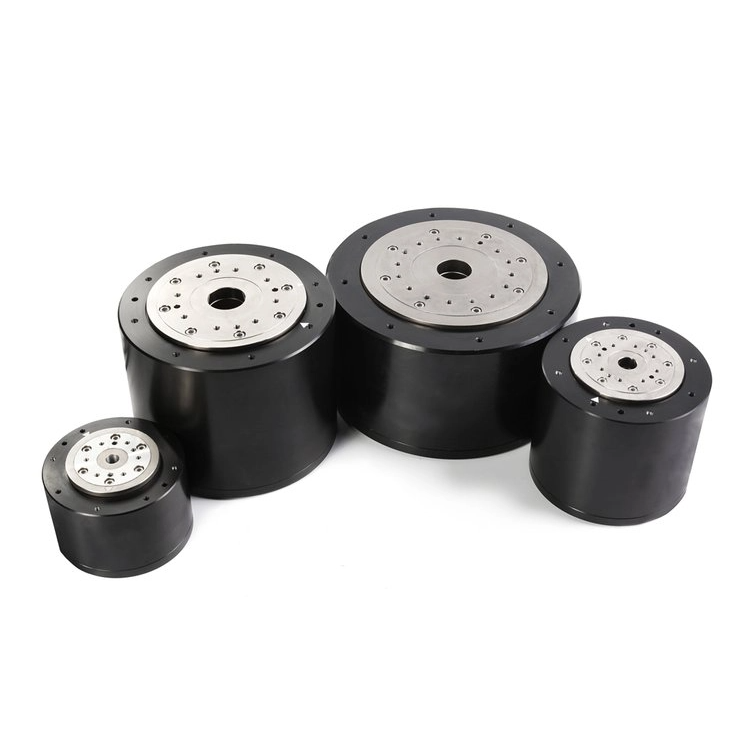
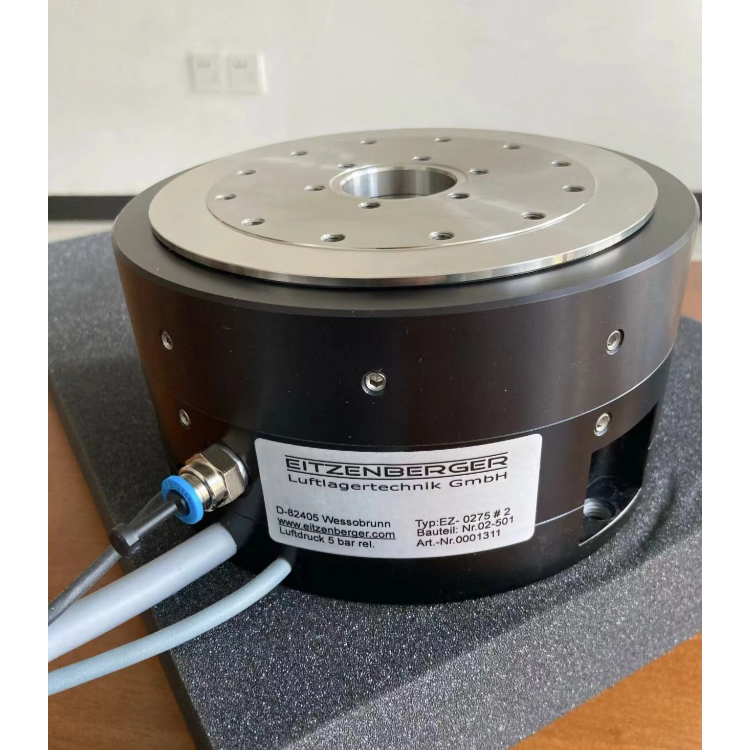
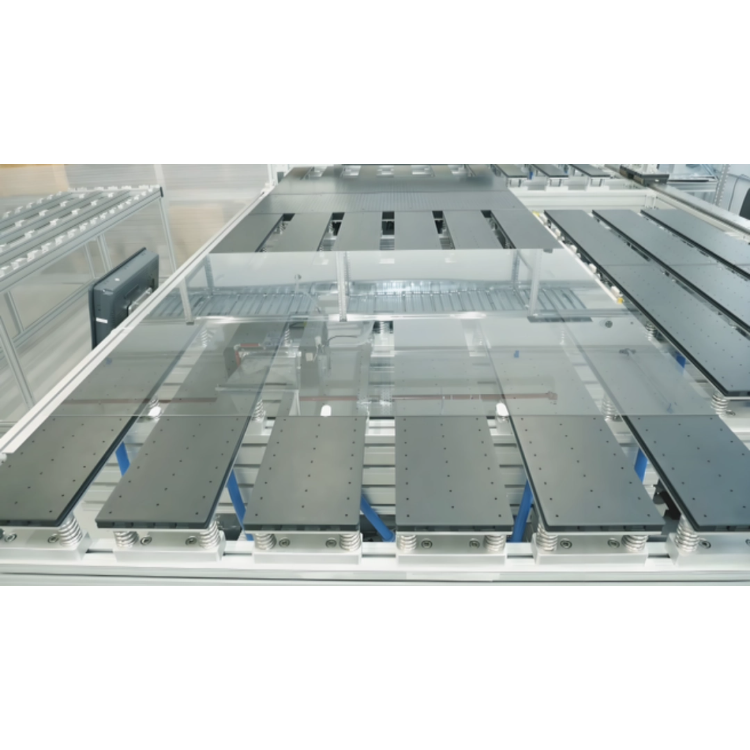
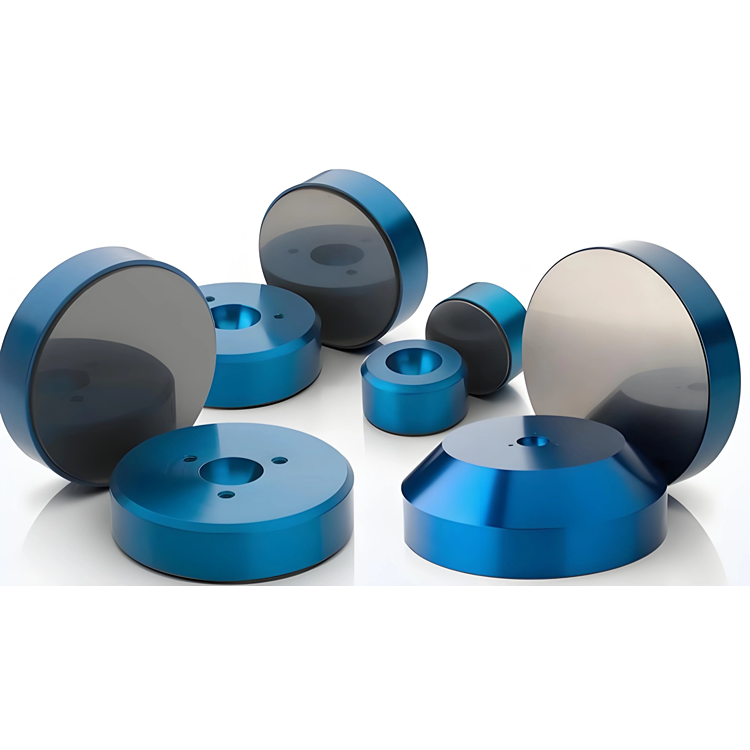
Polyurethane vibration isolators are vibration and shock-absorbing components made using the excellent properties of polyurethane (PU) elastomers, widely used in industrial equipment, transportation vehicles, and building structures to reduce vibration transmission, lower noise, and protect equipment. Below is a detailed introduction to polyurethane vibration isolators:
Polyurethane material characteristics
High elasticity and damping propertiesPolyurethane combines the elasticity of rubber with the strength of plastic, effectively absorbing vibration energy and reducing resonance.
Oil and corrosion resistantPolyurethane exhibits superior resistance to oils, solvents, and ozone compared to standard rubber, making it suitable for harsh environments.
Wide hardness rangeHardness can be adjusted from Shore A 20 to D 80 by modifying the formula, catering to various load requirements.
Weather-resistantStable performance between -40℃ and 80℃; some special formulations can accommodate higher or lower temperatures.
Anti-agingLong-lasting performance with slow degradation over time, offering extended lifespan.
2. Main Application Scenarios
Industrial EquipmentVibration isolation for heavy equipment such as compressors, pumps, generators, and stamping machines.
TransportationAutomotive suspension systems, rail transit suspension, engine mounts, and vibration dampening for marine equipment.
Construction IndustryIsolation pads for buildings, pipe supports, and vibration reduction for outdoor AC units.
Precision InstrumentsEquipment sensitive to vibration, such as electronic devices and optical platforms.
3. Product Advantages
Customized Design: Shapes, hardness, and sizes can be adjusted according to load, frequency, and environmental requirements.
Easy installationTypically block-shaped, plate-shaped, or cylindrical, they are directly placed between the equipment and the foundation.
Economical and efficientCost is lower than metal spring vibration isolators, and maintenance is simple.
Eco-friendly and non-toxicNo heavy metals added, some models are recyclable.
4. Selection Key Points
Load RequirementsSelect vibration isolators with appropriate load-bearing capacity based on the equipment's weight to avoid overloading or insufficient effect.
Frequency MatchSelect products with damping characteristics that match the equipment vibration frequency (such as low-frequency or high-frequency).
Environmental AdaptabilityFor high-temperature, humid, or chemically corrosive environments, special formula polyurethane should be selected.
Static and Dynamic PerformanceStatic compression volume and dynamic stiffness ratio (dynamic stiffness/static stiffness) are key parameters.
5. Common Types
Flat PanelSimple and versatile, suitable for equipment bases or pipe supports.
Ribbed/ConvexEnhanced lateral stability, suitable for horizontal vibration scenarios.
CompositeCombined with metal plates and fiber materials, enhances load-bearing or sound insulation properties.
Micro-porous: Features closed-cell structure, providing both vibration isolation and soundproofing.
6. Compare with other vibration isolation materials
| Features | Polyurethane vibration isolating pads | Rubber Vibration Isolation Pads | Metal Spring |
|---|---|---|---|
| Damping performance | Please provide the Chinese content to be translated. | Good | Poor (requires damping) |
| Carrying capacity | Medium to High | Low to Medium | Extremely |
| Oil resistance | Optimal | Discrepancy | Yoo |
| High-frequency Vibration Damping | Please provide the Chinese content to be translated. | Good | Discrepancy |
| Cost | Please provide the Chinese content to be translated. | Low | High |
7. Important Notes
Avoid overloadingLong-term overloading can lead to deformation and loss of elasticity.
Regular inspectionsEspecially in high-temperature or chemical environments, inspect for aging and cracking conditions.
Install flatEnsure even distribution of force on the contact surface to avoid localized stress concentration.