












1. The core structure and working principle of the flotation roller
(1) Basic Structure
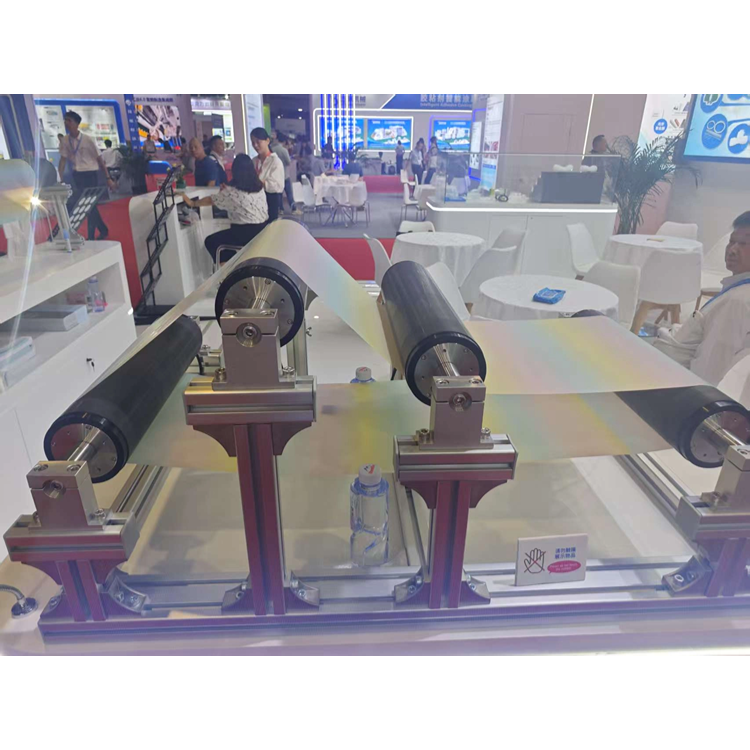
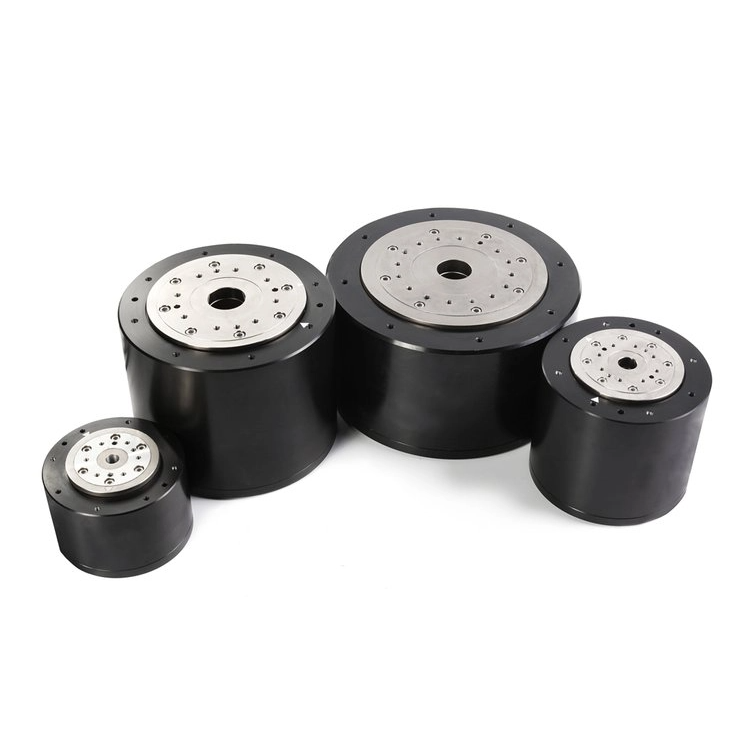
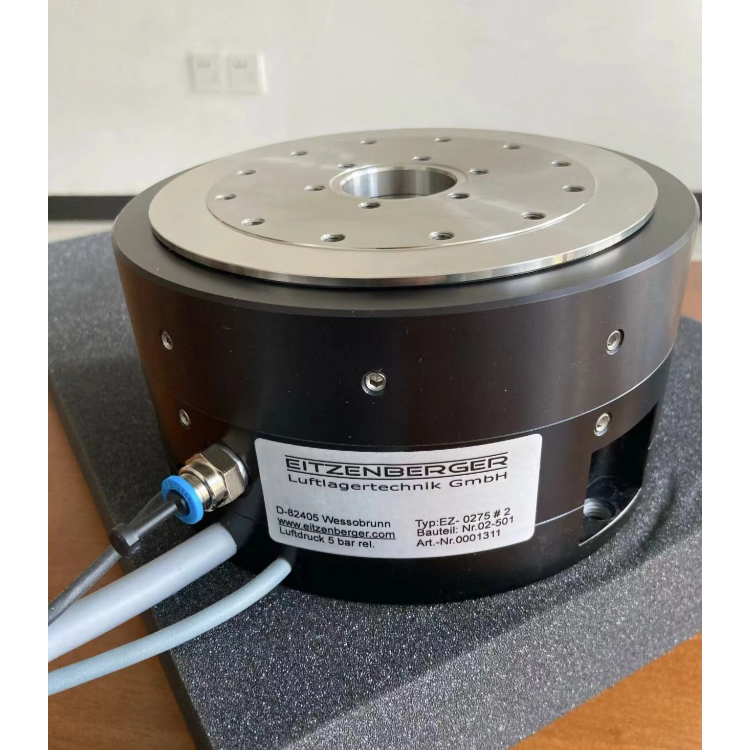
Roller BodyTypically made of high-strength aluminum alloy or stainless steel, featuring a surface with precisely distributed pores or grooves.
Gas cavityInternally hollow, compressed air is evenly distributed through the air cavity to the surface pores.
Gas Supply SystemIncluding air compressors, filters, pressure regulators, etc., to ensure stable air pressure (usually 0.2~0.6 MPa).
Support StructureEnd bearings or magnetic suspension supports (for high-end applications), reducing mechanical friction.
(2) Working Principle
Compressed air is ejected from the roll surface apertures, forming a layer between the roll and the material (such as film, foil).Micron-grade gas film(approx. 10~50 μm), to enable the material to be suspended and transported, achieving:
Touchless ConveyanceAvoid scratching and particle contamination.
Uniform Tension Control: The air film damping is adjustable, suitable for high-speed or precise winding.
Eliminate static electricitySome designs incorporate an ionic wind device to reduce static adhesion.
2. Key Technical Features of Air Floating Roller
| Features | Description |
|---|---|
| Non-contact | Material and roller surface have no physical friction, suitable for ultra-thin/sensitive materials (such as lithium battery separator, optical film). |
| High precision | The uniformity of the air film directly affects the flatness of the material, with high-end roller bodies achieving a roundness of ±1μm. |
| Adjustable Pressure | Adjustable air film thickness via pressure control, catering to varying material weights and tension requirements. |
| Low-energy consumption | Compared to magnetic levitation rollers, air floating rollers have lower energy consumption, but require a stable gas source. |
| Purity | Oil-free and suitable for semiconductor and medical-grade production environments. |
3. Typical Application Scenarios
Lithium-ion Battery Anode Sheet Manufacturing:
For coating, rolling, and slitting processes, to prevent copper foil/aluminum foil from scratching.
Film/Flexible Material Processing:
Non-destructive transmission of PET film, optical film, and tape.
Printing and Packaging:
Prevent paper wrinkling or ink transfer in high-speed printing machines.
Semiconductor/Display Panel:
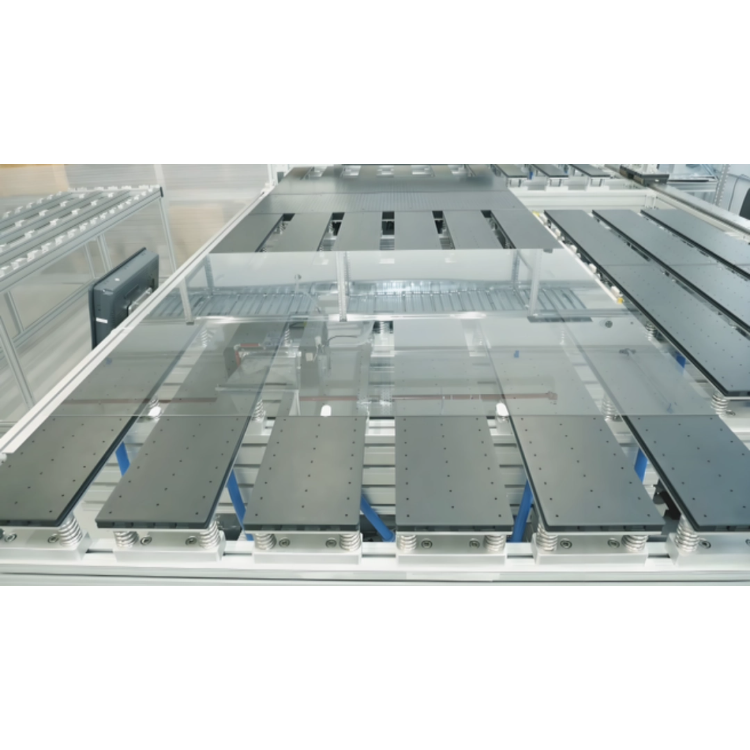
Transport glass substrates and wafers to minimize dust contamination.