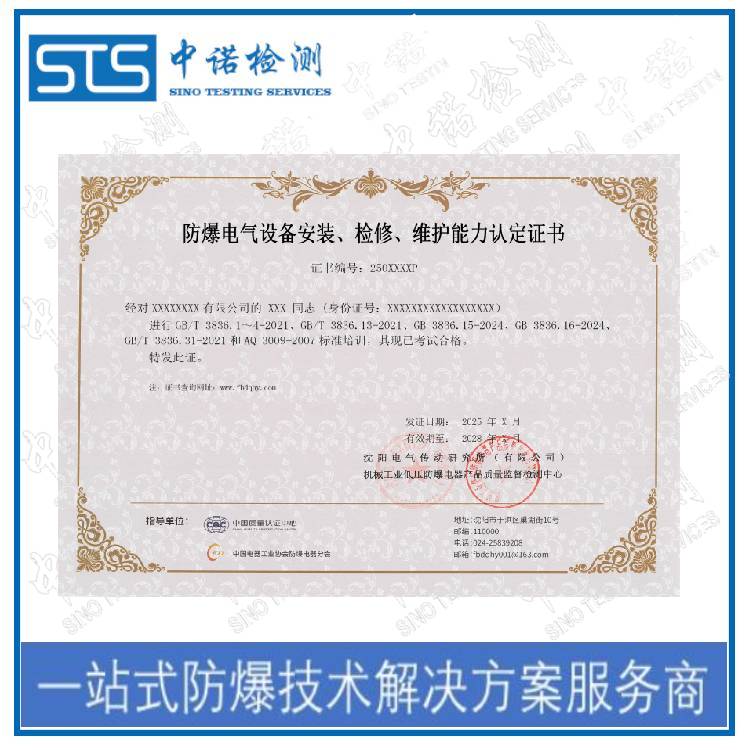

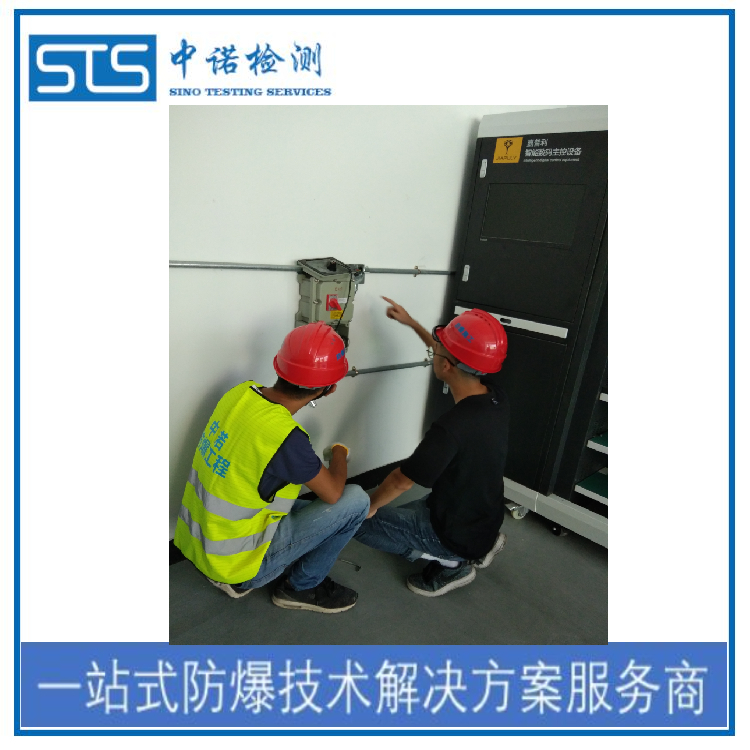
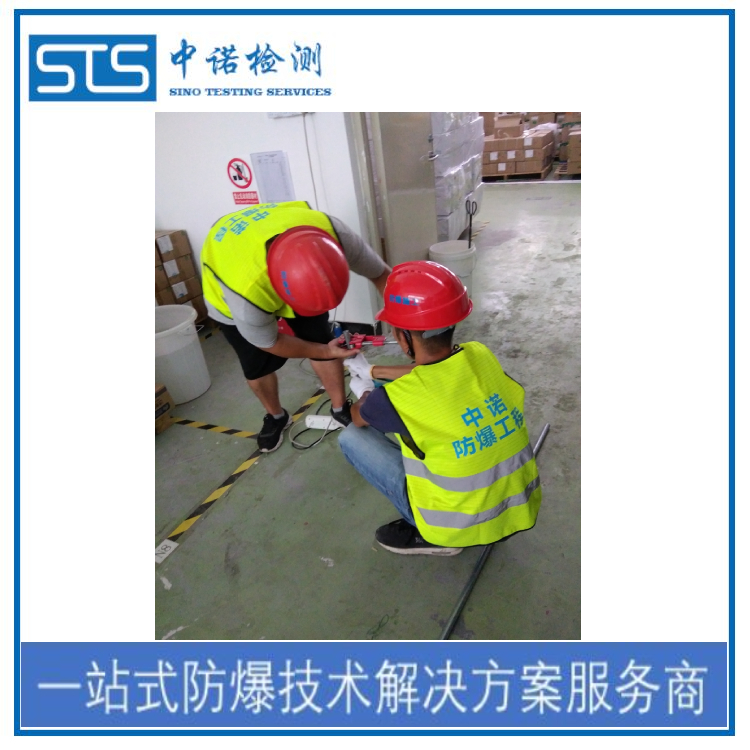


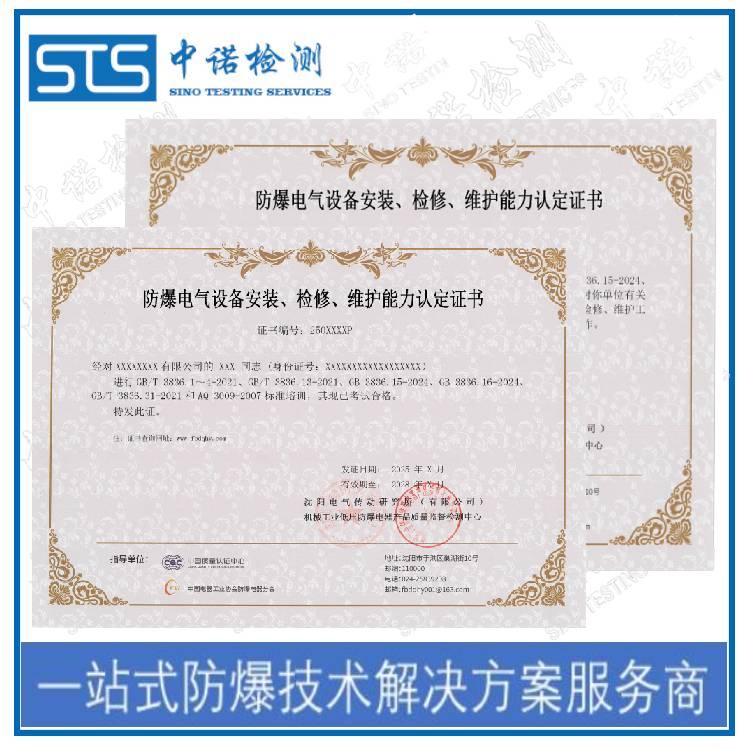
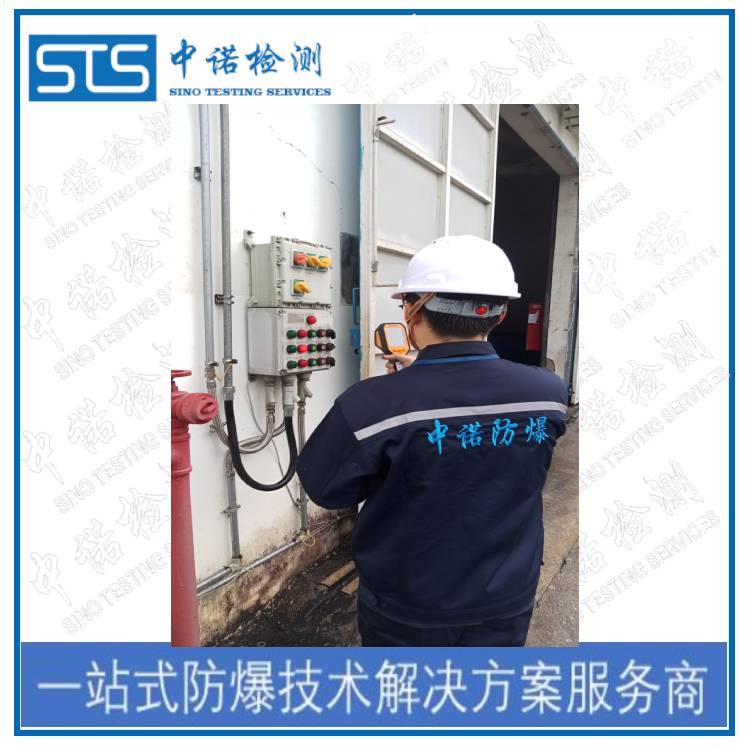
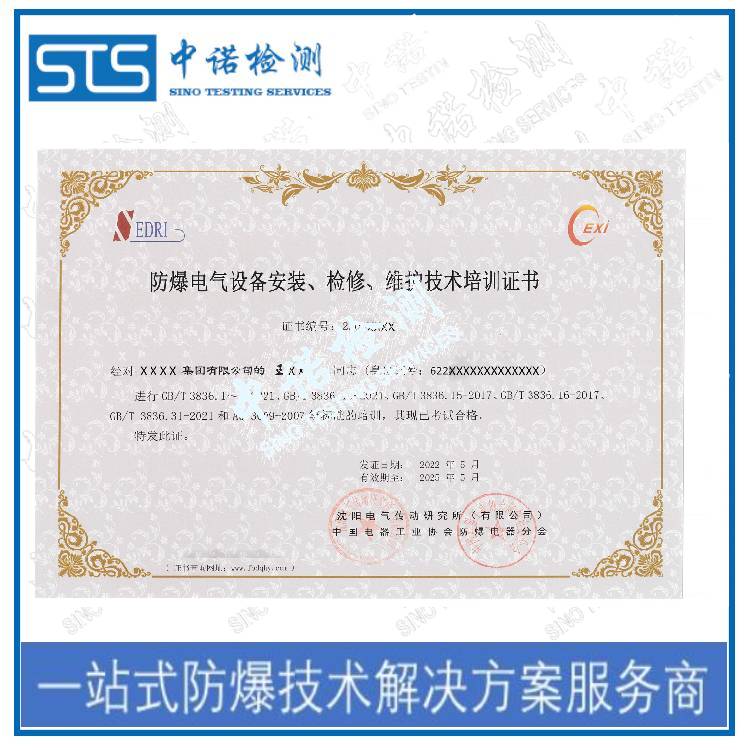







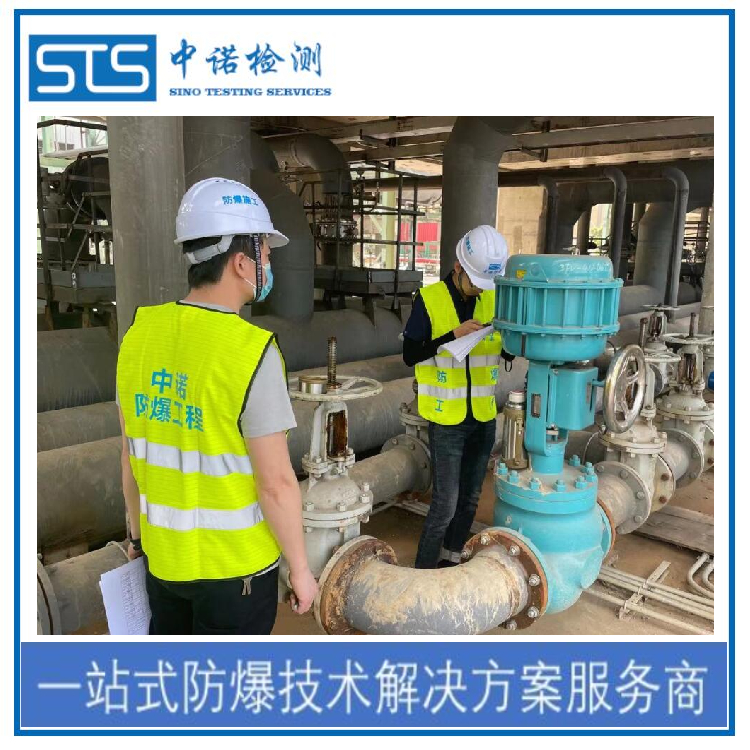
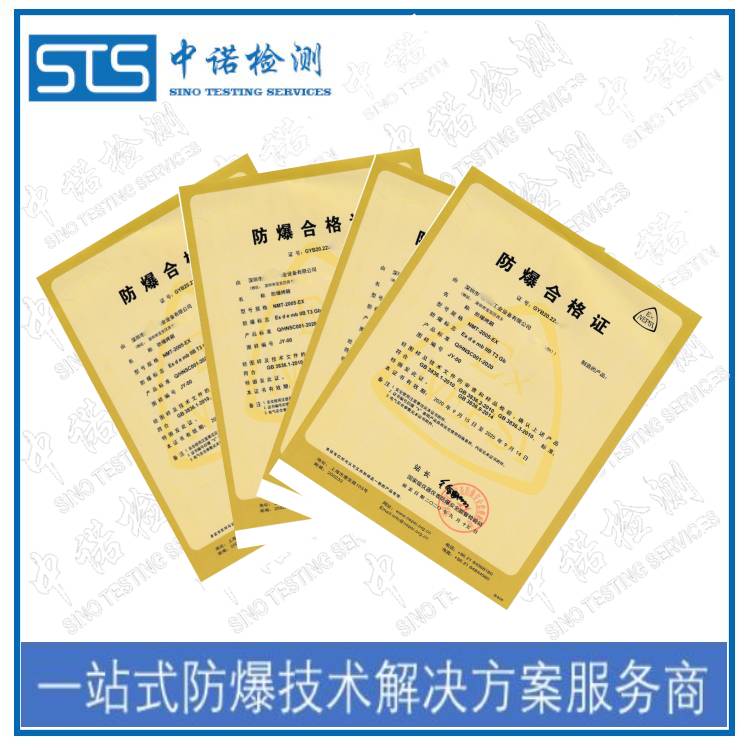
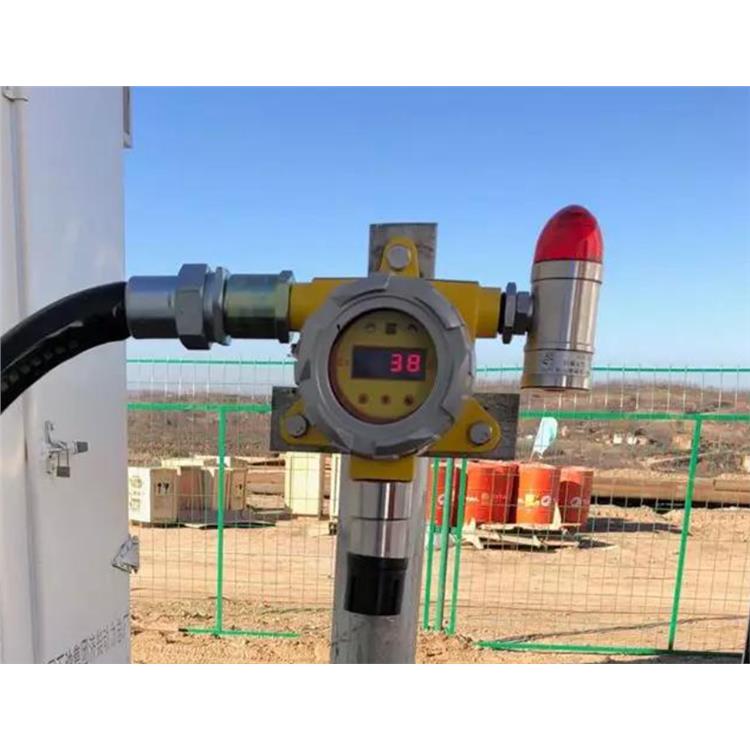
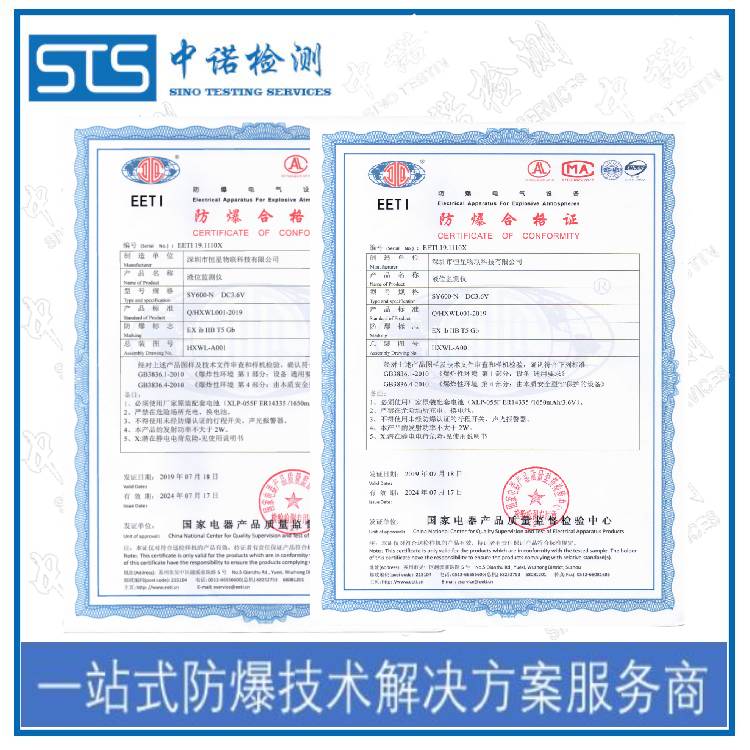


Shenzhen Zhongnuo Inspection & Technology Co., Ltd. is based in South China and offers a range of explosion-proof consulting services, including on-site construction, safety inspections, renovations, project acceptance, and installation. We are well-versed in explosion-proof construction standards and boast experienced construction teams. We have served major enterprises such as PetroChina, LG, Huanlan Environment, BOE, and Sinovac, earning consistent praise and trust from our clients!
Installation of electrical circuits in explosive environments shall comply with the following regulations (shared by Shenzhen ZhongNuo Testing Technology Co., Ltd.)
Electrical wiring should be installed in environments with low explosion hazards or far from release sources, and should comply with the following regulations:
1) When the weight of the material is heavier than air, electrical wiring should be installed at a higher level or directly buried. For overhead installation, cable trays should be used; when laying in a cable trench, sand should be filled in the trench, and drainage measures should be established.
2) Electrical wiring should be laid outside the walls of buildings or structures where explosion hazards exist.
3) In explosive dust environments, cables should be laid in locations where dust does not accumulate easily and is easy to remove.
(2) Holes in walls or floors at different areas crossed by electrical cable trenches, cable trays, or conduits should be tightly sealed with non-combustible materials.
(3) When laying electrical lines, it is advisable to avoid areas susceptible to mechanical damage, vibration, corrosion, ultraviolet radiation, and potential heat exposure. If avoidance is not possible, preventive measures should be taken.
(4) Conduit wiring can use insulated single-core or multi-core wires without sheath. When the conduit contains three or more wires, the total cross-sectional area of the wires including the insulation should not exceed 40% of the conduit's cross-sectional area. The conduit should be made of galvanized steel焊接 pipes for low-pressure fluid conveyance. The threaded section of the steel pipe connection should be coated with lead oil or phosphating paste. In areas where condensation water may form, a sealed joint for draining condensation water should be installed on the pipeline.
(5) Electrical wiring for piping in explosive gas environments should be properly insulated and sealed, and shall comply with the following regulations:
1) During normal operation, all ignition source enclosures within a 450mm radius should be sealed off.
2) Steel pipes with a diameter of 50mm or more should be isolated and sealed within 450mm of the incoming junction box.
3) Isolation and sealing should be carried out between adjacent explosive environments, as well as between explosive environments and adjacent other hazardous or non-hazardous environments. During sealing, the bottom layer or separator should be filled with fibers for the filling layer, and the effective thickness of the filling layer should not be less than the inner diameter of the steel pipe, and should not be less than 16mm.
4) Connection parts for isolation sealing should not be used for wire connections or branching.
(6) Intermediate joints are strictly prohibited in cable lines within Zone 1, and intermediate joints should not be present in Zones 2, 20, and 21.
(7) When connecting the ends of cables or wires, if the internal conductors are stranded, the ends should be connected using a molded terminal or crimped connector. The connection and termination of aluminum-core insulated conductors or cables should be done by crimping, soldering, or welding. When connecting to equipment (excluding lighting fixtures), a copper-aluminum transition connector should be used.
(8) Overhead power lines shall not cross explosive gas environments. The horizontal distance between overhead lines and explosive gas environments should not be less than 1.1 times the height of the tower. In special cases, after taking effective measures, the distance may be appropriately reduced.
Equipment grounding in explosive environments shall comply with the following regulations (shared by Shenzhen ZhongNuo Testing Technology Co., Ltd.)
In accordance with the relevant provisions of the current standard "Code for Grounding Design of AC Electrical Installations" GB/T50065, the following parts that do not require grounding should still be grounded in explosive environments:
1) Equipment with a normal non-electrified metal housing, with alternating current rated voltage below 1000V and direct current rated voltage below 1500V, in poor conductive ground areas.
2) In dry environments, equipment with alternating voltage of 127V or less and direct voltage of 110V or less typically has non-conductive metal casings without electrical charge.
3) Equipment installed on a grounded metal structure.
(2) In explosive hazardous environments, the exposed conductive parts of the equipment should be reliably grounded. All equipment within explosive environment zones 1, 20, and 21, and other equipment within zones 2 and 22 except for lighting fixtures, should use dedicated grounding wires. If these grounding wires are installed in the same protective conduit as the phase wires, they should have insulation equal to that of the phase wires. Lighting fixtures within explosive environment zones 2 and 22 can utilize a metal piping system with reliable electrical connections as a grounding wire, but not piping used for conveying materials.
(3) In different directions of the slope in the explosive hazard area, the grounding main should be connected to the grounding body at least twice.
Basic Knowledge and Requirements for防爆 Cable Use at Construction Sites (Shared by Shenzhen ZhongNuo Testing Technology Co., Ltd.)
Installation methods for electrical wiring in explosive gas environments can be categorized into cable wiring and conduit wiring methods.
Note: The installation of inherently safe circuits is not subject to the provisions of this section.
7.1 General Provisions
7.2 Electrical wiring should be installed in areas with low explosion hazard or at a greater distance from the source of release, avoiding locations susceptible to mechanical damage, vibration, corrosion, dust accumulation, and those with hazardous temperatures. When avoidance is not possible, preventive measures should be taken.
7.3 The selected low-voltage cables or insulated conductors must have a rated voltage higher than the working voltage of the line, but not less than 500V. Insulated conductors must be laid inside conduits.
7.4 Prohibition of overhead lines at 10kV and below crossing explosive gas environments; the horizontal distance between the overhead line and the explosive gas environment should not be less than 1.1 times the height of the pole tower.
7.5 Cables and their accessories should be installed in a location that prevents damage from external mechanical forces, corrosion, or chemical influences (such as solvent effects), as well as the effects of high temperatures (also see 6.1.2.4.4 for this safety circuit). If these conditions cannot be avoided, protective measures should be taken during installation, such as using conduits or selecting the cable type (armored cables, shielded wires, seamless aluminum sheathed cables, mineral insulated metal sheathed cables, or semi-rigid sheathed cables, etc., to minimize damage).
7.6 Solid-core wires without sheath shall not be used for conductive wiring unless they are installed inside a distribution board, enclosure, or conduit system.
Basic knowledge for explosion-proof electrical installation includes the following points:
Division and grouping of explosive substances, classification and zoning of explosive hazardous areas.
Explosive gases should be classified based on their Maximum Experimental Safety Gap (MESG) or Minimum Ignition Current Ratio (MICR), and grouped by their ignition temperature. Combustible dusts, categorized by their conductivity, are divided into conductive and non-conductive types, and grouped by their low ignition temperature. Hazardous areas with explosive risks are classified into two categories: gas explosion hazard areas and dust explosion hazard areas. The hazardous areas are divided into three zones (0, 1, and 2) based on the frequency and duration of explosive gas environments. For combustible dust/air mixtures, the zones are classified into three levels (20, 21, and 22) based on the frequency and duration of their occurrence and the thickness of the dust layer.
Two: Selection of explosion-proof electrical equipment for hazardous explosive areas.
The selection principles for explosion-proof electrical equipment are safety and reliability, as well as economic and reasonable. The selection should be based on the level of the explosive hazardous area and the type, grade, and group of the explosive hazardous substances. Refer to the specific selection table in standard AQ3009-2007 for details.
3. Installation of electrical lines and explosion-proof electrical equipment in hazardous explosive areas.
Installation methods for electrical wiring in explosive gas environments can be divided into cable wiring and conduit wiring. Electrical wiring should be installed in areas with lower explosion hazards or at a greater distance from the source of release, avoiding locations prone to mechanical damage, vibration, corrosion, dust accumulation, and areas with dangerous temperatures. When avoidance is not possible, preventive measures should be taken. The low-voltage cables or insulated conductors used must have a rated voltage higher than the working voltage of the circuit and not less than 500V. Insulated conductors must be installed within conduits. For specifics, refer to training courses on explosion-proof electrical installation, maintenance, and repair.
Four: Inspection and maintenance of explosion-proof electrical equipment in hazardous areas.
To minimize the ignition hazard of electrical equipment in hazardous areas, initial inspections should be conducted before the equipment is put into operation and during the handover acceptance of the project. Continuous supervision and regular inspections should be carried out to ensure the electrical equipment remains in good condition for long-term use in hazardous areas. The initial and regular inspections should be entrusted to safety production testing and inspection institutions with explosion-proof qualifications.
Inspections and maintenance of explosion-proof electrical equipment should be conducted by qualified personnel meeting specified criteria. These individuals must undergo training covering topics such as explosion-proof types, installation practices, relevant regulations and procedures, as well as the general principles of hazardous area classification. They should also receive appropriate continuing education or regular training and possess relevant experience and trained qualifications. Continuous supervision and periodic inspections should be implemented. Maintenance requirements should propose reasonable corrective measures and equipment replacement procedures.
Explosion-proof electrical transformation and on-site explosion-proof construction consulting services for hazardous areas — Shenzhen Zhongnuo Testing Technology Co., Ltd.
WeChat Official Account

Scan to follow Official Account