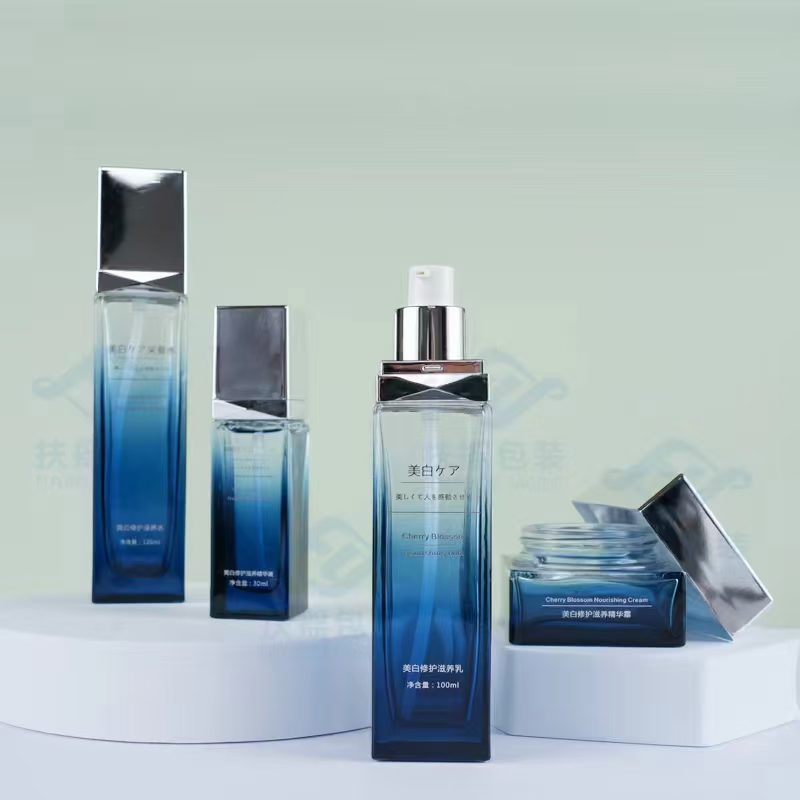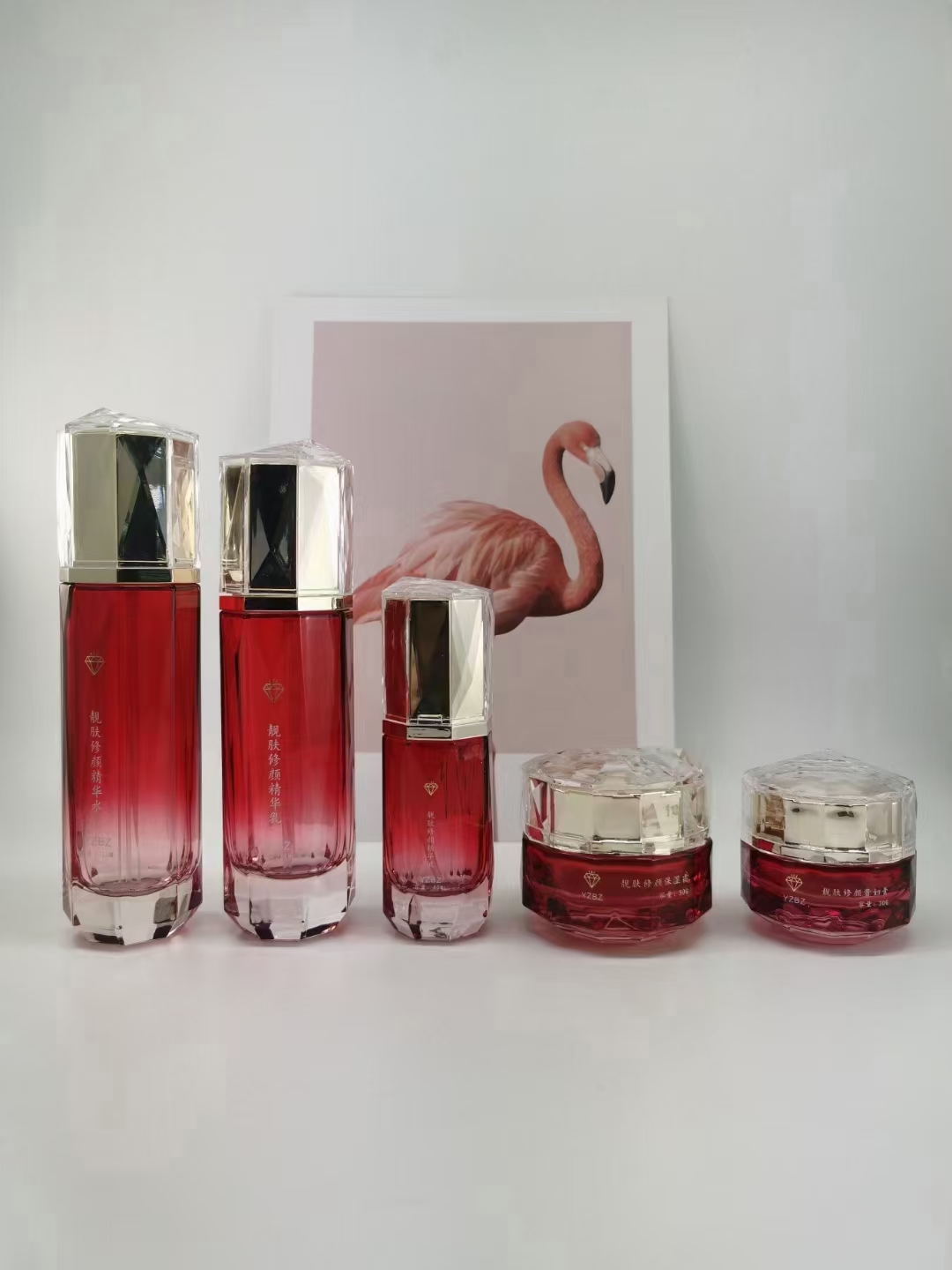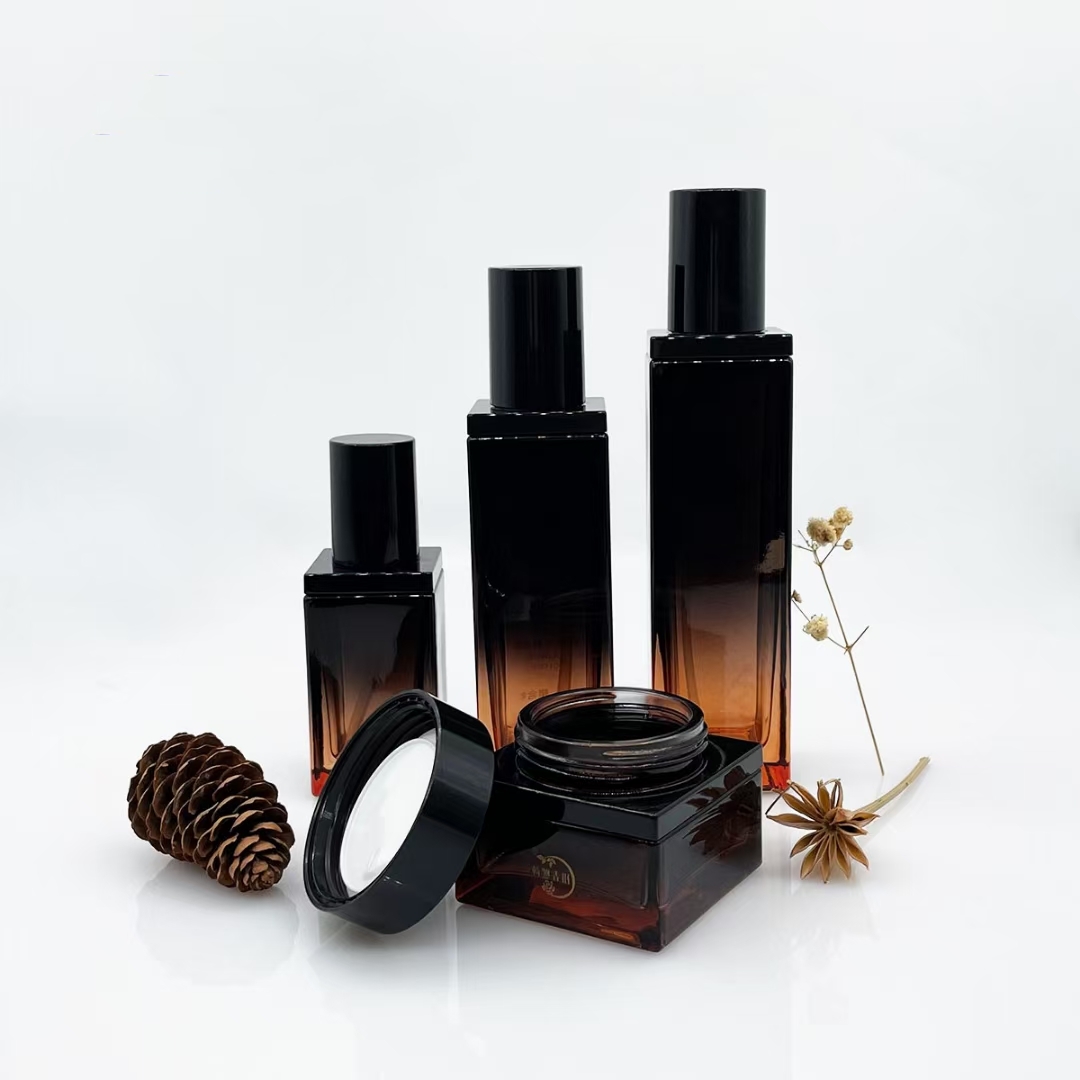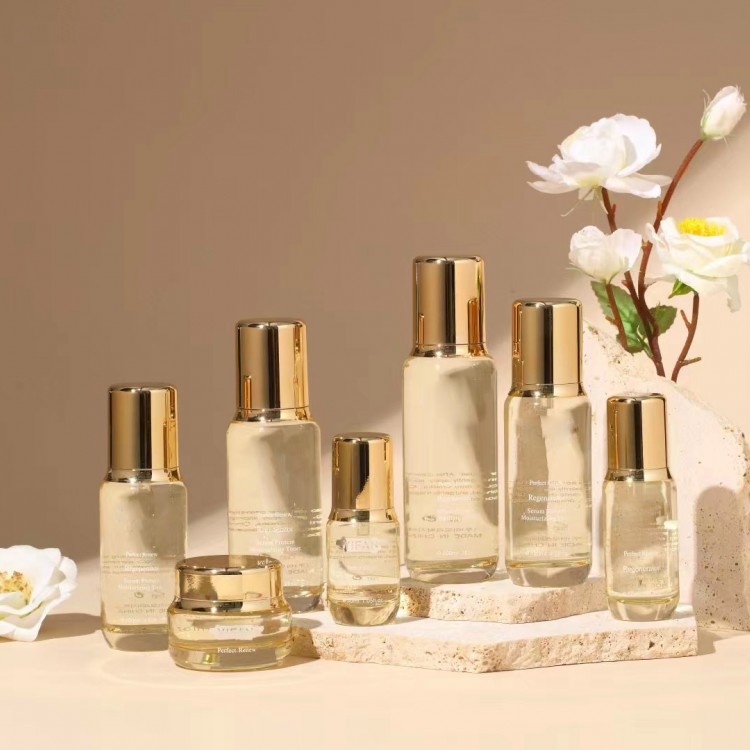

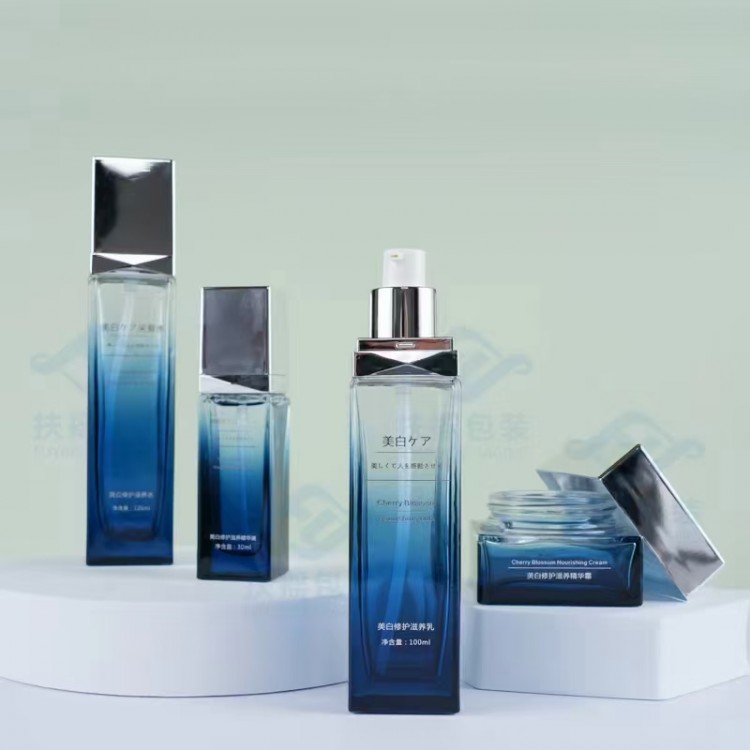

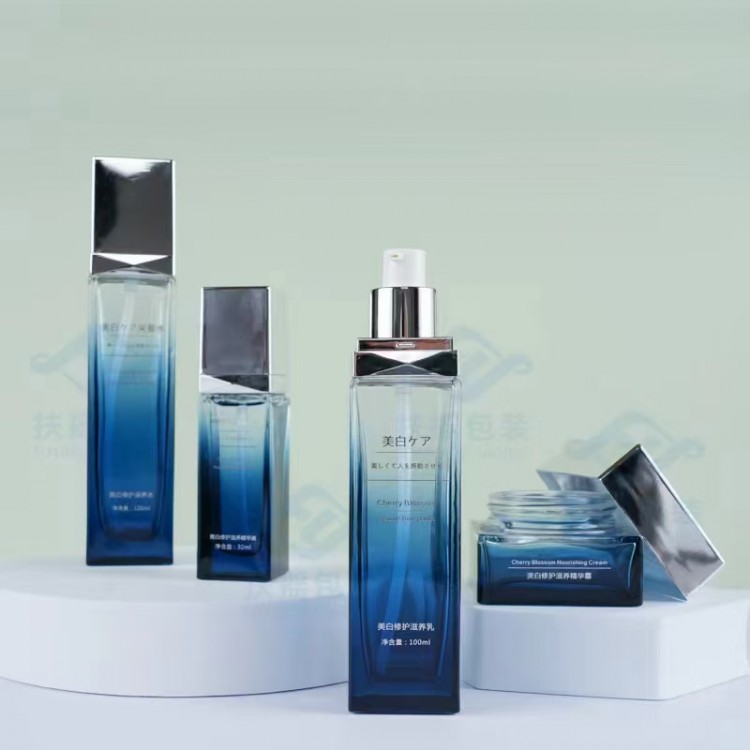
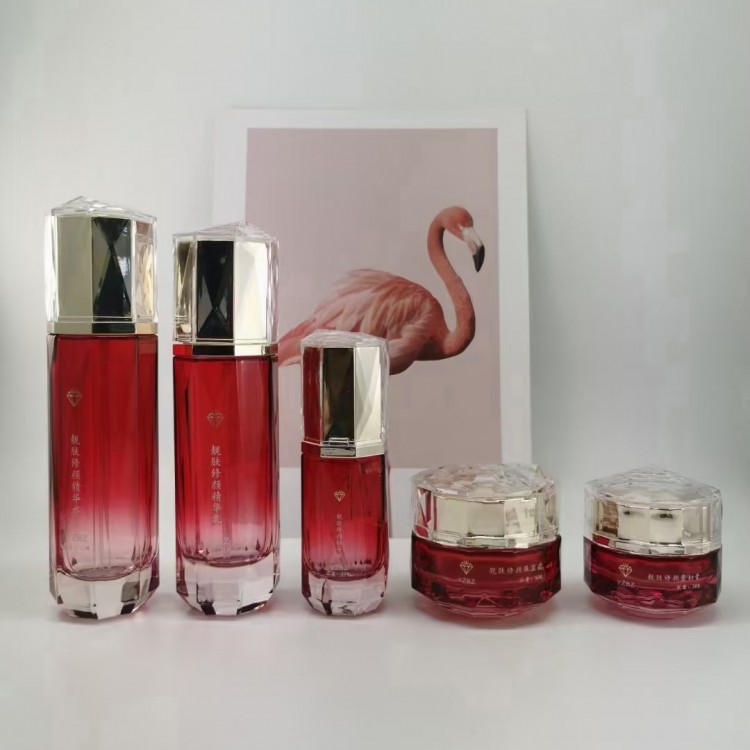
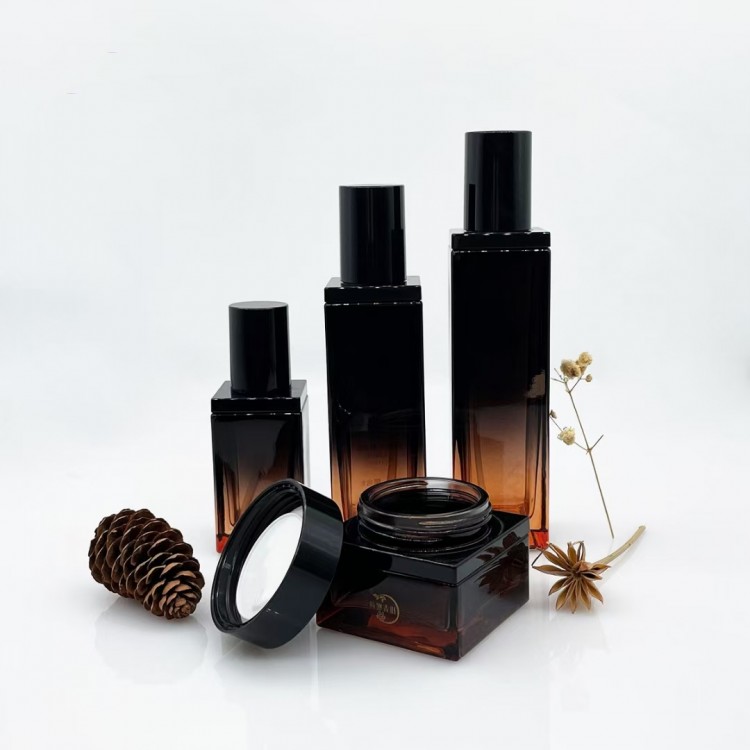











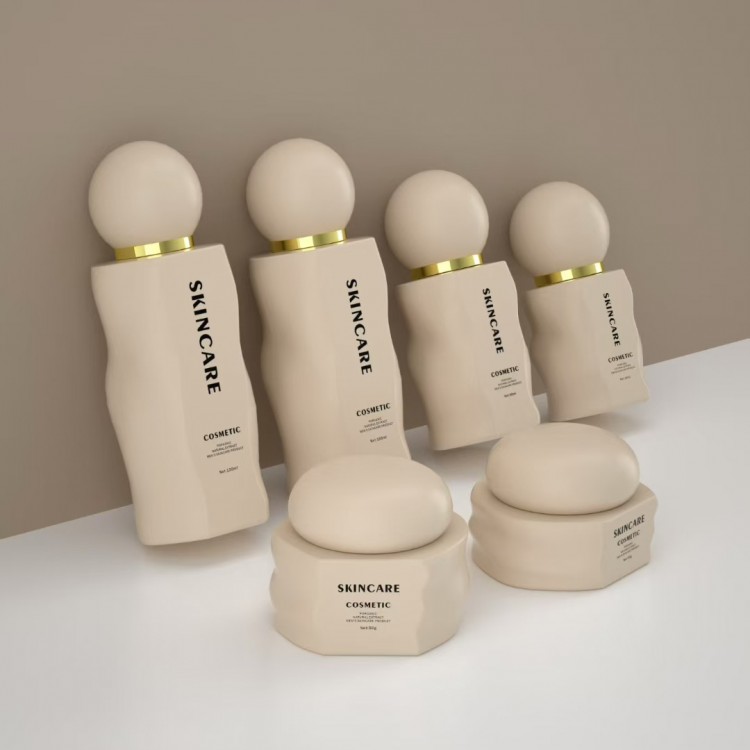
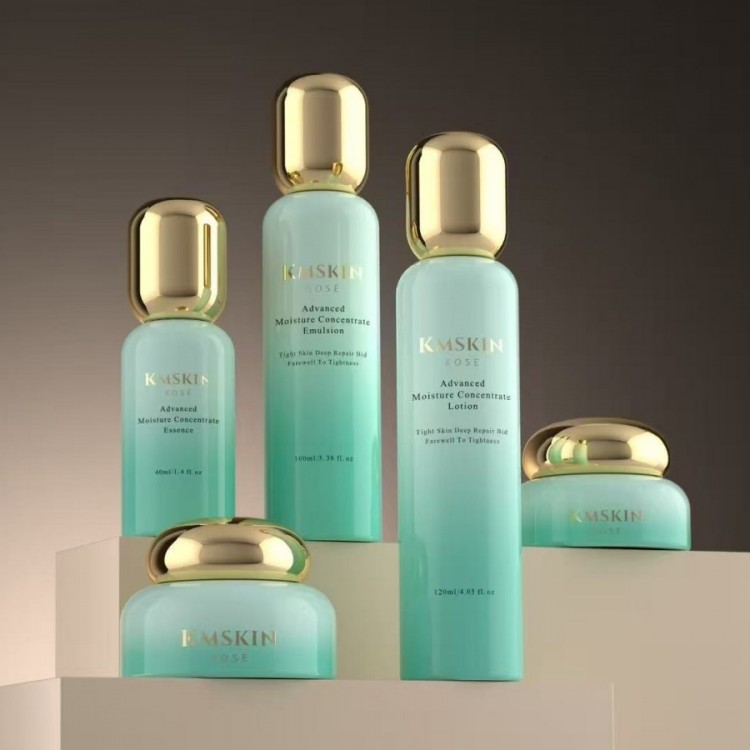
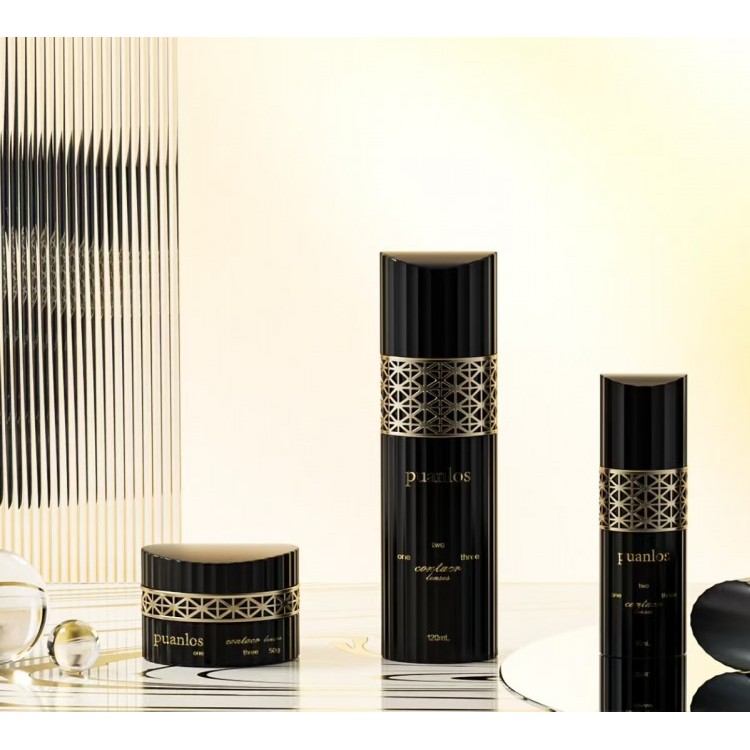
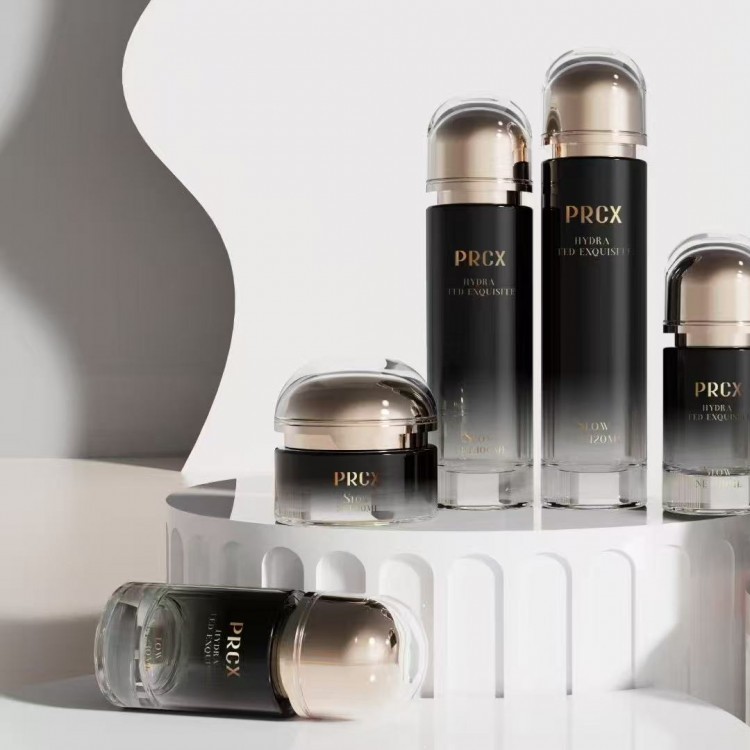
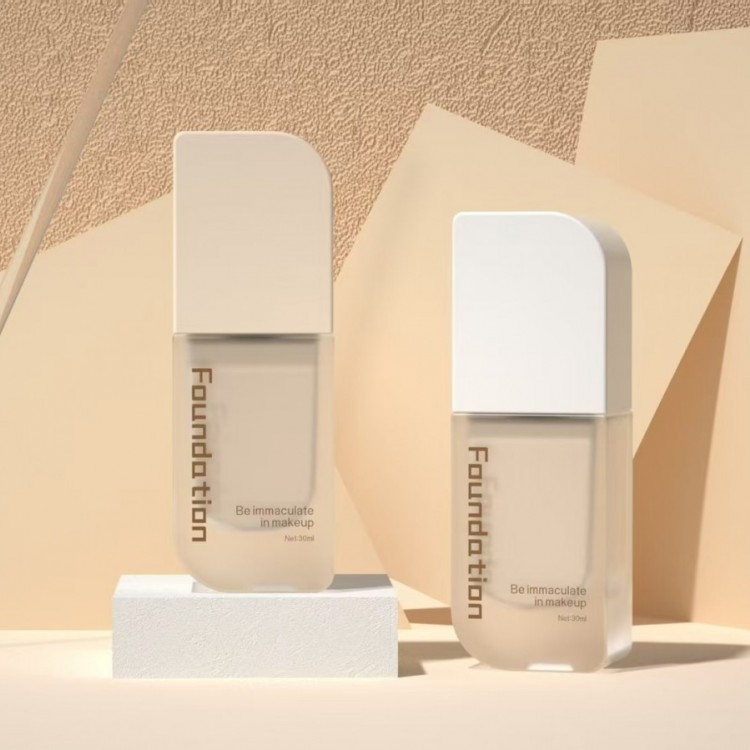
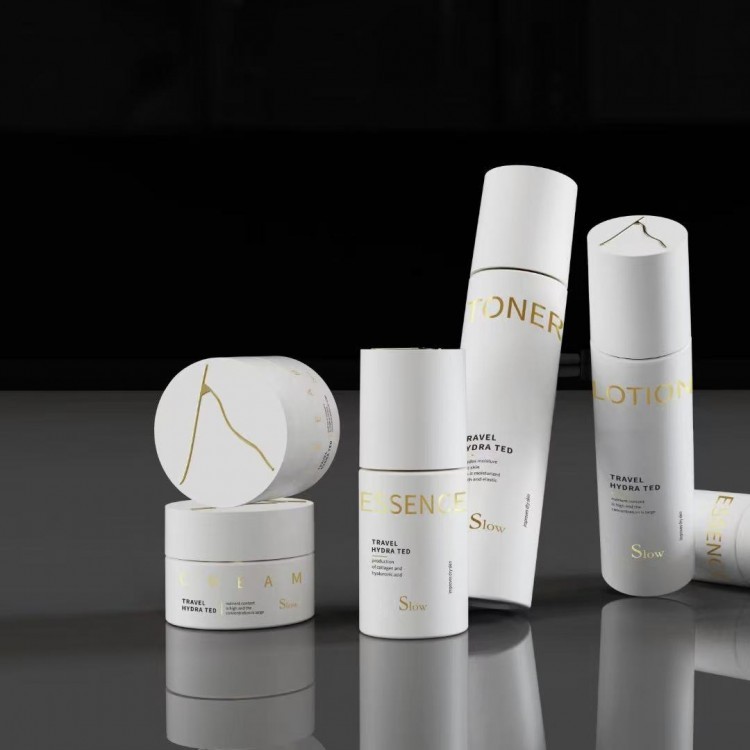
Bottle: Transparent, frosted, and colored bottles (including white porcelain bottles and essential oil bottles - less common colors but with high order volumes and limited lines), spray or frosted processing. Printing: Silk-screen printing, hot stamping (the total number of silk-screen printing and hot stamping should not exceed 2 times; too many colors increase defects, cost, and waste), silk-screen printing: Glass bottle silk-screen printing usually has two types, one is high-temperature ink silk-screen printing, which is characterized by resistance to fading and a subdued color tone; the other is low-temperature ink silk-screen printing, which has a more vibrant color but requires higher quality inks to avoid peeling off. Attention must be paid to bottle sterilization. Hot stamping silver can be determined based on customer and product requirements.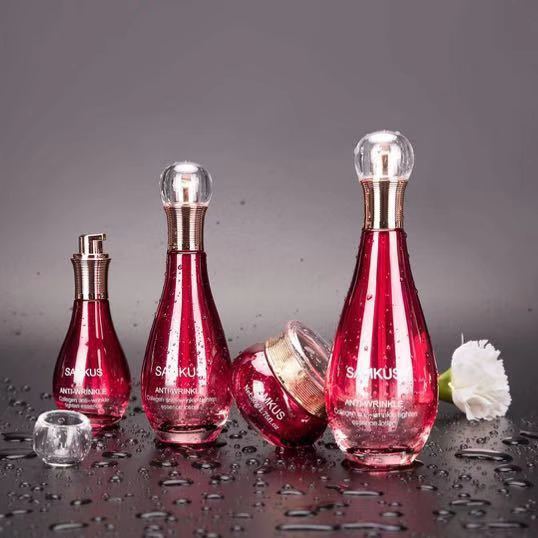
Cosmetic glass bottle suppliers tend to favor large capacity packaging for cosmetics, allowing for the sale of more products in one go. Consequently, many full-size cosmetic bottles on the market have a capacity of about 100 milliliters or more. In fact, the application scenarios for cosmetics are diverse. As more people travel, there's an increasing emphasis on packaging of small capacity bottles under 100 milliliters. Small capacity cosmetics are not only used for sample trials but also for packaging, particularly for outdoor kits.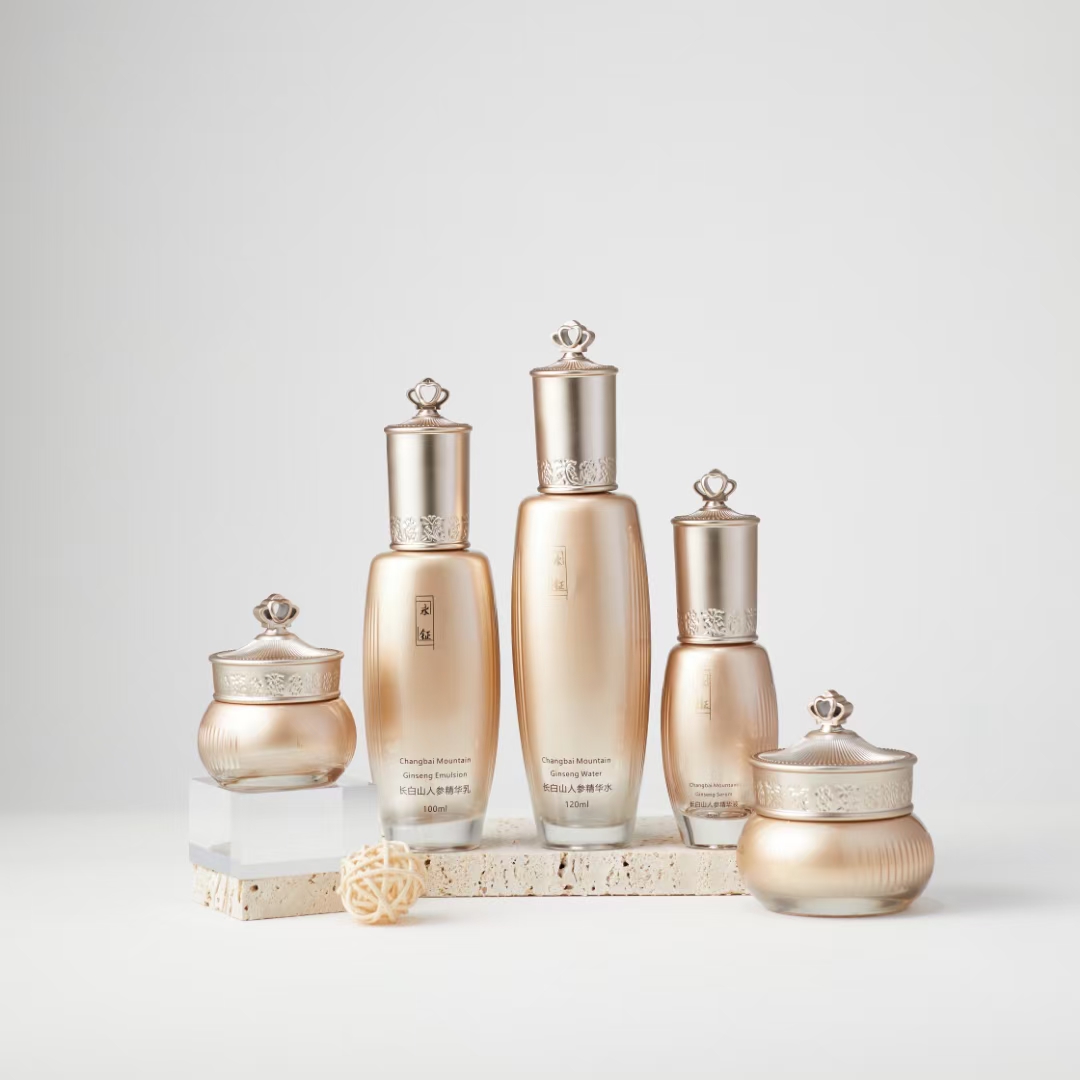
Let's delve into the packaging for cosmetic bottles with larger capacities, such as 500ml or 1000ml, which are not popular in the current market. They are inconvenient to carry for consumers and have an overly long usage cycle. The packaging of cosmetics is a vibrant world, with various brands using different color symbols to express the unique characteristics of their products. Green symbolizes nature, embodying vitality, sensuality, and freshness. Various shades of green are among the most used colors in cosmetic packaging; red is also commonly used, especially when paired with black or white; purple, gold, and black represent mysterious and noble styles and are often used to showcase high-end cosmetics. The choice of material for cosmetic bottles can be considered the cosmetic packaging bottle itself. The more visually appealing the bottle, the more willing the manufacturer is to invest in costs. Glass cosmetic bottles greatly assist in enhancing the product's quality and texture, with their thick, heavy feel and various spray finishes.