


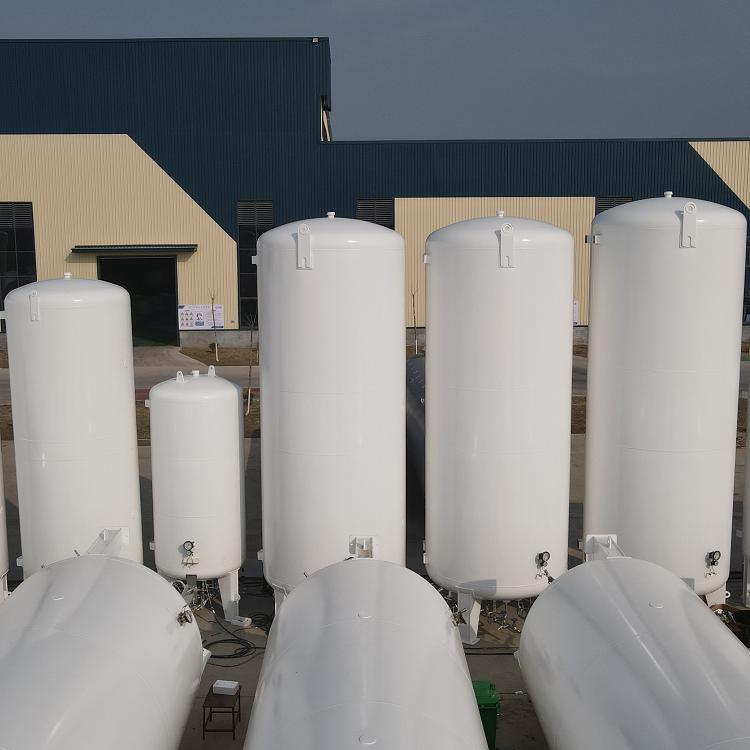

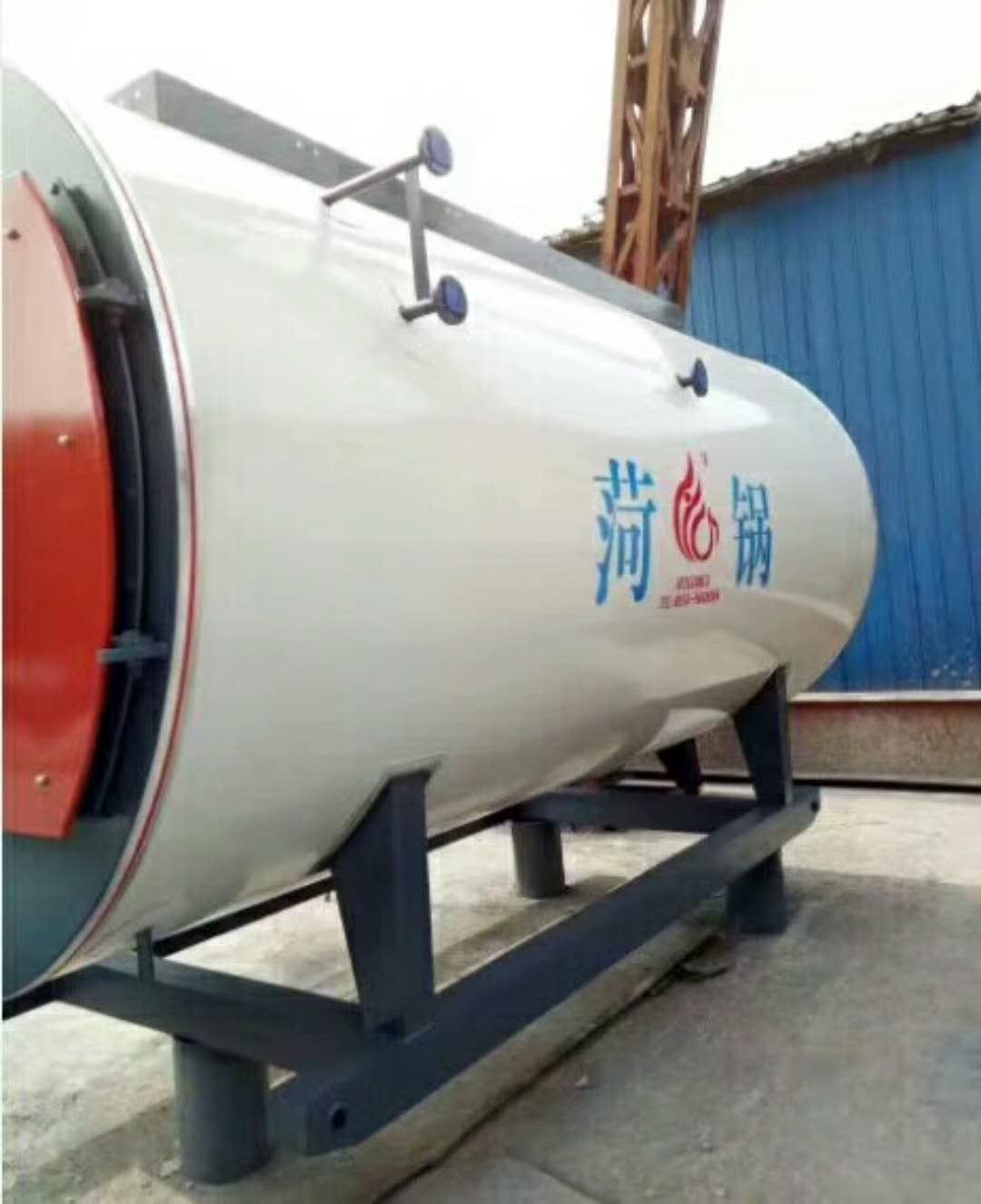


















Shandong Zhongjie Special Equipment Co., Ltd. specializes in the following products: fuel (gas) boilers, organic heat carrier boilers, biomass boilers, waste heat recovery boilers, and other boiler products; vacuum insulation cryogenic pressure vessels such as LNG storage tanks, oxygen/nitrogen/argon storage tanks, and CO2 storage tanks; pressure vessel products including denitrification engineering equipment, heat storage and energy storage equipment, and complete chemical equipment; central air conditioning and HVAC equipment such as ground (water) source heat pumps, air source units, water-cooled screw units, and air-cooled modular units. Planned products include large-scale energy centers, LNG transport vehicles, LNG tank containers, and other green energy equipment.
Liquid Argon Storage Tanks are designed for storing and transporting liquid argon, featuring the following characteristics:
Low-temperature retention performance: The liquid argon storage tank is equipped with special insulation materials and structural design, effectively maintaining the low-temperature state of liquid argon. The tank is internally lined with insulation to minimize heat transfer and loss, ensuring long-term storage of liquid argon.
High-sealing performance: The liquid argon tank boasts excellent sealing properties, effectively preventing leakage and evaporation of liquid argon. The tank's valves, fittings, and seals, etc., are precision-designed and manufactured, ensuring reliable sealing performance.
High strength and corrosion resistance: The liquid argon storage tank is made from high-strength materials, capable of withstanding the high pressure and low temperatures of liquid argon. Both the internal and external surfaces of the tank are specially treated for excellent corrosion resistance, capable of withstanding corrosion and oxidation from liquid argon.
Safety Performance: The liquid argon storage tank is equipped with multiple safety protection measures, including safety valves, pressure sensors, and level monitoring devices. These devices monitor and control the tank's pressure, temperature, and level, ensuring the tank operates within a safe range.
Reliability and stability: The liquid argon storage tank has undergone rigorous design, manufacturing, and testing, ensuring excellent reliability and stability. The tank can store and transport liquid argon stably for extended periods, guaranteeing that the quality and performance of the liquid argon remain unaffected.
Easy to operate and maintain: The liquid argon tank is relatively simple to operate and maintain, equipped with valves and fittings that are easy to use. The maintenance work mainly includes regular inspections, cleaning, and repairs, which can extend the service life of the tank.
The performance characteristics of liquid argon tanks make them essential for the storage and transportation of liquid argon, widely used in scientific research, industry, and other fields. When using liquid argon tanks, it is crucial to strictly adhere to the relevant operational specifications and safety requirements to ensure safe usage.
The process of using liquid oxygen storage tanks to regulate and supply oxygen typically involves the following steps:
Liquid Oxygen Storage Tank Oxygen Supply System: Typically, a liquid oxygen storage tank oxygen supply system is installed, which includes a liquid oxygen storage tank, liquid oxygen supply pipelines, and pressure regulating devices. The liquid oxygen in the storage tank is transported through the pipelines to the pressure regulating device.
Pressure Regulator: The pressure regulator is used to convert high-pressure liquid oxygen into the required low-pressure oxygen. It typically includes a pressure valve, a reducer, and a flowmeter. The pressure valve is used to control the oxygen pressure, the reducer is used to reduce the high-pressure liquid oxygen to the required low pressure, and the flowmeter is used to measure the oxygen flow rate.
Oxygen Supply Pipeline: Low-pressure oxygen from the pressure-reducing device is transported through the pipeline to areas requiring oxygen supply, such as patient rooms, operating rooms, etc. The pipeline is typically made of stainless steel or plastic, offering excellent airtightness and corrosion resistance.
Oxygen Interface: Install oxygen interfaces at locations requiring oxygen supply, such as hospital beds or operating tables. Oxygen interfaces typically include oxygen flow regulators and oxygen connectors, used for adjusting oxygen flow and connecting oxygen masks or tubes.
Oxygen supply and regulation: Adjust the pressure and flow of oxygen by regulating the pressure valve of the pressure regulator. Modify the flow and concentration of oxygen based on the patient's needs, ensuring the patient receives an appropriate supply of oxygen.
Note that when using liquid oxygen storage tanks for pressure regulation and oxygen supply, it's crucial to adhere to the relevant equipment operation and safety procedures. Operators must possess the necessary training and skills to ensure the smooth and safe operation of the oxygen supply system. Furthermore, regular inspections and maintenance of the system's equipment and pipelines are essential to ensure proper functioning and safety.
Liquid Oxygen Storage Tanks feature the following safety technical characteristics:
High-pressure Vessel: Liquid oxygen storage tanks are high-pressure vessels capable of withstanding high pressures. Their design and manufacturing must comply with relevant standards and specifications to ensure the tank's strength and sealing integrity.
Low-Temperature Storage: Liquid oxygen tanks are used for storing liquid oxygen, with operating temperatures typically around -183 degrees Celsius. The materials and insulation of the tanks must withstand low-temperature conditions to prevent evaporation of the liquid oxygen and the infiltration of external heat.
Fireproof Design: Liquid oxygen has a high oxygen content and is prone to causing fires. The design of liquid oxygen storage tanks must consider fire prevention measures, such as installing fire walls and using fire-resistant coatings, to prevent fires from occurring and spreading.
Leakage Control: Leaks in liquid oxygen tanks can lead to increased oxygen concentrations, raising the risk of fire and explosion. Tanks must be equipped with leak detection and alarm systems to promptly detect and control leaks, and to implement appropriate emergency measures.
Static protection: Electrostatic buildup in liquid oxygen tanks may cause sparks, increasing the risk of fire. Tanks must be equipped with static conductive materials and anti-static devices to reduce the accumulation and release of static electricity.
Safety valves and pressure control: Liquid oxygen storage tanks must be equipped with safety valves and pressure control devices to ensure the internal pressure of the tank remains within a safe range. When the pressure exceeds the set value, the safety valve will automatically release pressure to protect the tank's safety.
Regular inspections and maintenance: Liquid oxygen tanks require regular inspections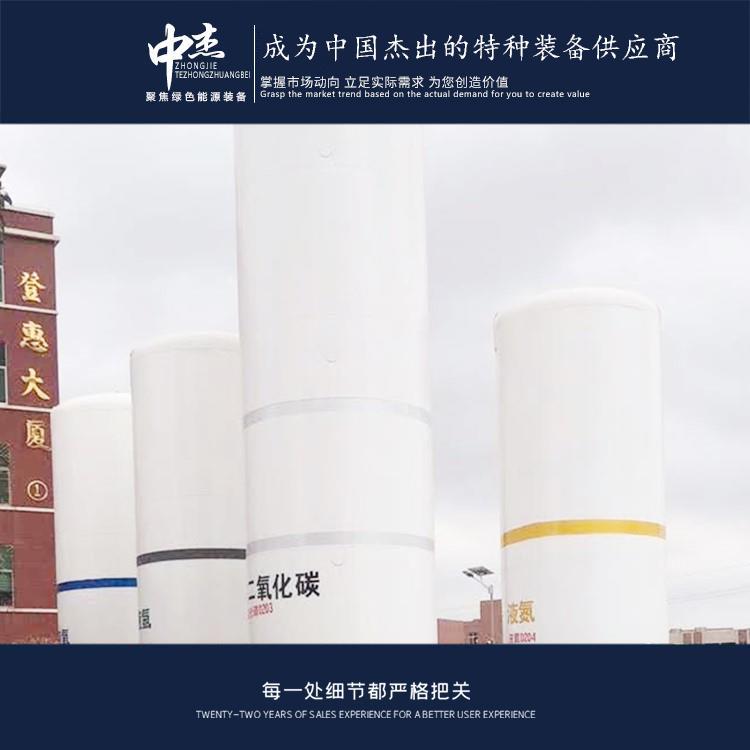
Prior to cooling the liquid oxygen tank, the following prerequisites must be met:
Ensure tank cleanliness: The interior of the tank must be free from impurities and contaminants. The tank should be properly cleaned and flushed to maintain internal cleanliness.
Drainage and Exhaust: Empty the gas from the tank and expel it through the exhaust system to reduce the gas content within the tank. This helps minimize interference of the gas on the cooling process.
Safety Precautions: Prior to cooling the liquid oxygen tank, it is essential to implement necessary safety precautions. Liquid oxygen is highly flammable and exhibits low-temperature characteristics. Operators must wear appropriate protective clothing, gloves, and other personal protective equipment to ensure safe operation.
Temperature Control: During the cooling process of the liquid oxygen storage tank, the temperature of the tank needs to be controlled. Typically, low-temperature media such as liquid nitrogen are used to cool the tank, ensuring that the temperature of the tank gradually drops below the boiling point of liquid oxygen.
Insulation and Heat Retention: Liquid oxygen tanks are typically designed with double or multi-layer structures, filled with insulating material in between to minimize heat transfer and evaporation of the liquid oxygen. Ensuring the integrity and excellent insulation of the insulating layer enhances the cooling efficiency of the tank.
Under the aforementioned preconditions, the cooling operation of the liquid oxygen tank can be performed. The cooling process must be strictly adhered to the relevant safety regulations and operational guidelines to ensure the safe operation and use of the tank.
Shandong Zhongjie Special Equipment, welcome customers to our factory for business discussions.
WeChat Official Account

Scan to follow Official Account



















