


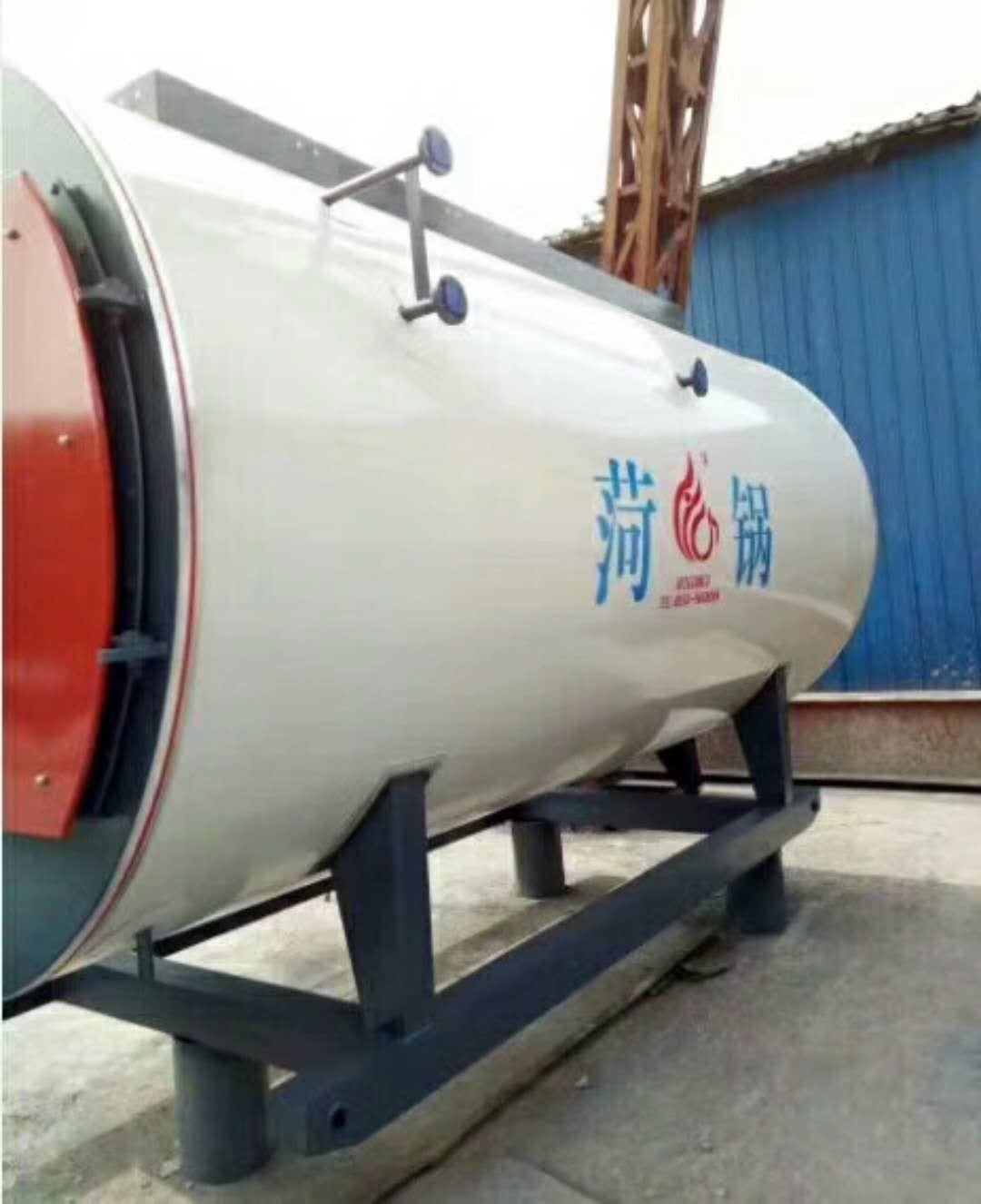

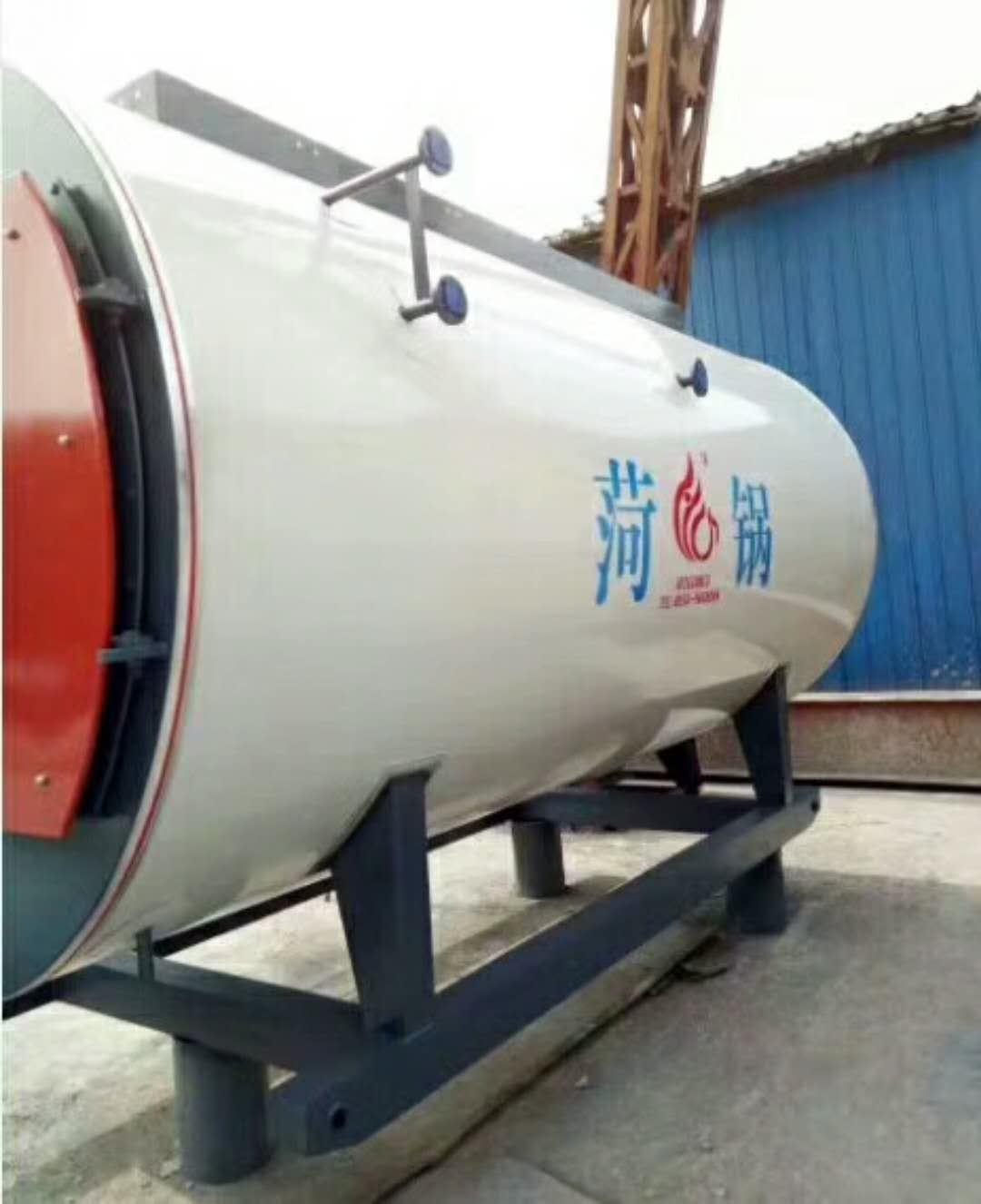
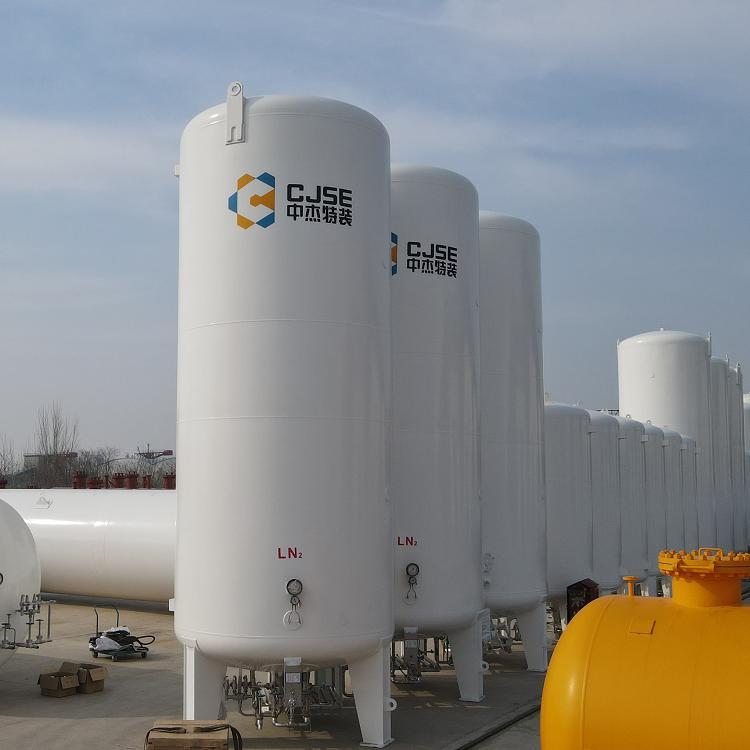


















Shandong Zhongjie Special Equipment's main products include: fuel (gas) boilers, organic heat carrier boilers, biomass boilers, waste heat boilers, and other boiler products; vacuum insulation cryogenic pressure vessels such as LNG tanks, oxygen-nitrogen-argon tanks, CO2 tanks; pressure vessel products like denitrification engineering equipment, heat storage and energy storage equipment, and complete chemical equipment; central air conditioning and HVAC equipment such as ground (water) source heat pumps, air source units, water-cooled screw units, and air-cooled modular units. Planned products include large-scale energy centers, LNG transport vehicles, LNG tank containers, and other green energy equipment.
When using CO2 storage tanks, the following safety procedures must be adhered to ensure safety:
Tank Operator Training: All operators must undergo training to understand the characteristics, operational requirements, and safety measures of CO2 storage tanks. The training should include safe tank operation, leak handling, emergency response plans, etc.
Safety Operating Procedures: Establish and follow relevant safety operating procedures, including start-up, shutdown, inspection, and maintenance of the tank. Operators should operate according to the procedures to ensure safe tank operation.
Leak Handling: Develop a leak handling program, including leak detection, emergency shutdown, and isolation of the leak source. Operators should be familiar with the leak handling procedures and be able to respond quickly and correctly to leak incidents.
Fire Prevention Measures: CO2 is a flammable substance, and fire prevention measures must be observed when in use. Smoking, open flames, or the placement of flammable materials near the tank are prohibited. Ensure that fire protection facilities around the tank are in good condition and conduct fire drills regularly.
Waste Gas Emission: Properly discharge waste gases produced during the use of CO2 storage tanks to avoid CO2 accumulation in enclosed spaces, which can cause asphyxiation and safety risks. Ensure the waste gas emission system is unobstructed and functioning properly.
Regular Inspections and Maintenance: Regularly inspect the tank's appearance, seals, valves, and pipe connections. If abnormalities or damage are found, repairs or replacements should be made promptly. Also, regularly inspect and maintain safety valves, pressure sensors, and other accessories.
Emergency Response Plan: Develop and implement an emergency response plan, including procedures for handling leak incidents, evacuation, and first aid measures. Operators should be familiar with the emergency response plan and conduct drills regularly.
Monitoring and Alarm Systems: Install and maintain monitoring and alarm systems for the tank.
Prior to using the CO2 storage tank, the following preparations must be made:
- Inspect the tank: Check for any visible damage, corrosion, or oil leakage on the tank's exterior. Ensure the structural integrity and safety of the tank.
- Check valves and pipes: Verify that the tank's inlet and outlet valves and pipe connections are functioning properly, with no leaks or loose fittings. Ensure valve operation is smooth and reliable.
- Inspect safety equipment: Check that the tank's safety equipment, such as safety valves, pressure sensors, and temperature sensors, is functioning correctly. Confirm that the set parameters meet requirements.
- Check the level measurement system: Verify the accuracy and reliability of the level measurement system. Calibrate the level sensors to ensure accurate level readings.
- Inspect the pressure relief device: Check that the tank's pressure relief device (e.g., safety valve) is operating correctly. Confirm that the set pressure meets requirements.
- Check gas quality: Ensure the CO2 gas in the tank meets quality standards, with no impurities or contaminants.
- Inspect fire protection equipment: Ensure that the fire protection equipment around the tank is in good condition and check that fire extinguishers, sprinkler systems, etc., are functioning properly.
- Train operators: Operators should receive training on the characteristics, operation requirements, and safety measures of the CO2 storage tank. Training should include safe operation, leak handling, and emergency procedures.
- These preparations ensure the CO2 storage tank is in good condition before use and guarantees the safety and reliability of operations. Follow relevant safety operating procedures during preparation and have personnel perform the operations.
The installation of a safety valve on a CO2 storage tank is crucial for safely releasing pressure in case of overpressure. Below are general installation steps:
1. Selecting the Appropriate Safety Valve: Choose a safety valve that matches the tank's design pressure and flow requirements. Ensure the rated pressure and flow of the safety valve meet the tank's specifications.
2. Installation Location: Select a suitable location for the safety valve, typically on the top or side of the tank. Ensure the safety valve can discharge pressure smoothly and is not obstructed by other equipment or structures.
3. Preparation: Clean the tank surface at the installation location to ensure no debris or dirt. Check the sealing of the safety valve and connecting pipes to ensure there are no damages or leaks.
4. Installing the Safety Valve: Connect the safety valve to the tank using appropriate fittings and sealing materials. Follow the installation instructions of the safety valve to ensure a secure and reliable connection.
5. Adjustment and Testing: Adjust and test the safety valve according to its specifications and requirements. Ensure the safety valve operates normally within the set pressure range and can release pressure in a timely manner.
6. Labeling and Documentation: Label the safety valve and tank with relevant information such as the rated pressure and flow of the safety valve, installation date, etc. Document the installation process and test results for future reference and maintenance.
Please note that installing a CO2 storage tank safety valve requires adherence to relevant safety operation procedures and standards. If you do not possess the necessary knowledge and experience, it is recommended to consult professionals or manufacturers for installation.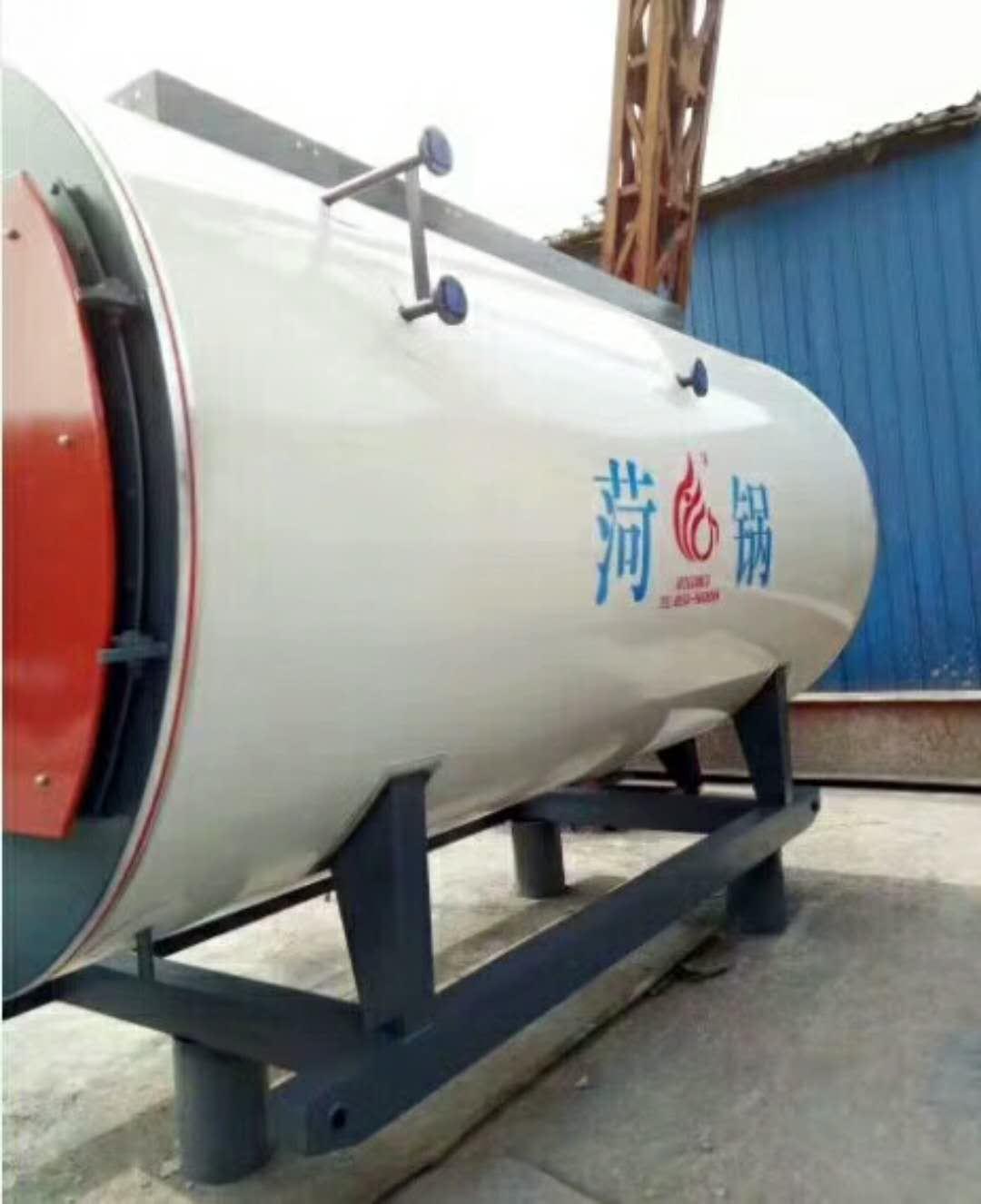
二氧化碳储罐在使用过程中可能会遇到一些常见问题,需要进行维修和处理。以下是一些常见的问题和相应的维修方法: 泄漏问题:储罐可能出现泄漏,导致二氧化碳的损失和安全隐患。维修方法包括检查和更换密封件、修复或更换泄漏的管道和阀门等。 腐蚀问题:储罐的外壁和内壁可能会受到腐蚀,影响储罐的结构和安全性。维修方法包括清洗和修复腐蚀部位,涂覆防腐涂层,或者更换受损的部件。 压力问题:储罐的压力可能出现异常,过高或过低,影响储罐的正常运行。维修方法包括检查和调整压力控制系统,修复或更换压力传感器、安全阀等。 温度问题:储罐的温度可能出现异常,过高或过低,影响二氧化碳的储存和使用。维修方法包括检查和调整温度控制系统,修复或更换温度传感器、冷却设备等。 控制系统问题:储罐的控制系统可能出现故障,导致无常控制和监测储罐的运行状态。维修方法包括检查和修复控制系统的电气元件、传感器、仪表等。 需要注意的是,对于二氧化碳储罐的维修和处理,应由的技术人员进行操作,并遵循相关的安全操作规程和标准。在维修过程中,应确保储罐的安全性和稳定性,以及维修过程的安全性。好咨询工程师或储罐制造商的建议和指导。
Zhongjie Special Equipment adheres to the grand vision of "realizing employees' dreams, creating value for customers, and striving for the prosperity and strength of our motherland," and is dedicated to the development of the green energy equipment industry. We commit to society with high-quality, cost-effective products and services!
WeChat Official Account

Scan to follow Official Account



















