


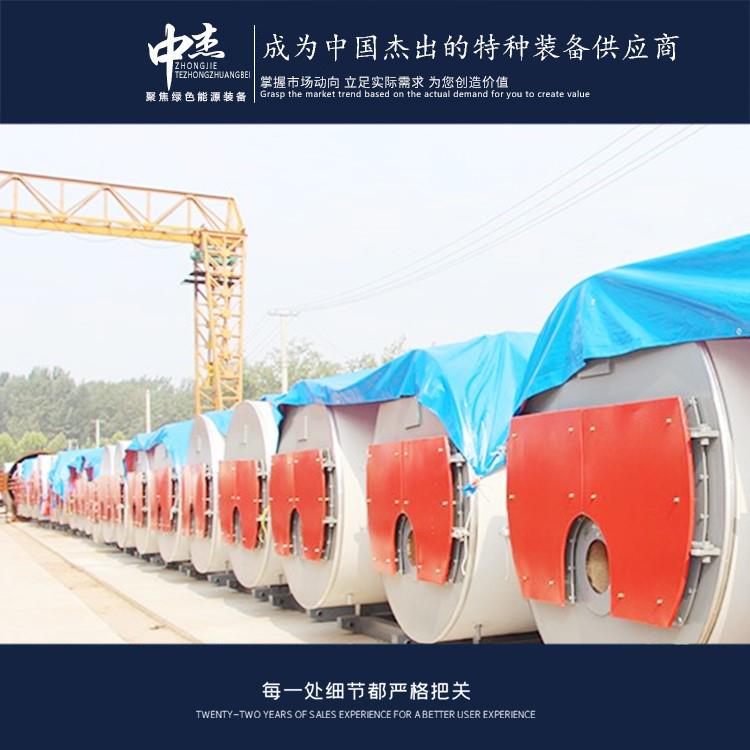

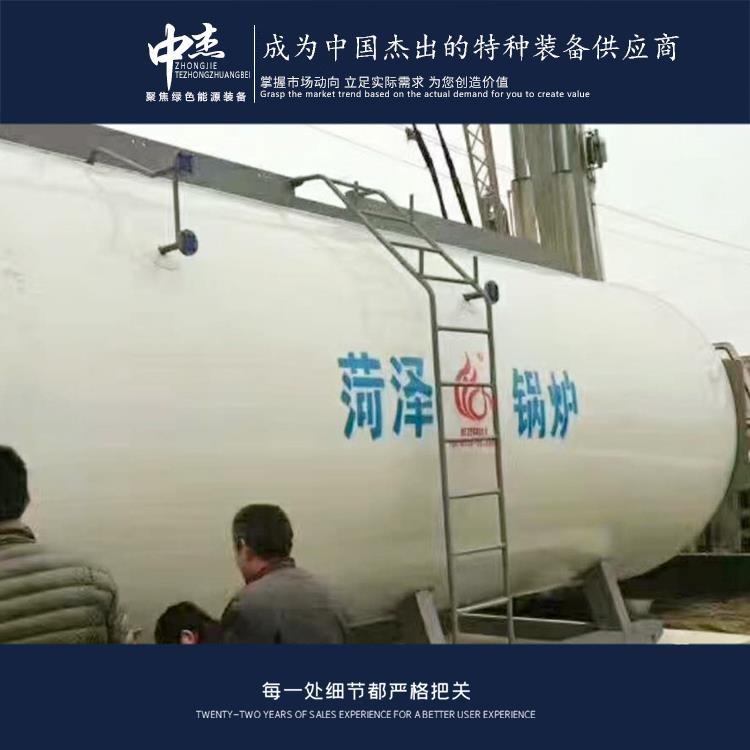
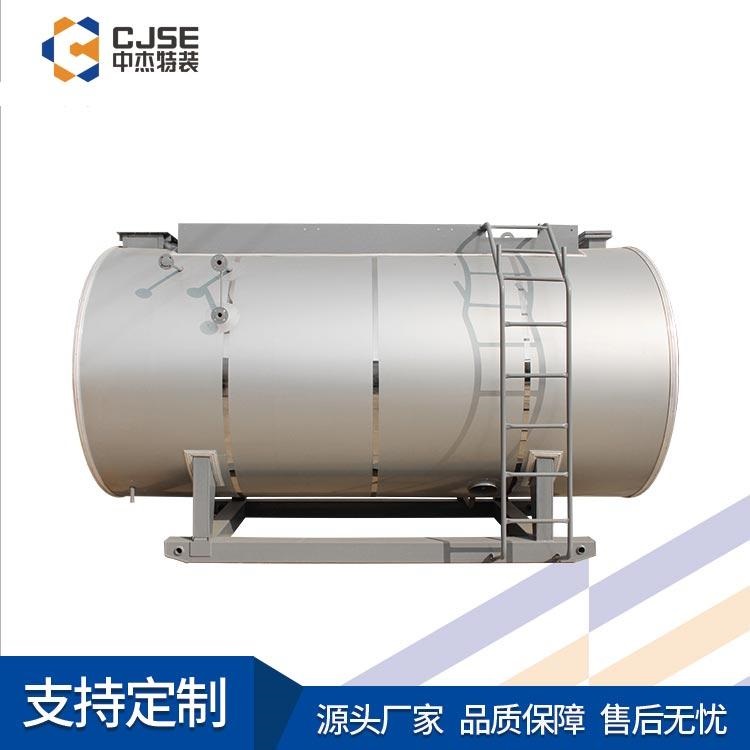


















Shandong Zhongjie Special Equipment Co., Ltd. (formerly Heze Boiler Factory Co., Ltd.) holds an A-grade boiler manufacturing license, an A2-grade pressure vessel manufacturing license, an A2-grade pressure vessel design license, B-grade boiler installation and GB2, GC2 class pressure pipeline installation licenses, and mechanical and electrical equipment installation contracting qualifications. It is a member of the China Boiler and Water Treatment Association, the China Chemical Equipment Association, and the director unit of the Shandong Equipment Manufacturing Association. The company has also passed ISO9001 Quality Management System, ISO14001 Environmental Management System, OHSAS18001 Occupational Health and Safety Management System certifications, and the American ASME/U2 certification.
When addressing issues with gas boilers during the heating process, consider the following aspects:
- Check gas supply: Ensure the gas supply is normal and inspect the gas pipes for blockages or leaks. If problems are found, repair or replace the gas pipes promptly.
- Clean the burner and combustion chamber: Regularly clean the burner and combustion chamber to remove dust and dirt. This improves combustion efficiency and reduces gas waste.
- Check and adjust the ratio of gas to air: Ensure the gas-to-air ratio is appropriate for optimal combustion. An incorrect ratio can lead to incomplete combustion or excessive exhaust emissions.
- Check and clean the heat exchanger: Regularly inspect and clean the heat exchanger to remove dust and dirt. This enhances heat exchange efficiency and ensures heat is effectively transferred to the heating system.
- Check and maintain the circulating pump and valves: Ensure the circulating pump and valves operate properly to allow smooth flow of hot water or steam through the heating system.
- Check and maintain the control system: Ensure the gas boiler's control system is functioning correctly, allowing accurate control of parameters such as temperature, pressure, and flow. If issues arise, repair or replace the controller promptly.
- Regular maintenance: Conduct regular maintenance on the gas boiler, including cleaning, lubricating, and tightening bolts. This extends the boiler's lifespan and reduces the occurrence of malfunctions.
- Training and awareness: Provide staff training to enhance awareness of operating and maintaining gas boilers. Improved knowledge and skills among employees contribute to effective management and problem-solving during the heating process.
- If issues cannot be resolved or there are safety concerns, consult with a professional for assistance.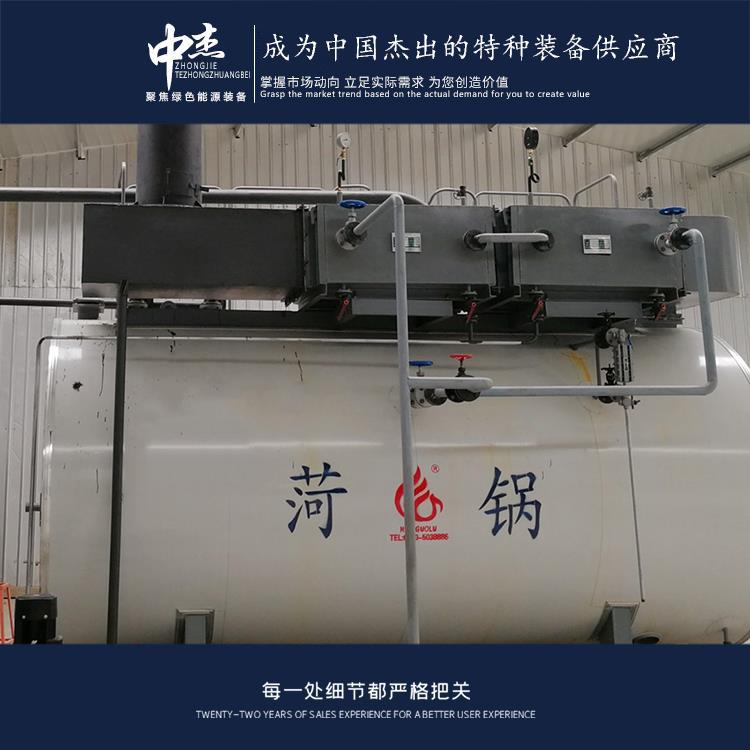
The inspection of the heat-conducting oil boiler tube plates is essential for ensuring the safe operation of the boiler and preventing potential issues. The following are general steps for inspecting heat-conducting oil boiler tube plates:
Visual Inspection: Conduct a visual inspection to check for any obvious corrosion, cracks, deformation, or other anomalies on the surface of the tube plates. Pay special attention to checking for cracks or leaks at the welds and connections.
Cleaning the Tube Plates: Clean the surface of the tube plates thoroughly to remove dirt and deposits, allowing for a proper inspection.
Ultrasonic Testing: Use an ultrasonic testing device to inspect the tube plates to detect any possible cracks or other defects. Ultrasonic testing helps determine the integrity and reliability of the tube plates.
Pressure Testing: Perform a pressure test to verify the sealing and pressure resistance of the tube plates. Gradually increase the pressure during the test, observe for any leakage, and ensure the tube plates can withstand the designed pressure.
Tube Plate Thickness Measurement: Use an ultrasonic thickness gauge to measure the thickness of the tube plates to ensure they meet the design requirements. Pay particular attention to the corrosion condition, ensuring it remains within safe limits.
Weld Inspection: Inspect the welds of the tube plates to ensure the quality meets relevant standards and specifications. Check the integrity of the welds, the quality of the weld, and whether the welding process meets requirements.
Documentation and Reporting: Document and report the inspection results of the tube plates, including any issues found, corrective measures, and recommendations. These records and reports can serve as references for future maintenance and management.
It is important to note that the inspection of heat-conducting oil boiler tube plates should be carried out by qualified personnel and strictly in accordance with relevant standards and specifications. If any issues or anomalies are detected, appropriate repair and maintenance measures should be taken promptly to ensure the safe operation of the boiler.
When a gas steam boiler experiences overpressure, the following immediate measures must be taken:
1. Shut off gas supply: First, immediately close the gas supply to cut off the source of gas supply, stopping the combustion process to prevent further increase in steam pressure.
2. Release pressure: Open the boiler's pressure release device, typically a safety valve. The safety valve is a crucial safety feature of the boiler; when the internal pressure exceeds the set value, the safety valve automatically opens to release overpressure steam, thereby reducing the boiler pressure.
3. Reduce burner load: If the overpressure is caused by excessive burner load, reduce the burner load to decrease steam production and lower the boiler pressure. Adjust the gas supply to the burner or the burner's control method to match the current load requirements.
4. Inspection and maintenance: After an overpressure event, the boiler should be inspected and maintained to identify the cause of the overpressure and make repairs. Possible causes include burner failure, control system failure, valve malfunction, etc. If necessary, a boiler maintenance technician can be called in for inspection and maintenance.
It is important to note that overpressure is a dangerous condition in boiler operation and must be addressed promptly. When dealing with overpressure, operators should remain calm, follow safety operating procedures, and ensure their own safety. If unsure how to handle an overpressure situation, immediately contact a boiler maintenance technician or relevant technical support personnel for assistance.
To extend the service life of steam boilers, the following measures can be taken:
Regular Maintenance: Conduct regular maintenance on the boiler, including cleaning the burners, flues, and heat exchangers, inspecting and replacing worn parts, ensuring the normal operation and efficiency of the boiler.
Water Quality Control: Maintain good water quality in the boiler to prevent scale and corrosion from damaging the boiler. Regularly test the water quality and take appropriate water treatment measures based on test results, such as descaling and supplementing missing chemicals.
Control the Combustion Process: Properly control the combustion process to ensure the normal operation and efficiency of the burners. Regularly inspect the working condition of the burners, adjust combustion parameters, and avoid issues like overheating or underheating.
Regular Cleaning of Flues and Heat Exchangers: Regularly clean the flues and heat exchangers to remove accumulated soot and dirt, maintain heat exchange efficiency, and prevent overheating and energy loss.
Regular Inspection of Safety Devices: Regularly inspect the boiler's safety devices, including safety valves, pressure switches, and level controllers, to ensure proper operation and ensure safe boiler operation.
Record and Monitor: Record the boiler's operating parameters, maintenance records, and fault situations, and regularly monitor and analyze them to identify and address problems promptly.
Train Operators: Ensure that operators have sufficient knowledge of boiler operation and maintenance, operate and maintain the boiler correctly, and avoid damage caused by operation errors and improper maintenance.
Regular Inspection and Repair: Based on the boiler's usage and the manufacturer's recommendations, regularly carry out major repairs and inspections, replace worn-out parts, and extend the boiler's service life.
These measures can help extend the service life of steam boilers, but please note that for safety and effectiveness, maintenance and repairs should be performed by qualified personnel.
Our company places great emphasis on technological innovation and R&D, boasting 1 municipal-level enterprise technology center in Heze City. We have established testing facilities for non-destructive testing, physical and chemical testing, welding testing, hydrostatic testing, etc. We are equipped with over 600 instruments and equipment, including CNC machine tools, X-ray flaw detectors, digital ultrasonic flaw detectors, mechanical property testing machines, chemical analyzers, spectrometers, tensile testing machines, plasma welding machines, and more. Our key products such as temperature and pressure vessel welding, biomass boiler emission reduction, and waste heat utilization have successively been shortlisted for multiple Shandong Provincial Department of Industry and Information Technology science and technology innovation projects, Shandong Provincial key projects, and Heze City innovative and excellent projects. We have cumulatively obtained 27 authorized utility model patents, 16 authorized invention patents, participated in drafting 2 standards, 2 industry standards, and registered 15 trademarks. Our technical team, in collaboration with Professor Li Yajiang of Shandong University, has developed deep cryogenic container processing technology using the international plasma arc + filler wire tungsten inert gas arc welding (PAW-GTAW) technique. The provincial-level scientific and technological achievement appraisal has confirmed that our technology level in deep cryogenic container manufacturing has reached international standards.
Choose ZJET Customized Solutions, join hands to create brilliance!
WeChat Official Account

Scan to follow Official Account



















